Written by: Haroon Suhaib
Posted on: October 15, 2026 | 
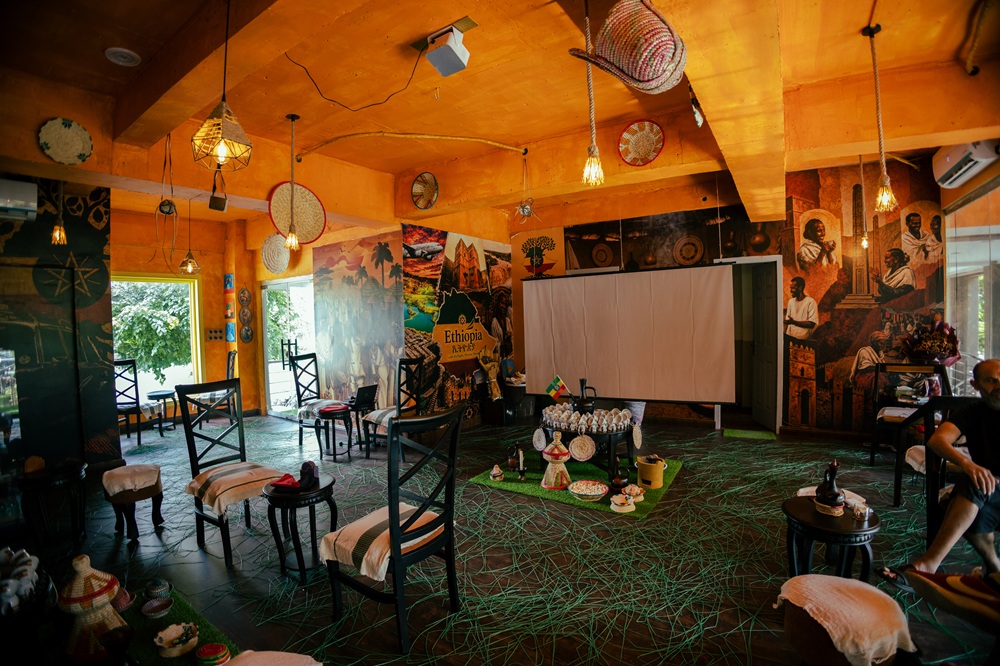
Interior of Habesha Café
Tucked within the vibrant pulse of Bahria Town Phase 7, a quiet revolution in coffee appreciation is unfolding. In an era dominated by rapid espresso pulls, sugary syrups, and fast-paced grab-and-go counter culture, a newly opened sanctuary, Habesha Café & Lounge, invites coffee lovers to do something increasingly rare: slow down.
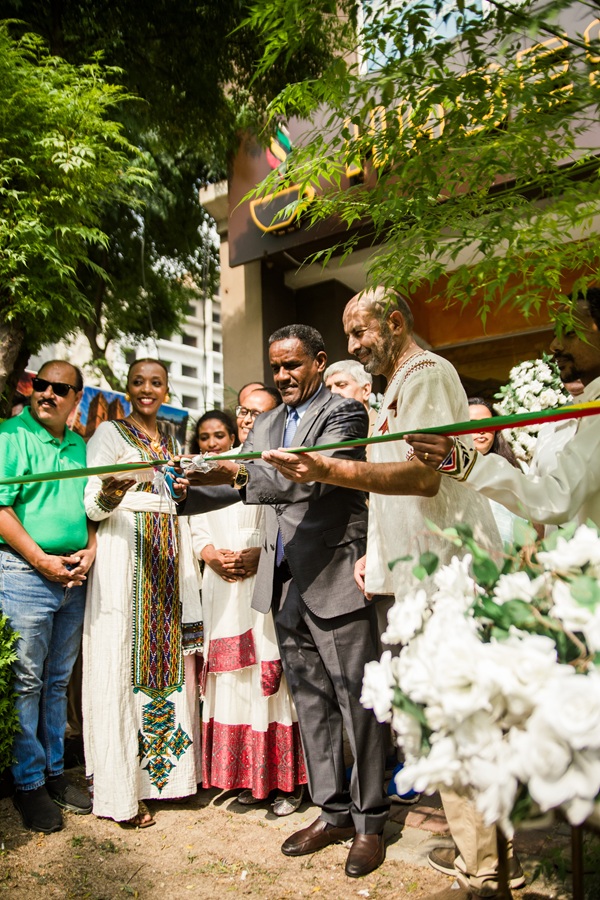
Celebrating a milestone for cultural exchange and soft diplomacy as H.E. Dr. Oumer Hussien Oba, Ambassador of Ethiopia to Pakistan, officially inaugurates Habesha Café in Bahria Town Phase 7
Founded as a bridge between two rich traditions, Habesha Café opened its doors on September 11, a date chosen intentionally by founder Naeem Hashmi to mark Enkutatash, the Ethiopian New Year. Hailing from Mansehra, Naeem spent many years in Dubai before settling in Islamabad. It was in Dubai that he met his Ethiopian wife, Mezan Work, and through subsequent visits to her homeland, he developed a profound appreciation for coffee and its deep-rooted heritage in a land that offers what he warmly describes as "the real taste of the earth."
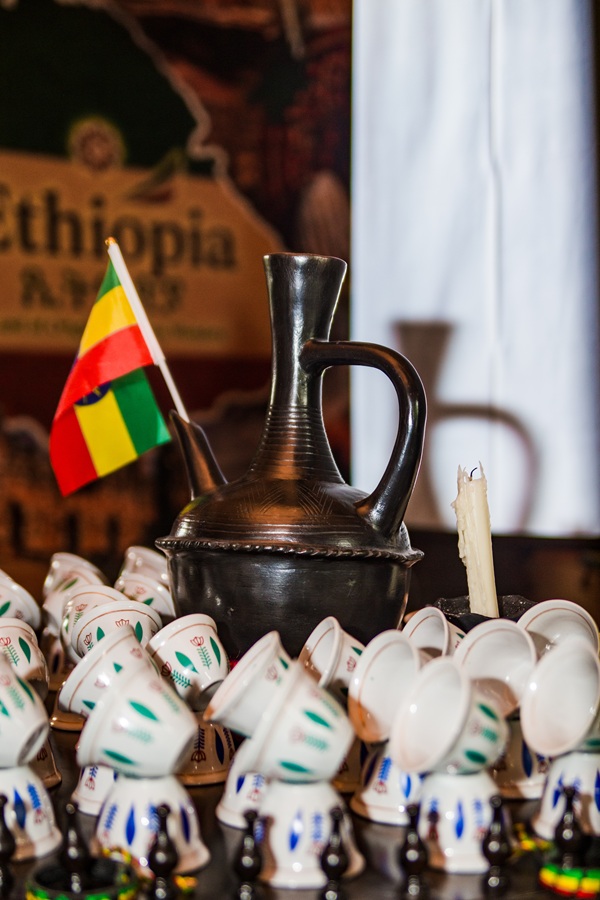
A symbol of centuries-old tradition. The jebena, a handcrafted clay pot, is central to brewing authentic Ethiopian coffee the traditional way
Marking a milestone for soft diplomacy, cultural exchange, and people-to-people connections between Ethiopia and Pakistan, Habesha Café was officially inaugurated by the Ambassador Extraordinary and Plenipotentiary of Ethiopia to Pakistan, H.E. Dr. Oumer Hussien Oba. Complete with a traditional ceremonial coffee brewing ritual, the inauguration marked the formal debut of authentic single-origin Ethiopian coffee in the Twin Cities, establishing the venue as a living platform for shared culture, history, and hospitality.
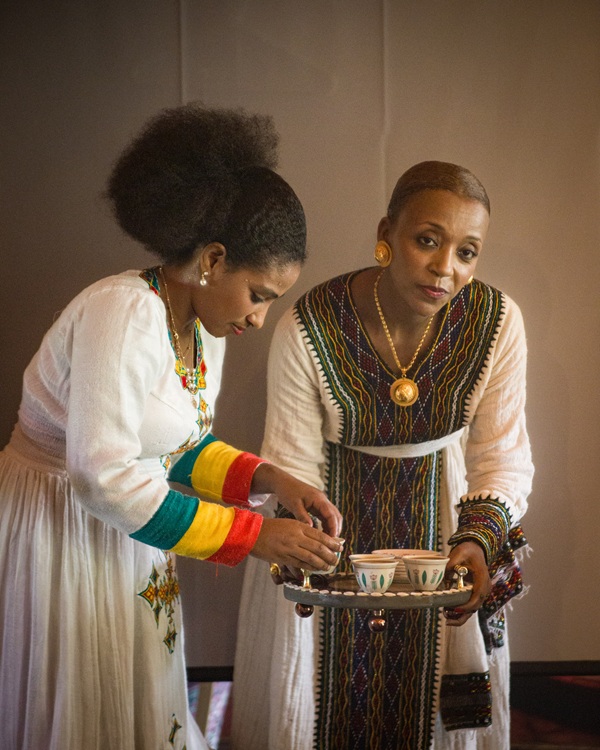
A true labor of love. Founder Naeem Hashmi and his Ethiopian wife, Mezan Work, opened Habesha Café to share the heritage and "real taste of the earth" with the Twin Cities
To truly appreciate what Habesha brings to Bahria Town, one must trace the story of coffee back to the ancient highlands where it was born. Long before coffee became a global commodity, it grew wild in the lush forests of Kaffa, Ethiopia. According to legend, a 9th-century Ethiopian goat herder named Kaldi noticed his herd behaving with unusual energy after grazing on bright red berries from a dark leafy shrub. Curious, Kaldi tried the berries himself and experienced a sudden surge of vitality. Recognizing the bean’s remarkable properties, local monks began using the cherries to remain alert during long nights of spiritual prayer. From those misty mountain forests, knowledge of the magical bean spread across the Arabian Peninsula and eventually to every corner of the globe. Today, Ethiopia stands revered as the birthplace of coffee, home to thousands of indigenous heirloom varietals that grow naturally nowhere else on Earth.
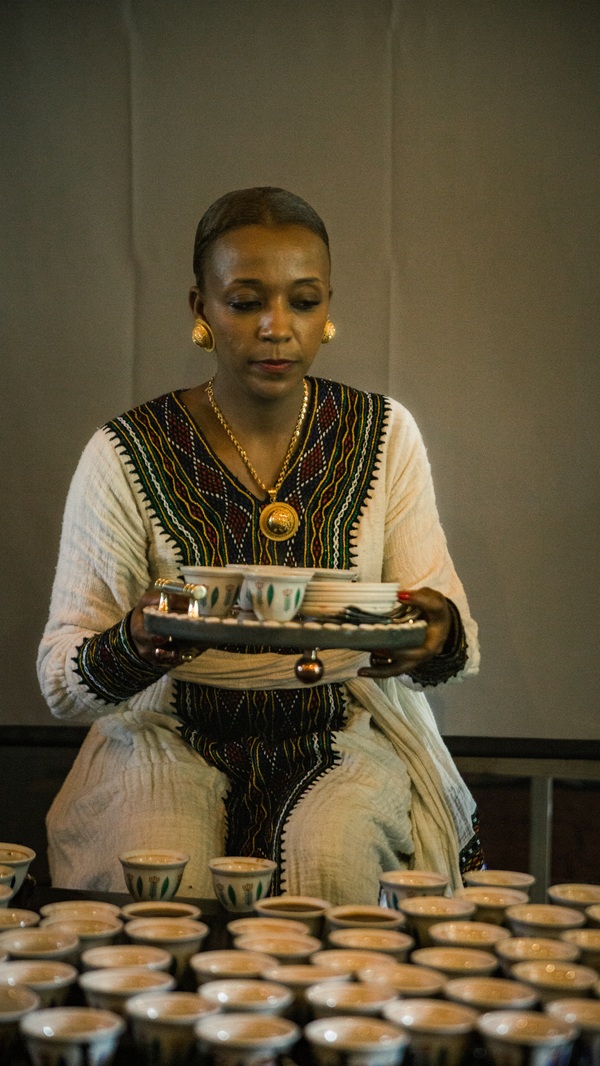
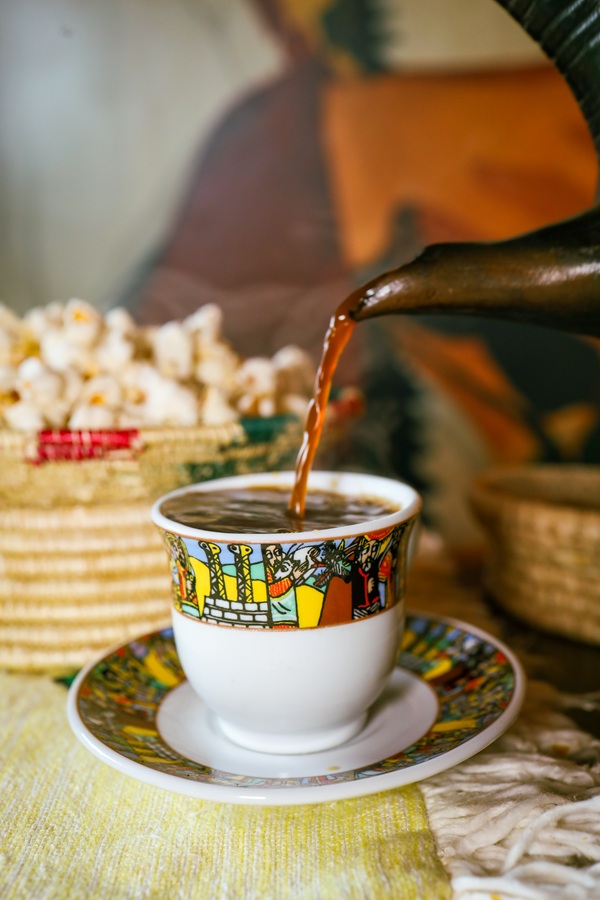
Authenticity in every pour! Habesha serves Ethiopian coffee in traditional handleless cini cups, perfectly paired with warm popcorn for a traditional touch
In Ethiopian culture, coffee is far more than a morning caffeine boost or a functional beverage. Known locally as Buna, it represents the centerpiece of community, friendship, and communal life. The tradition of gathering for coffee is captured in the Amharic phrase Buna tetu, which translates to "drink coffee," and being invited into someone’s home for a coffee ceremony is considered one of the highest honors of Ethiopian hospitality. This traditional ceremony is an intentional, multi-sensory journey that takes place in three distinct, progressive rounds. The process begins with Abol, where the initial brew - bold, aromatic, and full-bodied - serves as the opening greeting to guests. Abol is followed by Tona, a slightly milder second brewing cycle around which deep conversations and stories naturally flow. The ceremony concludes with Baraka, a final round carrying a spiritual connotation of blessing and gratitude before parting ways. Throughout the ritual, green coffee beans are washed, hand-roasted over an open flame in a flat pan, and brought around so guests can inhale the rich, sweet smoke.
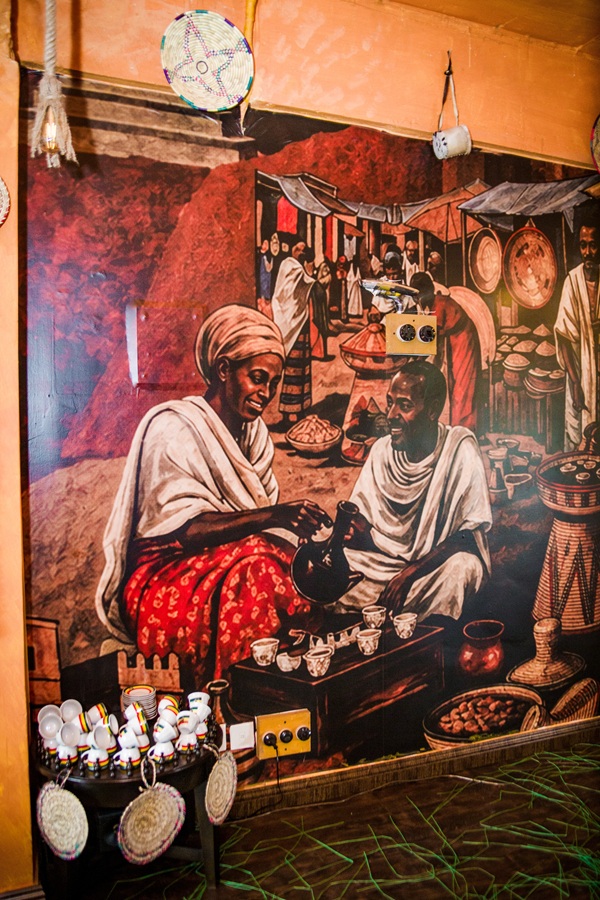
Warm earthen textures and East African artwork create an inviting space to relax and reconnect
Once ground with a traditional mortar and pestle, the grounds are gently simmered with water inside a jebena, a handcrafted clay pot featuring a spherical base and a narrow pouring neck, before being poured into small, handleless cups called cini, often paired with warm popcorn or roasted barley.
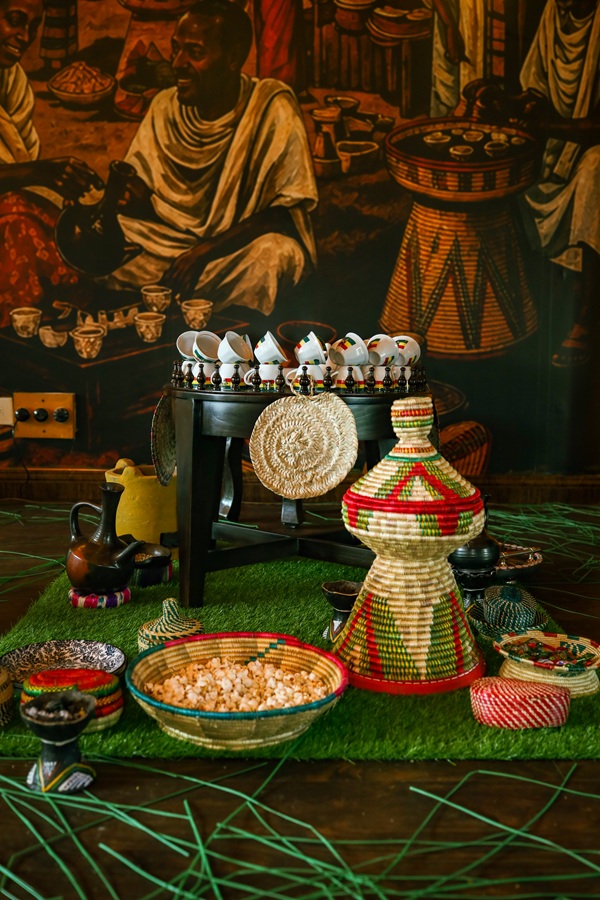
Featuring single-origin Yirgacheffe and Sidamo beans known for their delicate floral and citrus notes
At Habesha Café, visitors can experience this traditional brewing process firsthand. Naeem is always eager to engage with guests and explain the vision behind his venture, including the deep historical resonance of the name Habesha. Historically used to refer to the peoples of the Ethiopian highlands, Habesha touches upon an ancient legacy of dignity, shelter, and cross-cultural friendship. In early Islamic history, when the first Muslims faced severe persecution in Mecca, the Prophet Muhammad (PBUH) instructed his followers to seek refuge in the kingdom of Axum in modern-day Ethiopia, then ruled by the righteous King Najashi. Led by Hazrat Jafar Tayyar (RA), this historic migration, known as the First Hijrah to Habesha, established an enduring historical bond of trust, respect, and sanctuary between the region and the Islamic world.
Taking time to appreciate every step. Fresh green coffee beans are hand-roasted to perfection, releasing rich, sweet smoke that fills the café
Located in the bustling commercial heart of Bahria Town Phase 7, Habesha Café sets itself apart from standard local coffee spots through both its ambiance and its menu. The interior artfully blends modern aesthetics with warm Ethiopian cultural touches, incorporating earthen textures, traditional clay jebenas, and East African artwork to create an inviting atmosphere designed for conversation and ease. Rather than relying on commercial roasts, Habesha highlights high-altitude Ethiopian beans from world-renowned growing regions such as Yirgacheffe and Sidamo. Known for their delicate floral aromas, bright acidity, and complex notes of bergamot, citrus, and jasmine, these single-origin beans offer a distinctive taste profile for local coffee enthusiasts.
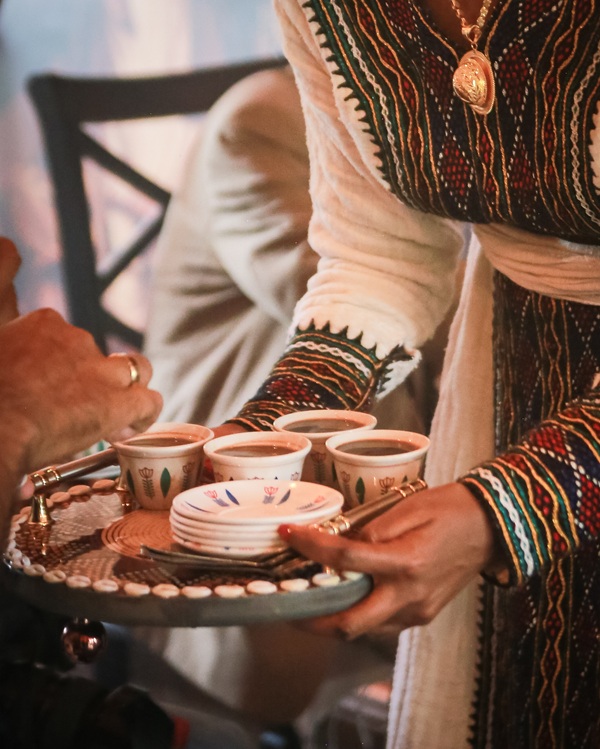
Coffee is a journey, not a quick rush. Experience the three traditional rounds of Buna: Abol (bold start), Tona (deep conversation), and Baraka (blessing).
Ultimately, the project represents a personal labor of love aimed at bringing authentic African culinary heritage and specialty coffee to Pakistan. Whether you are a coffee connoisseur eager to explore single-origin pour-overs, someone seeking a quiet corner to read, or a group looking to share a unique cultural gathering, Habesha Café offers a fresh experience in the Twin Cities. It provides not just a cup of coffee, but a doorway into one of the world’s oldest and richest cultural traditions. As the famous Ethiopian proverb goes, Buna dabo naw - "Coffee is our bread." It feeds the spirit, builds bonds, and cements community ties.
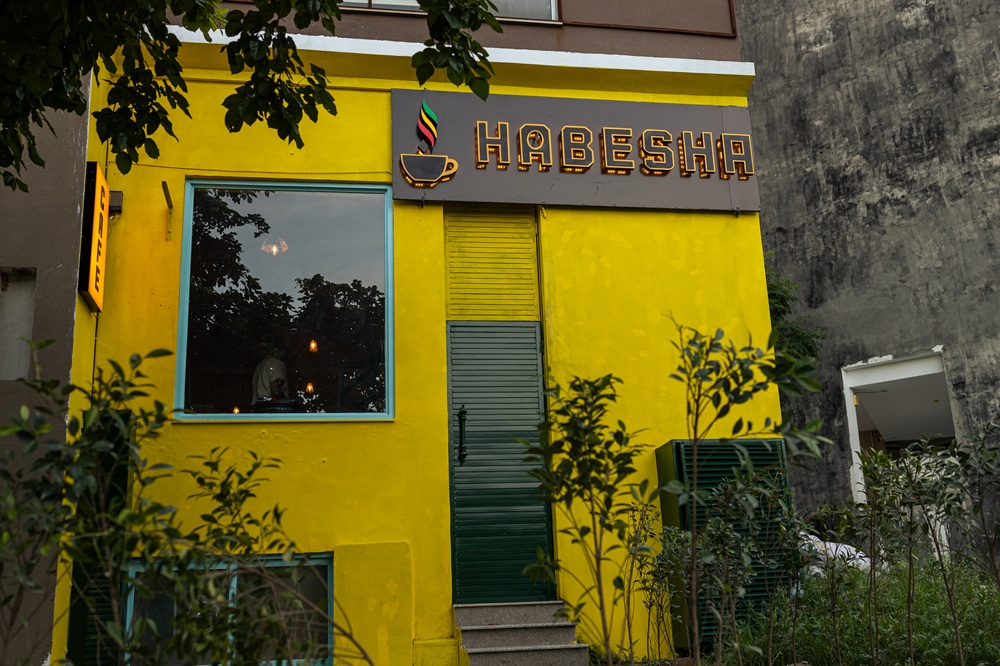
Exterior of Habesha Café, Bahria Town Phase 7
Next time you're navigating Bahria Town Phase 7, skip the automated espresso line and step into Habesha. Take a seat, take in the aroma of freshly roasted beans, and savor coffee the way it was meant to be experienced: slowly, mindfully, and together.
You may also like:

From the Horn of Africa to Bahria Town: Habesha Café Brings Centuries of Coffee Culture to Rawalpindi
(October 15, 2026)