Written by: Emma Alam
Posted on: October 12, 2026 | 
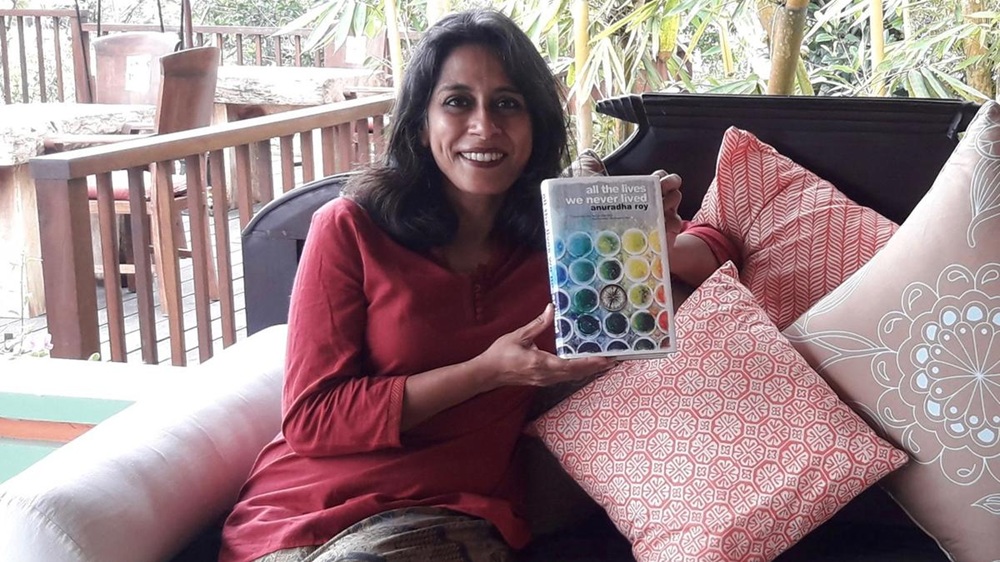
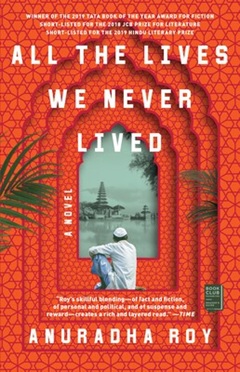
Anuradha Roy poses with her book 'All the Lives We Never Lived' '
Anuradha Roy’s novel “All the Lives We Never Lived” subtly explores recall, perception, and individuality across successive generations. By unfolding the story into the remote and the immersed, the writer emphasizes the comparison between individual and communal chronicles and the consequences of identity construction. The story is narrated by Myshkin Chand Rozario, an old man retracing the memories of his childhood in the modest town of Muntazir during the colonial period in India. His mother Gayatri, a lively woman, endowed with artistic ability, is confined in an emotionally suffocating marriage and a burdensome provincial existence. When a dynamic Bavarian artist travels through the town, Gayatri encounters a different way of life, where she can paint, travel, and explore herself. Finally, she embarks on a journey, leaving behind her young son, who dedicates the rest of his life to solving the riddle of her departure.
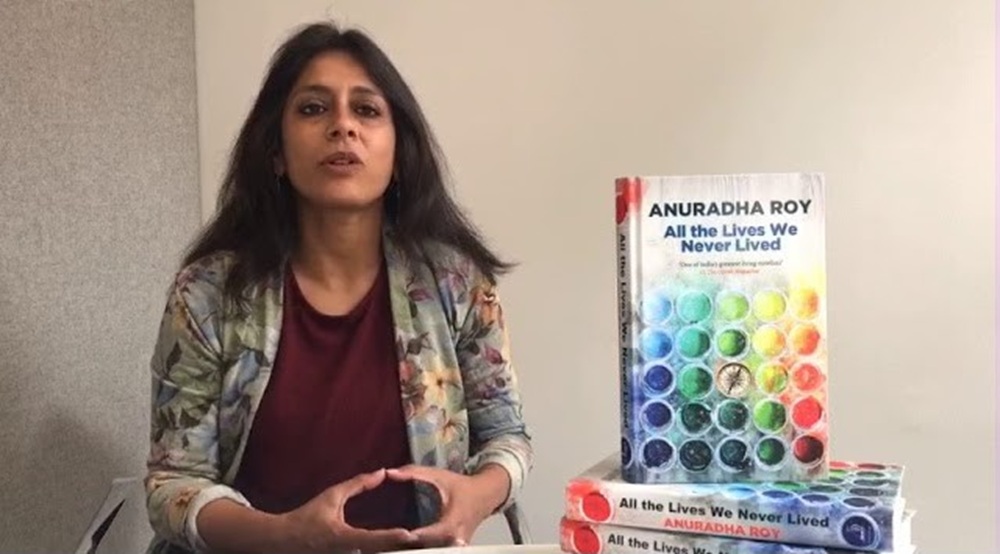
Anuradha Roy discusses her book ' All the Lives We Never Lived
The main concepts are memory, history, individuality, and the vulnerable family environment; the linkage between veracity and misconception; and the interaction between language and silence are explored through a complex arrangement of perspective and a cautious development and launch of dramatic conflict. Roy delicately elicits the emotional burden of nonexistence on the lives of those left alone, the essence of ethical accountability to others, and the tarnishing impact of class segmentation and injustice on Self-improvement. The layout of narrative appears as a core component defining Anuradha’s mastery of characterization. Roy embraces the responsibility of editor, interactional partner, or interlocutor. Wright’s motherly figure serves as the central focus, whose viewpoint transforms much of the action, embodying anxiety and character development.
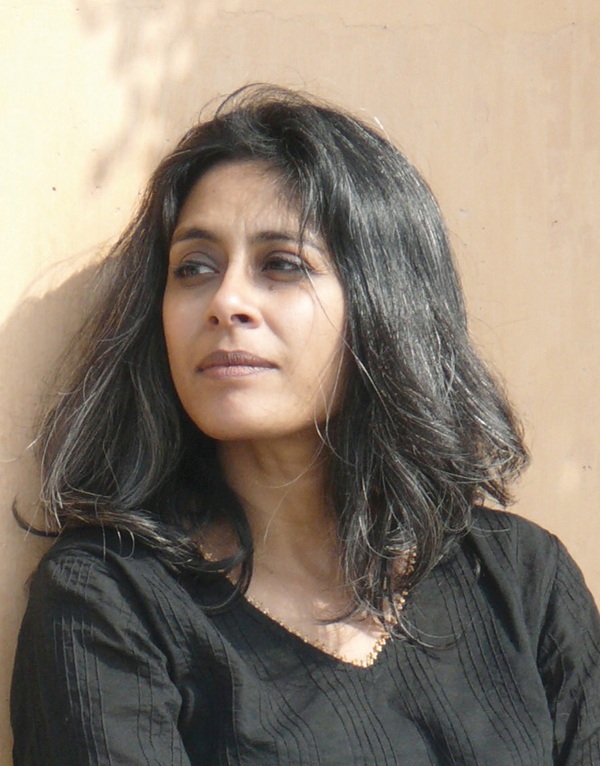
Anuradha Roy
Soha’s expression of captivating, interpreting, and inability to understand the past communicates not only barrenness of the transitional period but awareness of its obscurity. This conflict between empowerment and uncertainty organizes much of the memory formation knitted into the story, as the mode of depiction serves as a pathway to those lived experiences preventing recollection. According to Roy, how memory plays an important role in the creation of history is observed in the procedures by which individual history explores its emergence within the collective past.
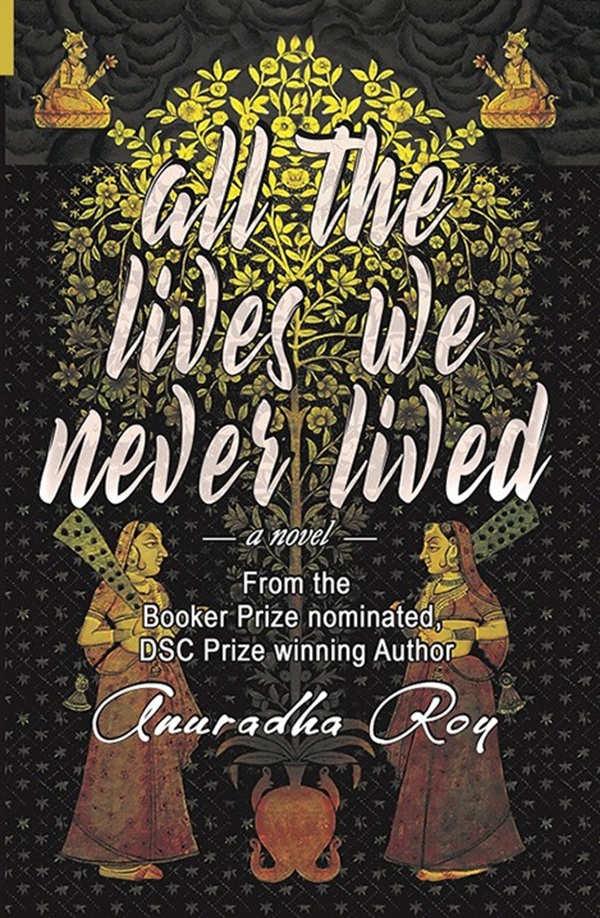
One of the covers of Anuradha Roy’s book ‘All The Lives We Never Lived’
She recalls Sigmund Freud’s perspective about life as a dream, which retains no memory, and the desire to find the world unchanged upon awakening. Memory is an ever-changing landscape, while, on the other hand, personal experience is a static phenomenon. The novel aligns well with current scenarios; discourse regarding women’s empowerment, Psychological and creative sacrifices of care responsibilities, the freedom to make independent decisions, and the conversation about the balance of professional and personal life remain highly relevant. Gayatri’s emotional conflict, the interplay between artistic ambition and domestic responsibilities, and the struggle between self-realization and responsibility are faced by women in diverse social contexts, whether in small towns of the subcontinent during the 1930s or a metropolitan city in 2026.
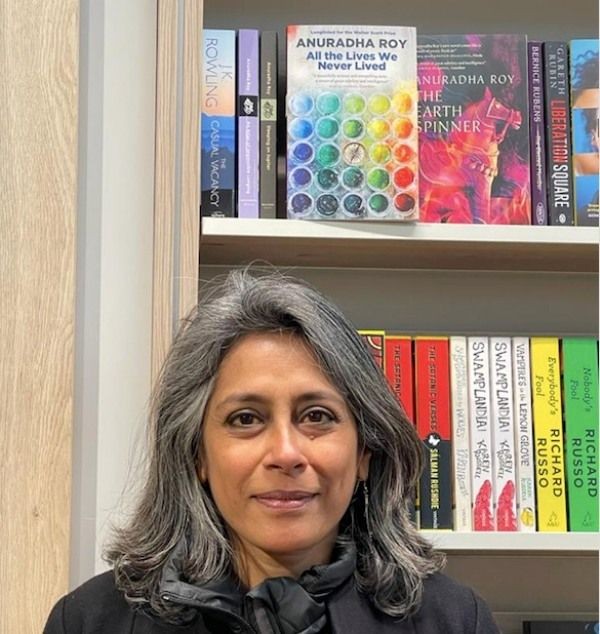
Anuradha Roy
This novel is not a routine experience of reading, and that is mainly its attribute. It is about the untrodden ways, the lives not lived, the futures that never materialized, and the silent sorrows of lost possibilities that persist across generations.
You may also like: