Written by: Khadija Khan
Posted on: September 30, 2026 | 
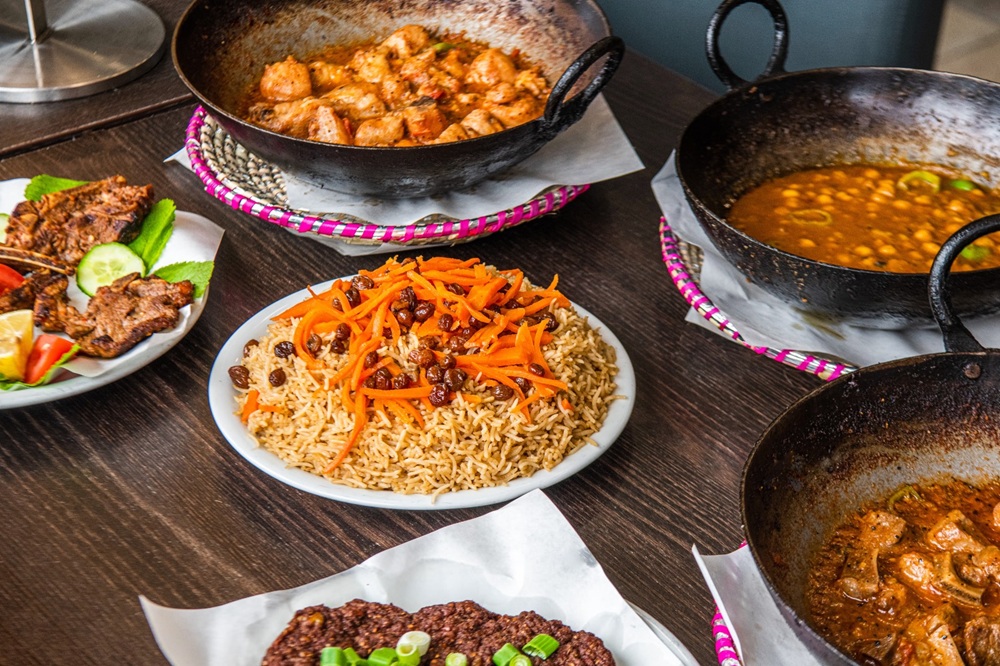
Pakistan's food story can't really be told as one story. It's more like a collection of stories, each shaped by a different landscape, a different history, and a different idea of what makes a meal worth remembering. Travel from the wheat fields of Punjab to the coastline of Karachi, from the mountains near Peshawar to the open plains of Balochistan, and the food changes almost as much as the scenery does. What stays the same everywhere, though, is the sense that feeding someone well is one of the most important things a person can do.
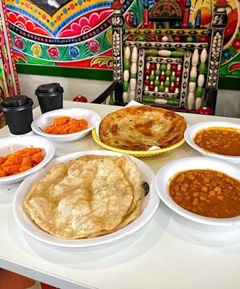
Start in Punjab and you'll quickly notice that nothing here is served in moderation. The cooking is heavy on ghee, slow simmered curries, and thick lentil dishes that taste even better the next day. Nihari might be the best example of this attitude. It's beef shank cooked overnight until it practically falls apart, and people eat it any time they want, whether that's early morning or well past midnight. You tear off a piece of naan, dip it into the gravy, and understand pretty quickly why this dish has such a loyal following.
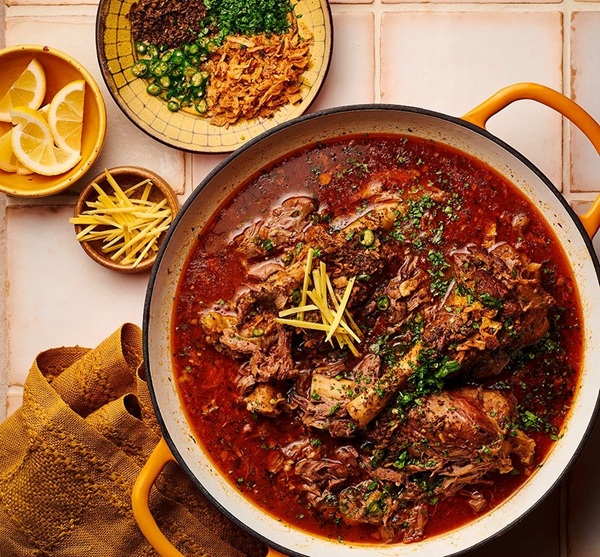
Nihari, slow cooked overnight until the meat falls apart
Lahore takes this love of food outdoors too. Head to a place like Gawalmandi in the evening and you'll find the street lined with cooks flipping meat over open flames, the smell of frying spices filling the air, and people eating shoulder to shoulder at little tables. It feels less like a meal and more like a nightly event the whole city shows up for.
If there's one dish that shows up at almost every important gathering in Pakistan, it's biryani. The rice is fragrant, the meat is marinated for hours, and everything cooks together slowly so the flavors soak into every grain. No two households make it exactly the same way, and that's part of the charm. Weddings have biryani. Eid has biryani. Even a random Sunday lunch can turn into biryani day. It's the kind of food that brings people to the table without needing much of an invitation.
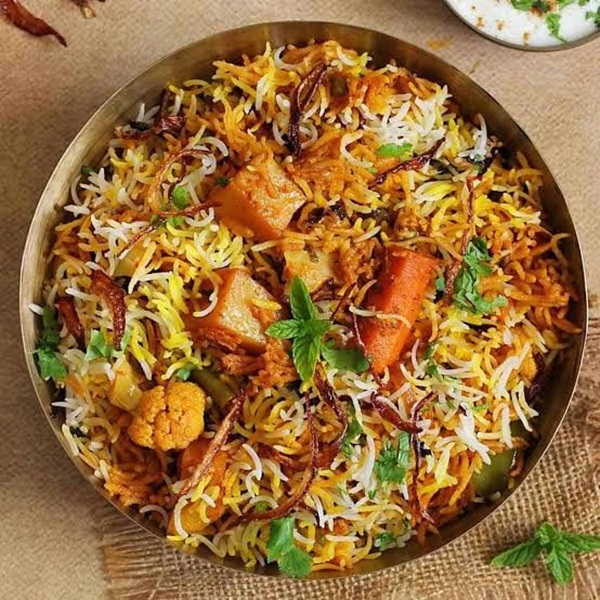
Biryani, layered rice and meat cooked slowly together
Move toward Khyber Pakhtunkhwa and the whole approach to cooking shifts. There's less gravy and a lot more fire. Chapli kebab is the star here, a spiced meat patty pressed flat and fried in a wide pan until the edges turn crisp. It's rustic in the best way, often eaten straight off the pan with fresh naan and a side of raw onion. This style of cooking comes from a long history of trade routes running through the region, where food needed to be filling, quick, and full of flavor.
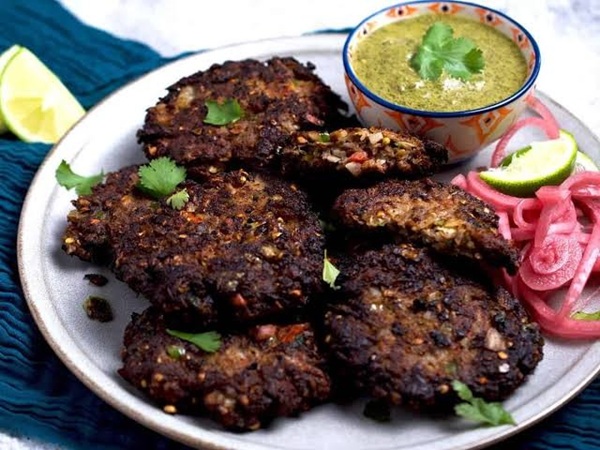
Chapli kebab, fried in a wide pan until crisp at the edges.
Down in Sindh, especially in a city as layered as Karachi, cooking styles from different communities have blended together over generations. Sindhi karahi is a good place to start understanding the region's food. Chicken or mutton is cooked in its own juices along with tomatoes, ginger, and green chilies until everything reduces into a thick, glossy dish. It's the kind of food you find at roadside spots just as easily as at someone's family dinner table, and it never seems to go out of style.
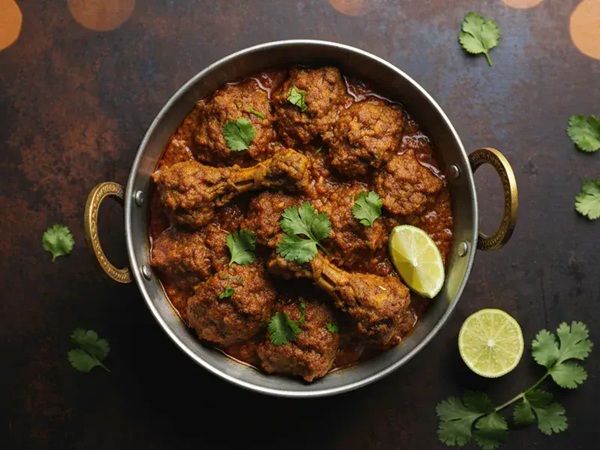
Sindhi karahi, cooked down to a thick, glossy dish.p>
In Balochistan, food takes its time. Sajji is the clearest example of this. A whole leg of lamb or chicken is seasoned simply, sometimes with nothing more than salt, and then roasted slowly next to an open fire until it's tender all the way through. There's nothing rushed about it. The dish reflects a way of life built around patience, open land, and letting good ingredients speak for themselves instead of covering them in spice.
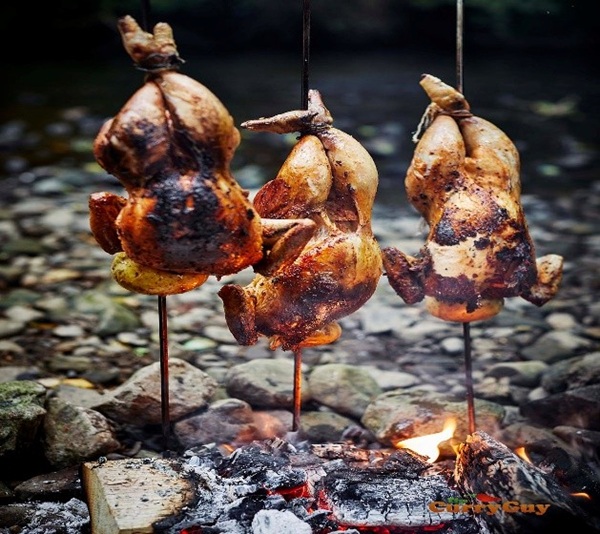
Sajji, roasted slowly over an open flame
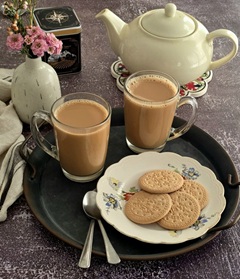
No matter which region you're in, chai is always somewhere nearby. Doodh patti, a strong milky tea made by boiling the leaves directly in milk, is less of a drink and more of a daily ritual. It shows up the moment a guest walks through the door, it accompanies long conversations, and it pairs with everything from breakfast parathas to late night rooftop chats. Every region of Pakistan has its own food identity, but chai is something that belongs to all of them equally.
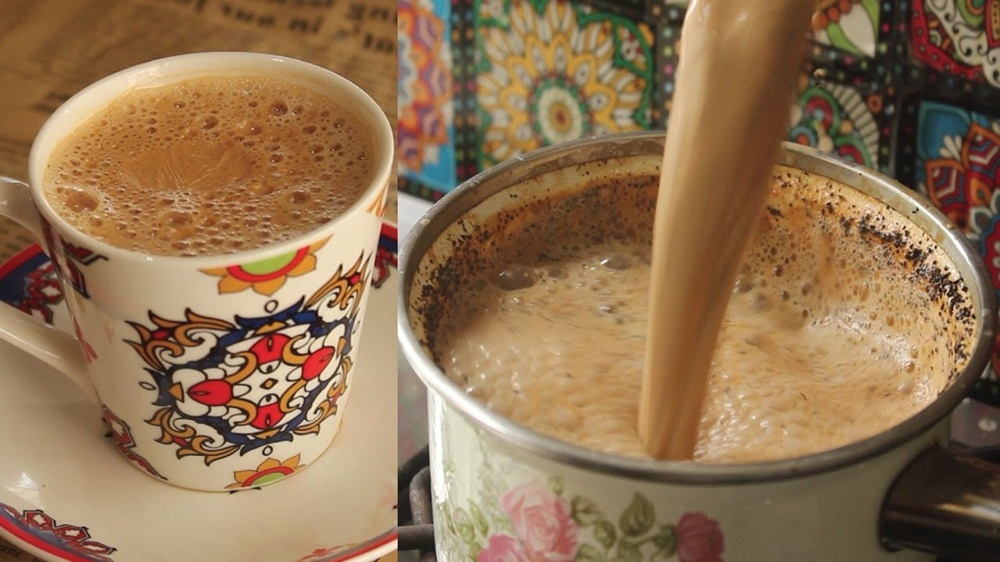
Doodh patti chai, a daily ritual in every household.
A meal in Pakistan rarely ends without something sweet, and jalebi is one of the most loved options. These crispy, syrup soaked spirals are often eaten warm, sometimes for breakfast, sometimes as a late night treat. Alongside jalebi you'll usually find barfis, ladoos, and gulab jamun, each with its own texture and story, all pulling from a long shared history of subcontinental sweets that Pakistan has made its own.
Jalebi and mithai, a sweet close to almost every meal.
What It All Comes Back To
After traveling through all these regions, one thing becomes obvious. Pakistani food isn't really about a single recipe or a single spice blend. It's about generosity. It's about a host who won't let you leave without eating more, a stranger who becomes a guest within minutes, and a table that somehow always has room for one more plate. That spirit is what actually connects nihari in Lahore to sajji in Balochistan and karahi in Karachi. The dishes may be different, but the intention behind them is exactly the same.
You may also like: