Written by: Misbah Shah
Posted on: November 05, 2026 | 
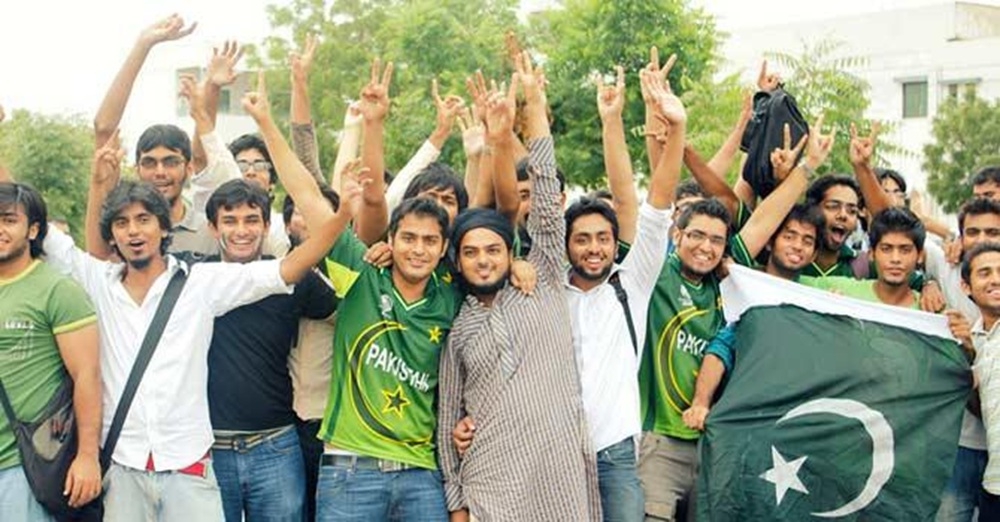
Some youngsters find their community through sport
For earlier generations in Pakistan, community often arrived without being sought. It lived in the extended family, the neighbourhood, the mosque, the college canteen, the bench outside the local tea stall. Many of those places still matter. But for a growing number of young Pakistanis, especially in big cities, belonging is something they choose and build for themselves, one weekend and one group chat at a time. Phones play a part too. A single message can turn into a hike, a book swap, or a donation drive within hours.
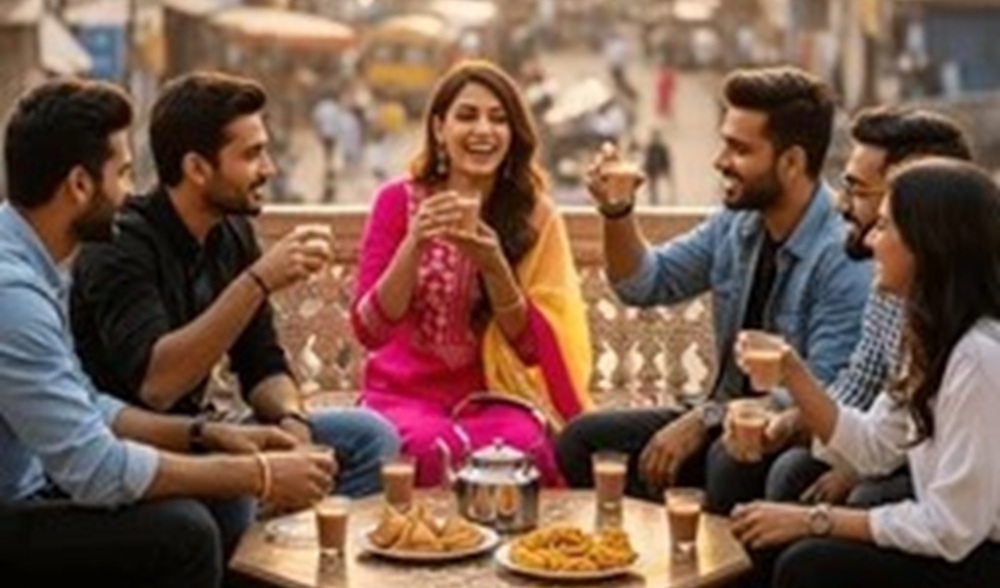
For many young Pakistanis, community is now something they choose and build
Books are one of the quieter starting points. A book club lets strangers meet around a shared story and leave as friends, and some have grown far beyond a living room circle. The Citizens Archive of Pakistan ran a project called Book Clubs Across Borders, which brought together students from 12 Pakistani cities and 12 Afghan cities for virtual discussions. Across the programme, there were 360 participants, 12 books and 144 sessions, with authors joining some of the conversations. The idea was simple. A novel can open a conversation that a headline cannot.
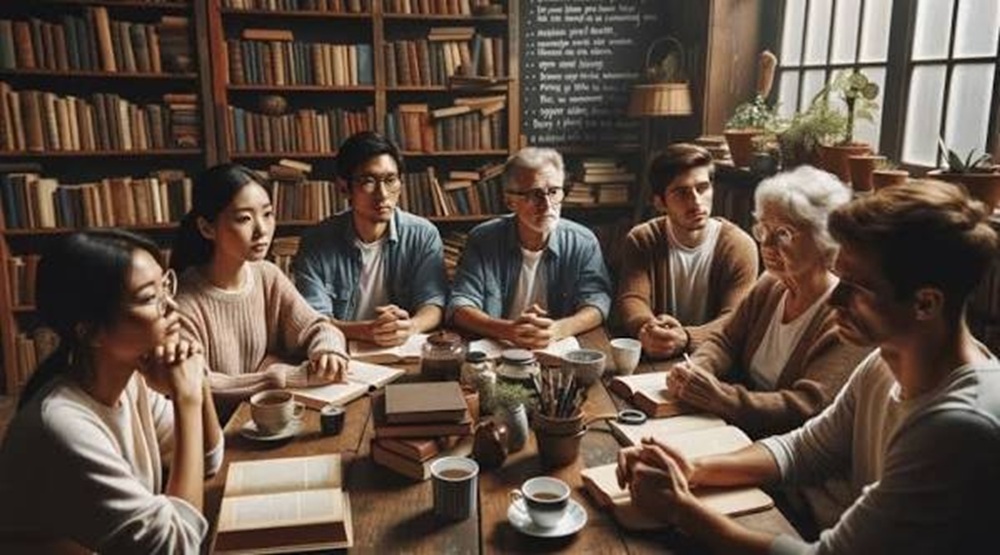
Book clubs let strangers meet around a shared story
Literature festivals have become gathering places of a similar kind. The Karachi Literature Festival began in March 2010 as the first event of its kind in Pakistan, drawing about 5,000 visitors in its first year. By 2018, it reportedly welcomed around 225,000 people. Its success helped inspire the Islamabad Literature Festival in 2013, and by 2026, seventeen editions had been held in Karachi. For many young visitors, the real draw is not only the panels. It is the chance to stand in a crowd of people who care about the same things. The festival also offers book launches, writing workshops and a book fair, so there is something for anyone who simply wants to browse.
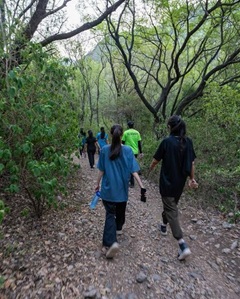
Outdoor groups offer another way to belong. In Islamabad, the Eco Adventure Club grew from about 20 members to 500 in four years, according to a 2016 report, with members meeting every weekend in the Margalla Hills foothills to climb routes suited to their skill levels. The same report counted around 20 similar clubs across the country and noted that many young people first became curious about climbing through social media. Mountains tend to flatten differences. On a steep trail, the main question is whether the person beside you needs water.
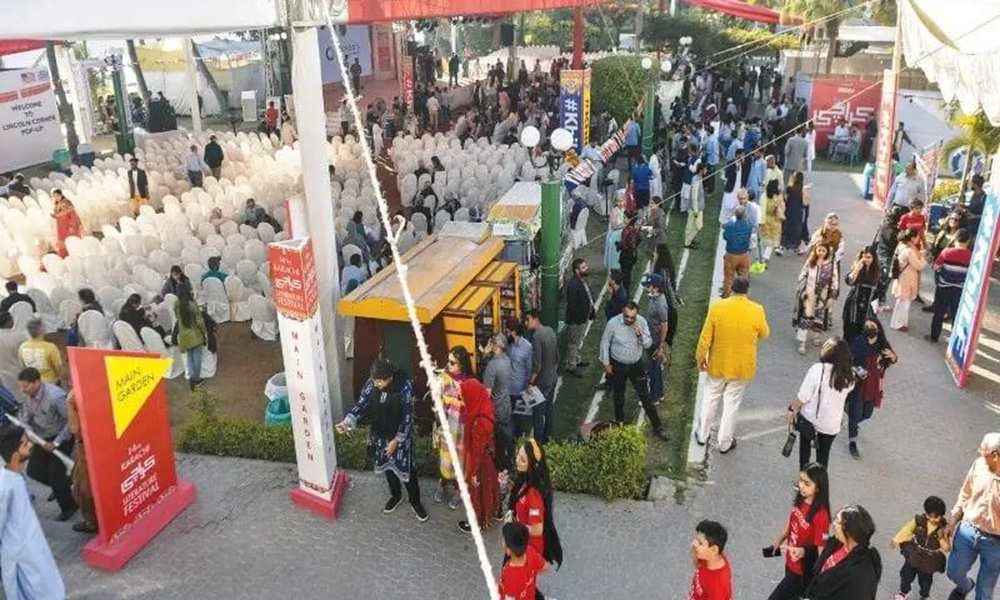
Literature festivals have grown from small gatherings into major public events.
Volunteer networks show a more serious side of young community life. During earlier flood relief efforts, groups led mostly by people in their twenties and thirties organised donations and aid through social media and friend networks while official responses were slow. The Pakistan Youth Alliance, founded in 2007 and reported to have about 18,000 members, ran street collections in major cities and raised around 2.5 million rupees in two weeks. Volunteers from different backgrounds, including Baloch, Sindhi and Pashtun, worked side by side, and organisers said this helped break down barriers. Several groups also used social media to show donors where their money went, which helped rebuild trust at a time when many people doubted official channels.
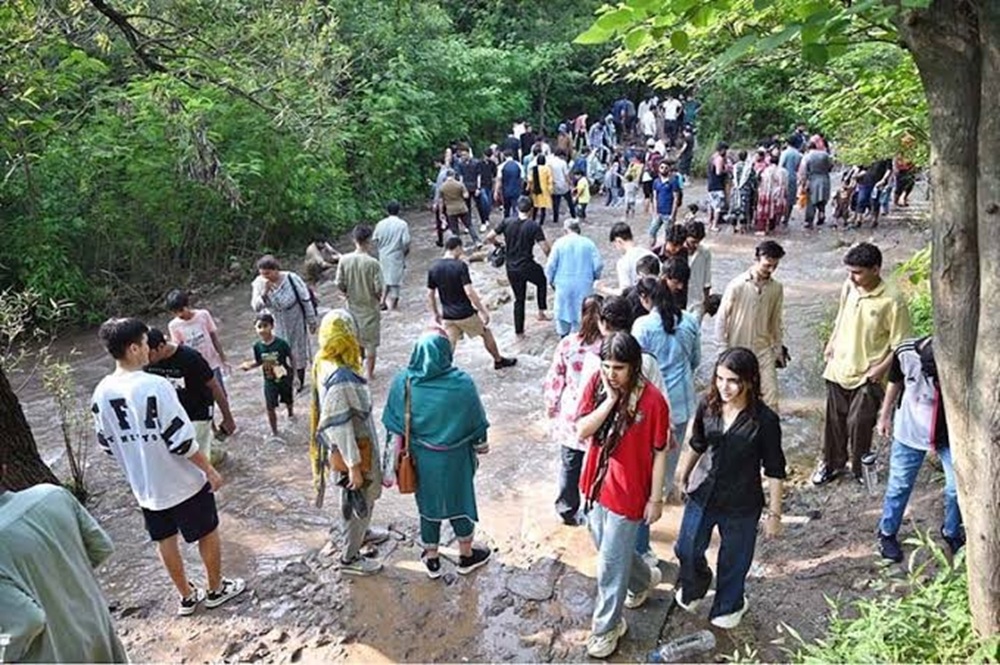
Weekend hikes and climbing clubs give young people a shared challenge.
That energy is now being formalised. In August 2026, the Pakistan Red Crescent Society launched the Red Million Movement in Islamabad, aiming to engage one million young people and volunteers in humanitarian work and to build a network of trained volunteers ready for emergencies. The launch ended with a simulation by a national disaster response team, covering first aid, relief distribution and mobile health services. Whether the target is reached will take time, but it shows that volunteering is being taken seriously as a way to organise young people.
Social life after dark has changed as well, particularly in Karachi, a city of nearly 19 million people where public places to meet can be scarce. Alcohol-free events, sometimes called sober raves, now take place in sports clubs, coffee shops, shared workspaces and art galleries. Organisers such as the platform 12xperience run public events with a strong focus on safety, while comedian Amtul Baweja hosts music nights for women only. University of Karachi sociologist Kausar Parveen says young people are reshaping social life within their religion rather than leaving it.
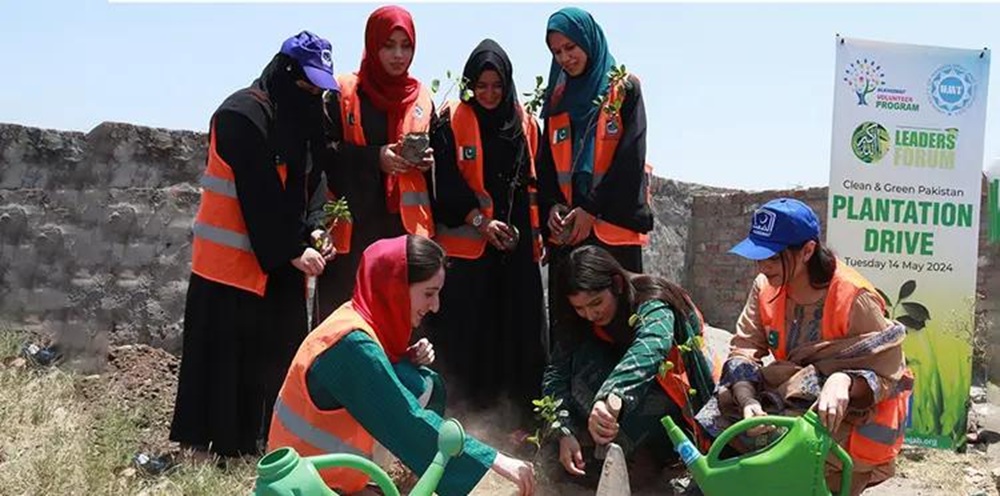
Young people are becoming a growing part of volunteer work.
These spaces have limits. Tickets for the sober events cost between 3,000 and 7,000 rupees, which is a lot when entry-level salaries sit around 30,000 to 40,000 rupees a month. Most of the examples here come from the biggest cities, which leaves young people in smaller towns with fewer options. Online groups fill some of that gap, but a screen cannot fully replace a shared meal or a long walk.
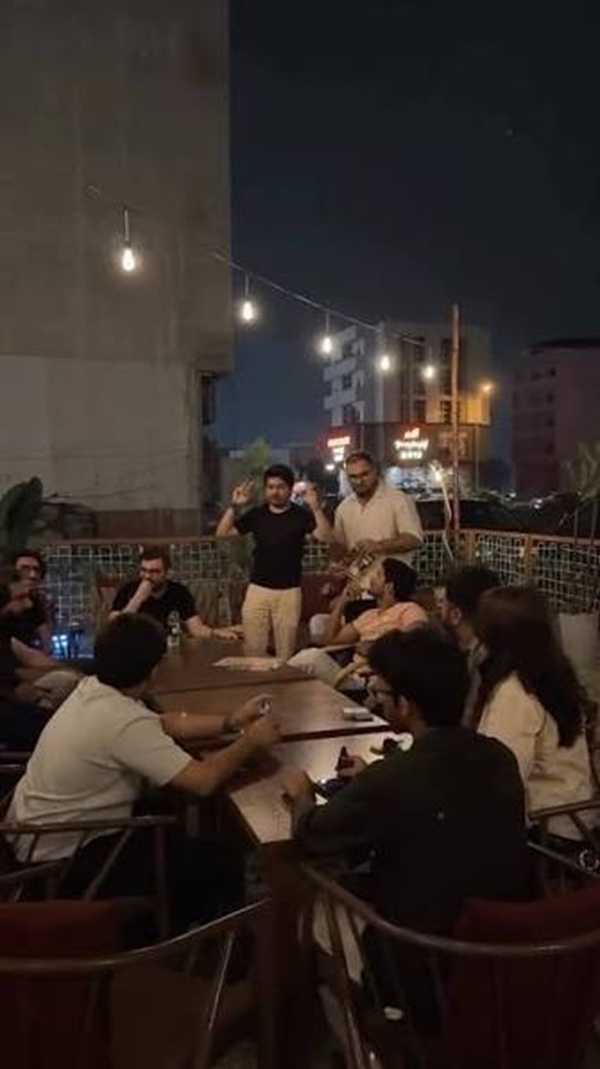
Cafes, galleries and shared workspaces have become new places to meet.
What connects all of this is a shift in how belonging works. Young Pakistanis are not abandoning family, faith or neighbourhood. They are adding more places to the map: a reading circle, a Saturday trail, a relief drive, a festival crowd, a gallery night. Each one is small on its own. Together they suggest a generation that, when it cannot find a place that fits, tends to build one and to invite others in.
You may also like: