Written by: Saad Naeem
Posted on: October 20, 2026 | 

An illustration of Digital CPEC: a corridor that began with highways and ports now adds fibre, cloud and 5G
Pakistan spent a decade pouring concrete under CPEC. The next phase runs on spectrum, servers and fibre, and the hard questions are different this time.
The old Silk Road made its money at the junctions. Whoever sat there stored the goods overnight and taxed them on the way through. The digital version works the same way: whoever hosts the data and owns the routes does well, and everyone else rents.
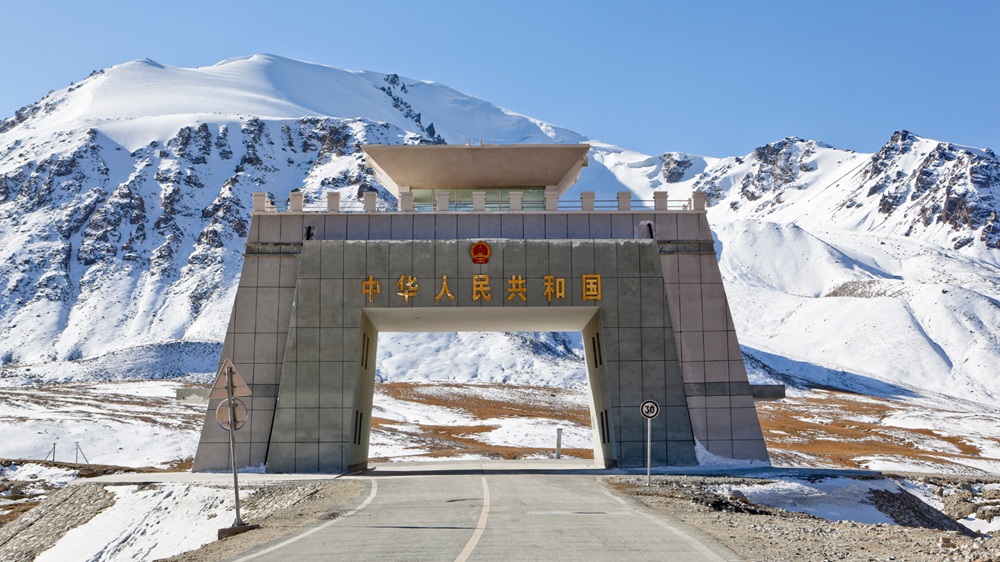
Khunjerab Pass, at 4,693 metres, the highest paved border crossing in the world, where the Pakistan-China fibre line meets the border
For most people, CPEC still means roads and power plants: a wider Karakoram Highway, a port at Gwadar, coal and wind on the grid. The corridor's first digital project was easy to miss. In July 2018, a fibre-optic cable went live between Rawalpindi and the Khunjerab Pass. It ran 820 kilometres and climbed to 4,700 metres, which made it the highest fibre line in the world. It cost about $44 million, with China's Exim Bank financing 85 percent, and it was the only ICT project on CPEC's early harvest list.

The Karakoram Highway runs about 1,300 km from Hasan Abdal in Punjab to the Khunjerab Pass
That cable is the ancestor of what officials now call Digital CPEC. In May 2026, during the prime minister's trip to Beijing, Pakistan and China signed a batch of agreements covering AI, cloud and 5G. IT Minister Shaza Fatima Khawaja said both sides were now focused on "implementation-driven partnerships," and officials described the deals as Digital CPEC in action. Alibaba Cloud agreed to help build a sovereign cloud and AI ecosystem, with training, certification, and hackathons attached.
Announcements are cheap, though. So, what actually exists?
Until this year, Pakistan ran its mobile networks on 274 MHz of spectrum for around 240 million people. The auction in March 2026 sold 480 MHz of the 597 MHz on offer, raised roughly $507 million, and took total mobile spectrum to 754 MHz. Jazz bought 190 MHz, Ufone 180 MHz, and Zong 110.
Launches followed within days. Jazz switched on about 180 sites across Islamabad, the provincial capitals and a few other cities. Zong announced service in more than 16 cities and promised over 1,000 5G sites this year. Ufone, busy absorbing Telenor, hadn't launched yet. Arab News pointed out at the time that most networks were still on 4G, and the government's own plan calls for only about 3,000 new sites a year.

A 5G site in a Pakistani city. Jazz launched about 180 sites in March 2026, and Zong promised more than 1,000 this year
I'd treat the launch ceremonies as a starting gun and nothing more. A hundred and eighty sites in a country this size is a demonstration. The number worth watching is how many sites exist at the end of 2026, and whether they reach anywhere outside the big-city commercial districts.
Cloud is where the sovereignty argument gets concrete. In July 2026, the prime minister opened Sky47 Karakoram One in Rawalpindi, billed as Pakistan's largest data centre and AI cloud, built to Tier III/IV standards. The pitch is simple: banks, telecom operators and government bodies can keep sensitive data inside the country. A second facility, run by the National Telecommunication Corporation in Karachi, entered procurement in late August. By February, six cloud providers had applied for accreditation under the government's Cloud First Policy.
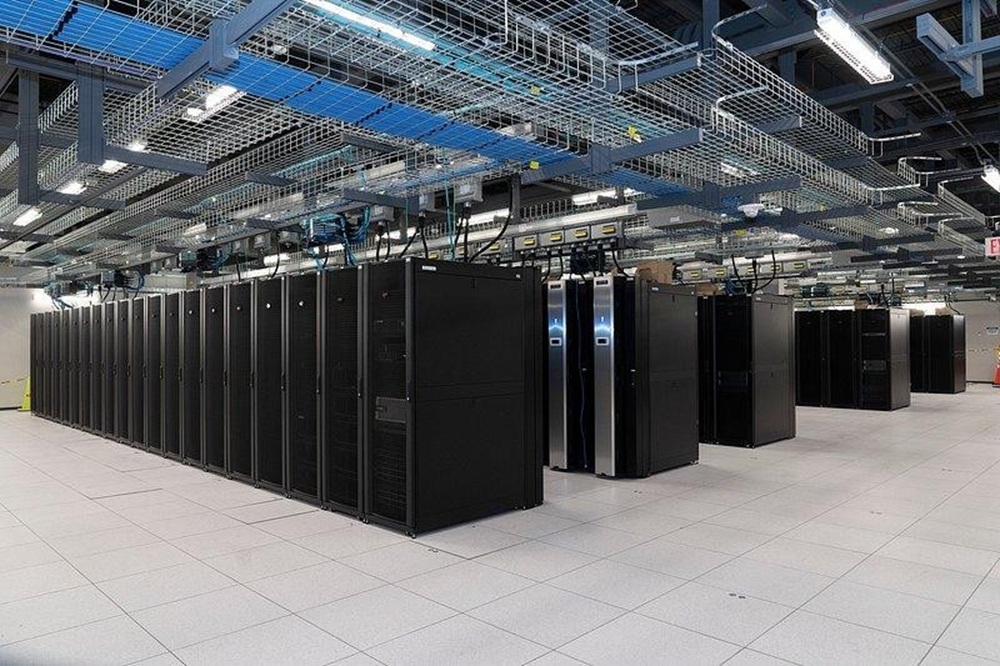
Sky47 Karakoram One in Rawalpindi, opened in July 2026 as Pakistan's largest data centre and AI cloud
The connections matter as much as the buildings. Africa-1, 2Africa and SEA-ME-WE 6 all landed in Pakistan within about a year of each other, and the old Khunjerab link is supposed to be extended down to Karachi and Gwadar. The state-run Special Communications Organization says that would give China and Central Asia the shortest land route to the Arabian Sea. At the ITU's development conference in Baku, Pakistan pitched itself as a regional data-transit hub on exactly that logic.
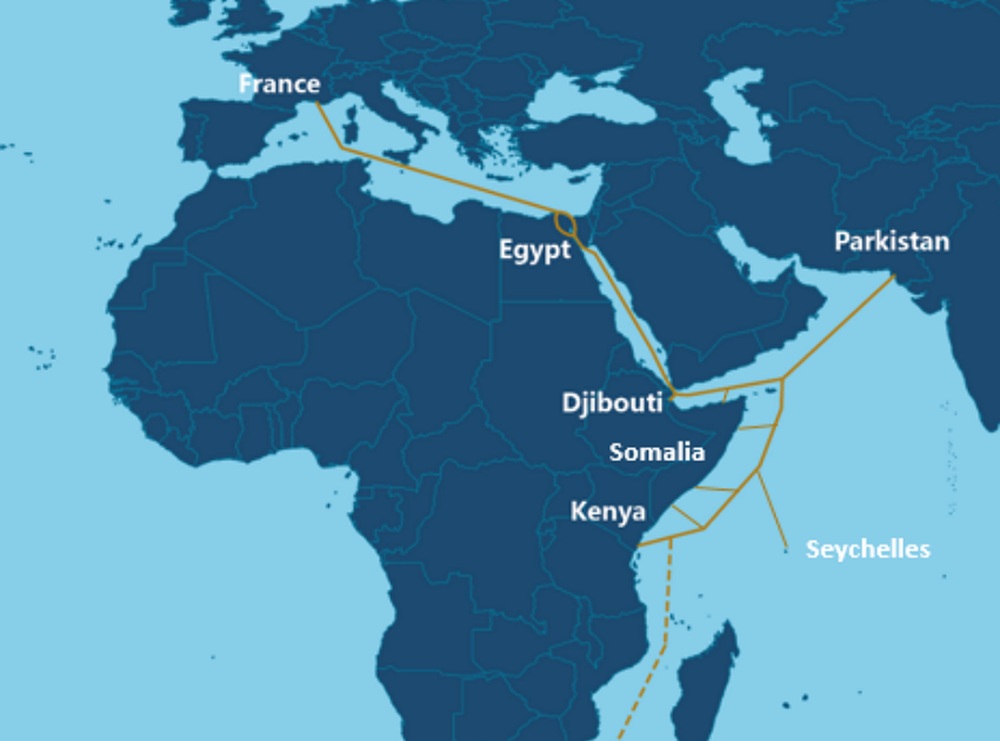
Route of the Africa-1 submarine cable, which links Pakistan to Egypt, Djibouti, Kenya and France and made landfall at PTCL's Sea View site in Karachi in February 2025
There is a catch the pitch skips over. The Wireless and Internet Service Providers Association has complained that a few dominant players control international bandwidth, which keeps prices high. New cables don't help much if the gateway stays a club.
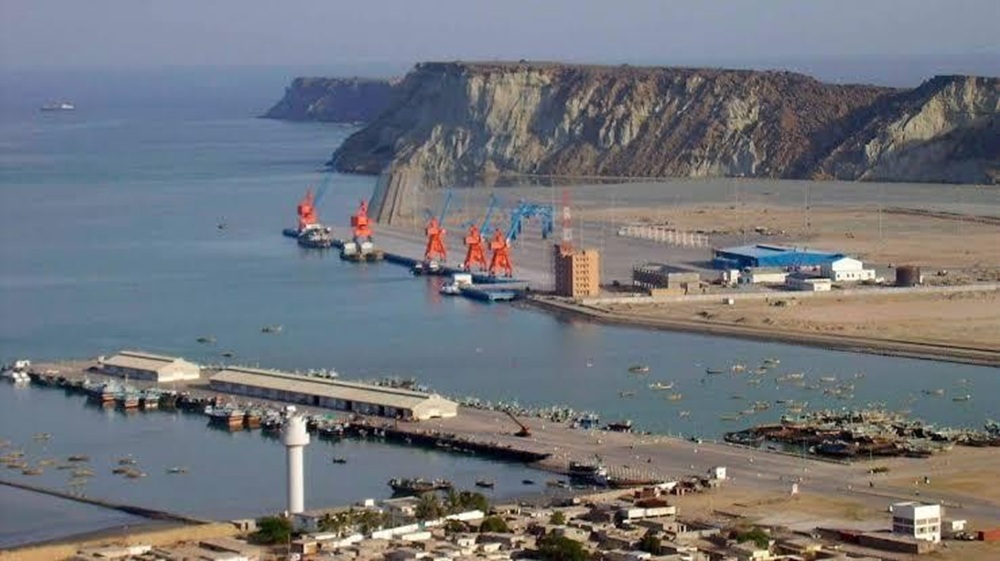
Gwadar Port on the Arabian Sea, the southern end of the CPEC route, formally operational since November 2016
The AI part is the shakiest
The National AI Policy approved in 2025 sets big targets: a million people trained, more than a thousand local AI applications, and 2,000 megawatts set aside for data centres. Compare that with the current workforce. Estimates put Pakistan's AI professionals at around 15,000 to 20,000. A million trained people would mean growing the pool fifty-fold or more, and teaching people to use AI tools is a very different job from producing people who can build the models.

An AI processor. Access to advanced accelerators is a bottleneck, because the best data-centre chips can require US export licences
Computing is the other bottleneck. A Dawn column in June pointed out that the best data-centre accelerators can require US export licences, so chip access turns into foreign policy. That sits awkwardly beside a Chinese cloud partnership. Pakistan will probably need both Chinese platforms and American silicon, and the two camps don't always want to share a rack.
Two things. The first is dependence. Asia Times has argued that Chinese AI and cloud packages arrive cheap and integrated, creating long-term path dependence and surveillance tooling that ends up inside the security apparatus. You can disagree with the tone and still accept the mechanism. It's hard to leave a stack once your data, your staff and your procurement rules have grown around it.
The second is plain and domestic. Pakistan is talking about training AI on local data without a comprehensive personal data protection law. That's backwards. A sovereign data centre protects data from foreign governments. It doesn't protect anyone from the operator, or from their own state.
Skip the next round of signing ceremonies. Four things will tell you whether Digital CPEC is real. How many 5G sites are live by December. Whether Karakoram One carries real production workloads from banks and ministries, or just a ribbon-cutting. Whether the Rawalpindi-to-Gwadar fibre gets finished. And whether a data protection law passes before the AI projects start collecting data in earnest.
If most of those come through, Pakistan has something worth calling a junction. If they don't, it has bought a lot of equipment and a lot of press releases, and the traffic will route around it.
You may also like:

From the Horn of Africa to Bahria Town: Habesha Café Brings Centuries of Coffee Culture to Rawalpindi
(October 15, 2026)