Written by: Muhammad Zaman Butt
Posted on: October 21, 2026 | 
Whatever the perspective of others may be, I do not truly care about it. What matters to me is what lies within my own heart - the questions that refuse to disappear, the thoughts that continue to knock against the walls of conscience, demanding to be heard. Perhaps this is where my uneasiness begins: somewhere along the way, it feels as though we have forgotten the rights and dignity that belong to every human being. They have not disappeared; perhaps we have simply become too numb to recognize them. This world belongs to all of us, and today, nearly 8.3 billion people inhabit it. Yet despite our immense numbers, the values of love, compassion, empathy, and responsibility often feel painfully distant from our lives. We are surrounded by one another, yet somehow increasingly disconnected from humanity itself. There may be countless explanations for how we arrived at this point, but who truly cares enough to stop and ask? Every person has different tastes, colours, beliefs, and ways of understanding the world, and such diversity is a natural part of being human. But there is one question that, to me, deserves far greater attention: what becomes of our religious devotion when we fail to honour the most fundamental bond between one human being and another? There are some questions that stay with us even when we stop asking them openly. They return when the distractions of everyday life become quiet, and we have to think about our own actions. Questions about conscience, human dignity, responsibility, justice, and the rights we owe to one another are not only philosophical questions.
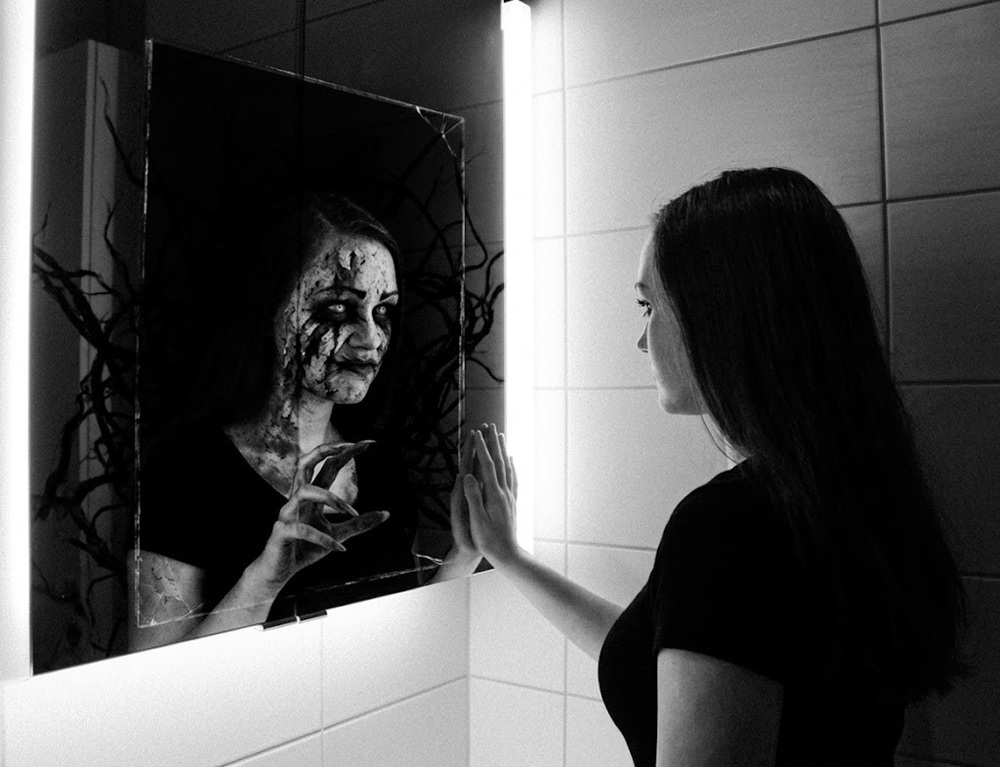
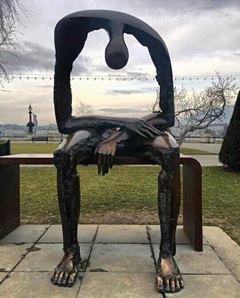
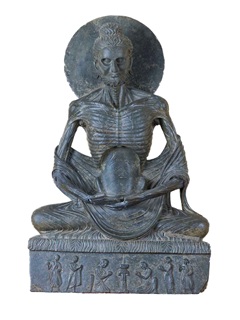
the contrast between a calm exterior and a dark, monstrous inner self revealed only in the black mirror
People perform Hajj and Umrah, visit sacred shrines and places, attend Milad gatherings and Majalis during Muharram, pray, fast, recite the Qur'an, give charity, and take part in many other forms of worship. These practices can have deep spiritual and communal value. The question, however, is what happens when religious practice exists alongside deliberate dishonesty, exploitation, injustice, manipulation, or disregard for another person's rights. Can religious appearance make up for dishonesty? Can a person believe that he has fulfilled his duties towards God while remaining careless about the rights of other people? These questions do not attack worship. They come from taking worship seriously. If religious practice is meant to influence the way a person lives, then we should ask whether that influence can be seen in everyday behaviour.
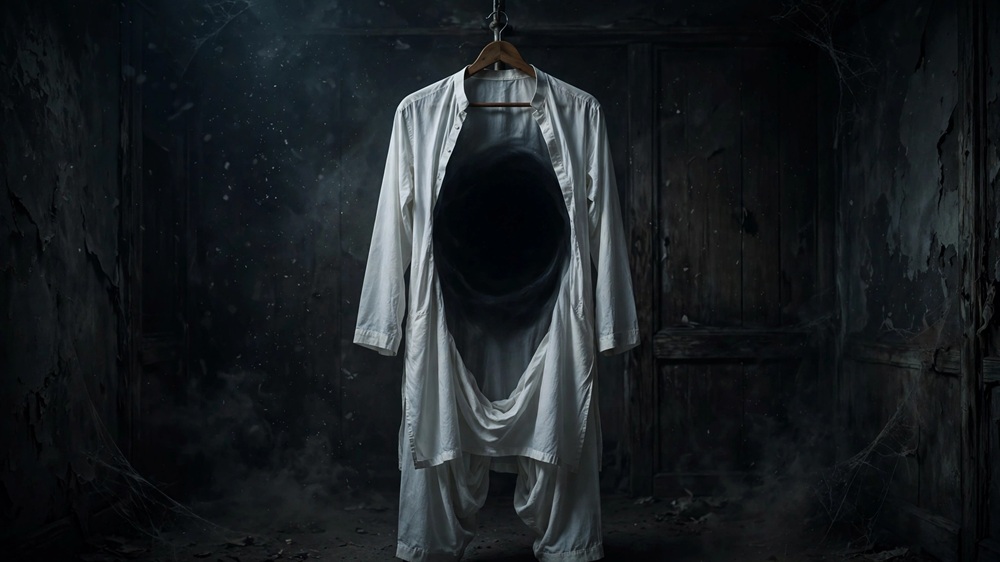
The deeper question is whether religious duties help a person become more honest, just, responsible, compassionate, humble, and respectful towards others. Religious identity and moral character are not automatically the same. A person may have religious knowledge, perform religious duties, and identify strongly with a faith without necessarily developing good character. Belief, worship, knowledge, and character may influence one another, but possessing one does not automatically guarantee the others. This brings us to the question of character. When someone’s words can affect another person’s rights, property, reputation, or an important decision, it is reasonable to ask for proof. Asking for proof does not mean calling someone a liar. It simply means that when something can seriously affect another person, we should take the matter seriously and act with care, fairness, and responsibility. This is where the idea of a "hollow person" becomes relevant. A hollow person is someone whose public image is much better than his actual behaviour. He may be educated, wealthy, respected, religiously knowledgeable, professionally successful, or a good speaker. However, if his actions show dishonesty, irresponsibility, or little concern for the rights of others, there is a gap between the image he presents and the person his behaviour reveals. He may speak about honesty while acting dishonestly, speak about responsibility while avoiding accountability, or speak about morality while ignoring the rights of others. The same problem can appear in professional life. A person may present himself as trustworthy, but refuse to put important claims in writing on an affidavit or record his statement before a judge. He may insist that others simply believe his oral words (lies) and become uncomfortable when asked for evidence.
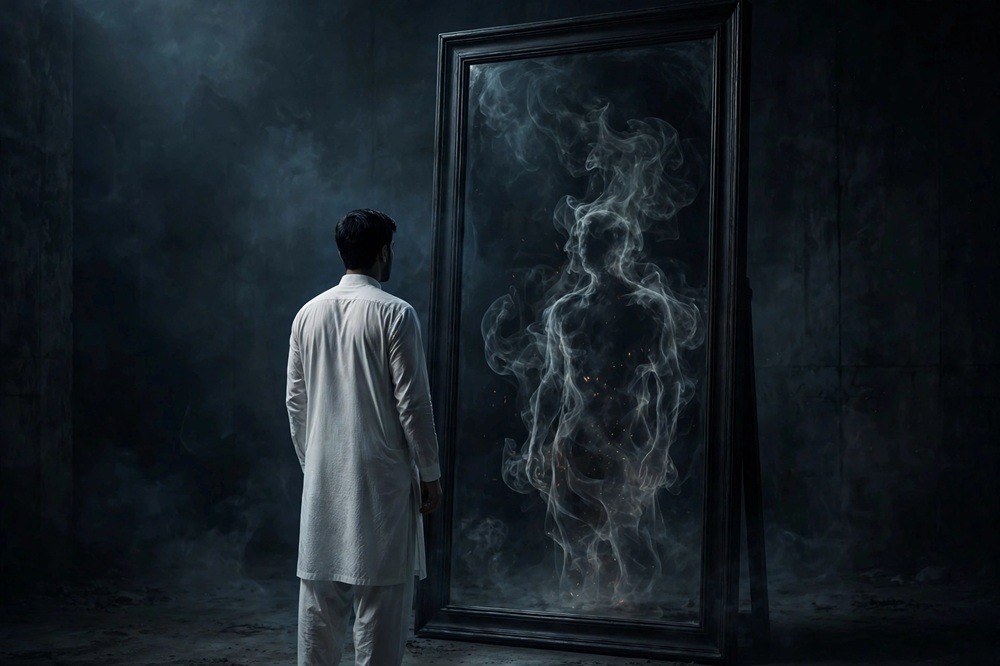
When the mirror turns black, what remains?
Knowing Surah Ali 'Imran (Chapter 3, Verse 61) of the Holy Quran, in which Allah Almighty says: “Invoke the curse of Allah upon the liars”. In such situations, confidence can easily be mistaken for credibility, but such credibility depends on more than confidence. It grows when a person's statements remain consistent, evidence is available, and he is willing to answer reasonable questions. This brings us back to character.
Ghalib's famous couplet captures the challenge in a particularly memorable way:
کعبے کس منہ سے جاؤ گے غالبؔ
شرم تم کو مگر نہیں آتی
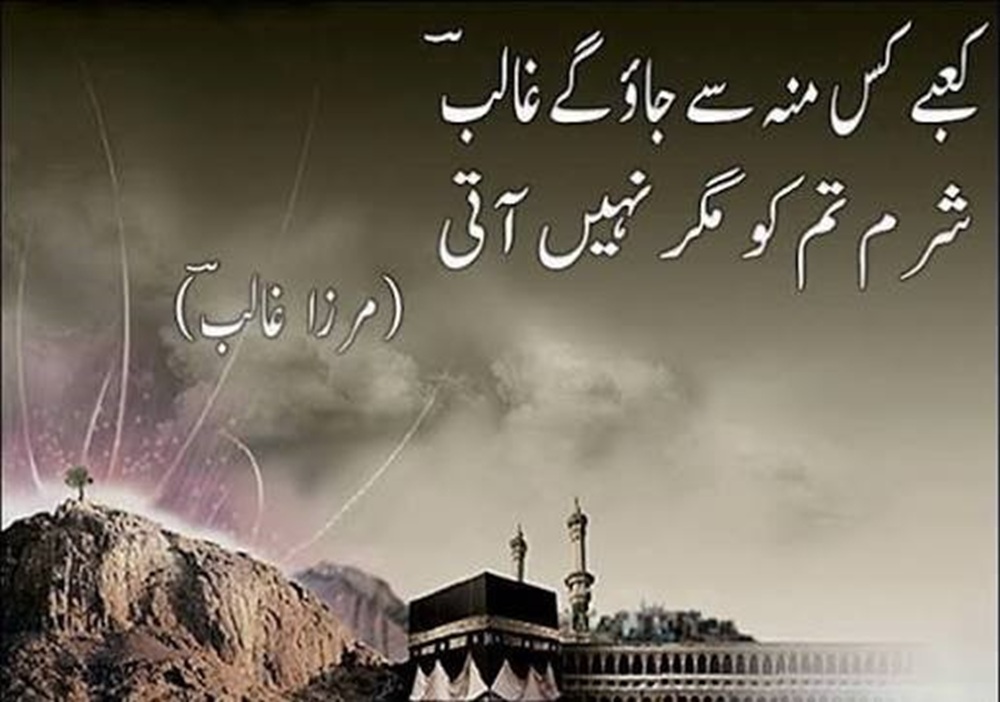
It is a self-mocking reflection on human hypocrisy, calling out the audacity of seeking divine forgiveness while unrepentantly continuing to sin.
Its sole purpose is to make a person think about the connection between religious appearance and actual behaviour. The black mirror represents the moment when a person faces the difference between the image he presents and the person he really is. An ordinary mirror shows us how we look from the outside. The black mirror asks us to look deeper, beyond religious identity, social respect, professional position, reputation, and the image we have created for others. A person may spend years believing that he is honest, responsible, religious, or morally serious because this is how he sees himself and how others see him. But when he honestly examines his actions, he may discover that his behaviour does not always match the person he believes himself to be. This is why the black mirror represents self-examination. It asks a person to move beyond his public image and face the reality of his own conduct. A person who has never seriously examined himself may be surprised by what he sees. Therefore, the black mirror raises a challenging question: can a person's acts of worship or religious traditions somehow outweigh the injustice, exploitation, dishonesty, or pain he has brought to other people?
You may also like: