Written by: Hurmat Majid
Posted on: November 10, 2026 | 

Poster of Mitti De Baway
Some stories are written, others are developed, and a rare few demand an entire world to be built around them. Green Entertainment’s Mitti De Baway, written by Faiza Iftikhar, directed by Syed Wajahat Hussain and produced by Tehreem Chaudhary, is one such undertaking: a sweeping, deeply layered saga of love, class, power, revenge and human frailty, unfolding across generations, intersecting lives and an expansive social landscape. Brought to life through an extraordinary ensemble and a production that matches the scale of its storytelling, the drama reveals the complexities of its characters gradually, often uncomfortably, refusing the conventions of a television narrative in favor of something far more ambitious. At just twelve episodes, it is already difficult to regard it as anything less than a defining work in Faiza Iftikhar’s writing career, and quite possibly her magnum opus.
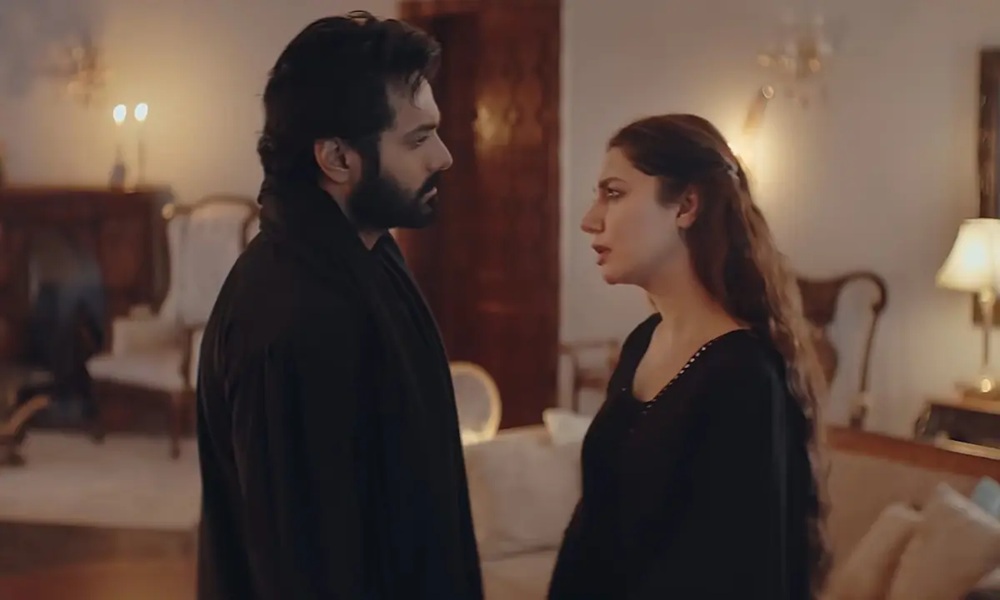
Baala Sarkar vs Bari Sarkar (Wahaj Ali and Mahira Khan)
The journey to the screen has been almost as remarkable as the story itself. The project was reportedly with Green Entertainment from the channel’s launch in July 2023, passing through several stages of development before finally moving into production. That kind of gestation is significant, particularly in an industry where television dramas are often conceived, commissioned, and produced within considerably tighter timelines. While the precise number of years Faiza Iftikhar spent writing and developing the story has not been publicly established, the scale of the finished work suggests a narrative that has been allowed to grow well beyond the confines of a conventional serial.
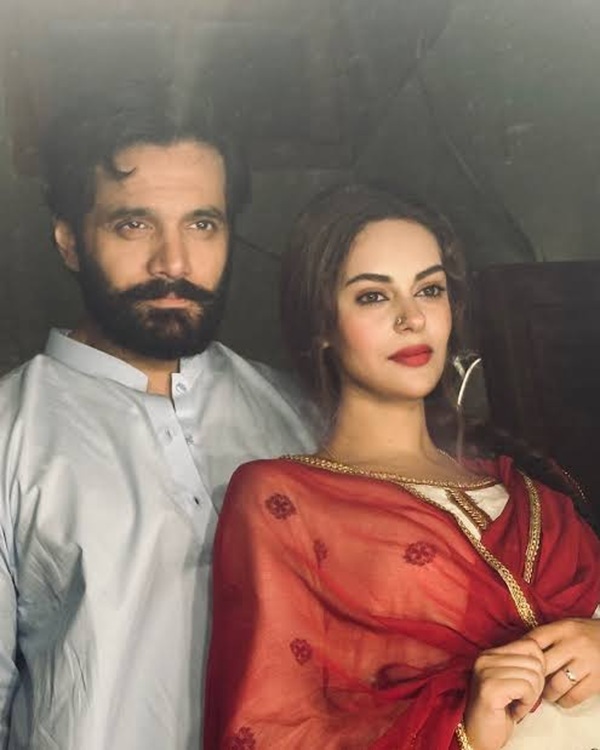
Zareena and Iqbal Channan, played by Amar Khan and Wahaj Ali
That ambition is visible in the production. Mitti De Baway does not rely on a handful of familiar locations or a narrow domestic setting; it constructs an entire social world, with its own hierarchies, customs, loyalties, rivalries and inherited prejudices. The setting of three separate timelines, costumes, music, production design and large ensemble work together to establish a world that feels inhabited rather than merely recreated. Its scale is not spectacle for spectacle’s sake: it gives the story room to move between households, communities and generations, and makes the social structures governing its characters an active part of the drama.
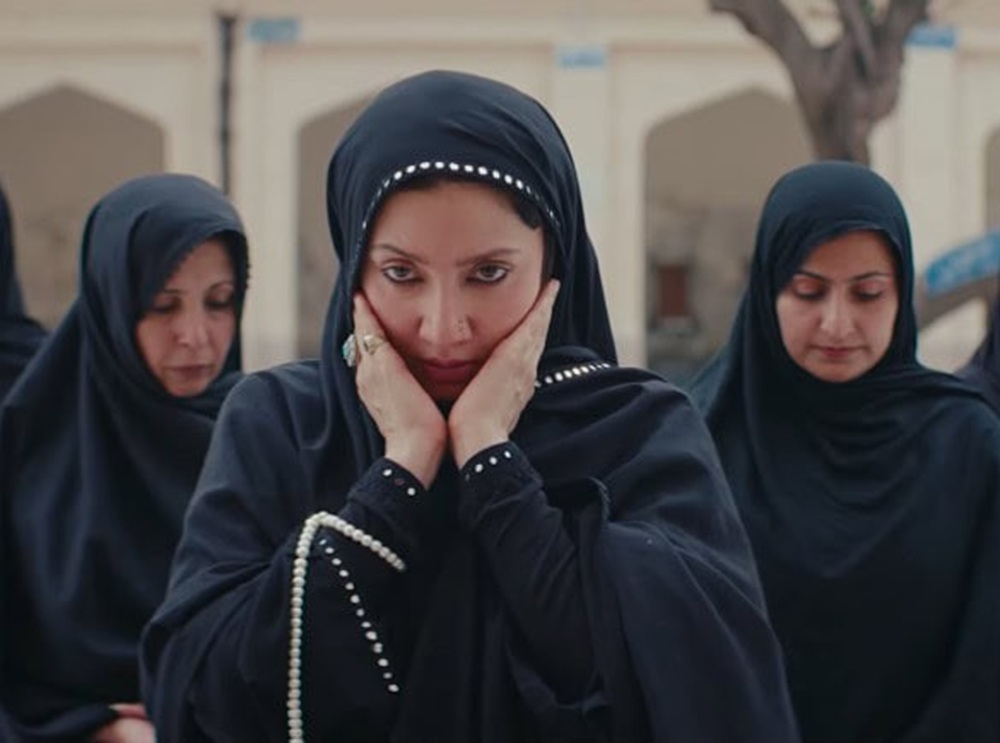
Contrary to all expectations Mahira has taken on the role of Bari Sarkar extremely well
At the center of this world are Billo and Baala, played by Mahira Khan and Wahaj Ali, with Aena Khan and Fazal Hussain portraying their younger selves. Their story is not a straightforward romance interrupted by circumstance; it is a study of how wounded pride, class consciousness, secrecy, and the need for social acceptance can distort love into something destructive. The younger versions establish the emotional history, while the older characters reveal the cost of those early choices.
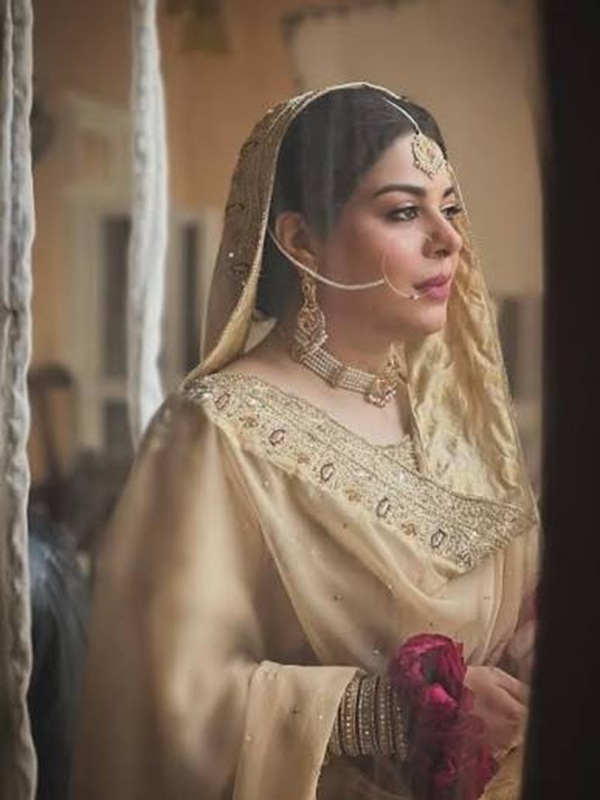
Uzma Hassan as Kausar
Billo is perhaps the drama’s most unsettling creation because she refuses to fit neatly into the roles of victim or villain. Having built an entire life around concealing her past, she is terrified when Baala, the man she once rejected on grounds of class, re-enters her world with a respectable identity of his own. What follows is a ruthless battle of exposure and retaliation, as both weaponise the very social prejudices they once sought to escape, setting off a chain of betrayals and tragedy. Yet Billo’s greatest transformation is still to come: by Episode 12, the woman who once feared being cast out has acquired the spiritual and material authority to command an entire world.
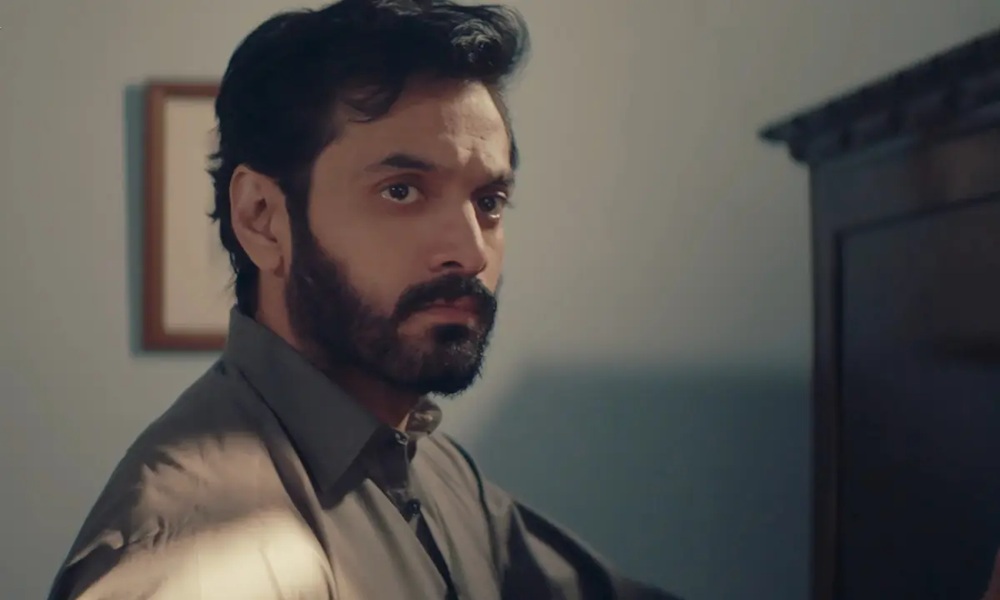
Wahaj Ali as Baala Gujrati
Baala’s journey is a tragic counterpoint: born into a hereditary Miraasi family of musicians, he reinvents himself as a respectable cloth merchant, hoping to leave the stigma of his lineage behind. Years later, his love for Billo is still genuine, and his initial willingness to protect her secret makes her eventual betrayal all the more devastating. As his carefully constructed identity unravels and personal loss gives way to violence, Baala becomes increasingly vulnerable to Phajja’s manipulation; meanwhile, his marriage to Zareena grows emotionally distant, and his relationship with Qamar-un-Nisa opens another chapter in a life increasingly shaped by grief, fractured loyalties and the search for belonging.
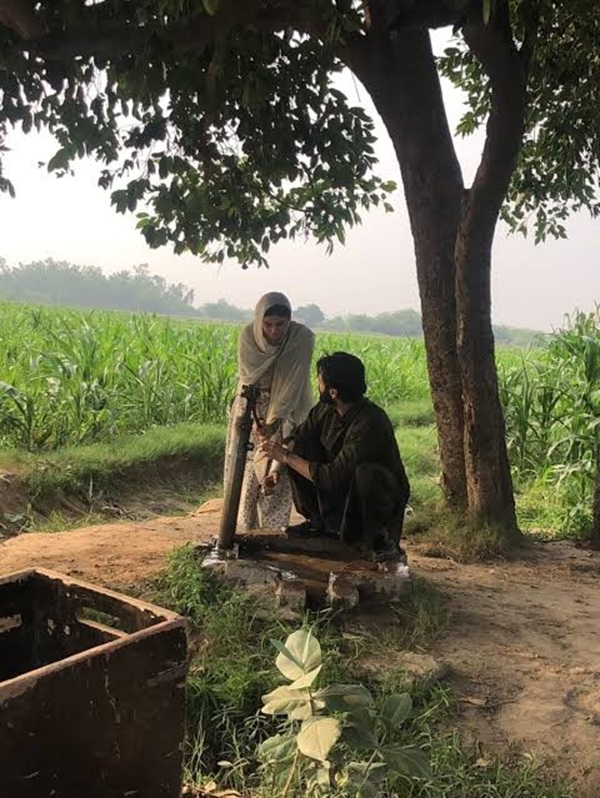
Hina Afridi as Qamar-un-Nisa
The supporting characters are not simply instruments to move the central plot forward; they reveal the different ways power and social respectability operate. Amar Khan’s Zareena has her own emotional and artistic journey, particularly through singing, and her growing distance from Baala gives their marriage a quiet tragedy of its own. Hina Afridi’s Qamar-un-Nisa enters Baala’s life with a different history and emotional register. At the same time, Sohail Ahmed’s Phajja embodies the predatory side of patronage, offering protection and assistance that gradually become instruments of dependence. Samia Mumtaz’s Mai Phathan is particularly important: a woman cast out for facilitating Billo’s meetings with her lovers, she returns carrying the knowledge capable of dismantling the identity Billo has spent years constructing. Junaid Khan’s Nazeer Shah, meanwhile, represents the violence of a social order that insists on honour while repeatedly producing its own catastrophes.
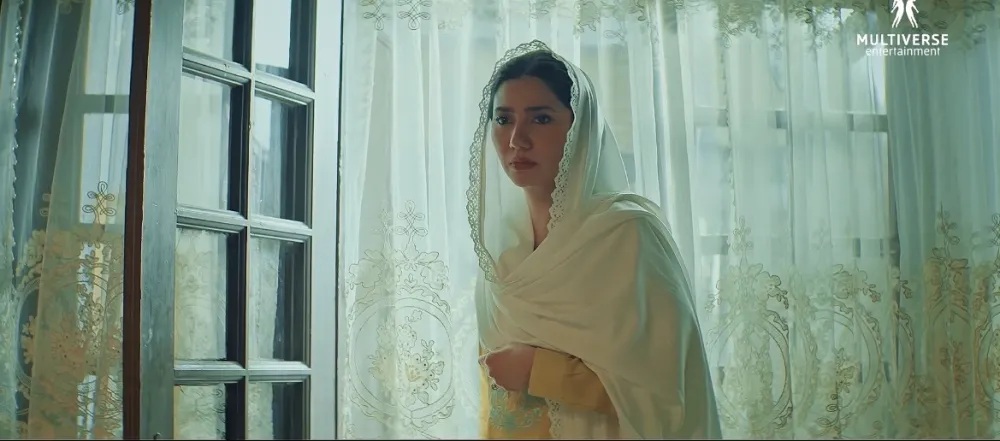
Mahira Khan as Billo
Even the younger generation and the surrounding family relationships have consequences that extend beyond their immediate scenes. Kausar, Aslam (Achhi), Joji and Nosheen are part of a network of relationships in which marriage is never merely personal; it is a negotiation of status, lineage and legitimacy. The tragedy of Achhi and Nosheen is not simply that two people are killed, but that their attempt to cross a social boundary becomes the catalyst for a chain of violence that destroys several lives. Zehra’s challenge to Billo’s claim over Peer Sarkar’s spiritual seat further demonstrates how the drama’s conflicts continue to evolve even after its central characters appear to have secured power.
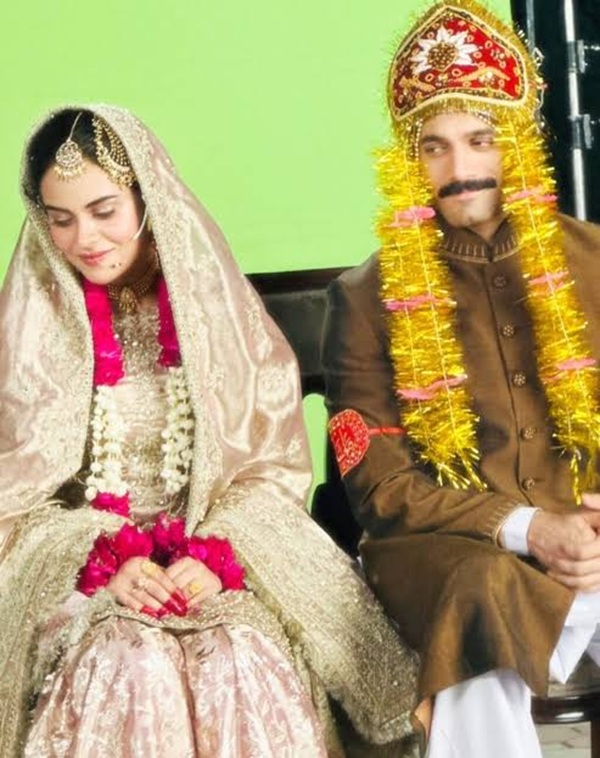
Wedding photo of Iqbal and Zareena
The music is another essential part of the series’ identity. The title itself evokes figures shaped from earth, while its poetic sensibility recalls the emotional world of Shiv Kumar Batalvi. The theme song, Paar Channah De, featuring Arif Lohar and Saleema Khawaja, with composition by Sahir Ali Bagga, reinforces the drama’s rootedness in a cultural and musical landscape that is integral to its storytelling. Music here is not merely an ornamental addition; it belongs to the world the characters inhabit, particularly one in which hereditary musicianship, social stigma and artistic inheritance are central to the narrative.
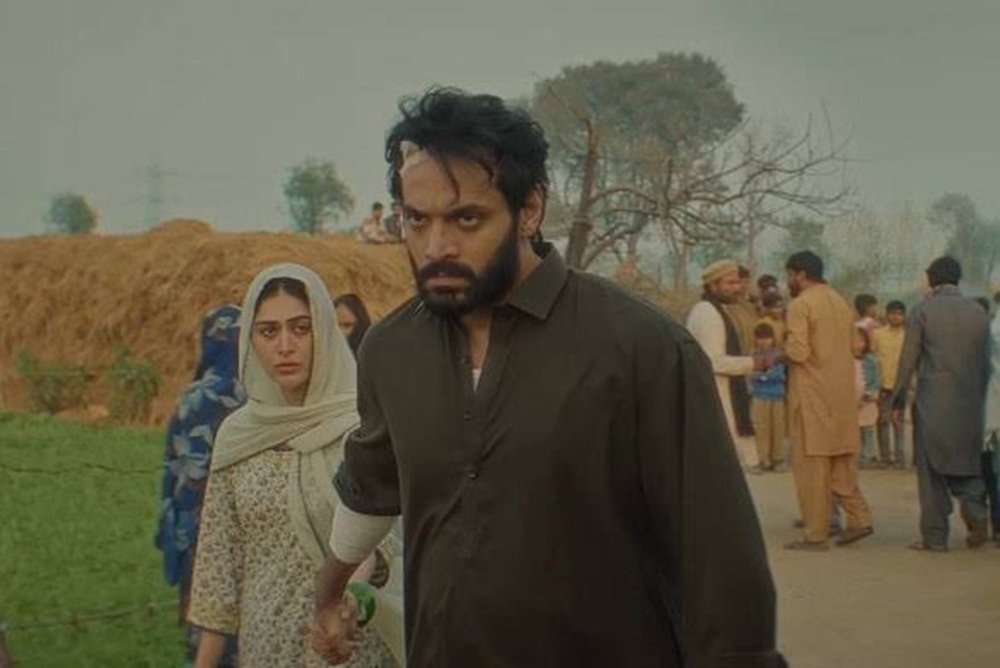
Hina Afridi and Wahaj Ali
By Episode 12, Mitti De Baway has already travelled through love, betrayal, murder, exile, reinvention and the acquisition of spiritual authority. Yet what makes it particularly engaging is that its characters do not become simpler as their circumstances become more extreme. Billo’s ascent does not erase the fear and insecurity that shaped her; Baala’s descent does not entirely extinguish the tenderness that once defined him. Their choices are often indefensible, but the writing allows us to understand the histories, wounds, and ambitions behind them without asking us to excuse the consequences.
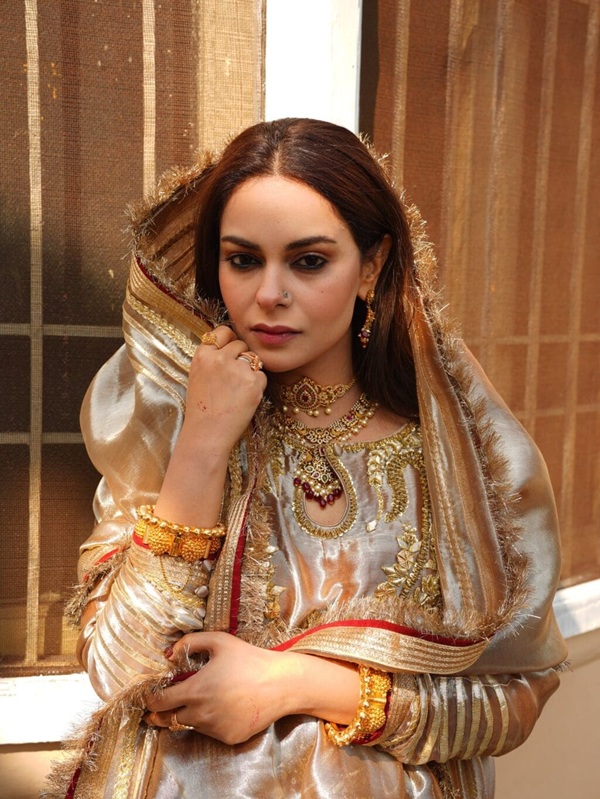
Amar Khan as Zareena
There is still much of the story left to unfold, and its ultimate achievement will depend on whether it can sustain the complexity it has established. But twelve episodes in, Mitti De Baway has made a persuasive case for a kind of television storytelling that trusts its audience with difficult characters, an expansive narrative and the time required to let both breathe. It is an unusually ambitious production, but its greatest achievement so far lies in the world Faiza Iftikhar has written: one in which people are shaped by the soil they come from, spend their lives trying to escape it, and often discover that the past has a way of following them home.
You may also like: