Written by: Misbah Shah
Posted on: October 01, 2026 | 
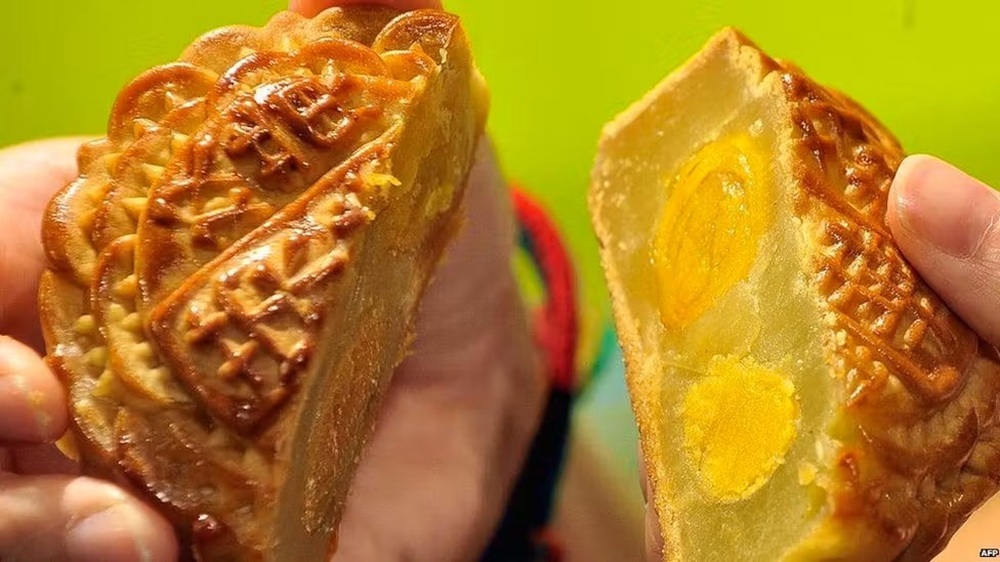
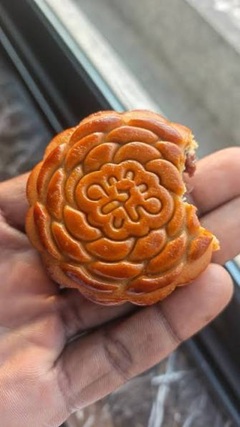
Golden yolk, like a small moon.
Walk into any Chinese supermarket, hotel lobby, or office reception this week, and you will see the same thing. Glossy boxes stacked in towers, ribbons tied tight, round pastries lined up inside like small moons. Nobody here treats them as dessert. A mooncake is a message, and the message is simple: you are on my mind.
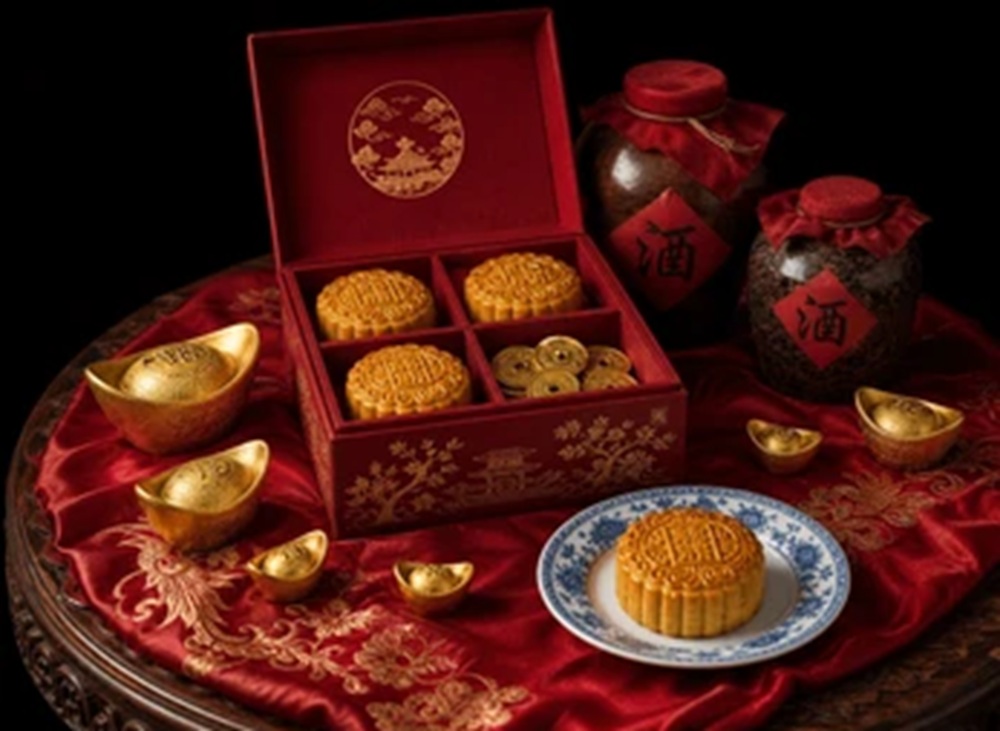
Boxes like this one fill shop windows and office desks every autumn
Mid-Autumn Festival falls on the fifteenth day of the eighth lunar month, when the moon is at its roundest and brightest. This year, that was 25 September. The festival has passed, but the mooncakes have not gone anywhere. Boxes bought for the holiday keep travelling. Companies hand them to staff, students bring them to teachers, grandchildren carry them home to grandparents. Half the boxes in circulation were never meant for the person who bought them, which is exactly the point.
Chinese people have been honouring the autumn moon for over a thousand years, and the pastry we know as the mooncake grew into the festival's centrepiece over many dynasties. One popular legend says rebels in the Yuan era hid secret messages inside mooncakes to coordinate an uprising. Historians treat that story carefully, but people keep telling it, and that says something about how much weight this small cake carries.
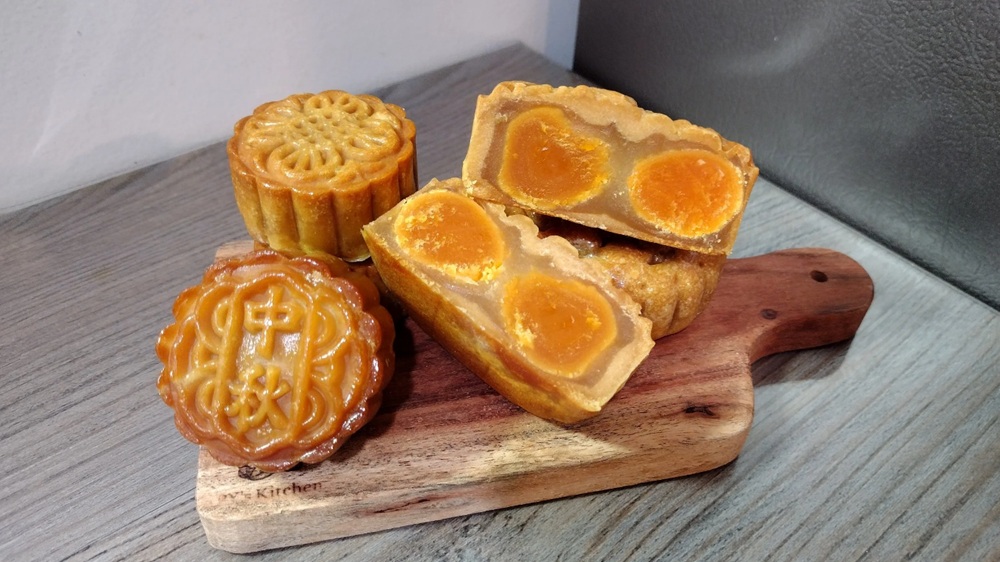
Cut one open and the salted egg yolk shows up like a tiny moon in the middle of sweet lotus paste
The shape does the real talking. Round means whole, and whole means family together. The word for reunion, tuanyuan, is built on that same idea of roundness. Inside, you might find lotus seed paste with a salted egg yolk standing in for the moon, sweet red bean, mixed nuts, or a flaky Suzhou crust filled with pork. Newer shops sell ice skin versions and even durian. The Song dynasty poet Su Shi wrote a famous wish that people separated by great distance can still share one moon. Every September, a few hundred million people quietly act that line out.
Here is where timing gets interesting. National Day on 1 October marks the founding of the People's Republic in 1949, and it opens the seven-day Golden Week break that runs through 7 October. In 2025, the two celebrations collided, and people enjoyed one long eight-day holiday. This year they sit about a week apart, with Mid-Autumn arriving first and Golden Week following close behind.
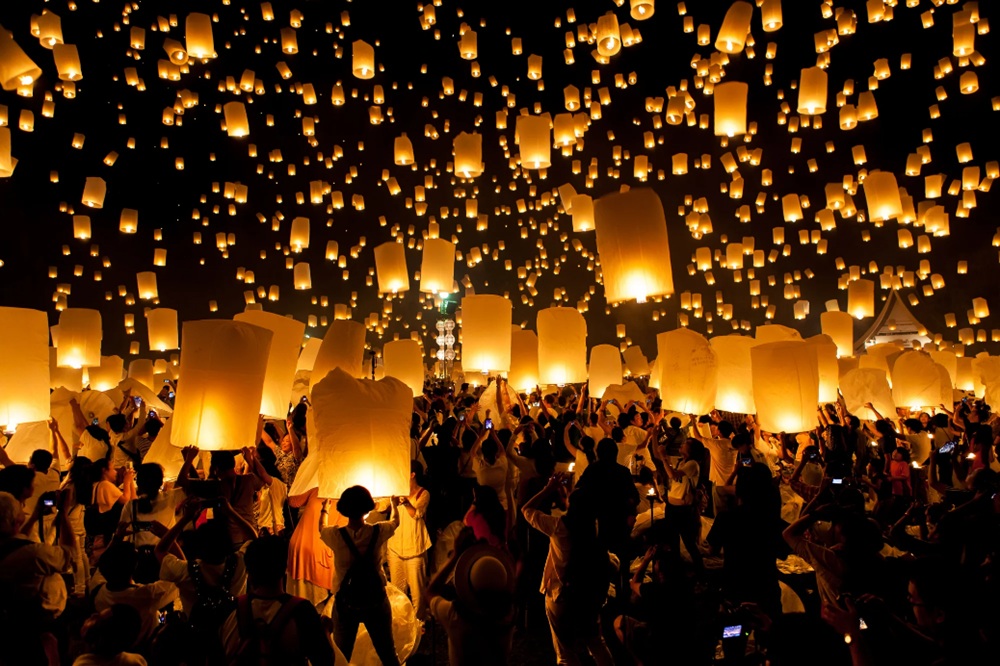
lanterns under a full moon
The effect is that the whole country stays in a festive mood for almost two weeks. Mooncakes bought for the moon get packed into suitcases for the trains, shared in hometown kitchens, and handed out at tourist sites to strangers on benches. The family reunion theme of the first holiday spills straight into the travel season of the second. Stations fill up, highways crawl, and somewhere in the middle of all that movement, someone is peeling the plastic off a lotus paste mooncake for their mother.
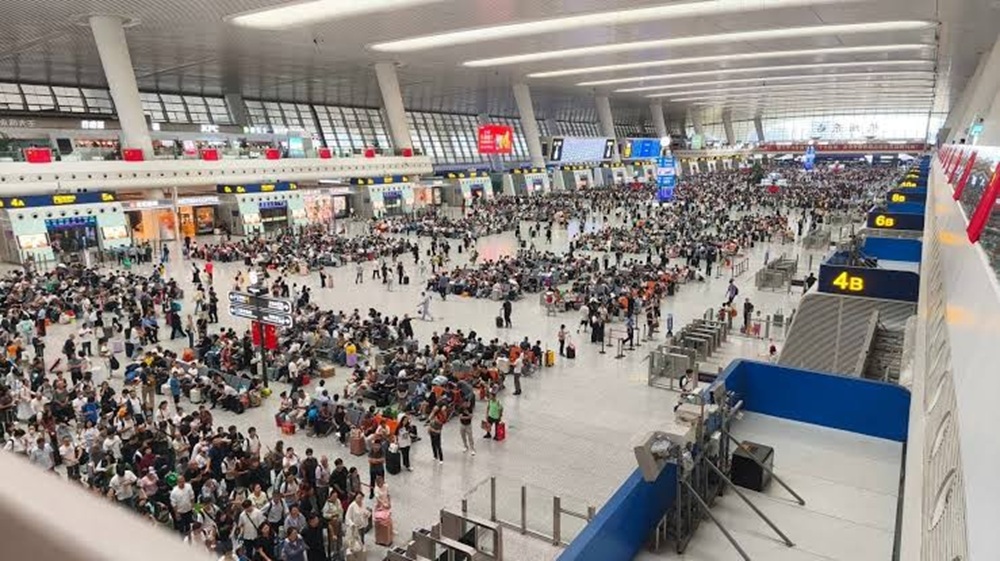
Railway station during Golden Week
Now think about the Pakistani student or engineer who has just landed in China. The first mooncake rarely comes from a shop. It comes from a roommate, a teacher, a neighbour, or the international office at the university that organises a small evening for students from far away.
The first bite is usually a surprise. It is dense, not syrupy like gulab jamun, and the salted yolk in the middle catches almost everyone off guard. Some people love it immediately. Some politely finish half and save the rest for later. But most remember who handed it to them.
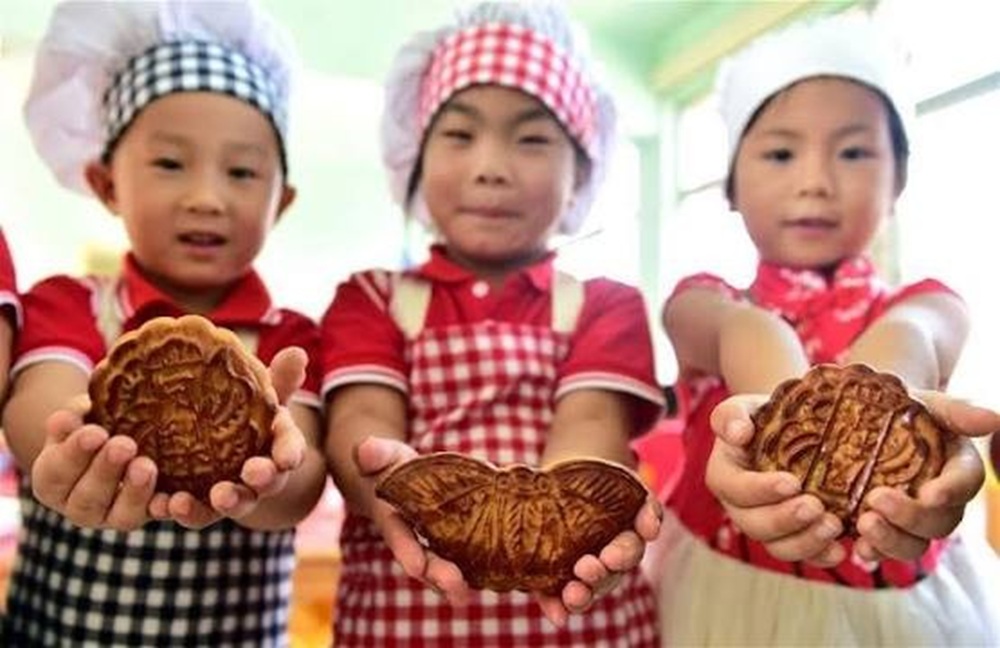
Students sharing mooncakes
That memory sticks because Pakistanis already understand the language. We know what a box of mithai means. It arrives at Eid, at weddings, when a result comes out well, when someone returns from a long journey. Sweets in our culture are never about sugar. They are how we say congratulations, welcome, and I am glad you are here. A mooncake offered to a stranger far from Lahore, Karachi or Peshawar speaks that exact language, just with a different pastry.
There is also the moon itself. Many Pakistanis in China spend Eid away from home, and many spend Mid-Autumn learning that someone else's family holiday has made room for them. Looking up at that bright round moon while a phone call connects you to home is a strange and tender experience. It is the same moon over both countries. Su Shi would have understood.
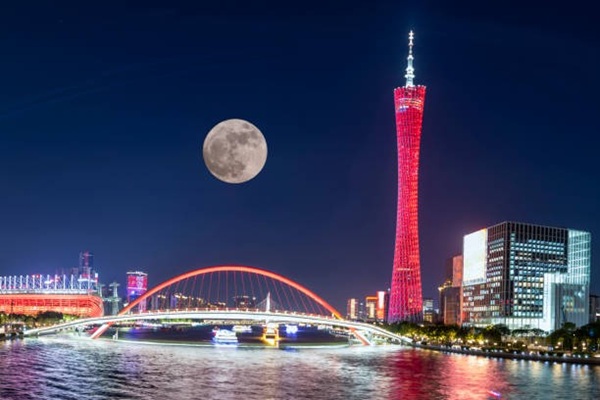
Full moon over a city skyline
So, when this week's boxes finally empty out and Golden Week crowds thin, the mooncake leaves something behind that is hard to measure. It teaches the visitor how to read the country, and it reminds the host that a shared sweet can start a friendship faster than any speech.
That is why nobody forgets their first one.
You may also like: