Written by: Haroon Shuaib
Posted on: June 30, 2026 | 
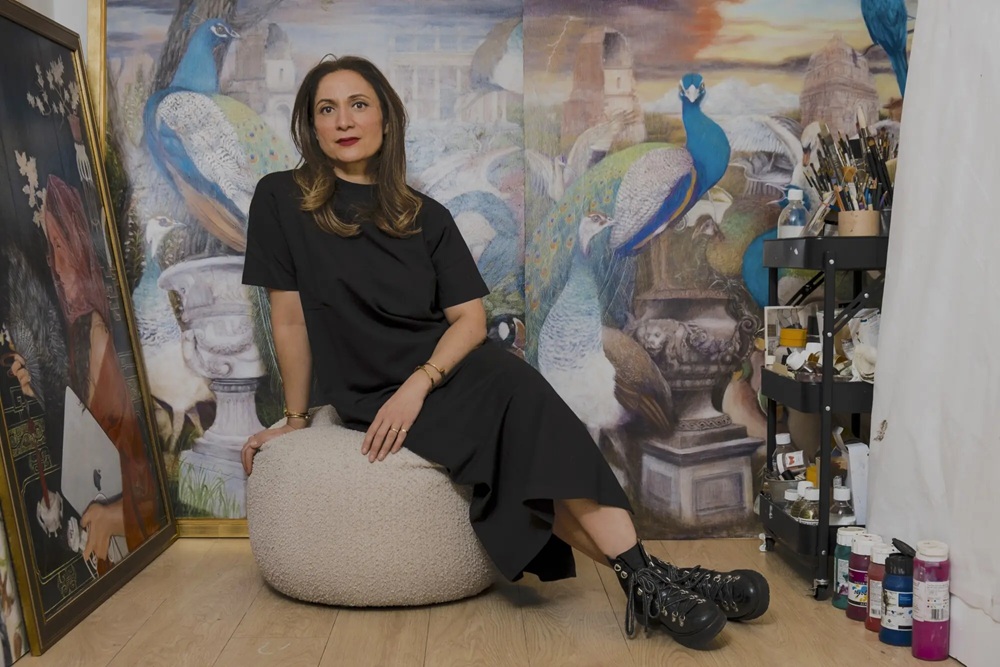
Faiza Butt is representing Pakistan at the 61st Venice Biennale
Art possesses a rare power in unifying people: it functions as a universal dialect that sidesteps geopolitical frictions, bypassing intellectual defenses to speak directly to shared human experiences. When political and divisive discourses stall, creative expressions provide the subtle vocabulary needed to bridge deep divides.
Often described as the Olympics of the art world, the Venice Biennale, La Biennale di Venezia, stands as the world’s most prestigious and longest-running international contemporary art exhibition. Established in 1895, it transforms the historic canal city into a vibrant global stage where dozens of countries showcase groundbreaking visual art within dedicated national pavilions. The 61st Venice Biennale, running from May 9 to November 22, 2026, marks another significant chapter in the history of the world's premier art exhibition. Curated under the visionary concept In Minor Keys by the late Koyo Kouoh, who finalized the framework before her passing, the central exhibition shifts away from grand, encyclopedic gestures to elevate the quiet undercurrents, micro-narratives, and sensory emotional experiences that shape daily life. Bringing together 111 artists and collectives alongside 99 national pavilions, the 2026 edition has become a critical cultural flashpoint.
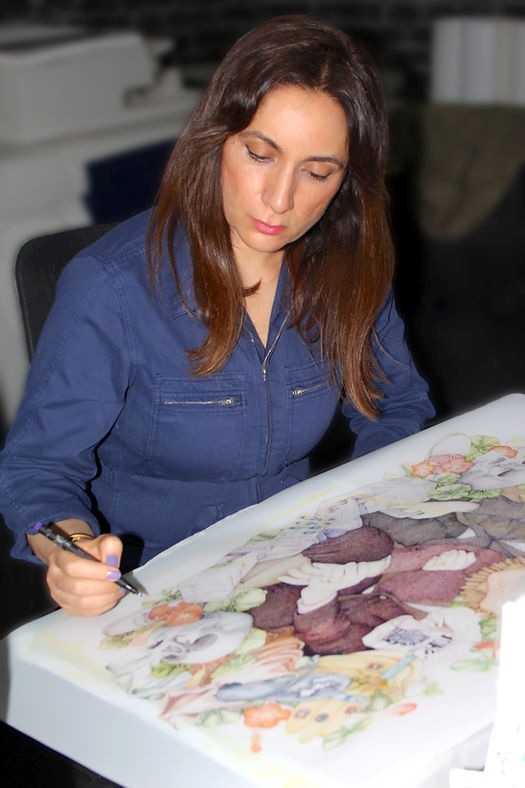
Faiza Butt
The official inauguration of the Pakistan Pavilion at the 61st Venice Biennale on May 9, 2026, marked a triumphant and highly anticipated return to the world's premier art stage. Staged within the characterful, historic confines of the Ex Farmacia Solveni on the Fondamenta Priuli, a charming, quiet canal-side walkway, located in the Dorsoduro sestiere of Venice, the pavilion is titled Punj•AB – A Sublime Terrain. Curated by Beatriz Cifuentes Feliciano, it features artworks by the acclaimed Lahore-based artist Faiza Butt, who considers Punjab as a “space shaped by memory and passage, where histories of division continue to inform cultural narratives.” By weaving the painstaking Indo-Persian Par Dokht (or Pardakht) miniature technique with contemporary digital art, sculpture, and textile crafts made in collaboration with indigenous women artisans, the pavilion reclaims the pluralistic history, memory, and continuous cultural cross-pollination of the Indus Valley and Punjab region.
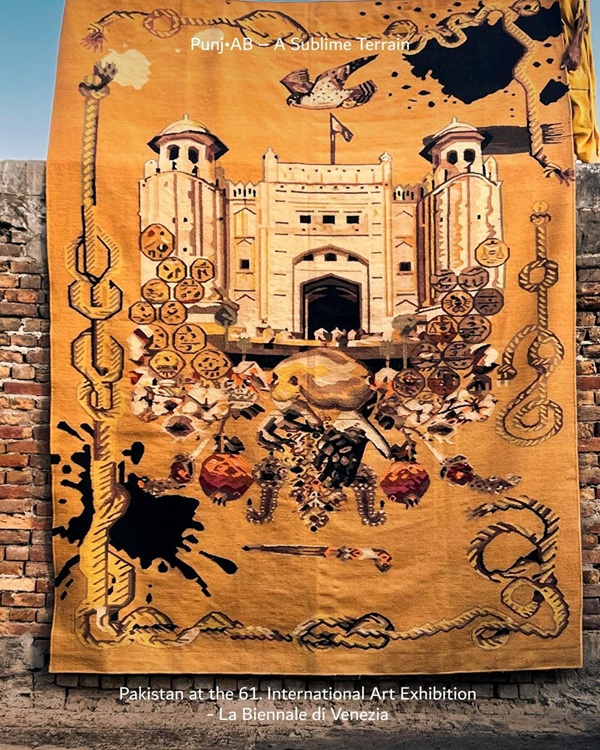
“Punj•AB – A Sublime Terrain presented at the Pakistan Pavilion 01
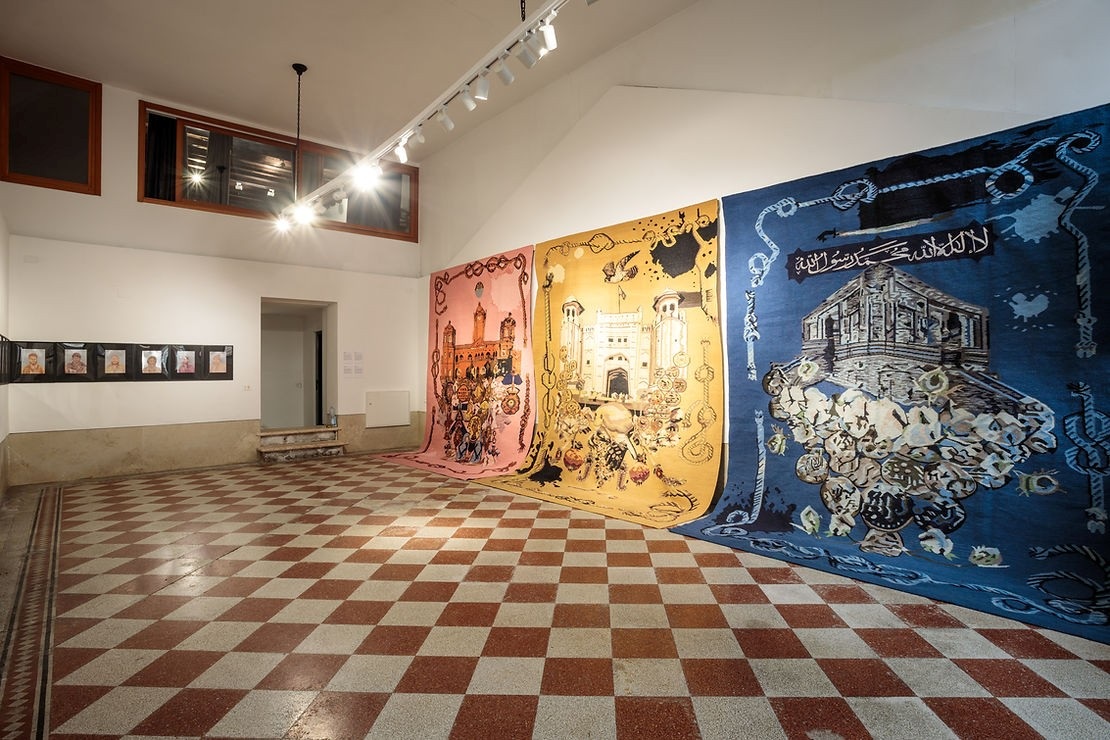
Historically, Punjab has maintained a profound connection to the land. Faiza expands this narrative by exploring weaving techniques and regional textiles like dhurrie, ikat, jacquard, and hand-spun cotton. Through these mediums, for which she worked with a number of the local craft practitioners, mostly women, Faiza has created fantastically elaborate compositions that present a trans-historical narrative, depicting the myriad cultures and empires that have crossed the region, with Cotton magnificently placed as the central thread, weaving the entire narrative together. A mix of architectural motifs, native flora and fauna, and intricate geometric patterns leads the viewer on this material journey, serving as a reminder that history is a transient, inexorable process. A series of portraits and videos of the artisans who worked with Faiza allows audiences a closer look at these inherited traditions.
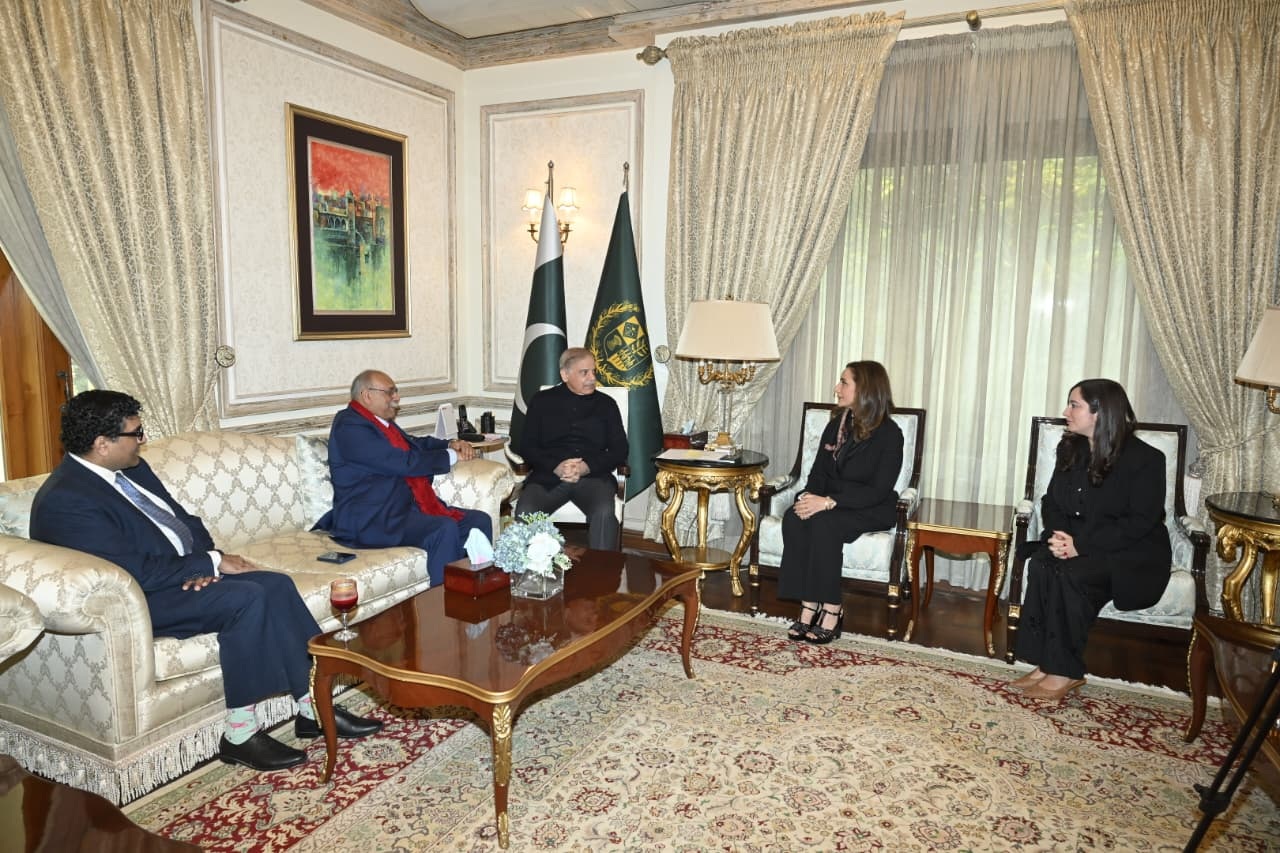
Prime Minister Muhammad Shehbaz Sharif met the team representing the Pakistan Pavilion at the historic 61st Venice Biennale 2026, currently underway in Venice, Italy
For millennia, cotton has served as the literal and metaphorical fabric binding the agriculture, identity, and creative soul of Punjab and the wider Indus Valley. Tracing its lineage back to the dawn of urban life at Mehrgarh and Mohenjo-daro, where some of the world's earliest evidence of dyed cotton threads was uncovered, this resilient crop has shaped the socioeconomic rhythms of the region. It is a crop deeply rooted in the fertile alluvial plains, where the seasonal cycle of planting and picking dictates agrarian life, folklore, and communal celebration. Beyond its status as a vital agricultural commodity, cotton is the raw canvas for the region's rich artistic heritage. From the rhythmic whir of the traditional wooden charkha (spinning wheel) celebrated in Sufi poetry to the intricate development of regional weaving techniques, cotton transforms raw earth into living craft. It carries the weight of history, acting as both an emblem of local resilience and a material medium through which generational stories, geometric expressions, and regional struggles continue to be spun.
Potraits of the artists who worked with Faiza
Faiza Butt has trained at the National College of Arts and the Slade School of Fine Art. Her widely exhibited work is held in major public and private collections, including the British Museum and the Kiran Nadar Museum of Art. Par Dokht is a highly laborious, pointillist-style technique in which, instead of smooth brush strokes, the artist builds the image and creates shading using thousands of tiny, microscopic dots or strokes, often using a fine brush made of squirrel hair. The resulting aesthetic sits at the intersection of photography and embroidery, where each meticulous dot functions like a digital pixel or a physical stitch. In an interview, Faiza reflected that she began to reconsider her almost 30-year-long practice while creating new work for the biennale and expanded upon her creative practice and intellectual concerns to look at the wider perspective. “It was an immense responsibility that was given to me, a huge privilege. I did not want to show the same things that my audience and collectors are used to.” The quest to chronicle the complex cultural and creative history of the Punjab region, she envisioned the pavilion as a journey through time, split into different ‘chapters’ that represent “Punjab as a generative terrain, where material abundance has driven cycles of invasion and encounter, producing continuous cultural cross-pollination and growth,” while also resisting singular narratives, focusing instead on multiplicities of time, mediums, cultures, and geographies. Punj•AB – A Sublime Terrain includes tapestries, paintings and video installations.
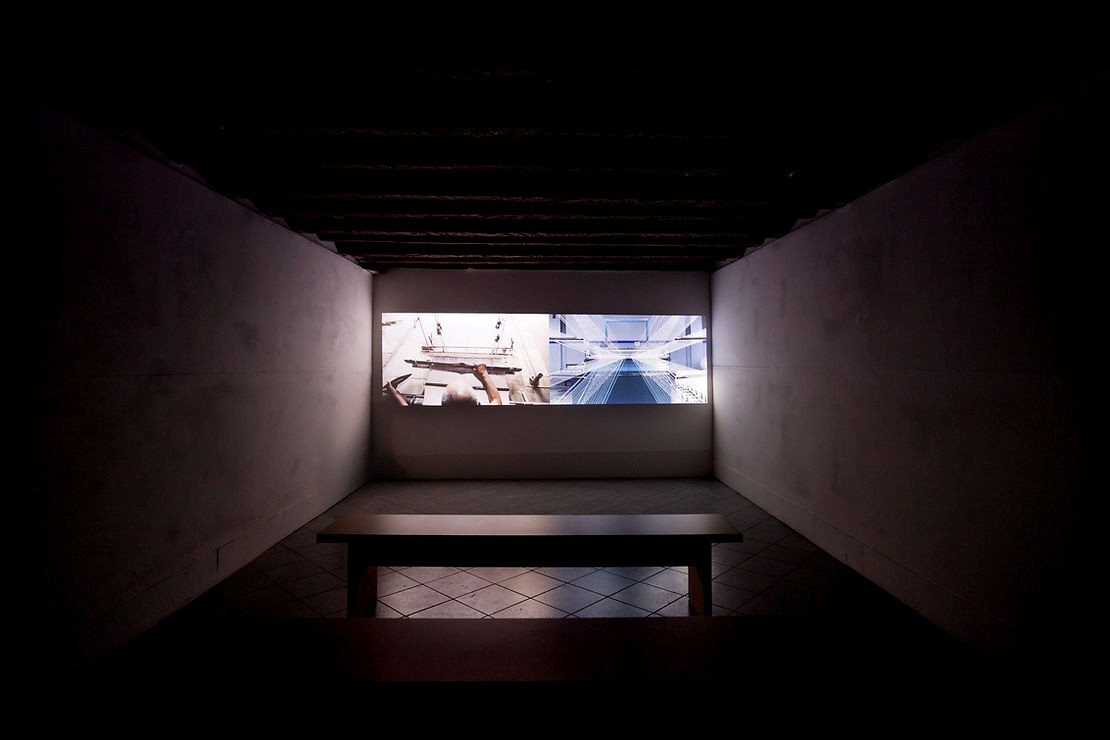
Installations at the Pakistan Pavilion at Venice Art Biennale
Far more than a mere showcase of aesthetic talent, Punj•AB – A Sublime Terrain serves as a critical barometer for the cultural landscape of a land and its people, reflecting the complex, layered realities of a region too often flattened by contemporary geopolitical headlines. By centering the voices of indigenous traditions and the ancient legacy of cotton within her art, Faiza resists the temptation of grand, singular national myths. Instead, she honors the multiplicities of a living history—a brilliant realization of the quiet philosophy of the overarching Biennale theme, In Minor Keys. At Punj•AB – A Sublime Terrain, the quiet resilience of a single thread, fragile and frugal yet incredibly fervent, weaves together a global message of shared humanity and creativity.
You may also like: