Written by: Rana Kanwal
Posted on: June 11, 2026 | 
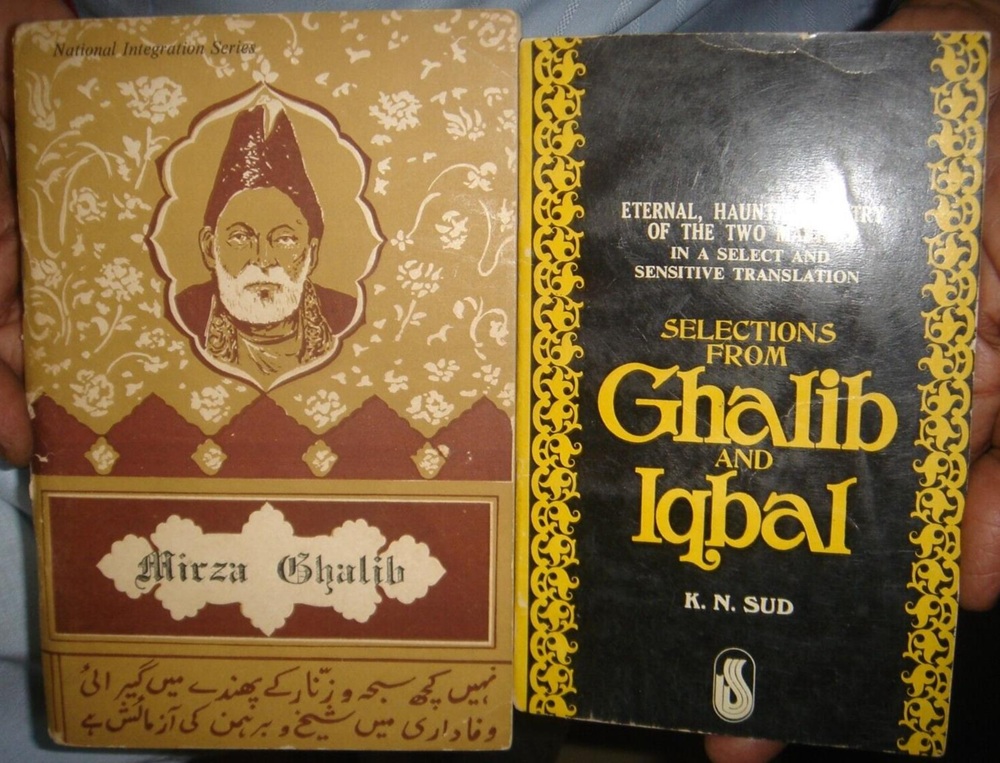
Mirza Ghalib and Allama Iqbal are among the greatest Urdu poets of all time.
Urdu literature has always been more than mere ink on paper it is the heartbeat of a culture, a mirror of centuries-old emotions, histories, and identities. From the soulful verses of Ghalib to the revolutionary pen of Faiz, Urdu has expressed love and loss, protest and pride, with unmatched grace. Its words have built bridges across generations and continents.
But as we step deeper into the digital age, a haunting question lingers: is Urdu literature fading away, or quietly reinventing itself in the language of screens and pixels?
At first glance, the picture seems bleak. The once-bustling bookstores now stand silent, their wooden shelves gathering dust. The younger generation scrolls through glowing screens instead of turning paper pages, captivated by fleeting videos and bite-sized captions. In classrooms and workplaces, English dominates conversations, emails, and dreams. Urdu seems to be retreating from the spaces it once owned.
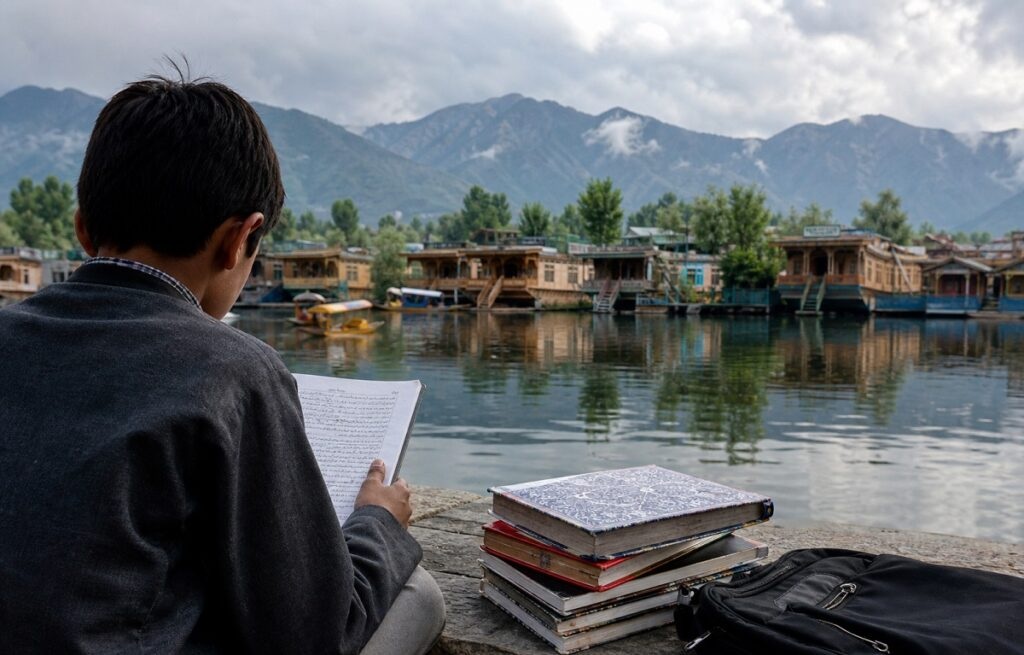
A boy is reading an Urdu book in a scenic valley in Kashmir.
And yet, if one looks closer, a very different story emerges.
Far from dying, Urdu literature is transforming adapting to new rhythms, finding new voices. The digital world, often seen as its rival, has become its most unexpected ally.
Today, a smartphone is a publishing house, a social network is a literary circle, and a poet with Wi-Fi can reach across borders in seconds. Blogs, online journals and social media platforms have become the new mushairas of our time. Writers who once waited years for a publisher’s nod now find their readers instantly. A teenager in Karachi can post a ghazal that resonates in Toronto or Doha before nightfall.
This democratization of expression has made Urdu literature more accessible than ever before. Once, lovers of Urdu had to wander through old libraries or hidden bookshops; now, a single search opens up endless treasures poems, essays, and stories that travel faster than ink ever could. The digital realm has erased boundaries of geography and class, giving Urdu a global stage.
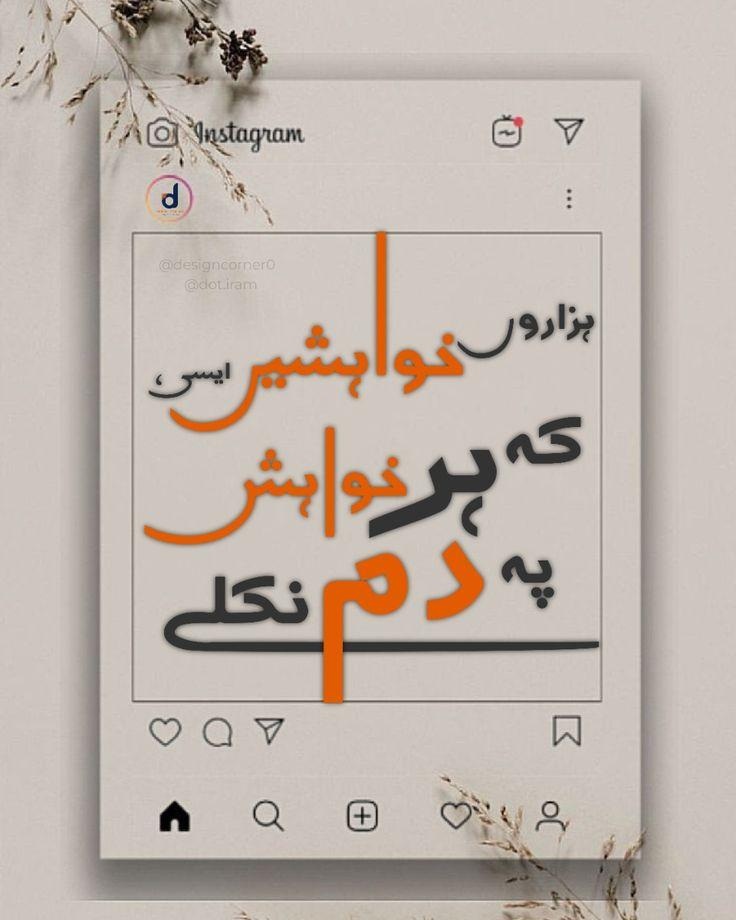
A digital replica of Urdu calligraphy on social media platforms.
But this new freedom carries its own burdens.
Not all that trends deserves to be remembered. When everyone can publish, the lines between quality and quantity blur. Deep, thoughtful writing often struggles for attention against catchy one-liners and aesthetic quotes. The brevity of social media favors emotional impulse over intellectual depth. A two-line verse may go viral, while a powerful short story remains unread.
Moreover, our shrinking attention spans threaten the very essence of literary art. Urdu’s beauty lies in its rhythm and reflection, in words that linger like perfume. Yet today, audiences are impatient scrolling, skipping, searching for instant gratification. Some writers, eager to please, simplify their craft, losing the subtlety and texture that define Urdu’s soul.
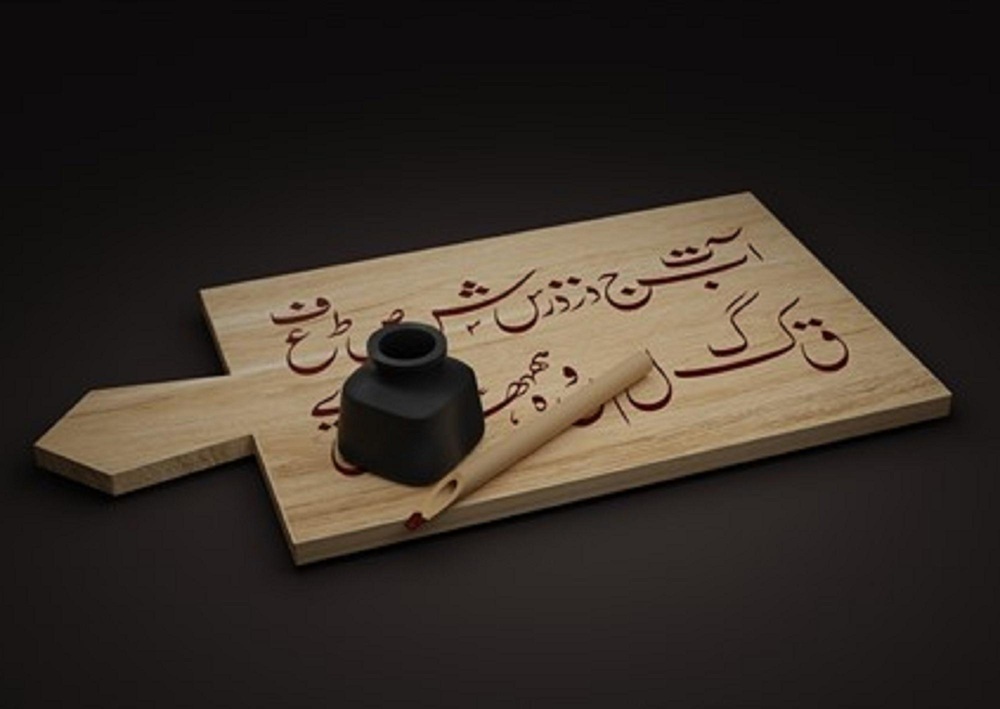
Urdu writing
Still, within these challenges lies an incredible opportunity.
The digital age is not Urdu literature’s downfall it is its awakening. What matters is how we shape this transformation. Writers can now blend classical elegance with contemporary thought, crafting pieces that speak both to tradition and to the times. A powerful verse can live on Instagram, while a longer reflection can flourish on a digital literary magazine. Balance, not resistance, is the key.
Readers have power too. Every meaningful click, every thoughtful comment, every shared poem encourages quality over noise. When readers demand depth, writers will rise to meet that standard.
Educational institutions also hold the torch. Instead of treating Urdu as a relic of the past, they can make it part of the digital future. Students can create blogs and e-journals in Urdu, record podcasts of classical poetry, or turn forgotten tales into digital storytelling projects. Through such efforts, Urdu will not just survive it will evolve with pride.
Preserving classical literature in digital form is equally vital. Countless masterpieces remain scattered, fading in old books or unarchived newspapers. Digitizing them creating searchable archives, e-books, and audio renditions will allow new generations to rediscover the brilliance of Mir, Iqbal, Ismat Chughtai, and countless others.
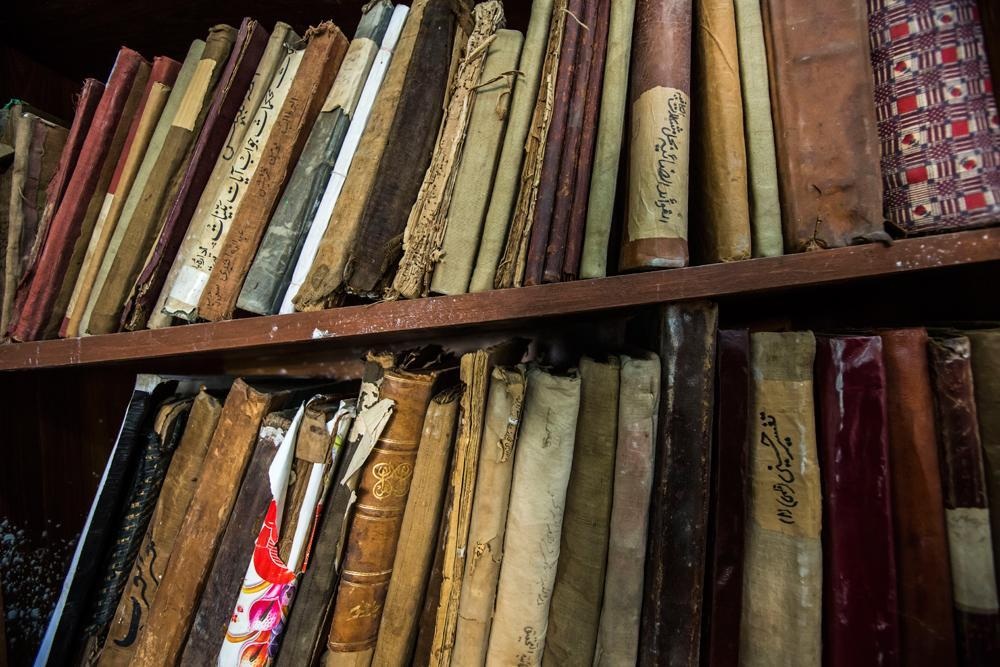
Old Urdu books in a library
We must also shed the nostalgia that blinds us. Every era reinvents creativity in its own way. Just as the printing press once liberated literature from manuscripts, digital media is now setting it free from borders and barriers. Change is not decay it is evolution.
And perhaps most beautifully, the digital revolution has given Urdu literature a global voice. The diaspora, once disconnected from its linguistic roots, now finds its identity online through Urdu podcasts, YouTube storytelling, and social media poetry. Urdu, once confined to South Asia, is now read in Paris, New York, and Sydney.
So, is Urdu literature merely surviving or reviving?
The truth lies between the two. It grapples with declining reading habits and diluted expression, yes, but it also thrives in new forms, new voices, and new audiences.
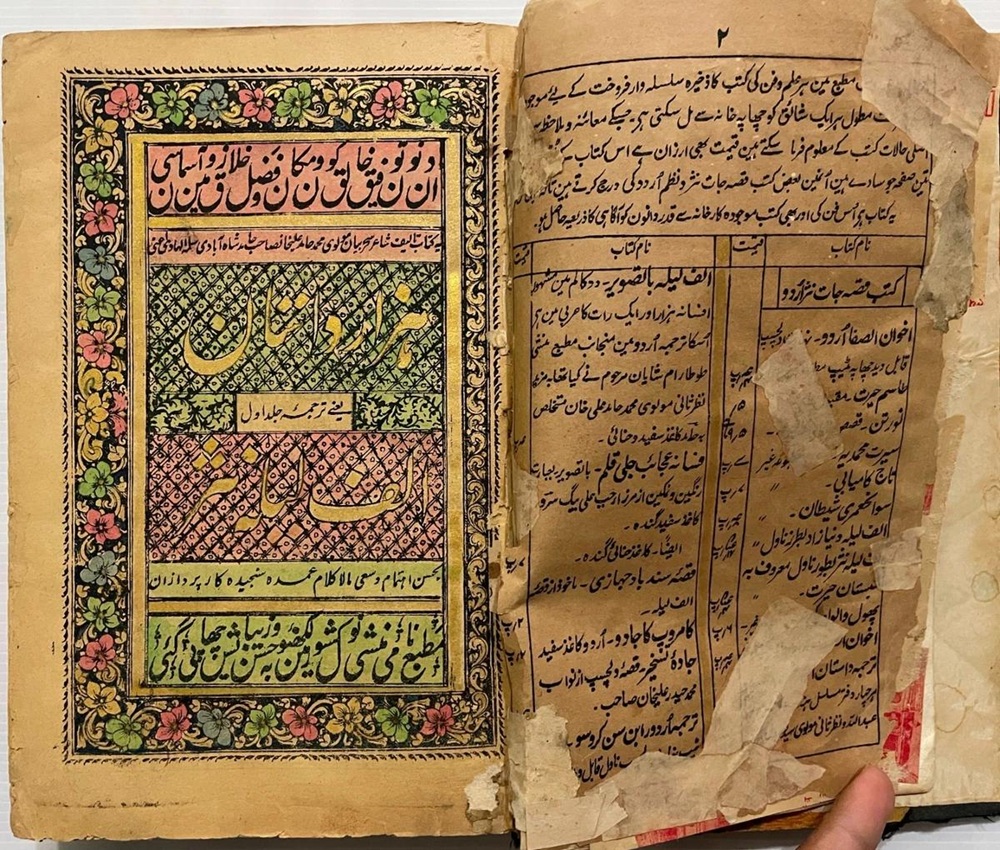
A historical Urdu book, Hazar Dastan
This is not the end. It is a transformation a bridge between past and future, tradition and technology.
The fate of Urdu literature rests not in algorithms or screens, but in our choices: how we write, what we read, and what we choose to celebrate. Because literature, at its heart, has never been about paper or pixels. It has always been about the power of human expression and as long as stories are told and emotions are shared, Urdu will continue to live, breathe, and revive in every age to come.
You may also like: