Written by: Shiraz Aslam
Posted on: June 08, 2026 | 
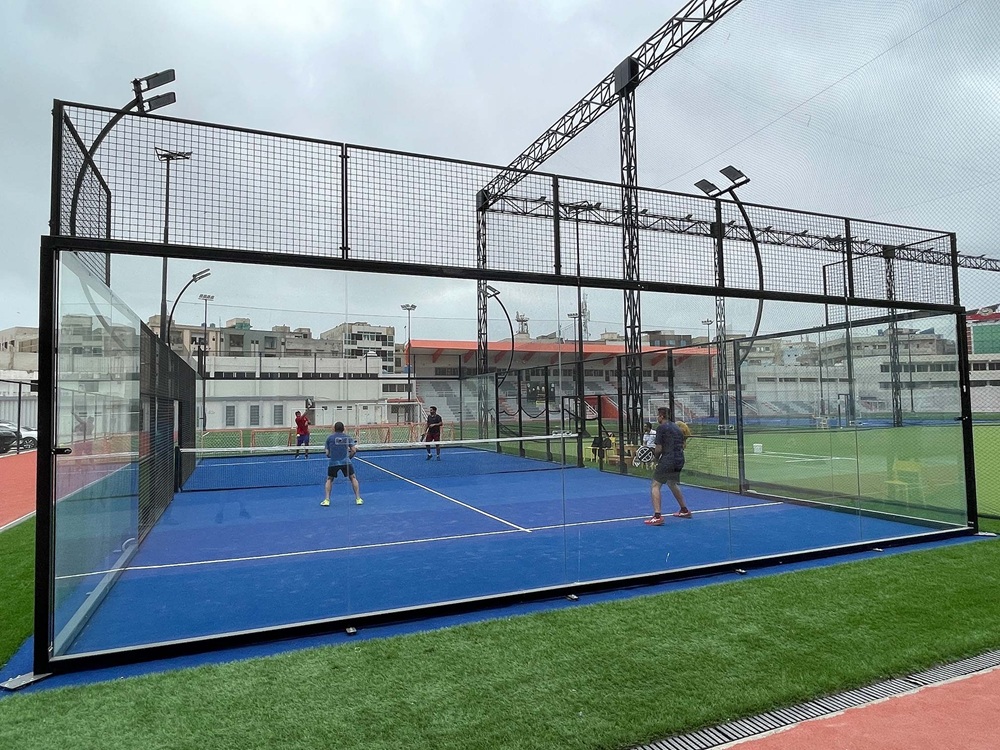
Padel courts are found in several major cities across Pakistan.
In case you’ve somehow missed it, padel has quietly taken over your screen. From Instagram stories filled with fast-paced rallies to social media ads promoting weekend tournaments, the sport has become impossible to ignore. Now, billboards have also joined the chorus. The takeover has been slow and steady, but padel has carved a special place in Pakistan’s urban middle class culture.
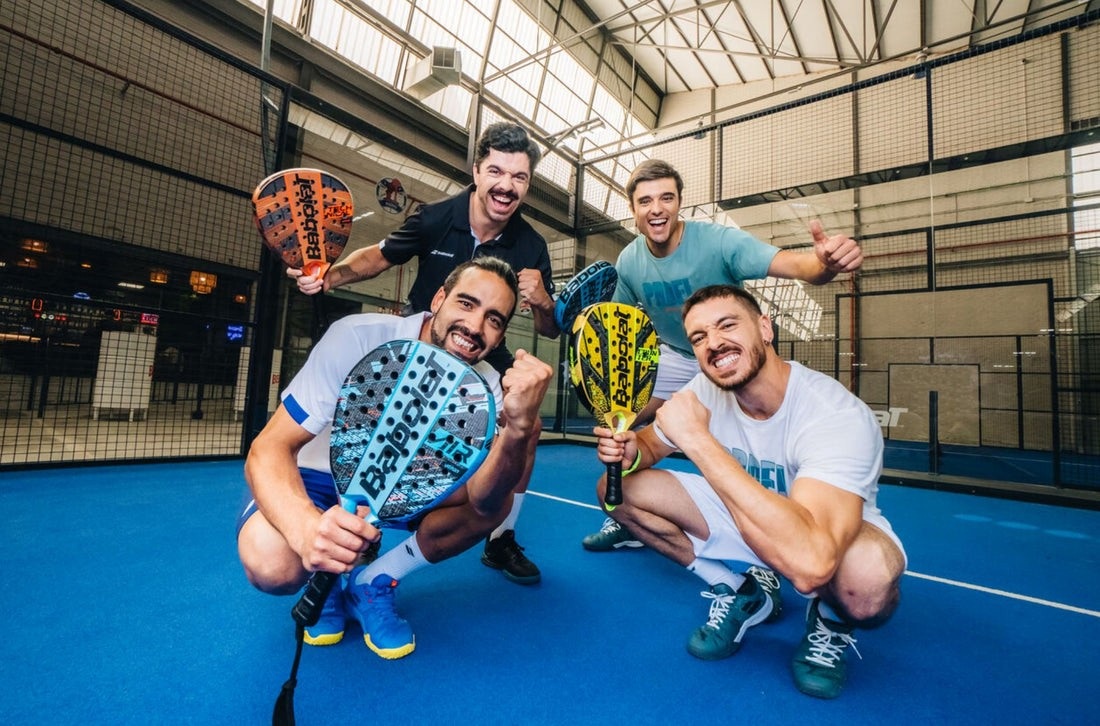
Camaraderie is at the heart of padel.
So, how did a racquet sport, invented in Mexico, become an integral part of Pakistan’s urban culture? Recent years have seen no shortage of fleeting trends: fidget spinners dominated school grounds in 2016, and Stanley cups have become status symbols today. Let’s not forget the pandemic fueled surge of Roblox and Discord. However, padel has taken a different trajectory. Its appeal stretches across generations, and unlike most passing obsessions, it has managed to endure.
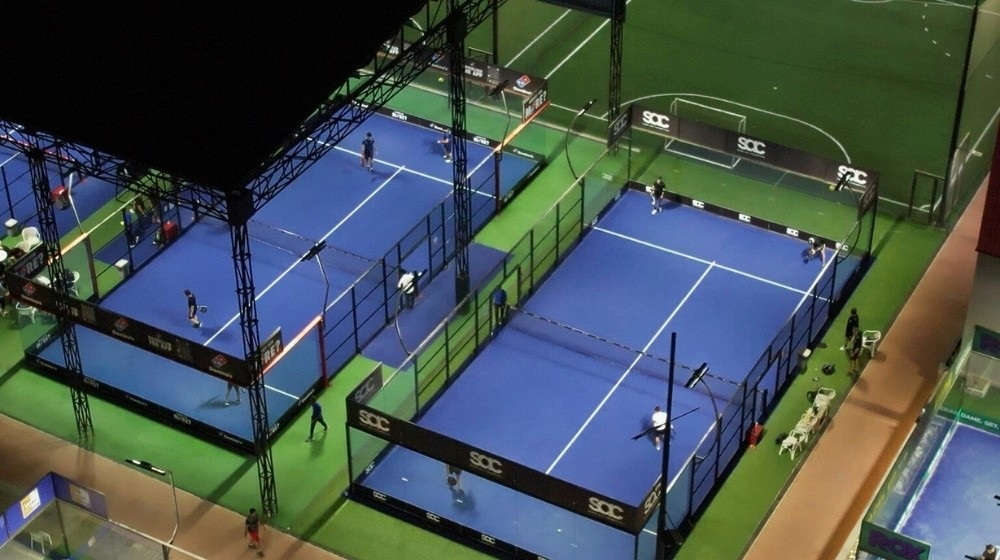
Padel courts are smaller than tennis courts.
Anyone who has stepped into a padel court understands its unique appeal. It is a competitive game that is easy to learn, but difficult to truly master. This puts the sport in a good position to become a hobby, fitness routine, or a weekend escape. Padel combines the best elements of tennis and squash and puts players in a glass enclosed court smaller than a regular tennis court. The scoring system is identical to tennis, but you can play the ball off the walls too. Played exclusively in doubles, padel thrives on competition and camaraderie.
Tennis and squash, on their own, require incredible technique and immense physical exertion. However, padel changes the equation. By combining the best bits of both games, it lowers the technical skill barrier and simplifies the game. The learning curve is gentle, and the physical intensity is more manageable. As a result, the sport opens itself up to older age groups, who might otherwise be excluded from such activities.
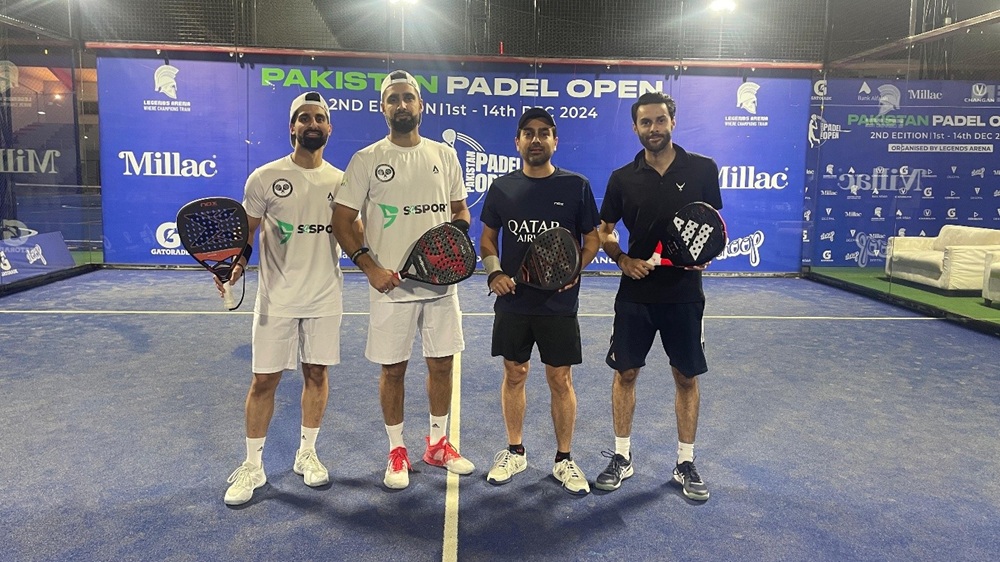
Padel tournaments are held regularly.
In addition to accessibility, padel thrives on its fundamental social design. Given that the game is played exclusively in doubles, it encourages constant interaction between teammates and opponents. Conversations flow smoothly as the ball bounces off the walls. The rallies feel more interactive and competitive. The padel court, thus, becomes a shared space, evolving into social hubs where friendships are maintained and social networks are built through an engaging racquet game.
If the experience of playing padel wasn’t social enough, social media has added to its unique appeal. Instagram has transformed ordinary games into curated experiences as users share short groups of rallies, post-game group photos, and tournament highlights. Excessive circulation on social media has created a sense of momentum around padel. Thus, participation has become performative. People just don’t want to play padel, but they want to be seen playing the game. In this way, padel becomes a trend that needs to be captured and shared. It becomes something worth sharing and playing, and those outside the bubble are encouraged to play the game.
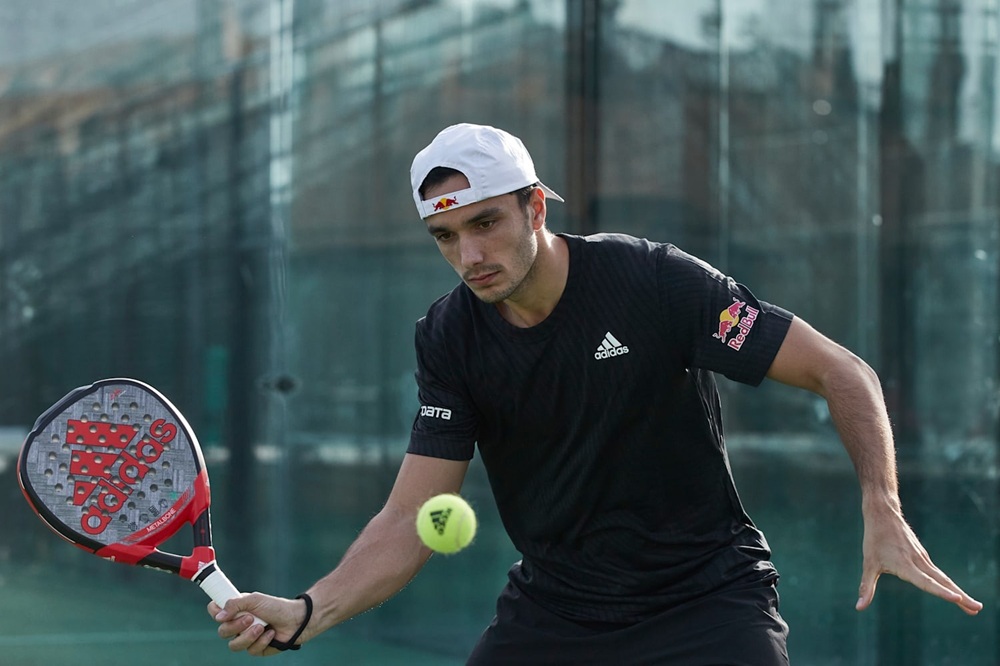
Playing padel is relatively easy, but difficult to master.
Time efficiency is another key factor in padel’s integration into urban culture. Modern urban life is incredibly fast paced, especially during rush hours in the evening. Cricket matches and football games could last hours. However, padel games tend to be shorter, and the game does not demand the same level of preparation or recovery as more intense sports like cricket and football. This makes padel particularly attractive to professional white-collar workers and students who could easily fit a few games into their packed schedules.
As has become the case with virtually every trend and fad, playing padel says a lot about one’s social status. There is an undeniable element of exclusivity tied to padel’s growth. Courts are located within private clubs and premium arenas, making them accessible to a small proportion of the population. Padel becomes a marker of social status: a clear sign that one belongs to a certain social circle. Hence, the racquet sport has become increasingly popular within Pakistan’s urban middle and upper-middle classes.
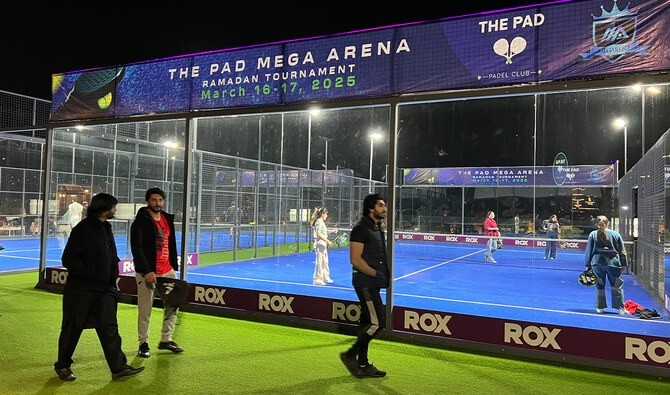
Pakistanis line up in queues outside padel courts to play the sport.
In many ways, padel captures the spirit of a generation seeking connection as much as recreation. It is a game that thrives on rallies, competition, recreation, and connection. Its success, therefore, lies not just in how it is played, but in how it is lived. Whether enduring or ephemeral, padel has already left its mark on Pakistan’s urban narrative.
You may also like: