Written by: Zainab Naseem
Posted on: July 23, 2026 |  | 中文
| 中文
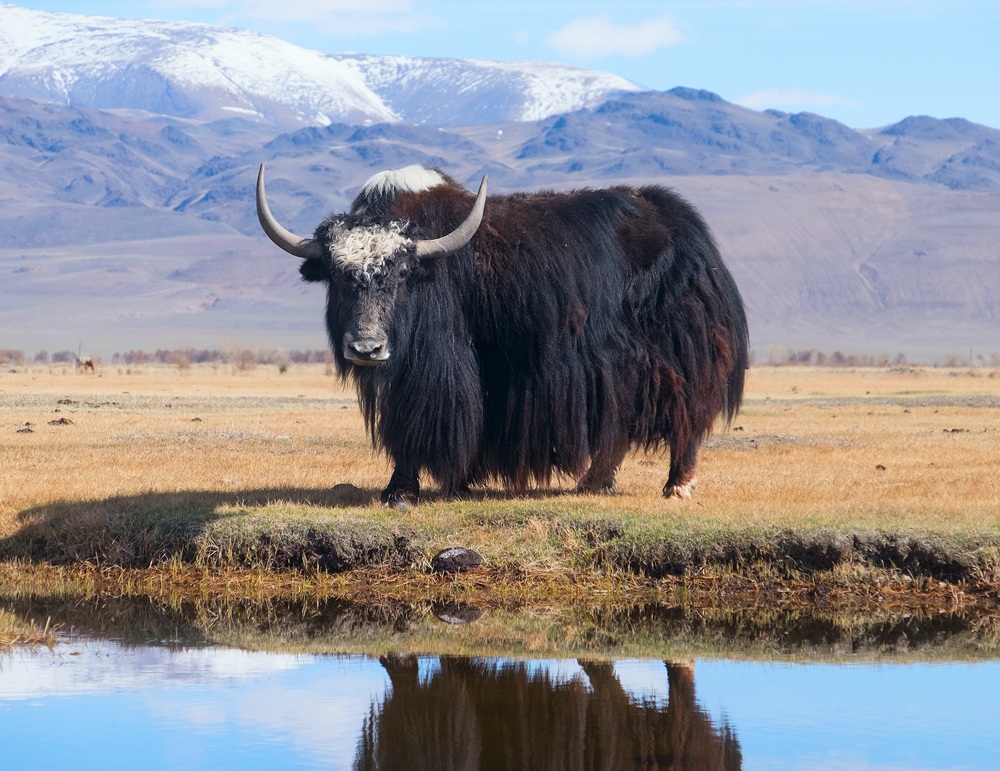
Yak herding BV
Travel in northern Pakistan often follows familiar routes. Visitors head toward Hunza, Skardu, and Fairy Meadows, while many of the country’s most remote landscapes remain far less known. In the northern reaches of Upper Chitral, near the narrow Wakhan Corridor that separates Pakistan from Afghanistan, lies Broghil Valley. It is a high-altitude region shaped by grasslands, mountain passes, and one of the largest clusters of alpine lakes in the country.
Broghil sits at the far end of the Yarkhun Valley. The journey begins from Chitral town and continues through Mastuj and the winding settlements of Upper Chitral. As the road follows the Yarkhun River, villages appear and disappear along the way, gradually giving way to wider open land. The last stretch toward Broghil is seasonal, with access largely dependent on weather conditions and snowmelt.
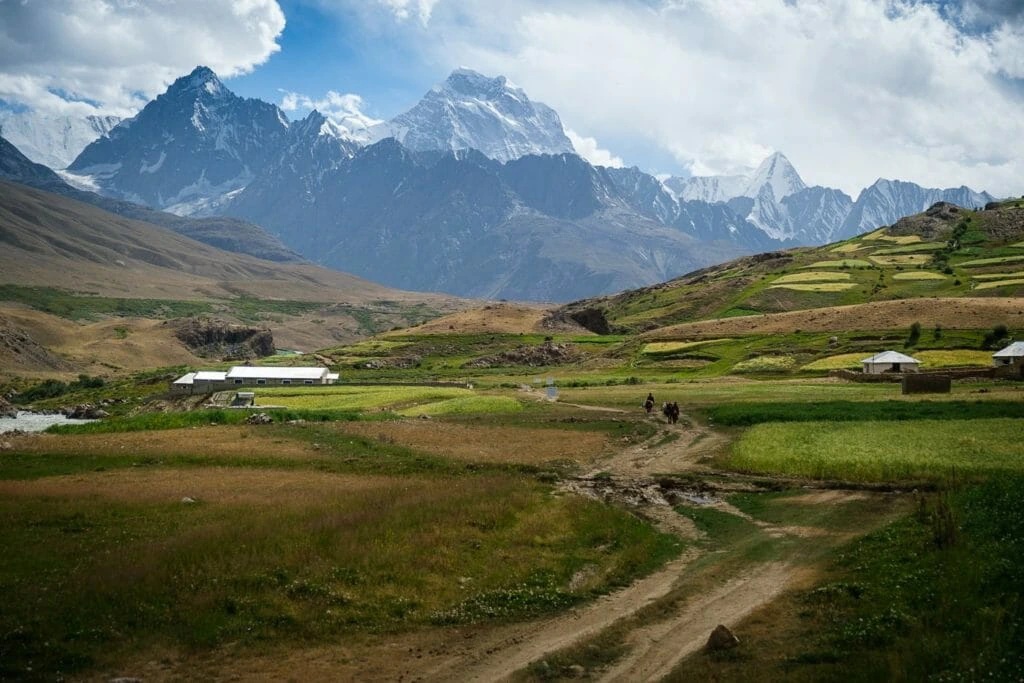
Lashkargaz
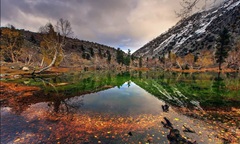
What defines Broghil most clearly is its landscape of water and altitude. The valley is home to a network of glacial lakes, wetlands, and marshy plains formed by centuries of meltwater flowing down from surrounding peaks. These water bodies are not isolated features but part of a continuous high-altitude ecosystem that spreads across the valley floor. In summer, meltwater fills the plains, creating shallow reflective pools surrounded by grasslands used for grazing. Unlike more developed tourist destinations, Broghil does not follow a structured travel route. There are no marked viewpoints or designated stops. The landscape opens gradually, revealing wide plains where water, grass, and mountains exist in a continuous stretch rather than separate landmarks. The lakes are scattered rather than centralized, giving the valley an uneven, shifting geography that changes with the season.
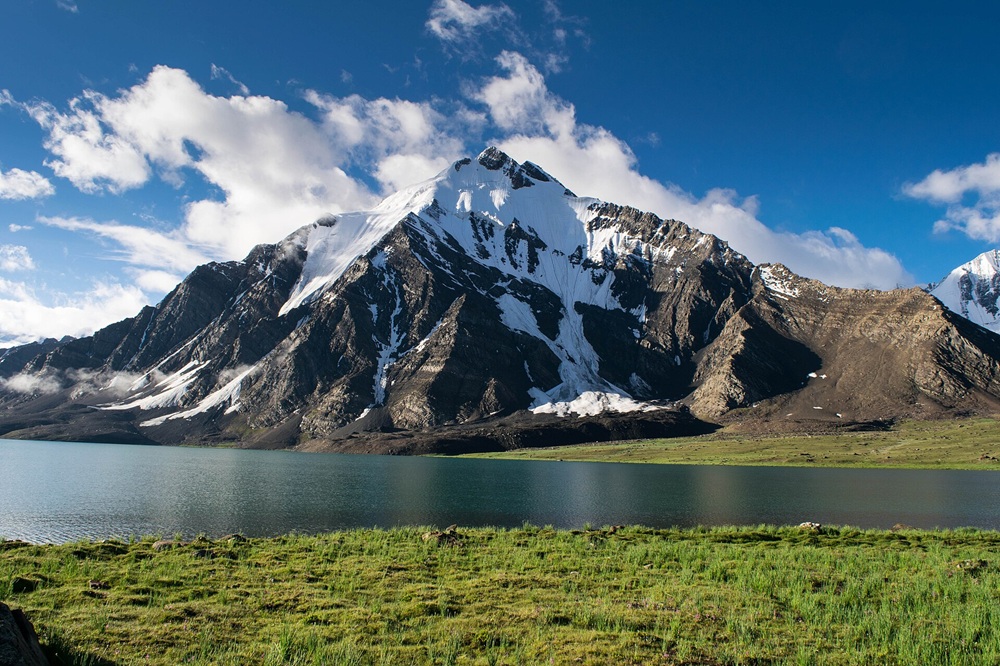
Karamber Lake Broghil Valley
The region is inhabited by Wakhi communities who have adapted to life in extreme altitude and seasonal movement. Their settlements are spread across lower and upper pastures, with livestock forming an essential part of daily life. During summer months, families move closer to higher grazing grounds where animals feed on alpine grasslands surrounding the lakes and wetlands. In winter, the valley becomes largely inaccessible due to heavy snowfall, and life shifts back to lower elevations.
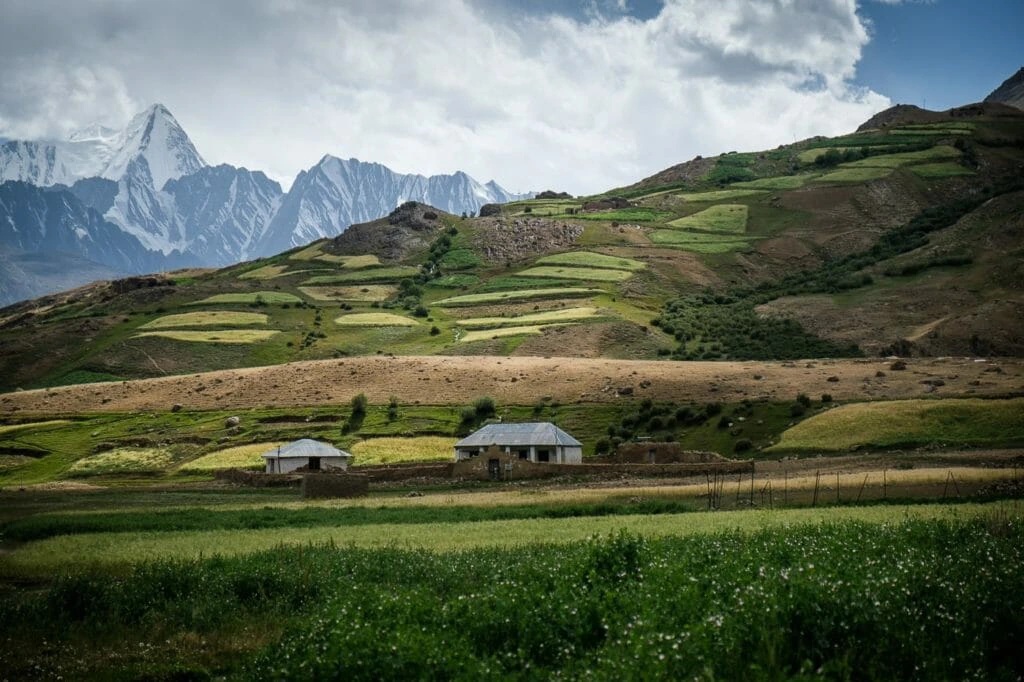
Broghil Valley
Broghil also lies within Broghil National Park, a protected area that supports a fragile ecosystem. The wetlands and lakes provide habitat for migratory birds and high-altitude species, while the surrounding mountains are home to wildlife such as ibex and snow leopards. Despite its ecological importance, the region remains minimally developed, with conservation and traditional livelihoods coexisting in a delicate balance.
The presence of yak herding is one of the most distinctive features of Broghil. Yaks are not symbolic here but functional, used for transport and dairy production in conditions where other livestock cannot survive. Their movement across the valley mirrors the seasonal rhythm of the communities who depend on them.
The best time to visit Broghil is between late June and early September, when snow has melted enough to open access routes through Upper Chitral. Even during this period, travel depends heavily on weather conditions, and preparation is essential due to limited facilities and long distances between settlements.
What makes Broghil stand apart is not only its remoteness, but the scale of its landscape system. The valley is not defined by a single landmark but by repetition, water, grass, and mountain forming an uninterrupted geography that extends across the borderlands. The lakes are not destinations within the valley. They are part of its structure.
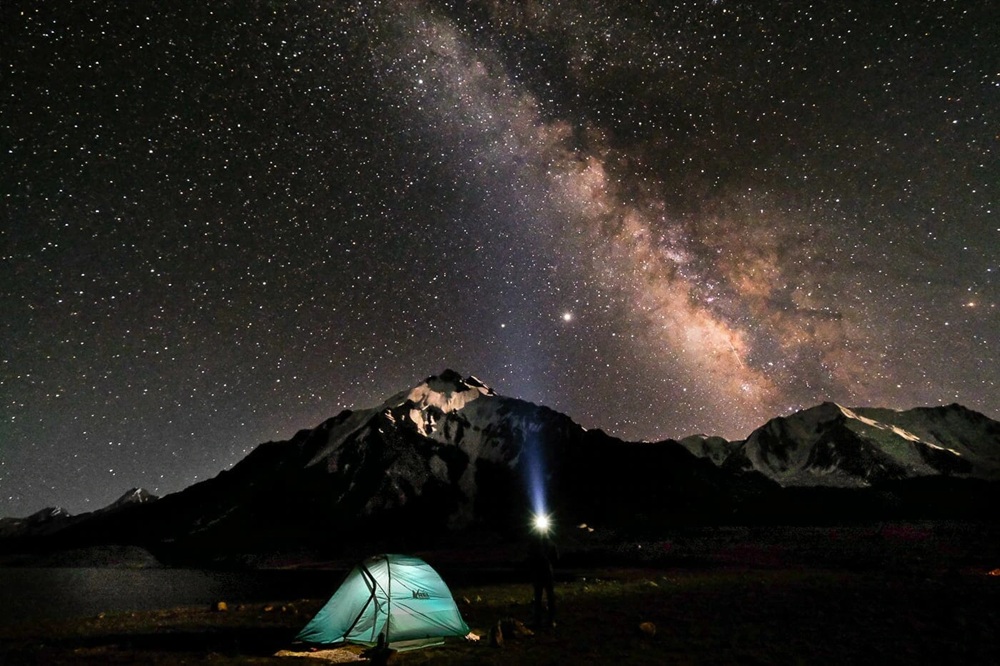
Night View of Broghil Valley
In a region often associated with well-known tourist circuits, Broghil presents a quieter and more expansive version of northern Pakistan. It is a landscape shaped by water and altitude, where life continues according to seasonal patterns rather than external attention.
What remains with the valley is its continuity. Broghil does not present itself as a spectacle. It functions as a living system of lakes, pastures, and communities, existing far from the pace of mainstream travel routes in the north.
You may also like: