Written by: Azfar Khan
Posted on: November 17, 2026 | 
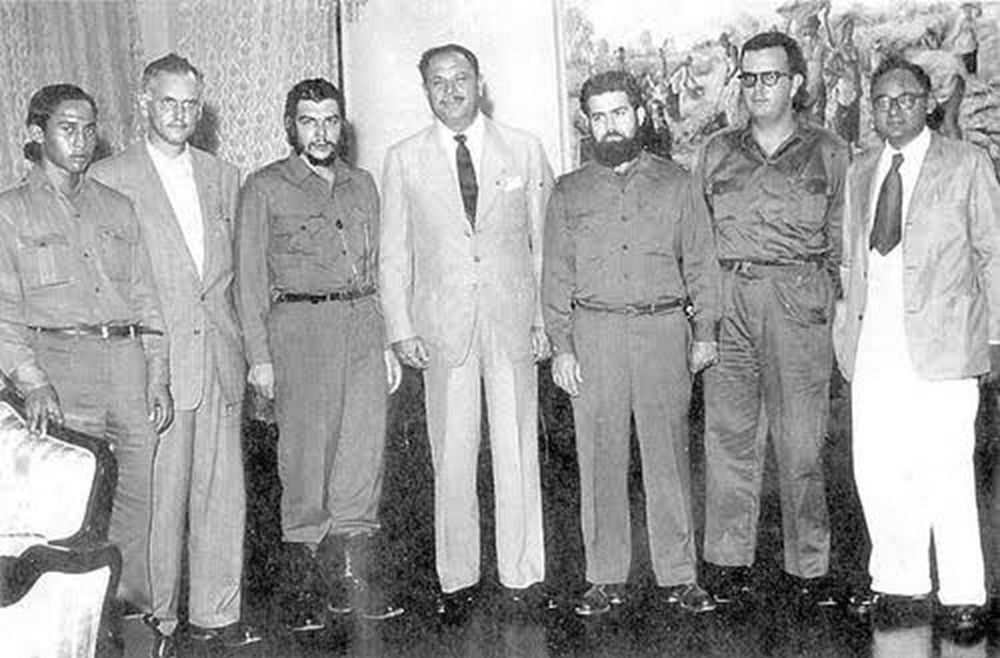
Che Guevara in Pakistan with Ayub Khan.
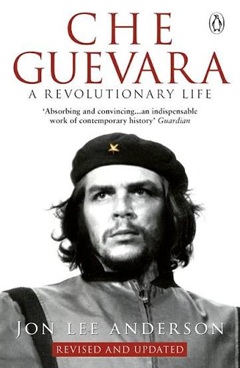
Ernesto Guevara, better known as Che Guevara, is one of history’s most fascinating figures, yet remains unread by most of the world. He remains a lasting fascination among youth across the globe. The definitive compendium on Che Guevara is Jon Lee Anderson’s Che Guevara: A Revolutionary Life, a political and military biography published by Random House UK and comprising 832 pages. In this work, Jon Lee Anderson presents a detailed account of a man whose journey from a young medical student to an international revolutionary was shaped by personal tragedies, intellectual curiosity, firsthand exposure to social inequality, and opposition to imperialism. The book examines not only Guevara's revolutionary ambitions but also the contradictions within his personality and political methods. His life demonstrates the power of discipline, commitment, and high ideals, while simultaneously exposing the dangers of ideological rigidity, intolerance, and political violence.
Guevara's early life played an important role in shaping his personality. Guevara was born out of wedlock, but his parents soon married, and his actual birth date was deliberately concealed between 14 May and 14 June 1928. He suffered from asthma from childhood. His illness frequently restricted his physical activities and kept him indoors for extended periods. However, this limitation became an opportunity for intellectual development. He developed a strong reading habit and became familiar with thinkers and writers such as Karl Marx, Friedrich Nietzsche, Jean-Paul Sartre, Albert Camus, and Franz Kafka. For Guevara, reading was not merely a pastime; it became a means of understanding the world and questioning its existing social and political arrangements.
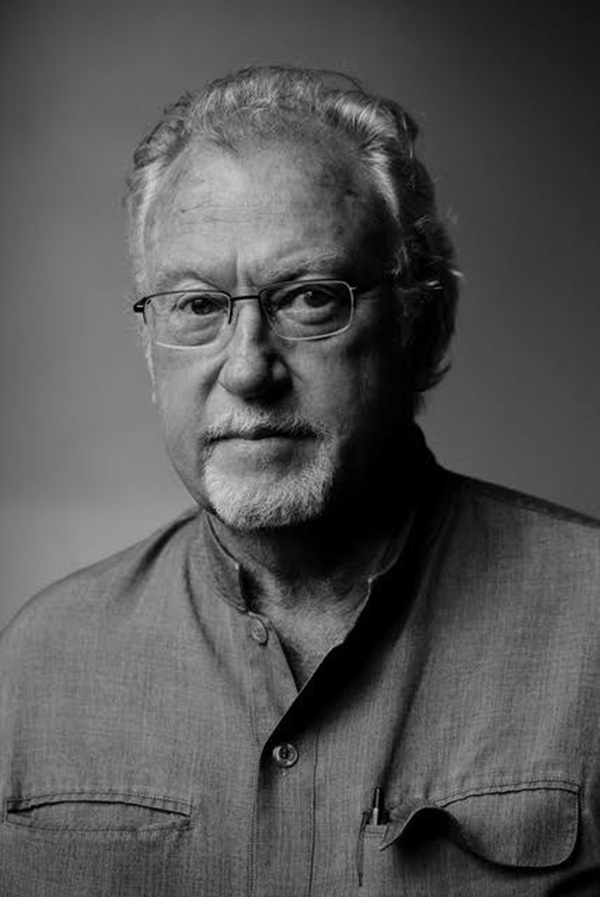
Jon Lee Anderson
His intellectual curiosity was matched by considerable self-discipline. Despite his asthma, he participated in physically demanding activities, including rugby, demonstrating a determination to overcome his limitations. Guevara pursued medicine, enrolled at the University of Buenos Aires, and began his medical studies. Nevertheless, his growing interest in society, politics, and human suffering would eventually take him beyond the conventional boundaries of the medical profession.
One of the most important stages in Guevara's transformation was his journey across South America with his friend Alberto Granado. This journey, later chronicled in The Motorcycle Diaries, exposed him to the poverty and inequalities that shaped ordinary people's lives. During his travels, Guevara encountered beggars, impoverished workers, and laborers living under extremely difficult conditions. In Chile, he observed the conditions of mine workers and became increasingly critical of the role of foreign companies in extracting the region's natural resources while local populations continued to experience deprivation.
These encounters encouraged him to question the existing social order. Influenced by his reading of Marx, he increasingly interpreted poverty and exploitation through the lens of class conflict and the proletariat. He began asking why some people possessed extraordinary wealth while others lacked basic necessities such as adequate food, shelter, and blankets. His failed romance with Chichina, a girl he loved and proposed to, also became a turning point in the narrative of his personal life. Although the relationship initially occupied much of his attention, his experiences during the journey increasingly redirected his ambitions toward a broader purpose of transforming society.
His motorcycle journey led him to Guatemala, where he witnessed the overthrow of Guatemala's government in a CIA-backed operation that reinforced his opposition to American intervention in Latin American affairs. In Mexico, he met Fidel Castro and members of Castro's revolutionary circle. Their shared political objectives and opposition to Batista's dictatorship in Cuba brought them together. Guevara joined the revolutionary expedition to Cuba aboard the Granma, initially serving as a doctor and later becoming commandant of the army, which had only 15 members, five of whom were under his command. The expedition faced severe disaster upon arriving in Cuba in 1956. Government forces attacked the revolutionaries, and the survivors had to regroup and establish themselves in the Sierra Maestra mountains. Through guerrilla warfare, political organization, and the gradual development of support among sections of the rural population, the revolutionary movement expanded swiftly under the command of Che.
Che Guevara emerged as one of its leading military commanders, admired and loved by the guerrilla warriors. His determination, charisma, and commitment to discipline contributed to his ruthless reputation. The revolutionary forces leading at the front were defeated by Batista's government, which collapsed at the beginning of January 1959. However, Guevara's personality had a more troubling dimension. His insistence on discipline could become ruthless, and he displayed little tolerance for conduct he considered incompatible with the revolutionary cause. This aspect of his character foreshadowed the controversy that would surround his later political activities.
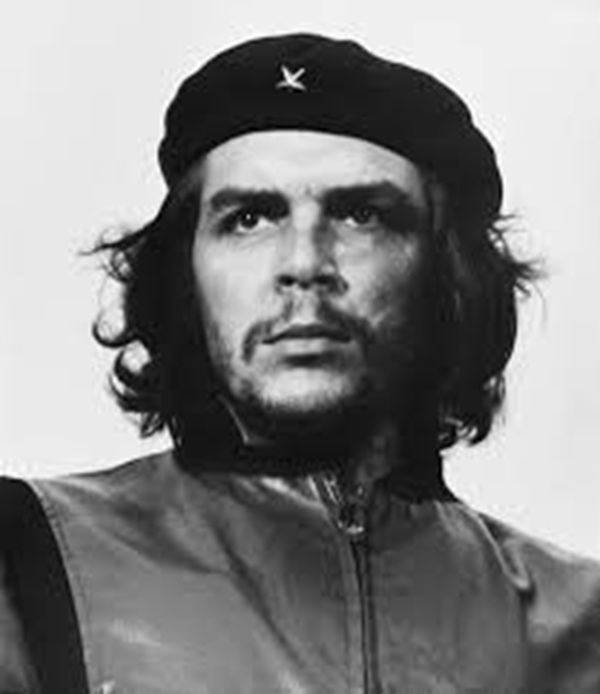
Alberto Korda’s famous portrait of Che, taken in 1960
Following the Cuban Revolution, Guevara became increasingly interested in extending revolutionary movements beyond Cuba. He believed that the existing international order, particularly American dominance in Latin America, obstructed meaningful social transformation. His revolutionary ambitions extended to Africa and other parts of Latin America. He also traveled the world to spread his revolutionary mission and call for an alliance against American imperialism. He also came to Pakistan and India, receiving a cold reception in Pakistan and a warm welcome in India. He met Ayub Khan and Nehru, respectively. However, the conditions that had enabled the Cuban Revolution were not easily reproduced elsewhere. His mission in the Congo failed amid organizational difficulties, divisions within the local forces, and a lack of the support he had expected.
His subsequent campaign in Bolivia encountered similar problems. The local population did not provide sufficient support; his revolutionary group suffered from shortages and desertions; and government forces gradually closed in on the guerrillas. Guevara was captured in Bolivia on 8 October 1967 and, with the advice of a CIA officer, executed the following day. His hands were cut, and his body was dumped with a few other rebels. His death ended his final armed campaign but did not eliminate the influence of his image or revolutionary ideals. His grave was discovered thirty years later, when Jon started writing his biography and pressed the Bolivian government to find it. His remains were moved to Cuba and laid with great honor by Fidel Castro, who was still ruling with the iron fist of revolutionary zeal.
Guevara’s intellectual development underscores the importance of reading beyond superficial interpretations and examining political ideas critically. Discipline and consistency were equally important characteristics. Despite his asthma and the hardships he endured during his revolutionary campaigns, he maintained a strong commitment to his objectives. He also emphasized discipline among those who worked alongside him. Another significant habit was his practice of keeping a diary, as the author finds most campaign details in his personal diaries, which the author also admires. His records documented his journeys, observations, and experiences, providing insight into his changing political outlook and the hardships he endured. His accounts of the Bolivian campaign, in particular, reveal the increasingly desperate circumstances in which he and his companions operated.
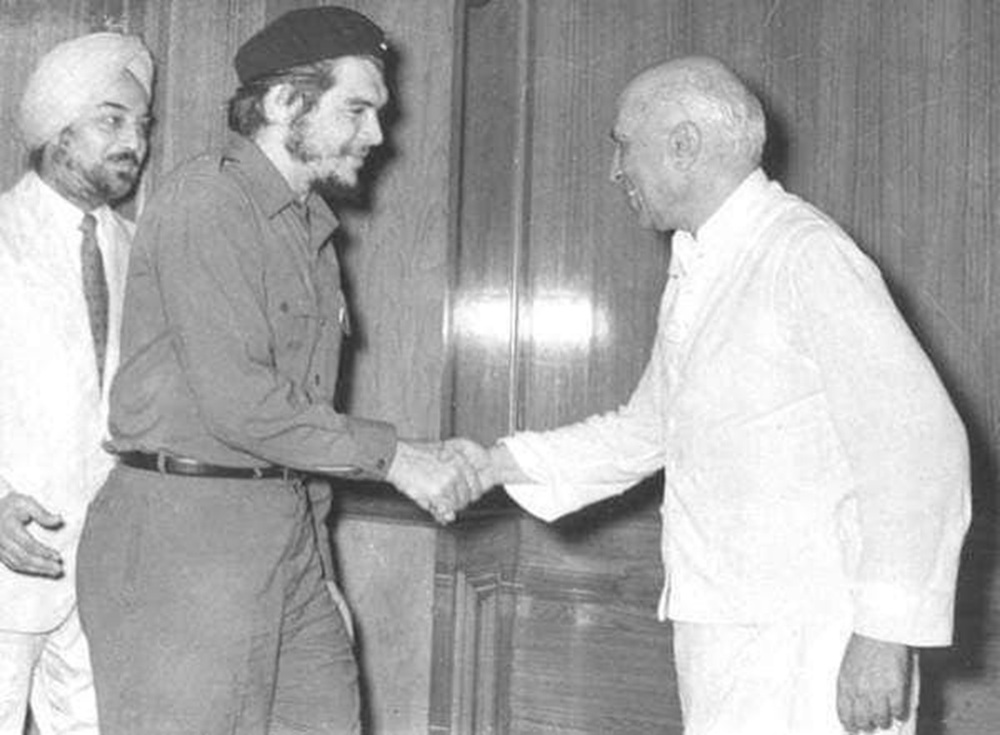
Che Guevara and Jawaharlal Nehru
Intellectual curiosity, discipline, consistency, and careful documentation remain valuable lessons for students, researchers, and young people. However, these qualities should be distinguished from the political violence and intolerance that also marked parts of his revolutionary career. A critical assessment of Guevara must acknowledge the violence associated with his revolutionary activities. In his own thinking, commitment to revolutionary objectives sometimes justified extreme measures against those he considered enemies of the cause, which Jon argues led to dissent in later campaigns.
Che Guevara: A Revolutionary Life offers a detailed examination of the complex journey of a medical student who became one of the twentieth century's most recognizable revolutionary figures. His encounters with poverty, exploitation, and political intervention transformed his understanding of society and strengthened his commitment to revolutionary change. His life demonstrates the influence of reading, discipline, consistency, and ambitious ideals. Yet his failed campaigns outside Cuba and his acceptance of revolutionary violence also reveal the limitations and dangers of ideological rigidity.
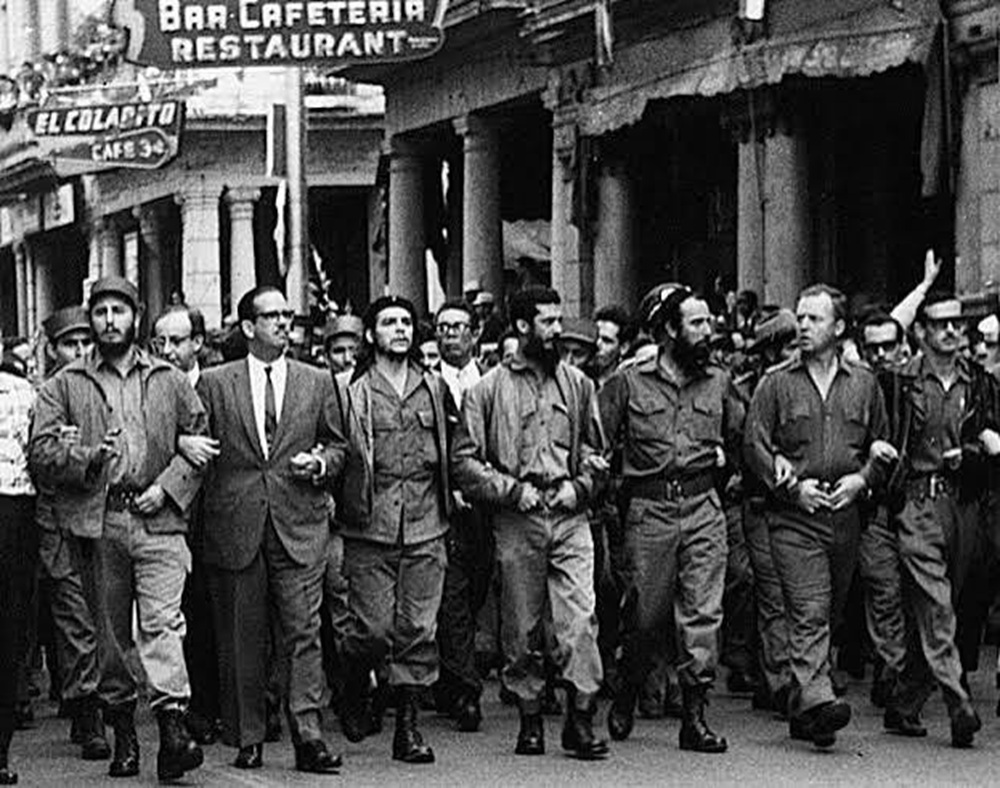
Fidel Castro, Che Guevara and other revolutionaries, marching through the streets on March 5, 1960, in Havana, Cuba, at a memorial service march for victims of the La Coubre explosion
Che Guevara should therefore be neither romanticized as an unquestionable hero, argues Jon Lee Anderson, nor dismissed without examining the historical and social circumstances that shaped him. His legacy deserves a balanced assessment that recognizes his opposition to inequality while condemning political violence and the denial of due process. According to Jon, the most constructive lesson for young people is to combine intellectual curiosity, personal discipline, and a commitment to social improvement with democratic values, moral restraint, and respect for human rights. These qualities offer a more sustainable path toward social change than revolutionary idealism pursued without sufficient regard for political realities or individual freedom. Therefore, Jon Lee Anderson's book stands as one of the most complete biographies of Che Guevara.
You may also like: