Written by: Emma Alam
Posted on: November 20, 2026 | 

The author Abraham Verghese and his book 'The Covenant of Water'
Some narratives remain on the page; others take up residence in our soul and leave us changed. Abraham Verghese’s The Covenant of Water belongs to the latter category.
Set against Kerala's evolving social and cultural landscape, the novel follows several generations from 1900 to 1977.

Abraham Verghese, in an interview with Oprah Winfrey on May 2, 2023
The story begins with a twelve-year-old girl sent across Kerala’s backwaters to become the bride of an unfamiliar widower, who is a landlord in Travancore.
She leaves behind the comforting embrace of her mother’s love, the innocence of her early years, and the house that has nurtured her, and is thrust into a stranger's household, with neither the freedom to choose nor the power to refuse.
As the years pass, she becomes the pillar of the house. She holds no formal title and enjoys no public eminence. Nevertheless, she serves as the cornerstone of the family’s cohesion.

Abraham Verghese
She directs domestic affairs and supervises the administration of inherited lands. She manages the workforce responsible for preserving the estate’s prosperity.
She provides solace to the unwell and shows kindness to the grief-stricken, and manifests empathy towards those ostracized by society; despite recurring misfortunes and the burden of inherited trauma, she sustains her innate humanity, perseverance, and extraordinary emotional sensitivity.
Her family history is marked by the recurring tragedy of drowning, and around that riddle, Abraham develops a narrative encompassing compassion, the quest for recovery, spiritual awakening, and a prolonged experience of bereavement.

Abraham Verghese for the series Live Talks Los Angeles
The recurring theme is child marriage, which still exists in various parts of our society. Women’s unpaid household and caregiving responsibilities serve as the backbone of economic systems that seldom recognize their value. She moves through life with grief concealed beneath her composure.
The enduring legacy of European and British colonialism has left its mark on Kerala's healing traditions, learning landscape, and societal frameworks. Even today, postcolonial discussions about who determines information, who provides welfare, and who governs worldwide well-being continue to shape contemporary debates.
Biomedical practices, spiritual authority, and traditional healing operate alongside one another within the same community, sometimes in conflict and sometimes in harmony. The global health crisis and the circulation of false medical claims highlighted the importance of compassion alongside scientific evidence in fostering public trust.
Individuals continue surviving in the aftermath of profound personal tragedies, portrayed with emotional restraint; in the present age of chronic fatigue and widespread anguish, the text illustrates how community and affection enable individuals to endure adversity.
Water is the novel’s recurring metaphor; it nourishes, transports, purifies, and destroys. The narrative preserves the coexistence of these seemingly contradictory meanings; the story maintains the ambiguity of water as both life-giving and destructive. For audiences across South Asia and elsewhere, where floods and changing river systems increasingly shape everyday existence, it reads like a chronicle of a world yet to come.
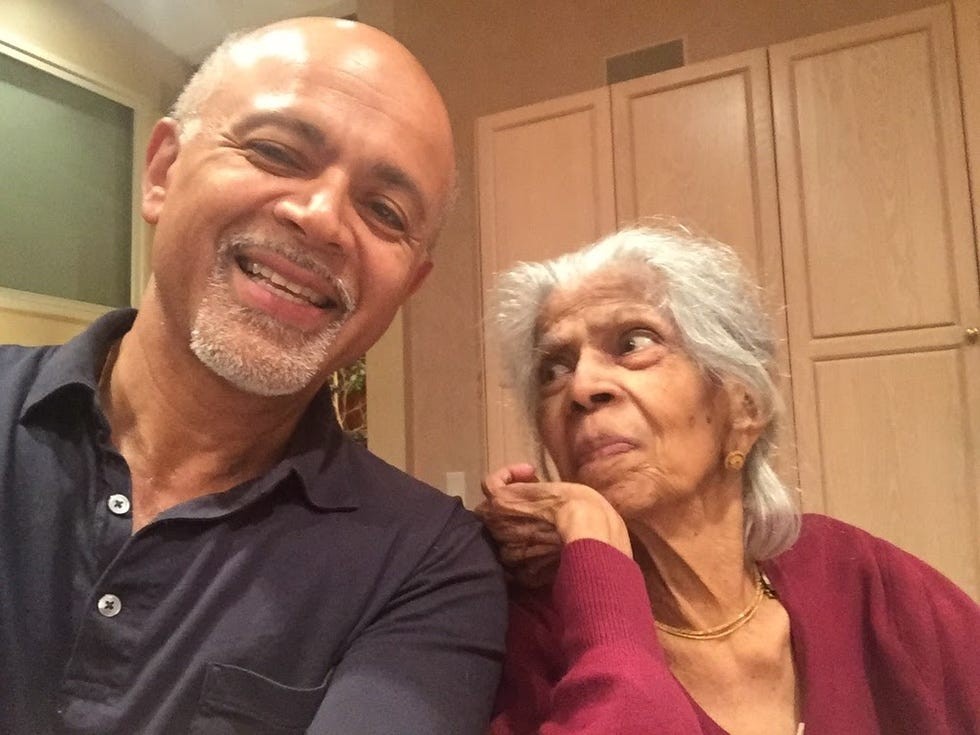
Abraham Verghese with his mother
The essential takeaway is that these interconnected themes converge on a single conviction: a community’s ethical integrity is revealed in its treatment of its most marginalized members, whether a young girl subjected to forced marriage, a person stigmatized by illness, or a worker subjected to class-based exclusion. The current global landscape repeatedly contradicts this moral principle, yet Abraham examines it with exceptional empathy and humanity. Diaspora, divided households, solitude, dislocation, and the restructuring of family units have challenged conventional understandings of kinship, community, and belonging. The narrative depicts interpersonal connection as a source of security during turbulent times.
You may also like: