Written by: Ayesha Shoukat
Posted on: July 22, 2026 |  | 中文
| 中文

Pakistani and Chinese families celebrating festivals together, strengthening family bonds and warmly welcoming loved ones.
Pakistan and China are two countries with rich cultural traditions and strong family values. They speak different languages, have different customs and histories, but both are famous for their hospitality and generosity. In both cultures it is a sign of respect, kindness and good character to welcome guests. From family get-togethers to festivals or even a random visit, everyone is welcomed with warmth and care.
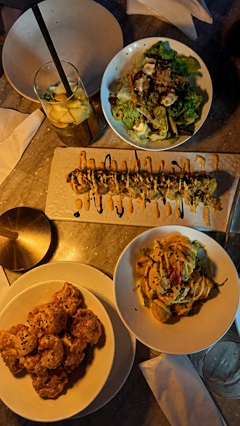
The concept of hospitality is deeply rooted in the Pakistani culture with the popular saying "Mehman Khuda ki Rehmat Hota Hai" (A guest is a blessing from God). Families will often greet visitors with a warm smile, heartfelt greetings and a comfortable seat to sit. Tea, snacks, sweets or full meal is served even with no prior notice. Hosts typically expect guests to eat more and try to make them feel at ease and respected. Withholding food and refreshments is seen as an act of bad manners as generosity is a deeply embedded part of Pakistani culture.

In Chinese culture, sharing tea and a meal is a heartfelt expression of respect, friendship, and hospitality.
Chinese culture also values the respect and sincerity in welcoming guests. Traditional values which focus on harmony, politeness and mutual respect have an impact on hospitality. People are generally welcomed with open arms and hosts will often cook up a feast to celebrate their guests. It is a part of Chinese hospitality to share a meal, which helps to build connections and demonstrate friendship. Tea is also a traditional symbol of welcome and it is a sign of respect and appreciation to offer tea to visitors.
While the customs of the two countries may differ, they do have a lot in common. The guests are treated with kindness and are made to feel at home in both Pakistan and China. The hosts always put their guests' comfort above their own and treat it as a privilege to entertain them. Family members work together in preparing the food, setting the table and making everyone feel comfortable.
The generosity of the two nations is also emphasized by festivals and special occasions. Families celebrate Eid in Pakistan and the Chinese New Year in China by extending invitations to relatives, friends and neighbors to come together and share meals and celebration. These events foster family unity, connection, and strengthen relationships. Gifting and wishing good fortune are also popular customs, demonstrating respect for others and their feelings.

In Pakistan, every guest is welcomed with heartfelt hospitality, generous food, and genuine respect.
Hospitality also contributes significantly in the development of friendship between Pakistan and China. The two countries have a long history of friendship, sometimes referred to as an "all-weather friendship". Through cultural exchanges, educational initiatives, tourism, and business collaborations, individuals from both countries can gain firsthand experience of the traditions of kindness and generosity. The warm welcome received by visitors is often welcomed and contributes to the understanding and respect of each other.
The principles of hospitality and generosity are as relevant as ever in today's world. They remind us to care for others, to build meaningful relationships and to make welcoming communities. The customs of Pakistan and China demonstrate that hospitality is not about the lavish gifts or the sumptuous dinners, but rather about the sincerity and kindness, and the desire to make others feel valued.
To sum up, hospitality is a valued tradition in Pakistani and Chinese culture. Although the customs and lifestyles of the two countries differ, they both believe that it's a sign of good character to treat guests warmly, generously and with respect. These are values that still unite people, foster friendships, and serve as a source of inspiration for future generations to be kind in their everyday lives.
You may also like:
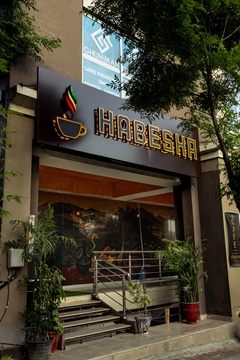
From the Horn of Africa to Bahria Town: Habesha Café Brings Centuries of Coffee Culture to Rawalpindi
(October 15, 2026)