Written by: Muhammad Suhayb
Posted on: May 25, 2026 | 
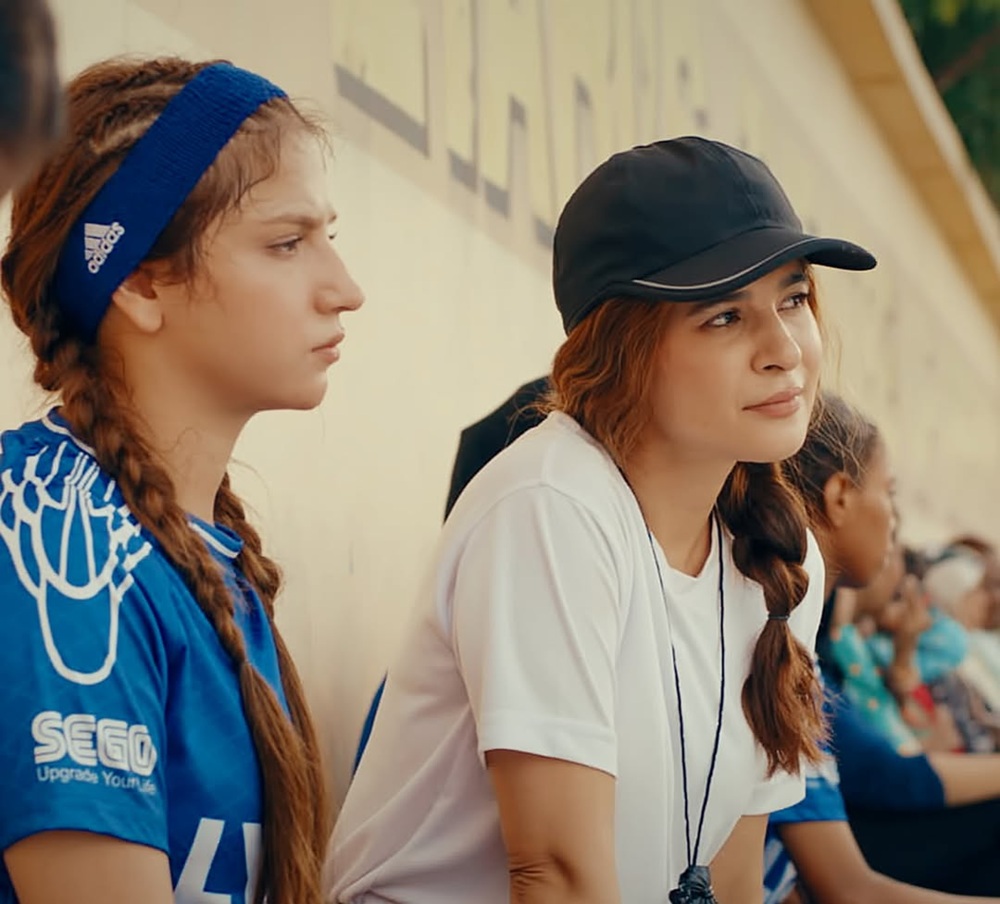
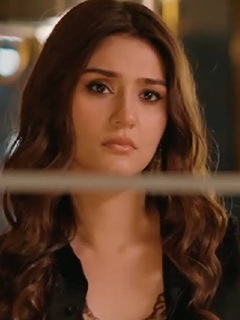
Ayesha Omar as Bahnaz and Dananeer Mobeen as Afsana in Mera Lyari
It was the trio of Producer, actor Ayesha Omar, Writer, director Abu Aleeha, and senior actor Nayyar Ejaz that convinced me to watch Mera Lyari, especially since their previous collaboration, Taxali Gate. The film made in Lahore in 2024, was a fairly decent attempt at shedding light on an area long associated with both notoriety and cultural prominence. Ayesha Omar’s role was complicated in that film, when a rape case, was solved in one PAISHI, however the way characters were written, was appreciative. When I went in to watch Mera Lyari, I was confident that Abu Aleeha must have improved this time but sadly, he didn’t. There was also the inevitable comparison with Dhurandhar, the big-budget Bollywood production that portrayed Lyari as the breeding ground of every evil linked to India. Walking out of the cinema, I found myself somewhat satisfied and disappointed— satisfied that Mera Lyari at least attempted to tell a different story about Lyari, yet disappointed that a film with such strong themes and emotional potential never fully came together in the way it should have.
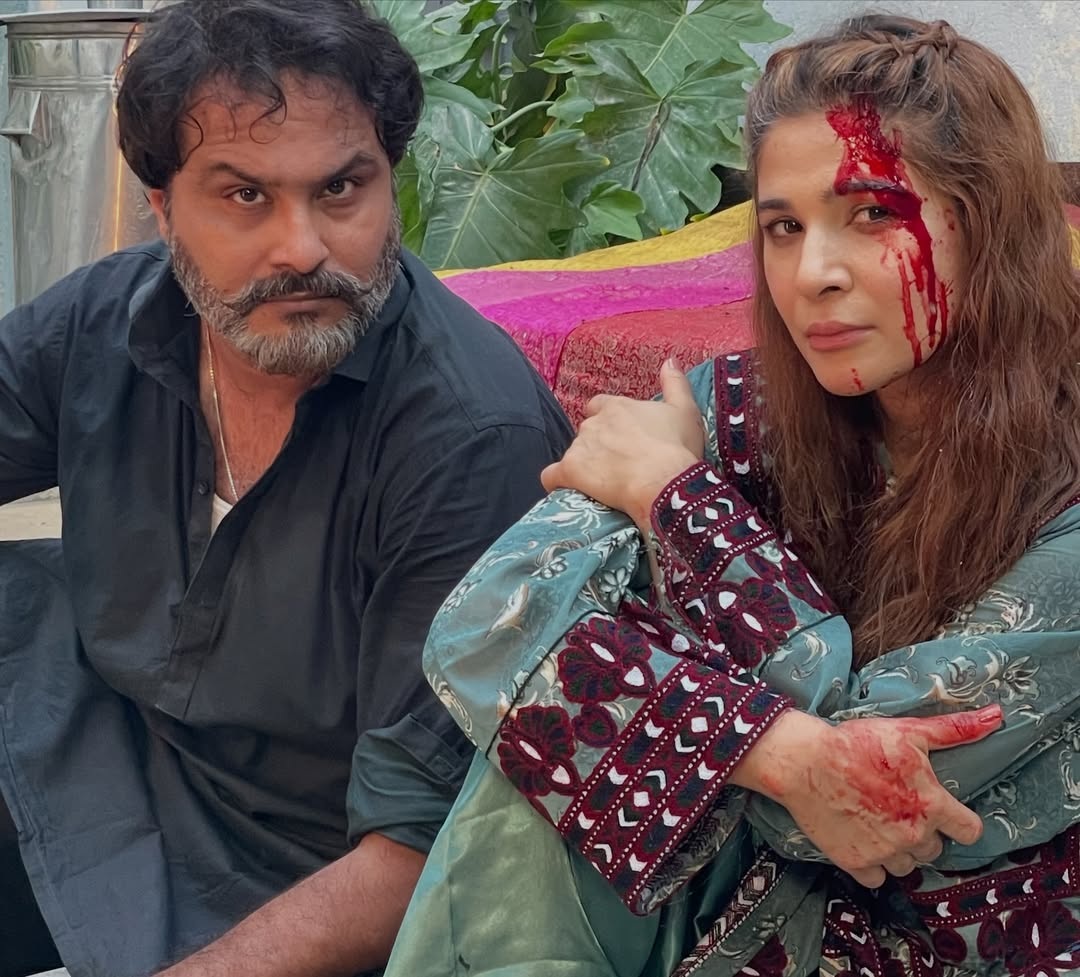
Paras Masroor as Ayesha Omar's husband in Mera Lyari
At the moment, the main issue with Pakistan cinema, is attracting audience by showing stories rooted in local identity and social realism. Written as well as directed by Abu Aleeha, the film with the support from Sindh Government, looked under cooked. The story revolves around a young girl named Afsana, who, along with her best friend Kashmala, dreams of pursuing football in a society more concerned with marrying girls off than nurturing their ambitions. In Lyari, being born a boy comes with privileges, while young women are expected to conform to traditional expectations and family pressures.
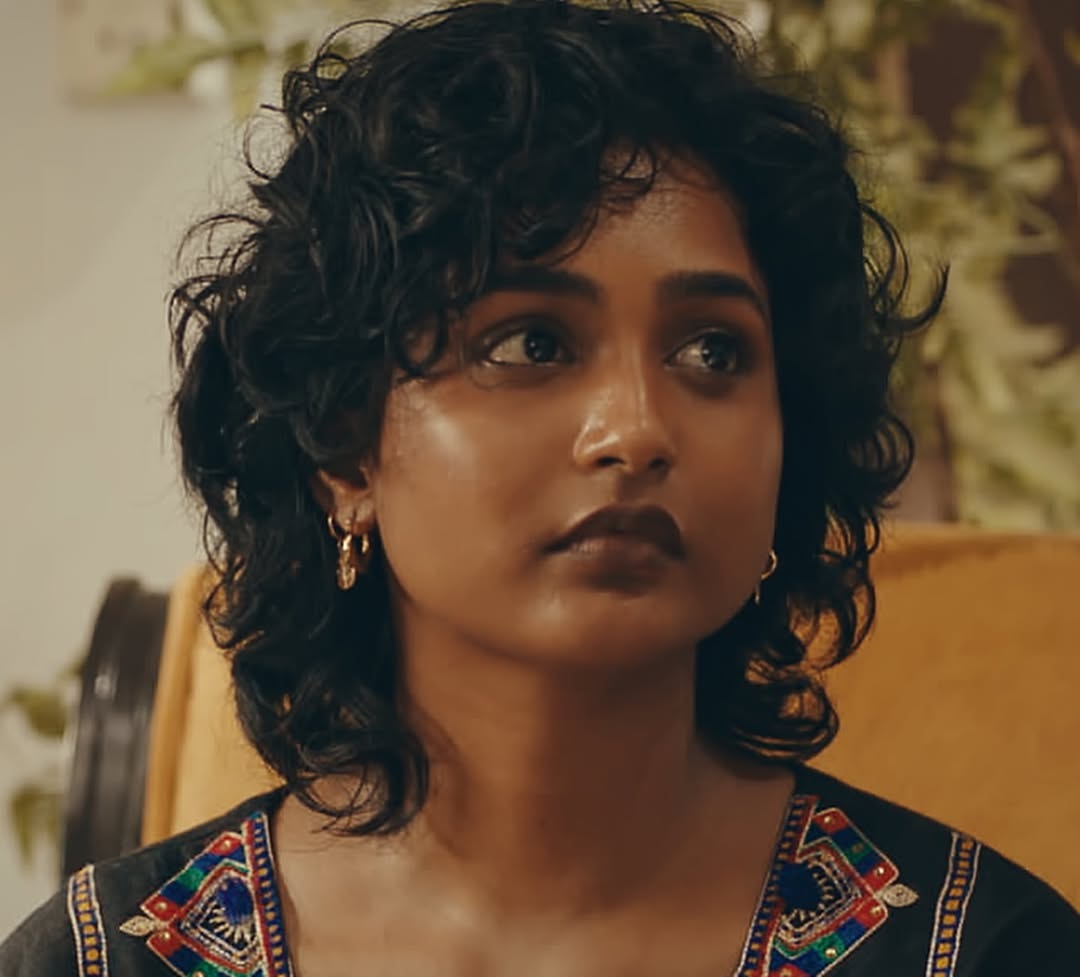
Trinette Lucas as Kashmala
The narrative takes a decisive turn with the arrival of Behnaz, a former football star and now Pakistan’s women’s team coach, who returns to her hometown of Lyari in search of fresh talent. When she discovers Afsana’s natural ability and determination, the film settles into a familiar underdog sports-drama formula, following the young girl’s struggle to balance personal dreams against the rigid social realities surrounding her. We are introduced to a father desperate for a son despite being in his late 50s, a manipulative neighbour obsessed with marrying repeatedly, and an abusive ex-husband threatened by his wife’s passion for football. Played by Nayyar Ejaz, Adnan Shah Tipu, and Paras Masroor respectively, these characters feel more like disconnected plot devices than fully realised people. The film never properly explains why Nayyar Ejaz’s character entry begins with performing a “Balochi” dance, why Tipu’s character is driven by an almost comic obsession with marriage, or how Behnaz transforms into an overly polished, English-speaking personality after suffering a career-ending injury, divorce, and a difficult life in Lyari.
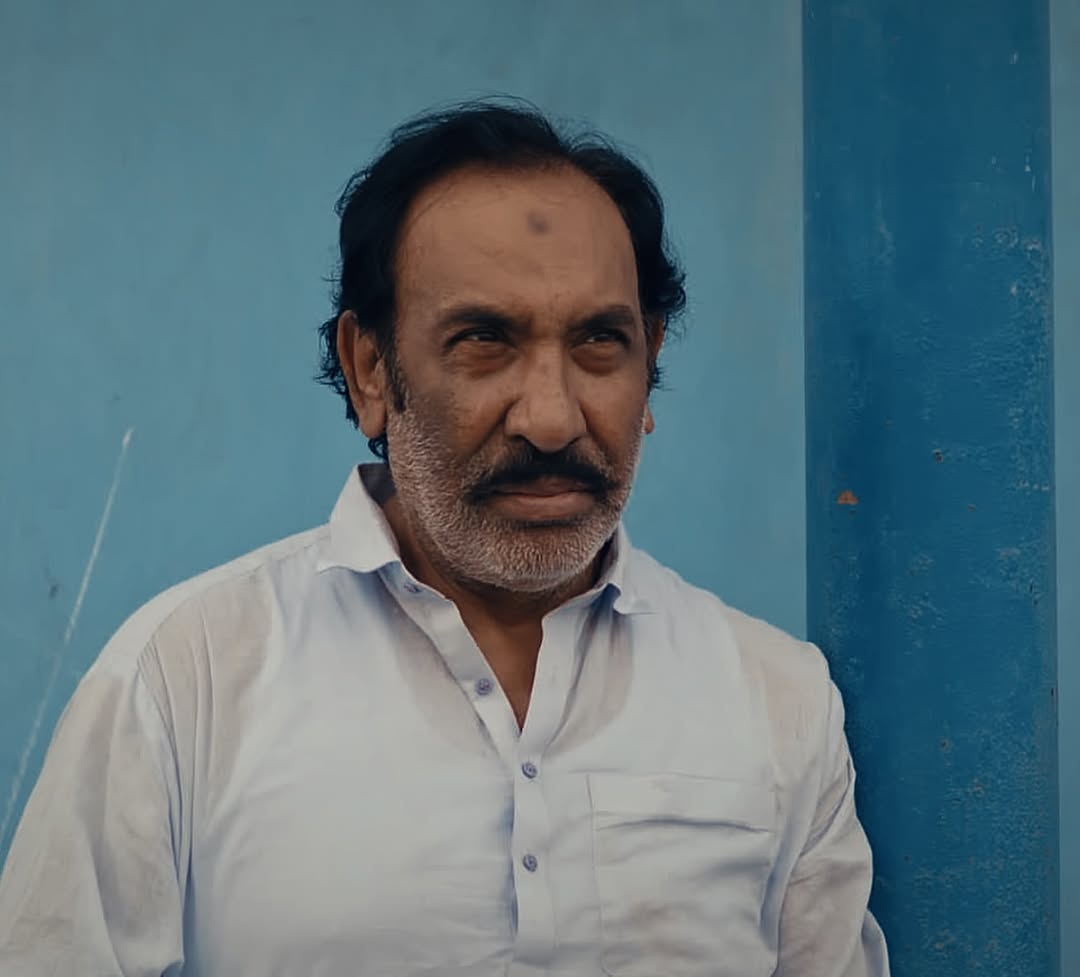
Nayyar Ejaz as Arif Baloch in Mera Lyari
The underdog story settles in the background with other issues coming in the fore. The overused flashback sequences often leave the viewer disoriented, making it difficult to stay grounded in the film’s timeline, while several potentially powerful scenes suffer from weak writing and uneven execution. Questions surrounding key character arcs remain frustratingly underexplored: how did Behnaz rise to become a top football coach despite her limp, why does Arif Baloch’s hardened attitude suddenly soften after a single conversation with a passerby, and what exactly gives Samiya Mumtaz’s character the courage to finally stand up against years of oppression?
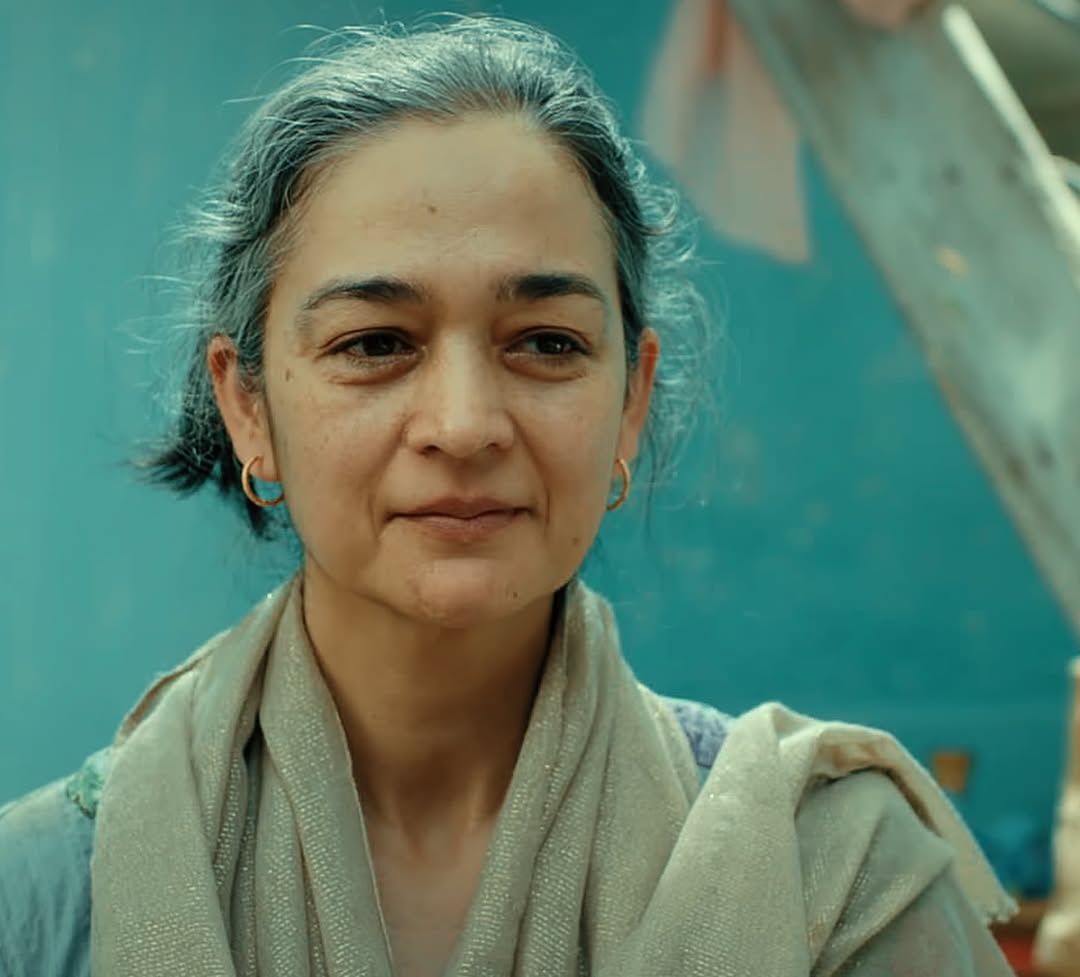
Samiya Mumtaz as Shakira Hussain
The film also occasionally handles sensitive social dynamics in ways that feel disconnected from the cultural reality it is trying to portray. In a conservative environment where physical abuse is often normalized within households, openly discussing the intimate aspects of parents’ relationships with one of them still remains deeply taboo. Moments like these weaken the film’s realism and make certain emotional beats feel forced instead of authentic.
The film’s strength is undoubtedly Dananeer Mobeen, the girl who played Afsana. From her PAWRTY HO RAHI HAI days, she had emerged as a rising star for the media industry, with commercials, dramas and now a film. Playing Afsana, a determined girl from Lyari aspiring to become a professional footballer, Dananeer brings emotional depth, vulnerability and confidence to the role. Even when the screenplay weakens, her performance keeps the audience emotionally invested. However, it seemed that in order to give Afsana the spotlight, the makers neglected Kashmala, the dark-skinned friend who has trouble with her bhayya and Bhabhi at home.
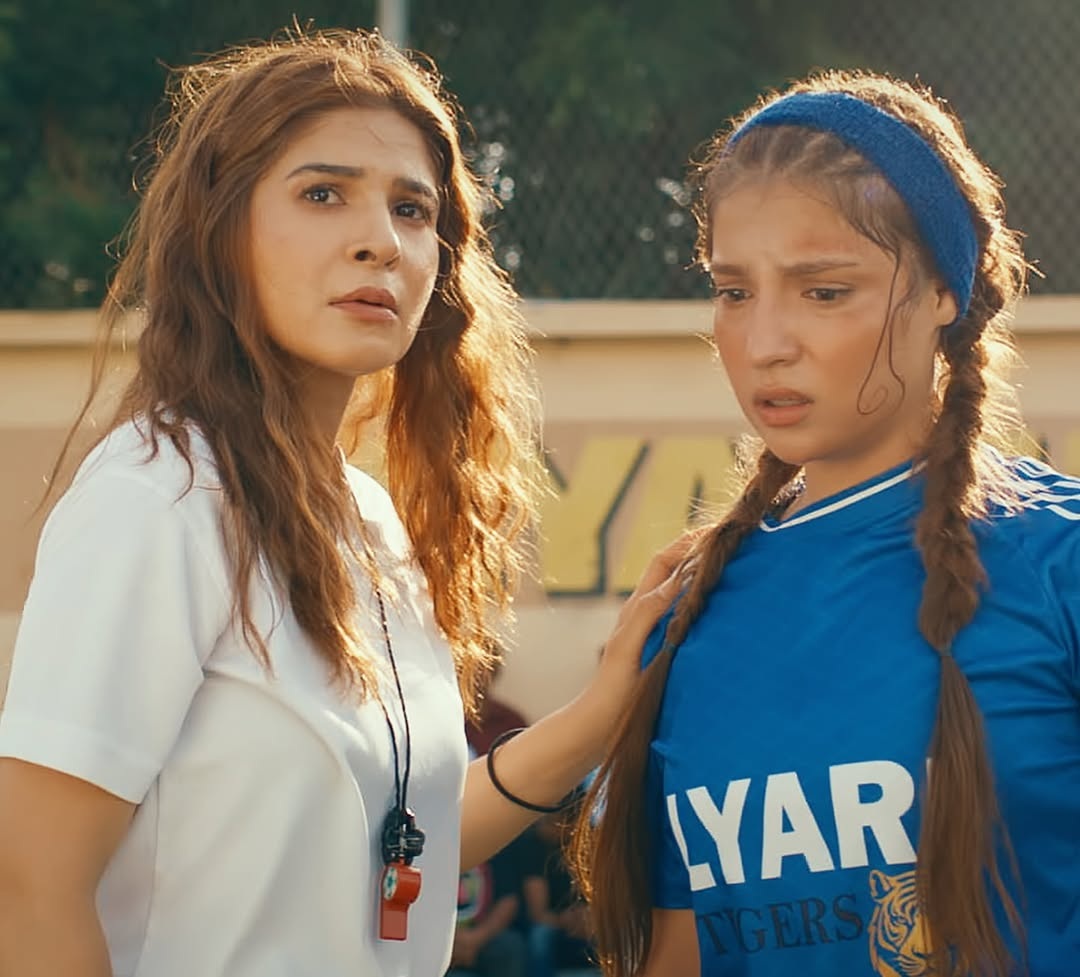
Ayesha Omar and Dananeer Mobeen in Mera Lyari
After the hype Mera Lyari got from Dhurandhar’s release, there was a chance that it would show a ‘anti-Dhurandhar’ model to the world, but failed to capitalize on a brilliant opportunity. The Mera Lyari has a contemporary setting rather than the 90s, when Lyari was a little bit of what we see in Dhurandhar. Mera Lyari is actually shot in Lyari and the problems we see are real, not some leader’s propaganda. The big budgeted Bollywood blockbuster uses Lyari as a setting for suspense and conflict; while our film attempts to humanize the neighborhood through personal ambition, resilience, and everyday struggles. It tried to address issues such as gender discrimination, forced marriage, and toxic patriarchy, but the screenplay often feels weighed down by clichés, uneven pacing, and underdeveloped subplots.
In the end, Mera Lyari feels like a film with a powerful heart buried beneath inconsistent execution. It may be perfect time for Abu Aleeha, a journalist-turned-filmmaker, to either sharpen his screenwriting craft or collaborate with a stronger writer, maybe the veteran Nasir Adeeb, who is alive and kicking. Otherwise watching commercial films would feel OK to the people of Pakistan, rather than going out for experiments.
You may also like:
From the Horn of Africa to Bahria Town: Habesha Café Brings Centuries of Coffee Culture to Rawalpindi
(October 15, 2026)