Written by: Saram Maqbool
Posted on: July 13, 2026 | 
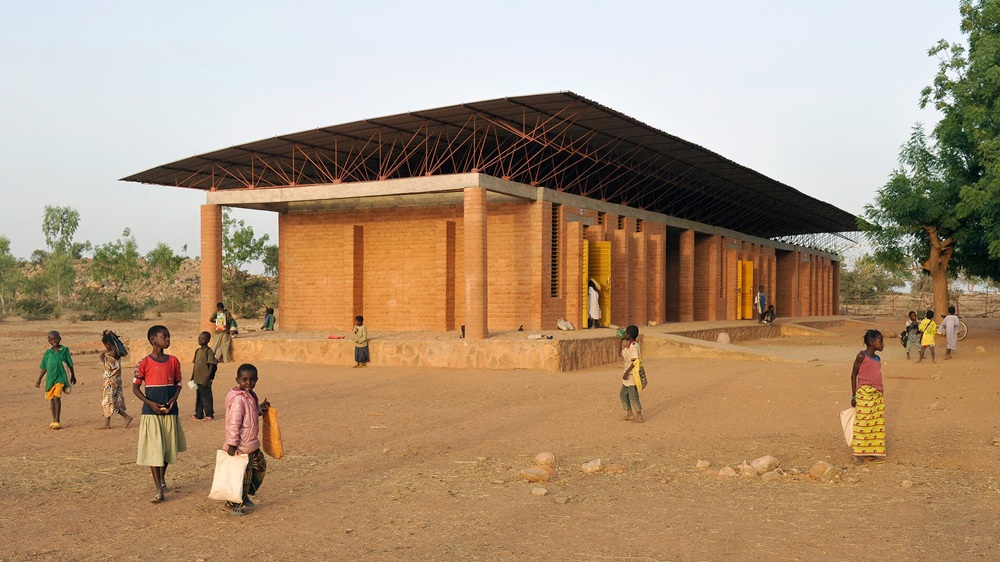
The Gando Primary School by Francis Kéré
Up until a few years ago, it seemed as if the one type of architecture that was globally applauded was monumental in scale. Steel and glass towers, along with sprawling parametric spectacles, took center stage for most of the late 20th and early 21st centuries. That’s not something to frown upon in and of itself, of course, since these monolithic structures were a testament to the advancements in design and construction technologies. However, history has taught us that architecture often moves in cycles of reaction. Monumentality gives way to restraint, ornamentation gets converted into minimalism, and technological prowess gets tempered by human need. The year 2026 is telling a similar story, one in which the conversation is shifting toward warmth, tactility, and emotional resonance in architecture. Smaller interventions and human-scaled spaces are replacing the abstraction of oversized icons, of which there are perhaps too many in the world already.
This shift emerges from multiple crises, including climate anxiety, placeless urbanism, and urban fatigue that arose in the post-pandemic world. The glass towers that once represented progress are now being criticized for their environmental inefficiencies and social detachment. The growing criticism extends to fully glass facades that demand enormous cooling loads, which is especially problematic in a world battling with an energy crisis. The more you look at it from an objective eye, the more this kind of monumental architecture seems disconnected from every experience.
Recent architectural awards reflect this changing mood as well. Architects prioritizing materiality, context, and social engagement are being widely recognized, which showcases a broader shift in professional values. The work of Francis Kéré, awarded the 2022 Pritzker Prize, remains emblematic of this shift. Kéré’s projects rely on local materials, passive cooling, and participatory processes rather than formal spectacle. Schools and civic buildings constructed from earth and brick emphasize climate responsiveness and communal dignity. Their power lies not in monumentality, but in empathy. Kéré’s recognition signals the important message that architecture can be globally significant without being visually dominant, something that seemed to have been all but forgotten for a long time.
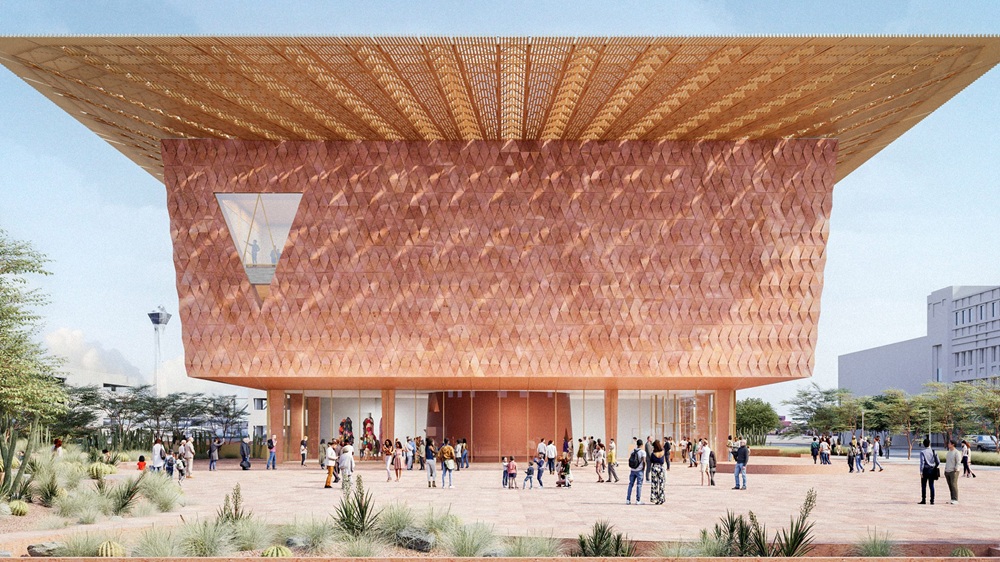
Las Vegas Museum of Art design by Francis Kéré
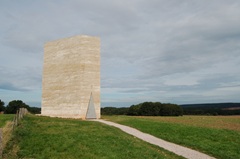
Similarly, the growing admiration for architects like Peter Zumthor and Xu Tiantian reflects a renewed appreciation for atmosphere and intimacy. Zumthor’s buildings are remembered less for iconic forms than for sensory experiences birthed by the sound of water, the texture of stone, and the modulation of light. Xu Tiantian’s rural interventions in China, often modest in scale, prioritize social revitalization over spectacle. Her projects demonstrate that architecture’s impact can emerge through subtle transformation rather than monumental declaration. Architecture festivals and biennales are also reinforcing this narrative. At recent editions of the Venice Architecture Biennale, conversations have moved away from object-building toward repair, reuse, and emotional engagement. Instead of talking of futuristic megaprojects, exhibitions talk more about local materials, circular construction practices, and community-oriented spaces.
I also think that the pandemic years played a part in accelerating this reorientation. As everyone spent months at a time confined indoors, architects and clients both began reconsidering what architecture actually provides. Comfort, daylight, and psychological well-being started gaining more attention as opposed to spaces that feel void of any warmth and character. As a result, a resurgence of warmer palettes and layered spaces re-entered architectural language. This material shift is particularly visible in residential architecture. Around the world, architects are embracing smaller-scale interventions that prioritize quality of experience over sheer visual impact. Renovations, adaptive reuse, and incremental projects increasingly attract critical attention. In cities such as Copenhagen and Tokyo, architects are transforming narrow plots and forgotten urban spaces into highly nuanced environments that privilege human interaction. Architecture becomes less about imposing order and more about accommodating complexity.
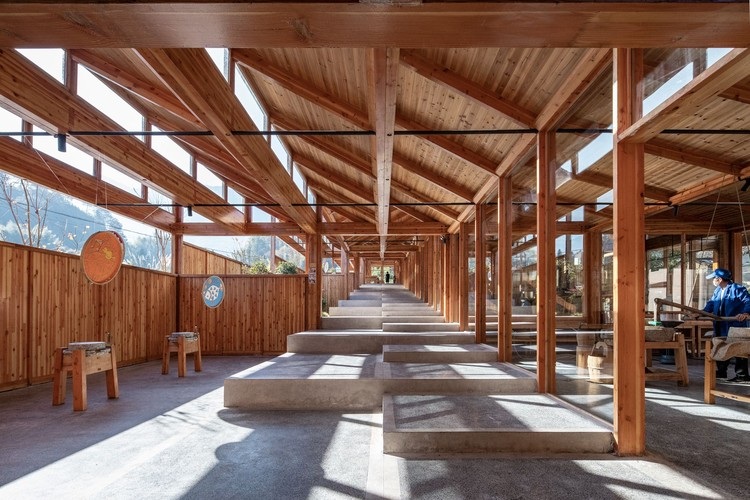
Tofu Factory by Xu Tiantian
In Japan, architects continue to model an architecture of restraint and intimacy. Projects by figures such as Kengo Kuma consistently reject monumentalism in favor of fragmentation and material warmth. Kuma has famously criticized what he calls “concrete and steel objects,” instead advocating for buildings that dissolve into their surroundings through wood, bamboo, and layered textures. His work resonates strongly with contemporary discourse precisely because it promotes emotional connection over visual dominance.
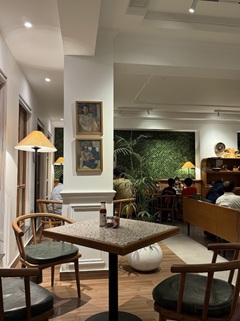
Even commercial architecture is beginning to shift. Hospitality spaces, workplaces, and retail environments increasingly emphasize comfort, locality, and sensory richness. Offices designed after the pandemic now prioritize terraces, informal gathering spaces, and daylight rather than maximizing density. Cafés and cultural venues favor tactile surfaces and adaptable interiors, creating spaces that invite lingering rather than efficiency. This reflects a deeper cultural change as people increasingly seek environments that feel psychologically nourishing. Importantly, this revival of human scale is not simply nostalgia. It does not necessarily reject modernity or technology; rather, it questions how they are applied. Digital fabrication, parametric tools, and environmental simulation are still central to contemporary practice, but increasingly deployed toward creating warmth and responsiveness rather than spectacle alone. Technology becomes invisible, supporting experience rather than announcing itself.
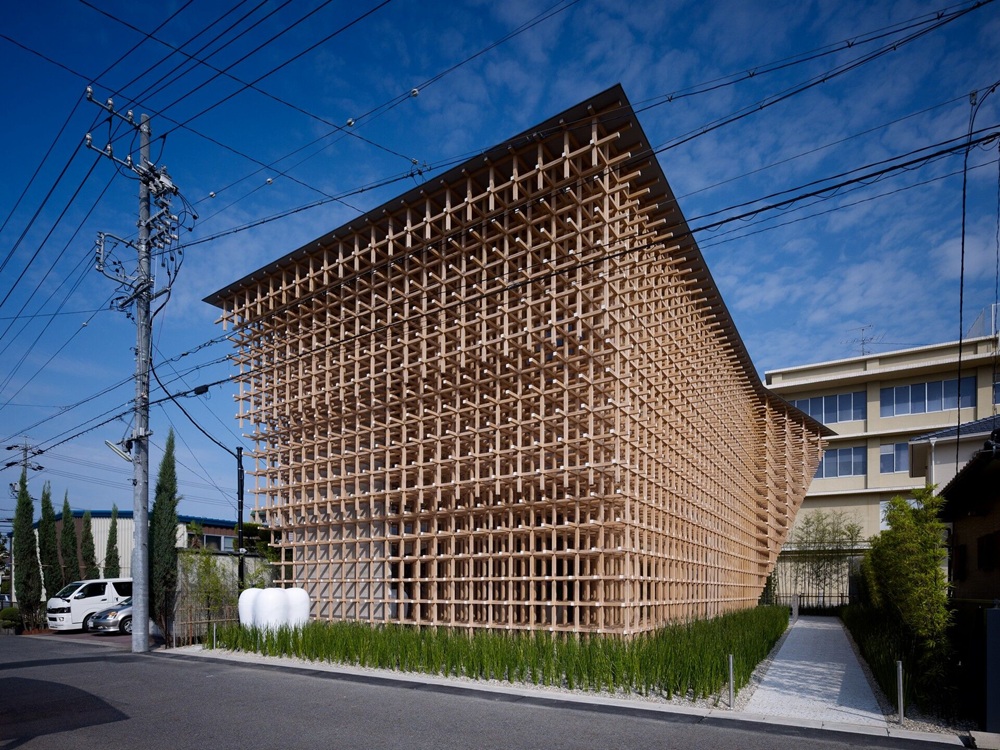
Kengo Kuma's Architecture Reguarly Veers Away From Cold And Sterile Materials
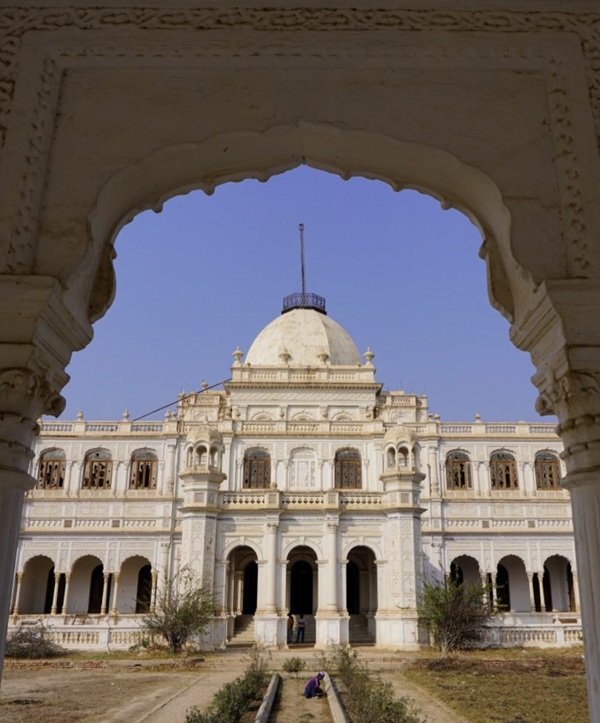
In Pakistan and across much of the Global South, this conversation carries particular relevance. Cities overwhelmed by generic glass developments increasingly face energy inefficiencies and social fragmentation. Human-scaled architecture rooted in local materials like brick and stone, and elements like shaded courtyards and deep verandas, offers not only aesthetic warmth but climatic intelligence. The rediscovery of emotional architecture may therefore align naturally with regional traditions long overshadowed by imported models.
Despite all this, it’s unlikely that the glass monolith will disappear entirely. Corporate symbolism and urban density will continue to shape cities in the future. What truly seems to be changing is the definition of architectural ambition. Grandeur in architecture is no longer measured solely through scale, novelty, or visual impact. The success of a piece of architecture, instead, is increasingly being defined by atmosphere, adaptability, and emotional connection. Architecture has never really been about objects, but rather about how people feel within the space they occupy. And in 2026, the shift toward this inherent quality of building design is a breath of fresh air.
You may also like:

Book Review: The Night in Her Hair by Huma Agha Abbass: A Revival of South Asian Folklore
(July 02, 2026)