Written by: Muhammad Suhayb
Posted on: June 24, 2026 | 
Aamer Yamin
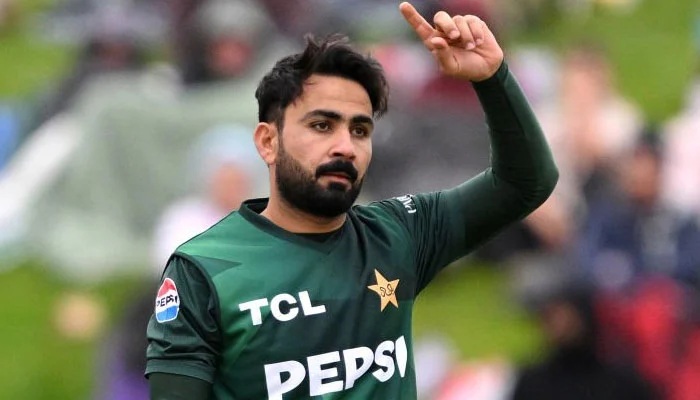
International Cricketer Khushdil Shah’s reaction to the inclusion of Shadab Khan in Pakistan’s ODI squad against Australia exposed what many believe is the harsh reality of Pakistan’s selection process. Khushdil reposted a tweet (later deleted) questioning why Shadab continued to be selected despite his inconsistent performances in the format, while he himself was dropped without any clear justification. Shadab Khan had last played an ODI against England cricket team during the 2023 World Cup, whereas Khushdil Shah featured in the 2025 Champions Trophy. The heavy punishment handed out to Shaheen Shah Afridi and Haris Rauf during the Karachi Kings vs Lahore Qalandars match during the recent PSL may also have contributed to tensions and an apparent ego clash.
Khushdil Shah
The controversy intensified further as the selectors once again favored returning senior players while several young and in-form talents were overlooked. Critics argued that the series against a strong team like Australia should have been used to invest in emerging names like Ali Raza and Hunain Shah rather than persisting with the old guard, especially Shah’s elder yet-to- recover-from injury brother Naseem.
Pakistan played its first T20 International in August 2006, and that side was feared across the cricketing world. With stars like Shoaib Akhtar, Abdul Razzaq and Shahid Afridi, Pakistan could challenge any team. Few would have believed that, within two decades, the team would suffer heavy defeats to the Bangladesh national cricket team, struggle against the United States national cricket team, and become an easy target for stronger sides.
By the mid-2020s, many pundits viewed the Men in Green as a laughing stock, blaming a culture of favoritism, repeated selections, and the decline of merit. Even an eleven-member team can be formed with such rejectees.
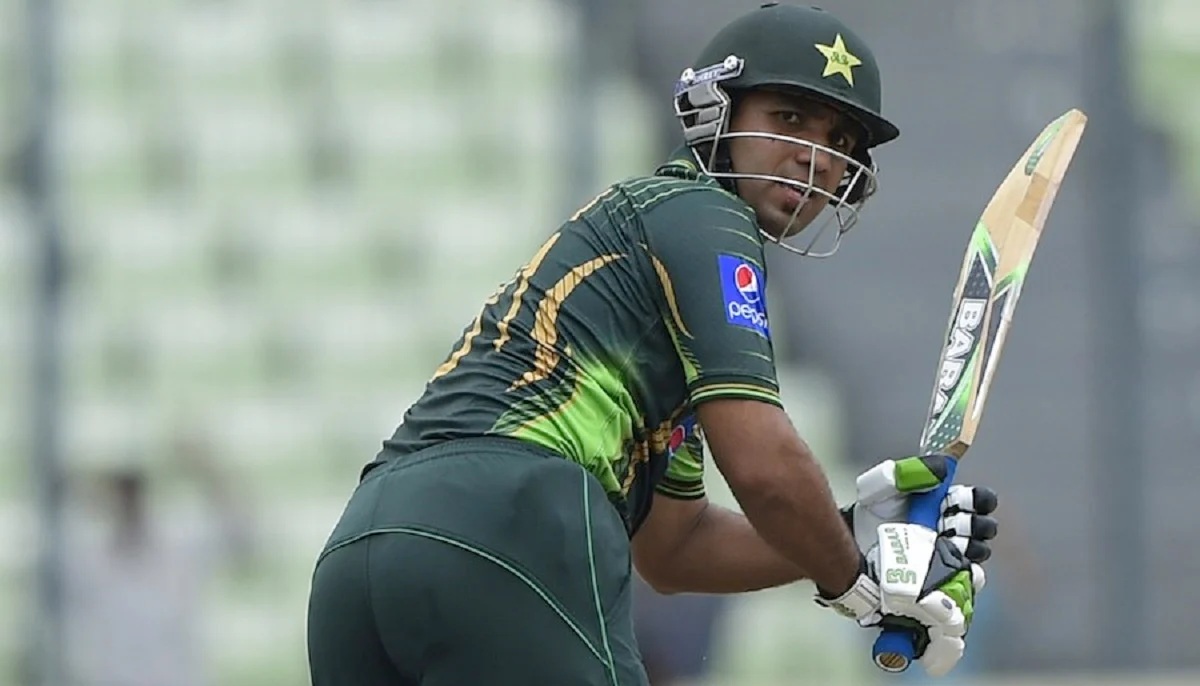
Sami Aslam, the opener who came into the side after the 2015 ODI World Cup, could be ideal to face the bowling, for such a team. He debuted in a Test where his partner Mohammad Hafeez scored 224 and others crossed fifty, leaving him little room to stand out. Yet, he remained part of the Test setup for the next two years. A composed left-hander who starred in youth cricket and led Pakistan to the 2014 U-19 World Cup final, he was eventually discarded while more ordinary performers were given longer runs. Despite early promise, his career faded amid selection snubs and domestic setbacks, leading him to move to the United States in 2020, where cricket was steadily developing.
Sami Aslam
The partner he could ideally have at the top is none other than Fakhar Zaman, the quintessential ‘impact’ player who toiled in domestic cricket before a breakthrough in 2016–17. The Mardan-born Fakhar announced himself with a match-winning century in the 2017 Champions Trophy final. Explosive and clutch, he became a key white-ball force, delivering big hundreds and record knocks. However, injuries and constant shuffling of his batting Position, often to accommodate Babar Azam and Mohammad Rizwan, pushed him to the sidelines. Even in the recent T20 World Cup, he featured in only two matches but made a strong impact when restored to his preferred role.
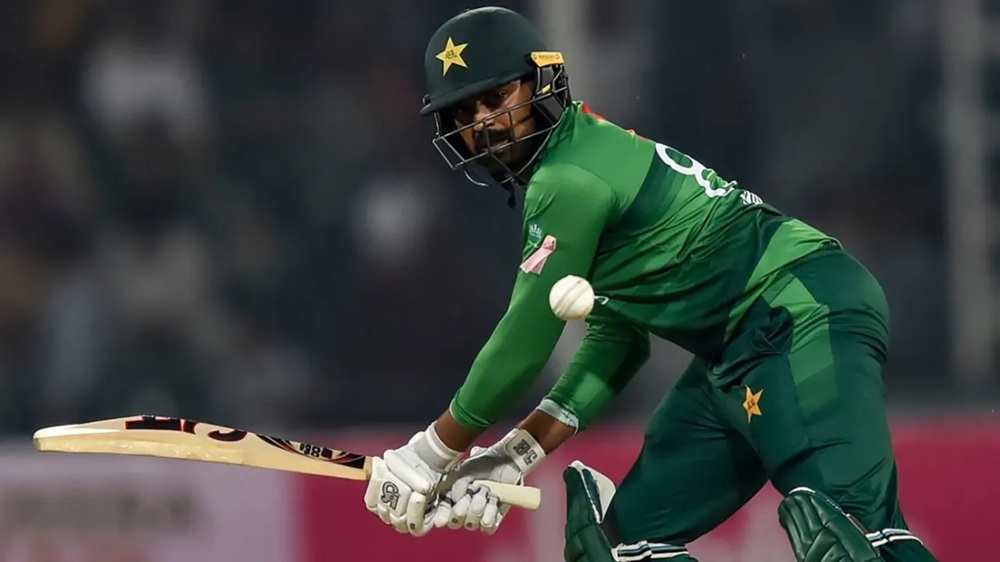
At No. 3, all-rounder Haris Sohail was perhaps more mishandled than neglected. He entered the side at a time when stalwarts Misbah-ul-Haq and Younis Khan were on their way out. His selection was initially questioned, with many believing he was preferred over the more deserving Fawad Alam, who had been kept out of the Test side from 2010 to 2020. Haris justified his place with strong performances, particularly against Bangladesh in 2015, and later reached a peak in 2018 with a century against Australia and a match-winning 147 against New Zealand in Dubai. However, recurring injuries, especially on tours to South Africa and Australia, disrupted his career. By 2021, after a disappointing New Zealand tour, he lost his central contract, with injuries continuing to hamper his availability.
Haris Sohail
Fawad Alam, despite barely overlapping with Haris Sohail, remained a long-standing victim of selection inconsistency. A centurion on Test debut (a first during an away series), and a regular with ODI squad, he lost nearly 11 prime years despite averaging over fifty and scoring heavily in domestic cricket. His return in 2020 saw him produce more centuries than fifties in a short span, yet after just 16 Tests, he was dropped again in 2022 to make way for younger players. He surely had more to offer, and his match winning and match saving innings were a proof of that.
Another product of the U-19 circuit, Kamran Ghulam, comes next. He first came into the spotlight with a century in the 2014 Under-19 Asia Cup final—a match Pakistan lost under Sami Aslam’s captaincy, with future internationals Imam-ul-Haq and Saud Shakeel also in the side. A consistent run-machine in the Quaid-e-Azam Trophy, he eventually broke into the Test team in 2024. With Babar Azam dropped due to prolonged poor form, Kamran seized his chance. On Debut, coincidentally on Babar’s 30th birthday, he scored a century, instantly drawing attention. Yet, as Pakistan’s 13th Test debut centurion, it almost felt as though the number carried an eerie symbolism in an unpredictable system.
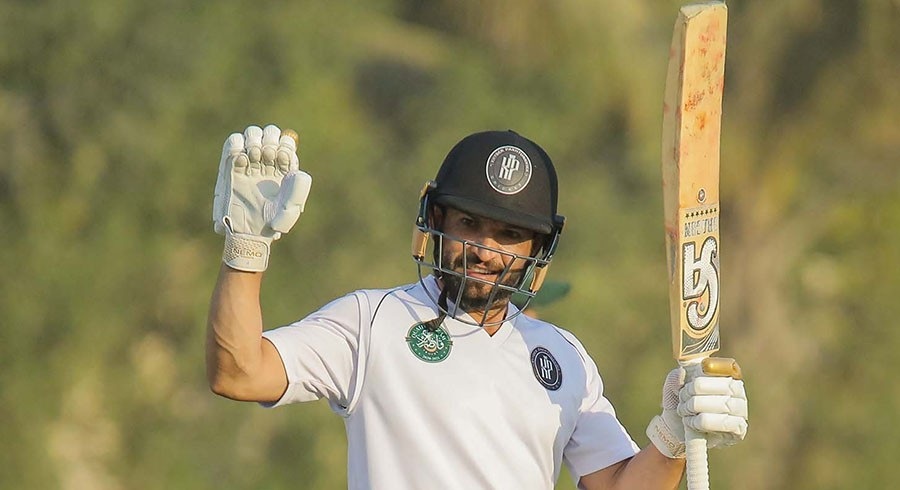
Kamran Ghulam
Another ‘mishandled-cum-neglected’ player is Umar Akmal, younger brother of Kamran Akmal and Adnan Akmal, and cousin of Babar Azam. Umar burst onto the scene with rare flair, scoring a century on Test debut in Dunedin against an attack featuring Shane Bond and Daniel Vettori, while no other specialist batter crossed 30. His fearless strokeplay and early consistency marked him as a future mainstay. However, a dip in form and disciplinary issues led to his exclusion, and in 2020, he was suspended by the PCB for breaching its Anti-Corruption Code. With Sarfaraz Ahmed leading and occupying the wicketkeeper-batter role, Umar’s path back became increasingly narrow.
With T20 opportunities fading, being axed from ODI, and captaincy no longer in contention, a replacement is required for Mohammad Rizwan. Yet, given his tactical awareness, stature, and shrewd mindset, only a strong and decisive system could replace him. Recent selections—such as Ghazi Ghori, picked primarily as a wicketkeeper for the Bangladesh tour but used mostly as a batter—raise further questions. In the situation and backing of former wicket keeper batsman Rashid Latif, Rohail Nazir emerges as a far more complete contender. A consistent run-scorer, Rohail has already impressed in domestic cricket with a List A average above 40, including multiple centuries and fifties, and a T20 strike rate over 135, combining aggression with reliability. Behind the stumps, his record is equally solid: over 80 dismissals in domestic cricket, with quick hands and sharp anticipation. A former U-19 captain, Rohail brings leadership, composure, and technical proficiency and is arguably the most credible wicketkeeper-batsman to challenge Rizwan.
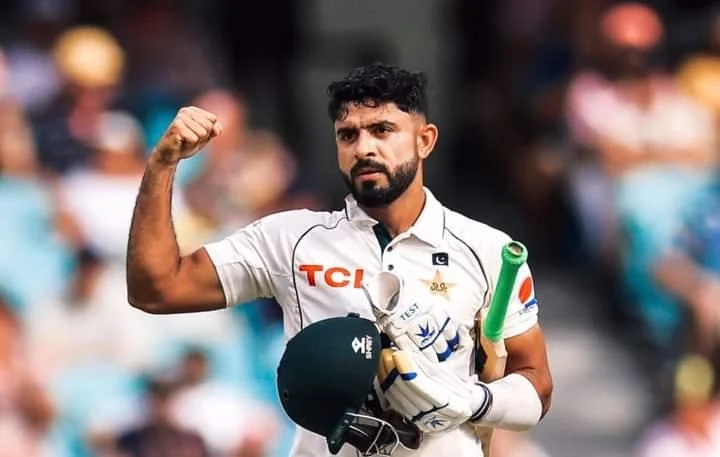
Aamir Jamal
The next set features two all-rounders, and two specialist bowlers, all sidelined for reasons that appear less than cricketing. Aamir Jamal and Aamer Yamin have often been overlooked despite their potential. Jamal, hailing from Mianwali, idolized Imran Khan and offers a rare combination of aggression with both bat and ball. A product of U19, he played club cricket in England and Australia but could not get selected. After briefly stepping away from the game, he returned to make his T20 debut in 2022 and impressed with lower-order runs and crucial wickets, including multiple five-wicket hauls. His performances in eight tests and nine limited overs matches show promise, yet his progress was abruptly halted, when his idolization of Imran Khan went Overboard.
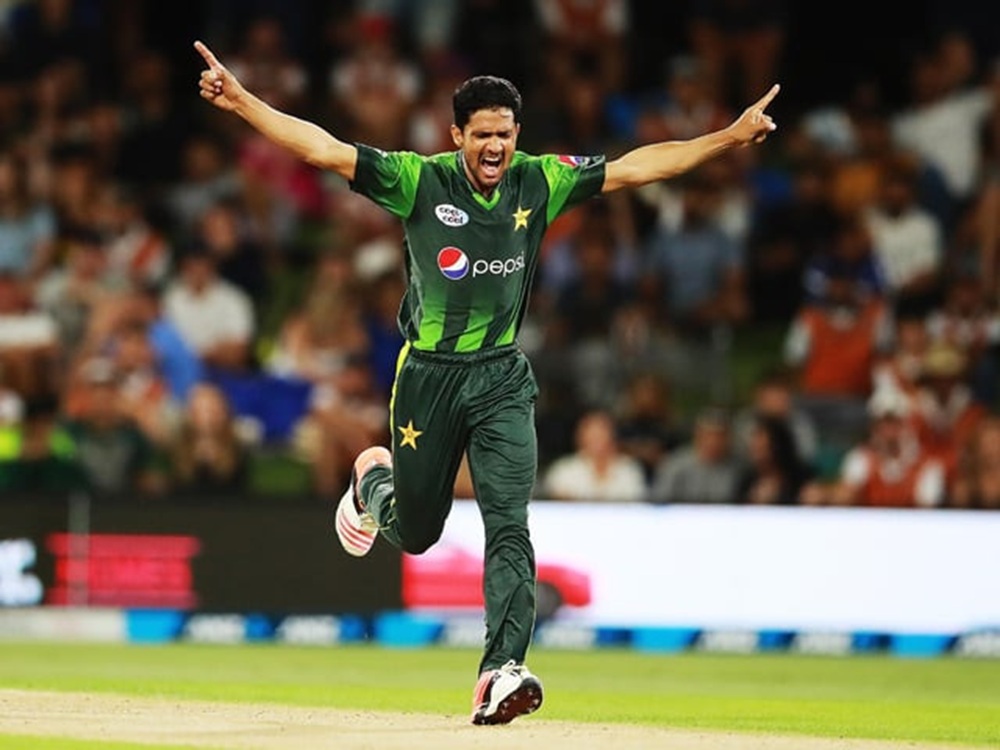
Aamer Yamin, too, boasts strong credentials: a domestic double-centurion, a wicket with his very first T20I delivery, and impressive all-round averages. With politically connected players like Hari Rauf and Faheem Ashraf in the mix, this talented youngster may remain sidelined for years. Could Faheem Ashraf replicate what Aamer Yamin achieved in just his second ODI: scoring 62 under pressure and taking the team from 76/6 to 187/7 in just eighteen overs? Sadly, no. Yet, by overlooking Yamin, it seems Pakistan’s selectors are more focused on brands than genuine talent.
Usman Qadir, son of the legendary Abdul Qadir, returned from playing cricket in Australia with high expectations but found himself trapped in an inconsistent system. Despite flashes of brilliance, he struggled to cement his place due to competition from Shadab Khan and persistent off-field narratives. Ultimately, with limited opportunities, he chose to look back toward Australia.
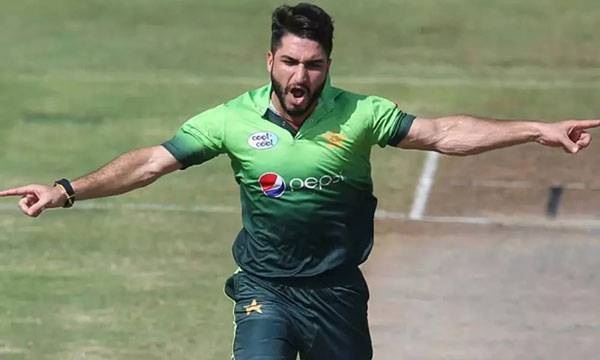
Usman Shinwari
Another case is Usman Shinwari, a left-arm pacer once seen as a future prospect. Despite delivering solid ODI performances, he has remained on the fringes. Injuries have played a role, but so have inconsistent selection policies, especially when compared to others who continue to be backed despite prolonged dips in form.
Taken together, these stories present a recurring theme: Pakistan cricket is rich in talent but often poor in continuity. The system produces players in abundance, yet struggles to nurture and retain them with consistency, leaving many promising careers unfulfilled, and unpromising careers prolonged.
You may also like: