Written by: Shiraz Aslam
Posted on: June 10, 2026 | 

Farhan Saeed is the lead male protagonist in Bas Tera Saath Ho.
In case you’re tired of the cliched TV trope of an innocent daughter-in-law suffering at the hands of her new in-laws, ARY Digital offers a refreshing alternative on Mondays and Tuesdays at 8 PM. Bas Tera Sath Ho, starring Farhan Saeed as Anas and Sana Javed as Ansa, presents a riveting plot that explores the dark cruelties of family life. For a change, viewers will not have to bear witness to the emotional abuse and manipulation of female victims. In fact, the drama shines a light on the cruelties that can affect anyone, regardless of gender, making for a riveting and thought-provoking watch.
Farhan Saeed may be best known for his soulful romantic songs, but Bas Tera Sath Ho showcases a different side of the actor. As Anas, he delivers a nuanced performance as a university student struggling under the weight of a toxic family environment, bringing both vulnerability and emotional depth to the role. Meanwhile, Sana Javed has built a reputation for portraying strong-willed, outspoken protagonists who refuse to conform to traditional stereotypes. As Ansa, she is perfectly cast as a determined and principled university student who is never afraid to stand up against injustice, even when her stubbornness occasionally lands her in difficult situations.

Sana Javed as Ansa is the lead female protagonist in Bas Tera Saath Ho.
On paper, Anas and Ansa could not be more different. Anas hails from an affluent household sustained by a thriving family business, while Ansa comes from a struggling family barely managing to make ends meet. Their financial hardships have only worsened since the death of her father after a prolonged illness. The contrast extends beyond their socioeconomic backgrounds and into their personalities. Anas is shy, reserved, and often weighed down by the challenges surrounding him. Ansa, by contrast, is confident, outspoken, and radiates with positive Energy.

Sana Javed brings Ansa’s bold character to life.
Diving deeper into their family struggles, Anas is paying the cost of the “wrongdoings” of his father, who had eloped with Anas’ mother against their family’s wishes. Following his parents’ death in a car accident, Anas was taken in by his tayya’s family and his dada. While his grandfather is a source of affection and support, the same cannot be said for the rest of the family. Reduced to the role of unpaid servant, Anas does all the household chores, functioning as a gardener, cook, and family’s unpaid servant. However, his material struggles are only a drop in the bucket. Years of neglect, humiliation, and mistreatment have left him carrying deep emotional and psychological scars.
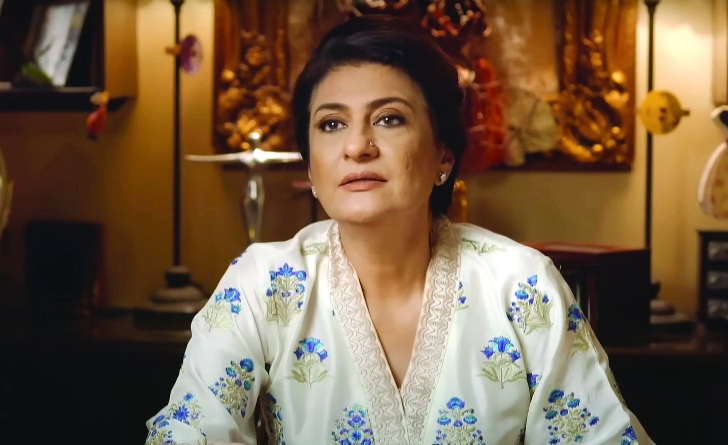
Veteran actress, Saba Hameed, is also a part of the cast.
Anas’ story reflects the hardships many vulnerable children face after losing their parents. Through his experiences, the drama highlights the injustice of holding children accountable for circumstances beyond their control, including the perceived mistakes of previous generations. In an industry where stories of familial oppression focus on female characters, it is striking to see a grown man subjected to similar emotional and psychological abuse. By placing Anas in such a role, Bas Tera Sath Ho challenges conventional gender norms and underscores the fact that toxic family dynamics can affect anyone.
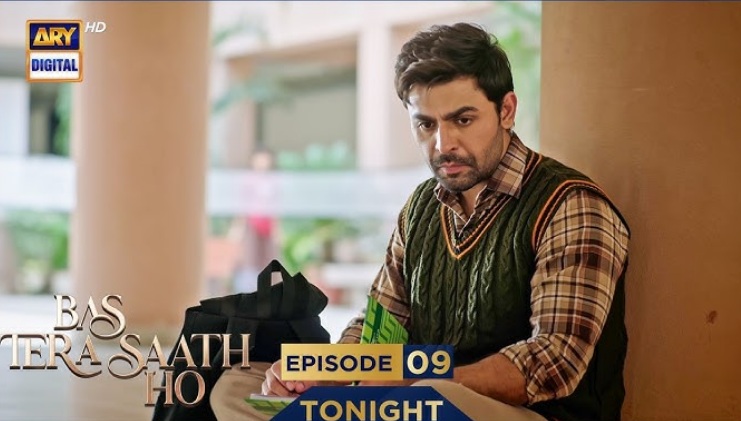
The drama is proving to be a hit on social media.
Simultaneously, the drama explores Ansa’s complex relationship with her elder brother and sister-in-law in the aftermath of their father’s death. Influenced by his manipulative wife, Ansa’s brother frequently treats her with indifference, denying her the dignity, respect, and support she deserves. His determination to withhold the share of the inheritance rightfully left to her by their late father further exacerbates her struggles. As a result, Ansa is often forced to battle financial insecurity, struggling to pay her university fees and, at times, enduring entire days without a proper meal.
University life is a key part of the plot too.
Ansa’s struggles also shed light on the complexities and injustices that often surround inheritance disputes, particularly after the loss of a parent. Like Anas, Ansa is forced to navigate life without the protection and guidance of a parent, exposing her to hardships that no young person should have to endure. In doing so, Bas Tera Sath Ho highlights the lasting emotional and practical consequences of parental loss, regardless of one’s gender or circumstances.

Anas is a victim of psychological and emotional abuse at the hands of his family.
In an era where many television dramas rely on familiar tropes and exaggerated conflicts, Bas Tera Sath Ho stands out by presenting a more nuanced exploration of family dynamics and emotional abuse. The drama demonstrates that neglect, exploitation, and injustice are not confined to a single gender, social class, or household. Instead, they are universal struggles that can leave lasting scars on anyone forced to endure them.
You may also like: