Written by: Maysam Khan
Posted on: June 23, 2026 | 
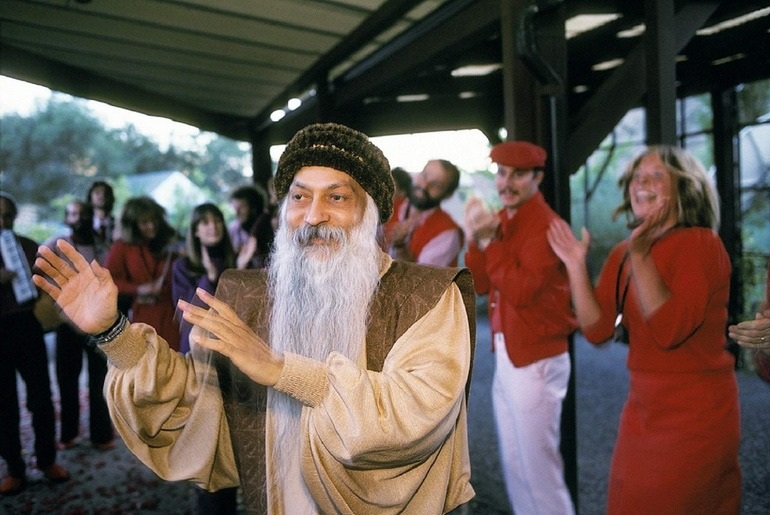
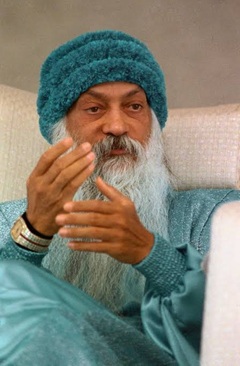
Osho with his followers
Few spiritual figures in modern history have inspired as much devotion, controversy, and confusion as Osho. To some, he was enlightened. To others, dangerous. To history, he remains unresolved.
Born as Chandra Mohan Jain on 11 December 1931 in Madhya Pradesh, India, Osho grew up in an unusually free environment under the care of his grandparents, a freedom that shaped his deeply independent and questioning nature. From childhood, he refused easy answers and was drawn to difficult questions about death, truth, and existence. This intellectual restlessness led him to study philosophy at Dr. Harisingh Gour University and later teach at the University of Jabalpur, while travelling across India criticizing organized religion, blind rituals, and outdated social customs, earning both admiration and controversy.
“I am not a teacher who gives you a doctrine. I am a teacher of being.”
On 21 March 1953, when he was just 21 years old, Osho said he experienced a deep spiritual awakening. He described this moment as a complete shift, a feeling of total emptiness and at the same time total fullness. According to him, this was not something he achieved through years of meditation or struggle. It happened suddenly, almost on its own. This experience became the foundation of everything he taught later. He often said that enlightenment is not about becoming someone special. It is about dropping everything false and simply being yourself without fear, guilt, or pretence. After this experience, he continued teaching for some years before slowly stepping into the role of a spiritual master, eventually attracting thousands of followers, called sannyasins, from India and abroad.
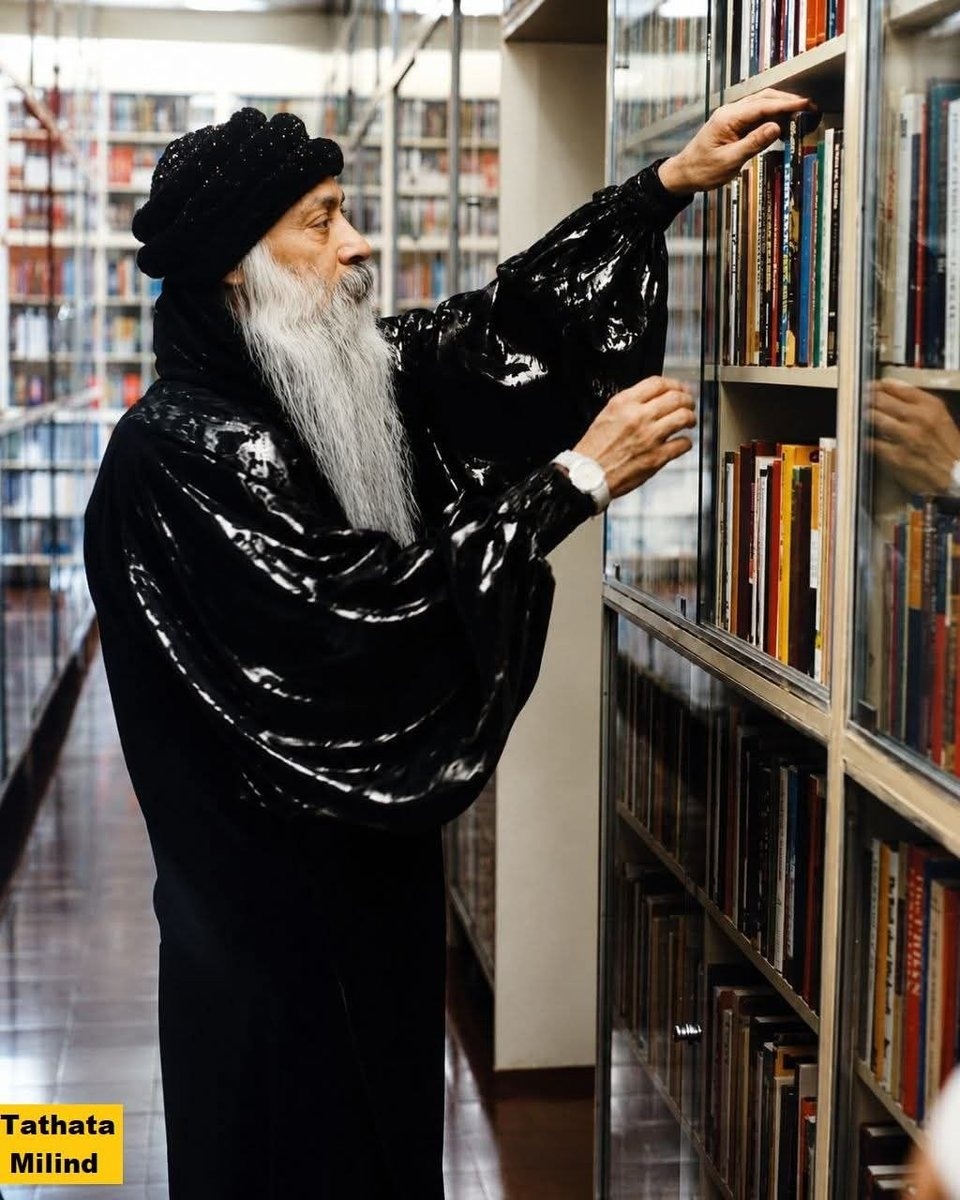
Osho
What made Osho stand out from other spiritual teachers was his refusal to fit into any single box. He read deeply across almost every religion, philosophy, and psychological school: Hinduism, Buddhism, Christianity, Sufism, Tantra, Taoism, and Western thinkers like Sigmund Freud, Carl Jung, Fyodor Dostoevsky, and Friedrich Nietzsche. From all of this, he built his own unique way of looking at life.
At the heart of his philosophy was one simple idea: live in the present moment. He believed that most people spend their entire lives either regretting the past or worrying about the future, and in doing so, they miss the only thing that is real: present. According to Osho, true spirituality is not about escaping the world by going to a forest or giving up everything. It is about being fully alive and fully aware in the middle of ordinary life.
He often said things that shocked traditional religious circles. For example, he openly supported the idea that sex is a natural part of human life and should not be treated with shame or guilt. This earned him the nickname “sex guru” in many Western newspapers, a label that his followers argue completely missed the bigger picture of what he was teaching. For Osho, talking openly about sex was only one part of a much larger message: stop living in fear and guilt, and start living with awareness.
He also rejected the idea of organized religion. He believed that religions, over time, become more about rules, rituals, and control, and less about real spiritual growth. He encouraged his followers to think for themselves, question everything, including him, and never blindly follow any guru, book, or tradition. Ironically, this message of independent thinking came from a man who had thousands of devoted followers, a paradox even his supporters acknowledge.
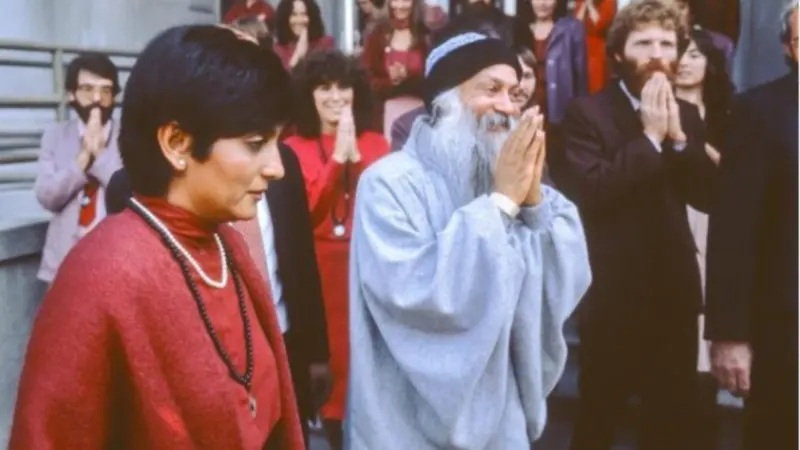
Ma Sheela Anand and Osho
Another important part of his teaching was the blending of the spiritual with the material. Unlike many traditional gurus who urged people to abandon money, comfort, and pleasure, Osho said there was no need to choose between spirituality and enjoying life. He famously described his vision as creating “Zorba the Buddha,” a person who can enjoy good food, dance, art, and relationships while remaining deeply meditative and aware within. This idea of balancing worldly enjoyment with inner peace was refreshing for many and sharply different from older, stricter spiritual paths.
According to Osho, a person is not truly their thoughts, emotions, or mental chatter. These are simply activities of the mind. The real self, he argued, is the silent awareness that observes everything, like an audience watching a film. Thoughts come and go, emotions rise and fall, but the witness remains. Through meditation and awareness, a person can stop being completely controlled by the mind.
If there is one thing that even critics of Osho often praise, it is his contribution to meditation. He believed traditional meditation methods, which usually involve sitting silently for hours, are difficult for modern people. The mind, he argued, is too restless, too burdened with stress and noise, to simply become still.
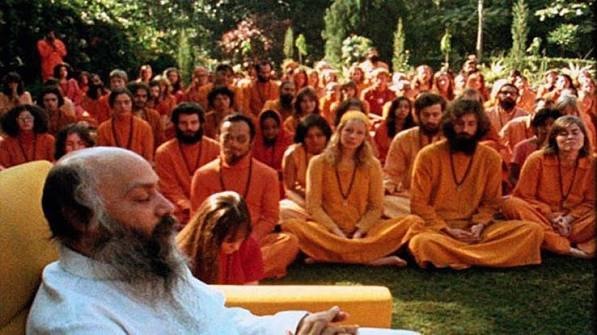
Osho with his followers doing meditation
To address this, he created a new style of meditation called Dynamic Meditation. This active meditation includes stages of fast breathing, free movement, shouting or jumping, followed by complete stillness and silence. The idea was simple: release the built up stress, anger, and energy first, so real silence could follow naturally instead of being forced.
Apart from Dynamic Meditation, Osho introduced many other techniques over the years, including Kundalini meditation, Nadabrahma, and Nataraj. Each was designed for different kinds of people and moods because he believed there is no single correct way to meditate.
“Meditation starts by being separate from the mind. You just be a watcher, and the miracle of watching is meditation.”
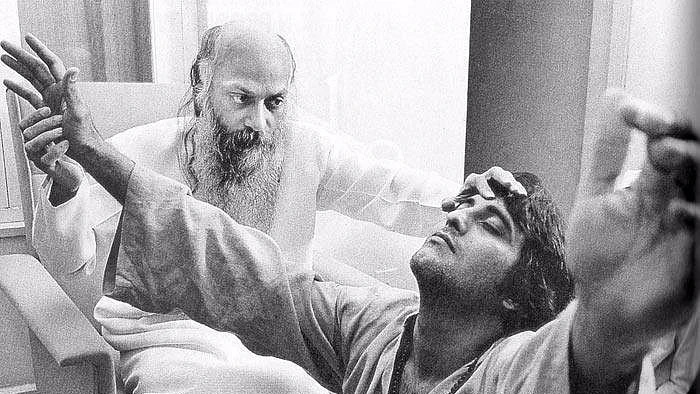
Osho with a follower teaching meditation
In the early 1970s, Osho settled in Pune, where he established his first major ashram. It quickly became famous worldwide, especially among young Westerners searching for alternatives to their own cultures. People came from Europe, America, Australia, and beyond to attend his meditation camps, listen to his talks, and live in the community for weeks, months, or even years.
In 1981, Osho moved to the United States, where his followers built a massive commune on 64,000 acres in Oregon, called Rajneeshpuram. It was an enormous project with homes, a power plant, an airstrip, shopping areas, and a working administration. At its peak, thousands lived there, and the commune attracted huge media attention.
After the troubles in Oregon, Osho eventually returned to Pune, where the ashram continued. After his death in 1990, it was further developed and is now known as the Osho International Meditation Resort, which still welcomes visitors from around the world.
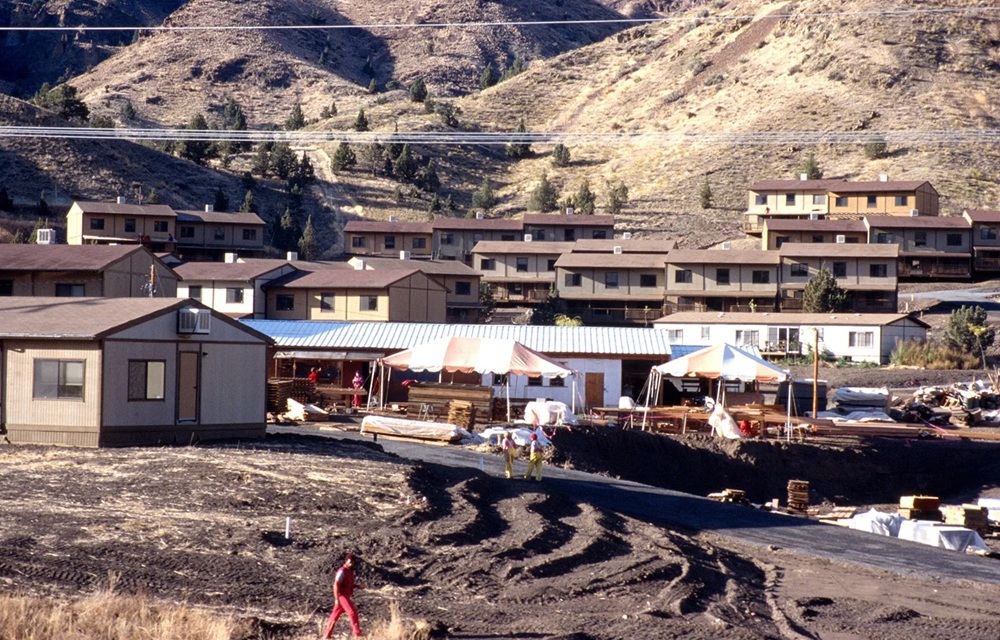
Rajneeshpuram in Oregon
No honest article about Osho can avoid the controversies, because they remain a major part of his story. In 1984, followers led by Ma Anand Sheela carried out the largest bioterror attack in U.S. history by contaminating salad bars and water supplies in Oregon with salmonella, poisoning over 750 people to suppress local voter turnout. Alongside this, the commune faced accusations of wiretapping, arson, and attempted murder. The scandal culminated in 1985 when Osho was arrested for arranging sham marriages to bypass immigration laws. After pleading guilty to fraud, he paid a $400,000 fine, was ordered to leave the country, and returned to India in 1986.
Some of Osho’s followers insist he was not personally responsible for these crimes and was instead a victim of circumstance. Osho himself claimed that the day-to-day affairs were run by others and that he preached nonviolence. Despite the scandals, some observers see the Rajneeshpuram episode as both cult drama and culture clash. The Wild Country presents this conflict as deeply complex and mutually hostile.
After returning to Pune, Osho continued lecturing until his death on 19 January 1990. He had renamed himself Osho in 1989, a term associated with mastery in meditation. Thousands gathered at his funeral, celebrating what followers called his “departure.”
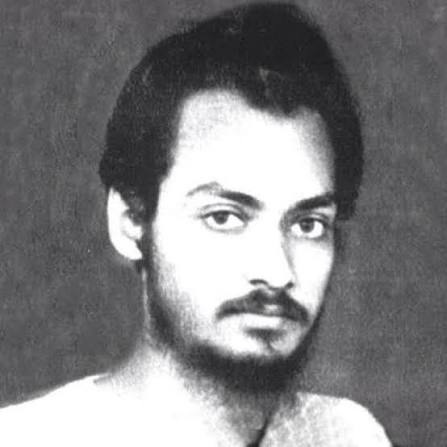
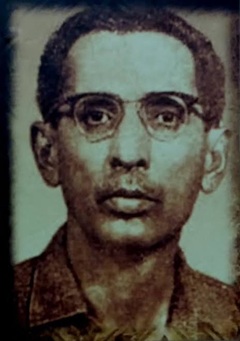
Young Chandra Mohan Jain, popularly known as Osho
Today, Osho’s teachings continue through the Osho International Foundation and numerous meditation centers worldwide. His books, recorded from his talks, number in the hundreds and cover topics from love to Zen to consciousness. Millions still read his discourses, and his meditation techniques continue to be practiced globally. The Pune resort remains a destination for spiritual seekers.
Osho remains a deeply divisive figure. To some, he was a cult leader whose commune collapsed in scandal. But that view, while understandable, leaves out much of his intellectual and spiritual influence. He challenged people to question religion, society, and themselves at a time when very few dared. He offered practical meditation tools that have helped many find calm in chaotic lives. He argued for a spirituality that did not demand the rejection of joy, pleasure, or individuality.
Like many larger-than-life figures, his story is a blend of genuine wisdom and very human flaws. To reduce his life only to the scandals of Oregon would ignore the depth of his teachings and the millions who continue to find meaning in them. Perhaps the fairest way to see Osho is neither as a saint nor a villain, but as a flawed, brilliant, and endlessly thought-provoking human being, exactly the kind of person who compels you to think for yourself.
You may also like: