Written by: Emma Alam
Posted on: June 9, 2026 | 

Japanese novelist Kazuo Ishiguro
An Exploration of Remorse, Commitment, and Inner Loneliness. Only a few narratives deconstruct the myth of integrity as delicately and profoundly as this particular story, known as the novel The Remains of the Day. Apparently, the story emerges as placid, reserved and deceptively ordinary. However, beneath the surface narrative, it embeds a deep-seated realization of lost lives, muted emotional expression, submissive fidelity, and the existential suffering of mortgaging personal happiness for professional commitment.
The lead character of the story, Stevens is a senior British domestic steward, who is commuting to reconnect with Miss Kenton, a previous head housekeeper. The narrative steadily reveals a lasting sadness and a quest destined for remorse. Stevens considers that prestige resides in total submission to duty. Therefore, he devotes his life to service, curtailing his feelings in an unyielding quest for perfection in work. On the contrary, the author of the story tries to identify and reveal the hazard of converting service into idolization.
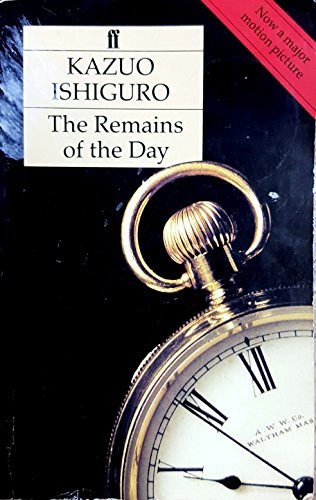
The Remains of the Day
This concept vehemently aligns with the current socioeconomic scenario, where contemporary social structure keeps on praising efficiency, performance, competence, burnout, and workaholic culture. Individuals sacrifice their emotional bonding, companionship, happiness, and serenity for the sake of profession, organization, and the social image of a devoted and committed worker; a concept chiefly associated with the consumer-oriented lifestyle of the aristocratic elite. The novel’s uncanny characteristic is the passive behaviour of Stevens, who remains unable to confess and accept his love and emotions for Miss Kenton. His relentless dedication to his work wasted his romantic equation; only to end up in smoke, leaving behind nothing but lingering regrets.
The writer argues that most of the time people create comforting portrayals of their existence instead of distressing realities they are facing. This approach of self- deceit seems more aligned with the modern world, where people are living with hyperreal ideologies, and within the virtual environment. They are more concerned with their own online images and individualities, rather than the actual personal and situational issues that define life itself.

Kazuo Ishiguro
This novel is not only a narrative regarding a British butler in the vanishing elite class; rather, it is a wake-up call for those who remain oblivious of their plight. There are individuals who realize the situation very late that they have spent their lives according to the aspirations of others, instead of their own.
The contemporary society consists of numerous individuals like James Stevens. The employees of corporate sector, workers of industries, and office holders; entrepreneurs, scientists, doctors, researchers, and numerous others around us, who surrender their family life completely for the professional domain. Unfortunately, this phenomenon leads humans to frailty and anxiety. In this context, the key idea of this narrative is not only the sense of loss; instead, the focus is on highlighting the self-deceit and wasted life.

Japanese novelist Kazuo Ishiguro
The novel also examines strict social hierarchies, worship of professional excellence, inner suppression, and the risk of sacrificing ethical integrity for the sake of official obligations. The emotional repression of Stevens makes this novel profoundly tragic; the protagonist is not provided with moments of emotional rupture or expression of remorse in any chapter of the story. His collapse occurs silently by means of reluctance, retrospection, and unexpressed feelings. The writer emphasizes more on silence than any strong visual narrative.
Nevertheless, the eventual awakening is unforgiving as James Stevens realizes that he devoted his entire life to distorted principles. In the concluding pages, deprived of the capacity for sentimental expression, he is left with no other option but to pull himself back towards his workplace again.
You may also like: