Written by: Muhammad Suhayb
Posted on: July 8, 2026 |  | 中文
| 中文
Usually, we meet people who leave a positive impact on our lives through their wisdom, knowledge, and guidance. Sometimes, we encounter famous personalities who shape our outlook and character. Rarely, however, do we come across someone who, despite being a legend in his own right, remains approachable, generous with his time, and ever willing to guide, advise, and correct those around him. Such individuals are exceptional, and knowing them is both an honour and a privilege.
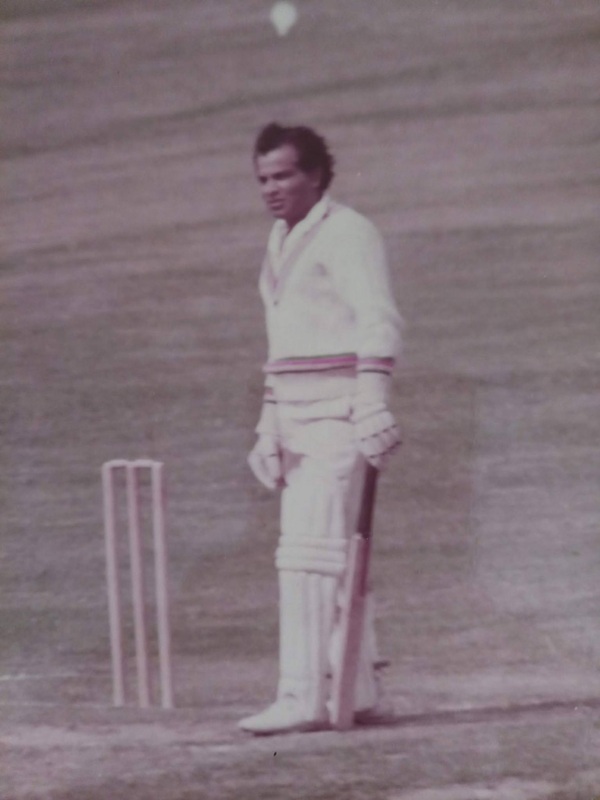
Qamar Ahmed batting during his youth
On 18 June 2025, journalism lost one of its finest practitioners, cricket writer and broadcaster Qamar Ahmed. Best remembered by many for the iconic headline, “Pakistan Won the World Cup,” Qamar Ahmed was among Pakistan’s pioneering cricket journalists and one of the most respected cricket writers and analysts of his generation.
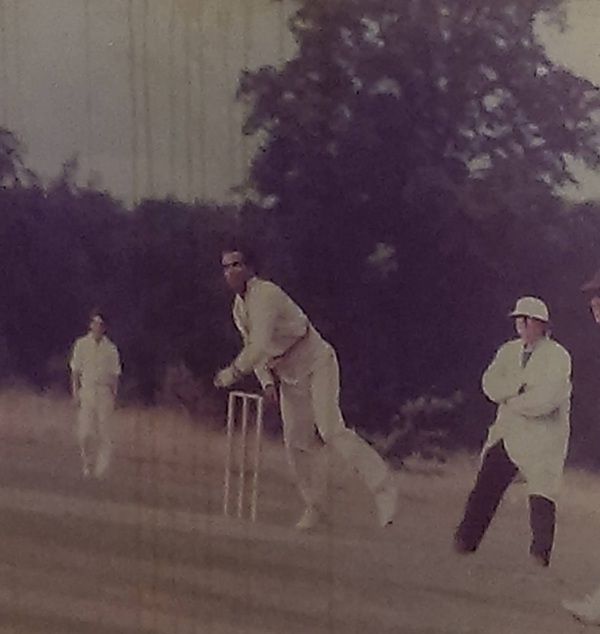
Qamar Ahmed bowling during his youth
Born in Uttar Pradesh, British India, on 23 October 1937, he dreamt of becoming a Test cricketer. Although he narrowly missed selection for Pakistan’s 1957 tour of the West Indies, fate had reserved a different role for him - one that would leave an even greater mark on the game. When he arrived in the UK, few could have imagined that he would go on to become one of cricket’s foremost chroniclers, documenting the sport for more than half a century. He wrote for nearly all the leading newspapers, news agencies, and was a permanent sight on a cricket ground.
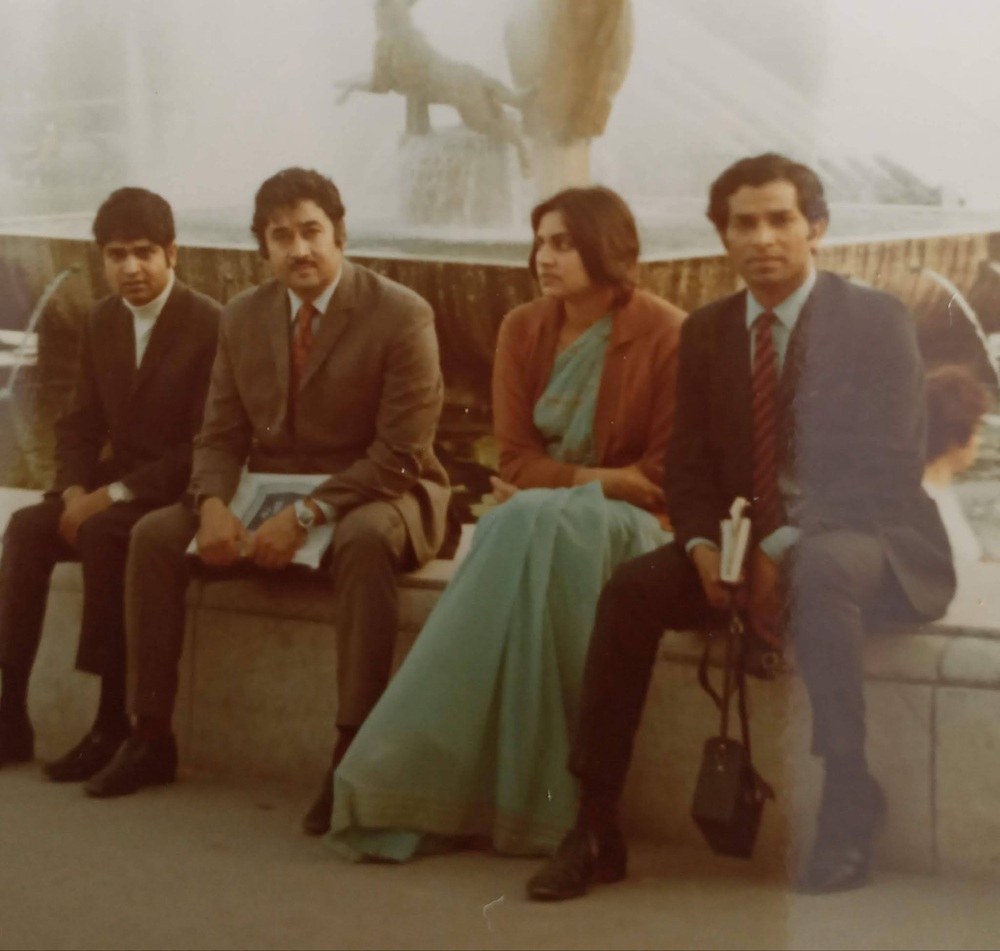
Qamar Ahmad with Ijaz & Firdous
Over a career spanning more than five decades, his work took him across the globe. From England and Australia to South Africa, India, and countless other cricketing destinations, he earned the respect of players, administrators, and fellow journalists alike. He covered an astonishing 450 Test matches, 738 One-Day Internationals, and nine Cricket World Cups - figures that few, if any, cricket writers can rival.
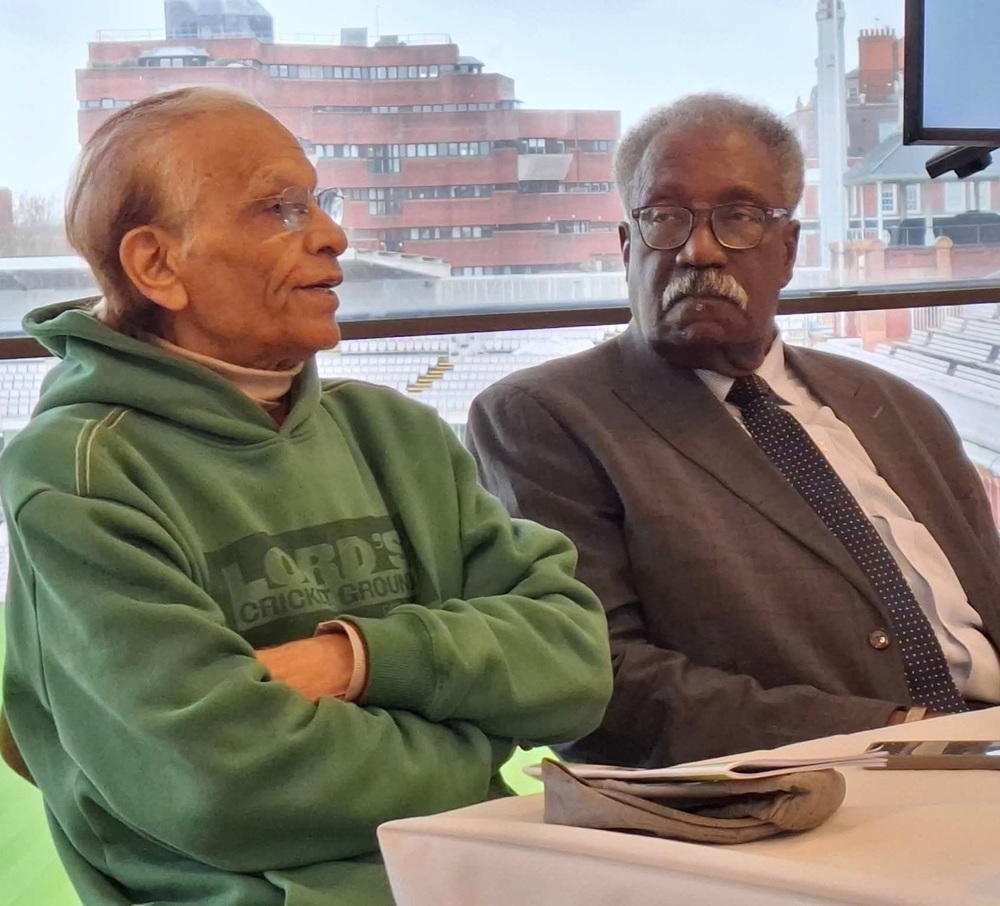
Qamar Ahmed with Clive Lloyd
As a journalist, he possessed an almost photographic memory. Facts, incidents, and controversies seemed permanently etched in his mind, and he could recall them with remarkable accuracy at a moment’s notice. Whether the subject was cricket, history, or current affairs, he was rarely at a loss for detail and could outmatch almost anyone in both knowledge and context. Equally fluent in English and Urdu, he was far more than a writer. He was an accomplished broadcaster whose voice became familiar to audiences in England, Australia, and New Zealand. Whether on radio or television, his insights carried authority because they were grounded in experience.
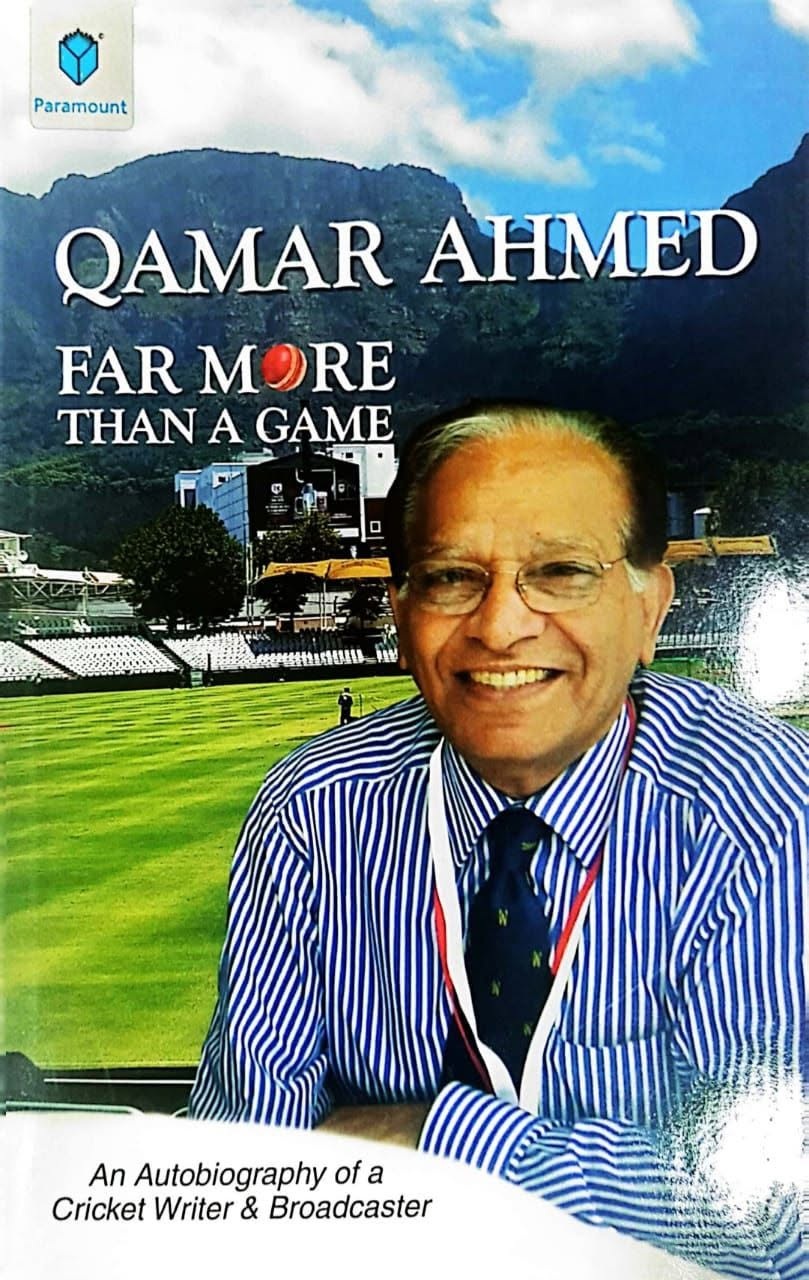
Qamar Ahmed's book 'Far More Than A Game'
As a first-class cricketer, he achieved the rare distinction of dismissing all five Mohammad brothers - Hanif, Wazir, Raees, Mushtaq, and Sadiq. He was also a keen student of history and a prolific freelance writer who interviewed an extraordinary range of personalities, from Nelson Mandela to Sir Gary Sobers and Sunil Gavaskar. While working in Australia as a BBC reporter, he developed a close association with Kerry Packer and witnessed firsthand many of the developments that transformed modern cricket. Yet for all the great events he covered, it was often his personal stories that left the deepest impression.
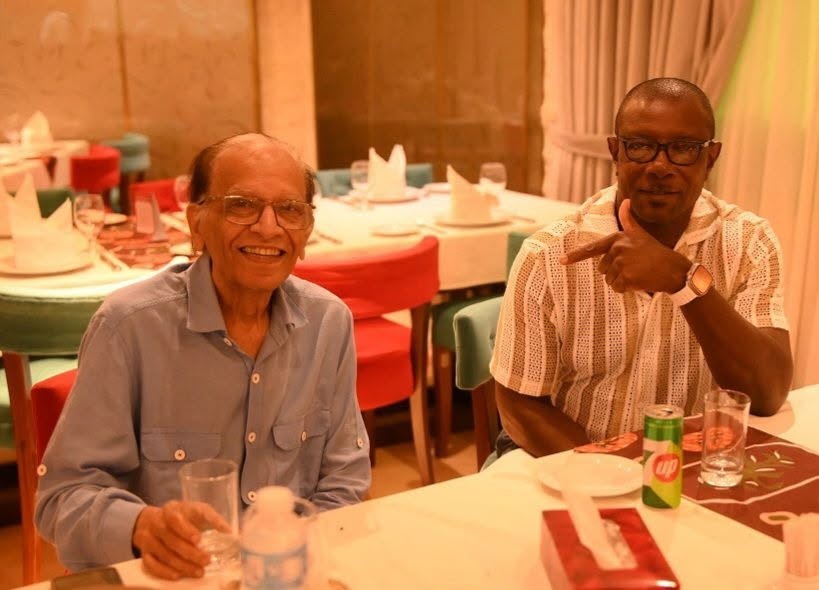
Qamar Ahmed with Richie Richardson
One of the most moving was his account of the partition and his family’s migration to Pakistan. As he recounted in his book Far More Than a Game, he later returned to his birthplace as a journalist and was overwhelmed by the warmth he received. The building that once housed his family home had become a hotel, and its owners refused to charge him for his stay. Even more touching was his reunion with the family that had protected them during the violence of 1947 and helped save their lives. It was a story that reflected his belief in humanity beyond borders and politics.
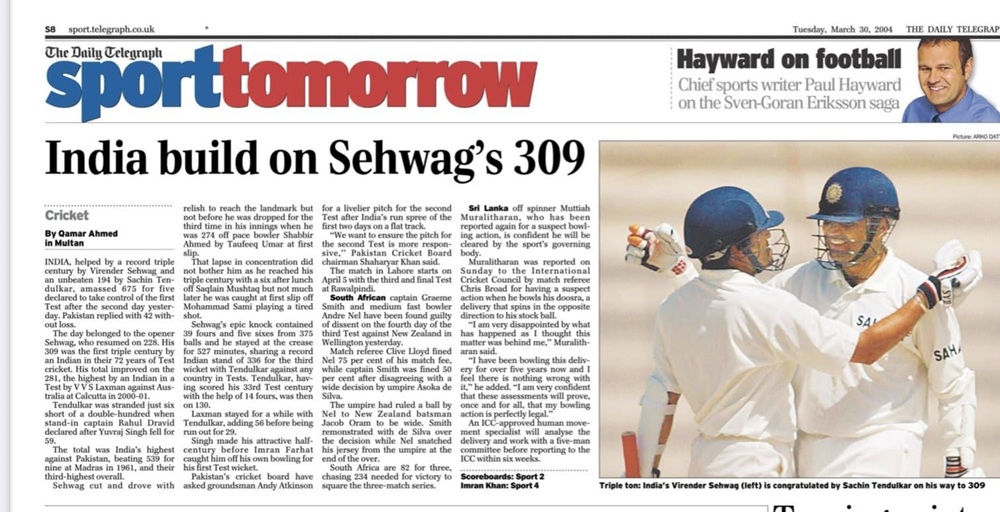
Qamar Ahmed's 2004 article published in The Daily Telegraph
Qamar Ahmed also enjoyed a special relationship with the worlds of cinema and entertainment. Having grown up alongside the legendary actor Muhammad Ali in Hyderabad, he had an endless supply of anecdotes. He spoke of being offered a film role by famous director Pervez Malik because of his looks, of narrowly avoiding trouble in New Zealand after slaughtering a chicken for Indian captain Mohammad Azharuddin, and of being locked inside a cinema by Muhammad Ali and forced to watch one of his blockbuster films. Every story was delivered with impeccable timing and a memorable punchline.
His life in the UK brought even more remarkable experiences. He witnessed Winston Churchill’s funeral, opened his home to struggling Pakistani cricketers - Imran Khan, Javed Miandad, and Sarfaraz Nawaz in 1976, who were new to county cricket, and frequently helped visiting actors and celebrities. Whether discussing cricket, cinema, politics, or history, he was the ideal companion for conversation - always insightful, always entertaining.
What always fascinated me about Qamar Ahmed was how universally known he seemed to be. A friend of your father who lived his entire life in the Middle East knew him. An uncle who had grown up in India knew him. A young journalist just entering the profession in Karachi knew him, too. It was as though his life had intersected with every generation and every circle.
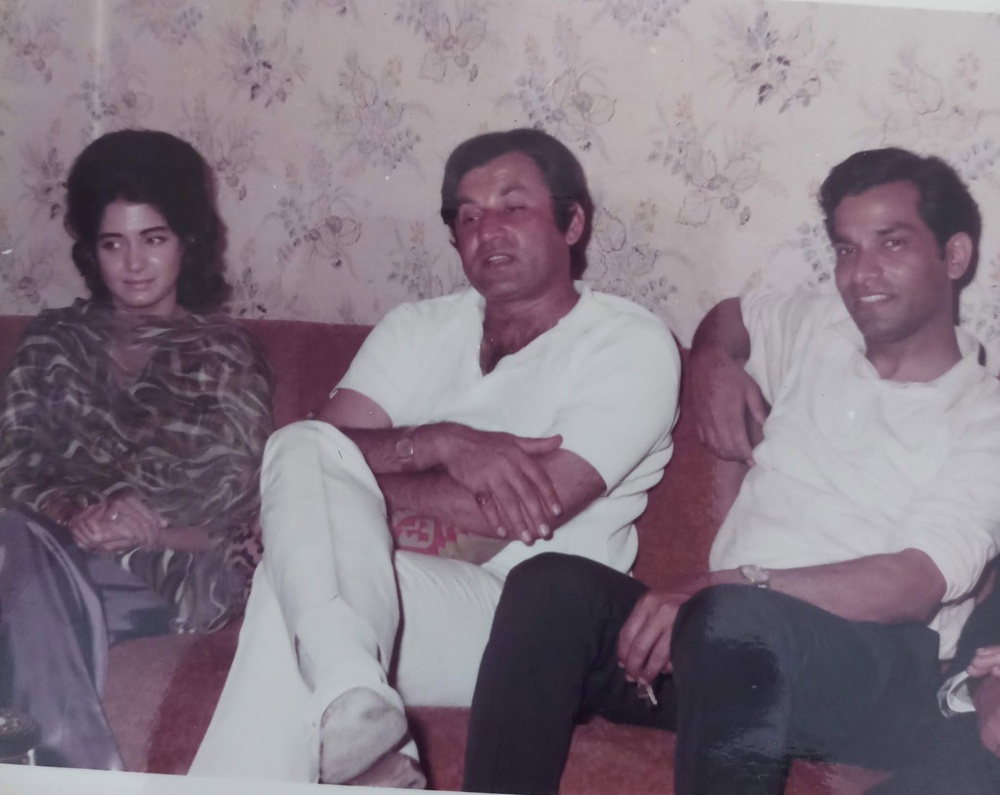
Qamar Ahmed with Zeba and Muhammad Ali
My own introduction to Qamar Ahmed came through one of my uncle’s treasured possessions, Pakistan Book of Cricket 1981. Long before the internet, these annual publications were invaluable resources filled with photographs, statistics, scorecards, and detailed research. Only later did I discover that Qamar Ahmed was the driving force behind them. Eventually, I acquired the final edition, published in 1996, unknowingly beginning a connection that would last for decades.
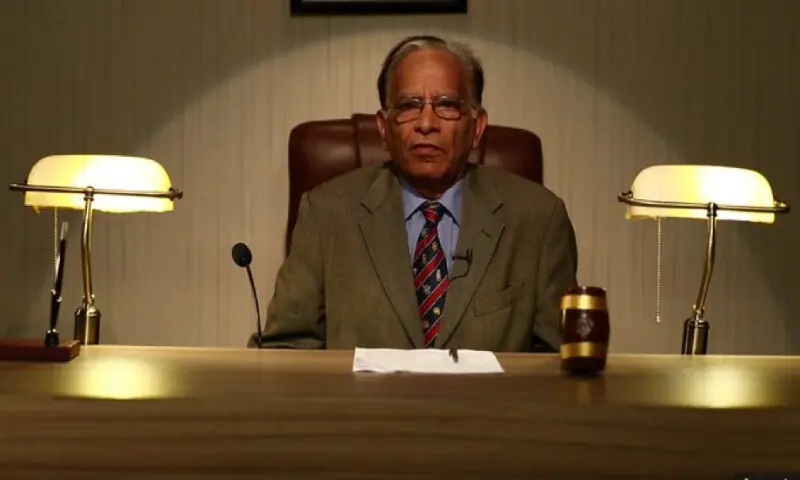
Qamar Ahmed ready for a TV show in the later part of his life
I first met him in person in 2004 during India’s historic Test tour of Pakistan. He reported Indian opener Virender Sehwag’s triple hundred and later recounted it to be one of the many triple tons he has witnessed. What began as an acquaintance quickly developed into a friendship when we discovered that he was the maternal uncle of a dear colleague. From then on, he became “Mamu” to all of us - a title that reflected not only affection but also the warmth and guidance he offered.
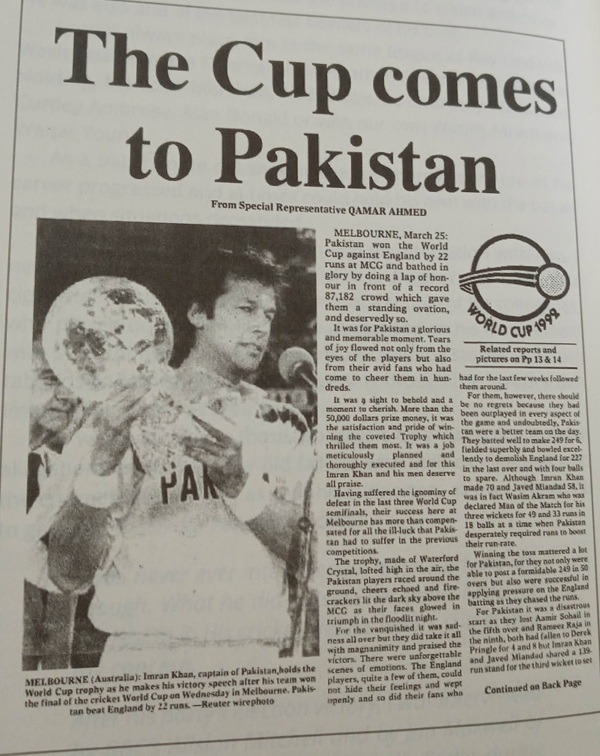
Qamar Ahmed's 1992 Cricket World cup Correspondence
His passing feels deeply personal. It is as though a member of our own family has departed. Perhaps there could have been no more fitting day for his departure than Father's Day. To countless journalists, especially those of younger generations, Qamar Ahmed was more than a colleague or senior professional - he was a father figure, a mentor, and a guide. His legacy lives on not only in the stories he wrote but in the people he inspired, encouraged, and helped shape throughout his remarkable life.
You may also like: