Written by: Aroosh Ammad
Posted on: July 03, 2026 |  | 中文
| 中文
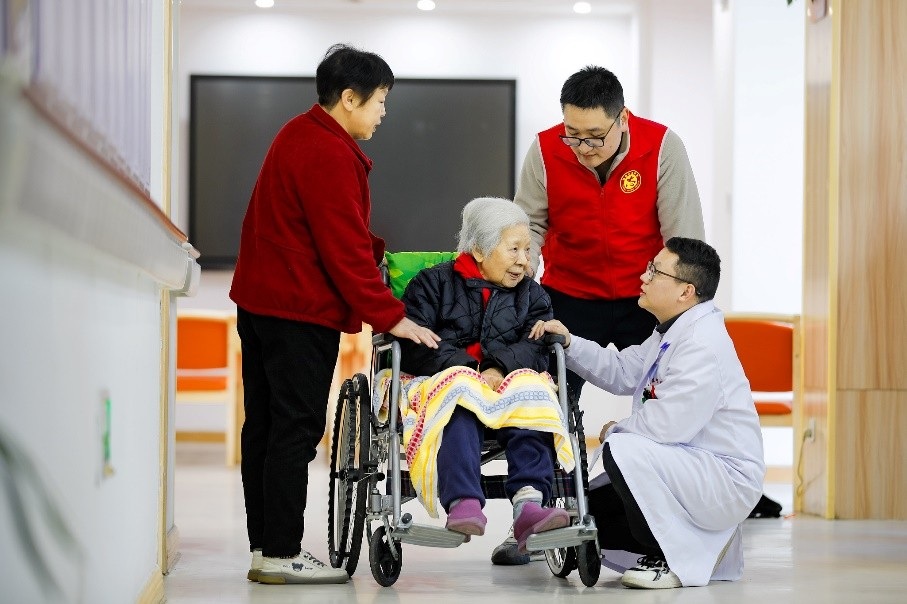
Kind behaviours towards elders
Due to its strong dedication to filial piety, Chinese culture has historically celebrated multi-generational families. The existing healthcare system and elderly population embody this cultural norm, depending on family members of elderly individuals for care and financial aid.
Nonetheless, as the nation’s economic, migratory, and employment patterns evolve amid an ageing population, the increasing need for high-quality elderly care has triggered the swift privatisation of China’s aged care sector.
In 2021, 18.9% of China's demographic was aged 60 and above, approximately 267.36 million individuals. There are 20.56 million people aged 65 and older, making up 14.2 percent of the population. This indicated that there were 2.37 individuals of working age for each retired individual.
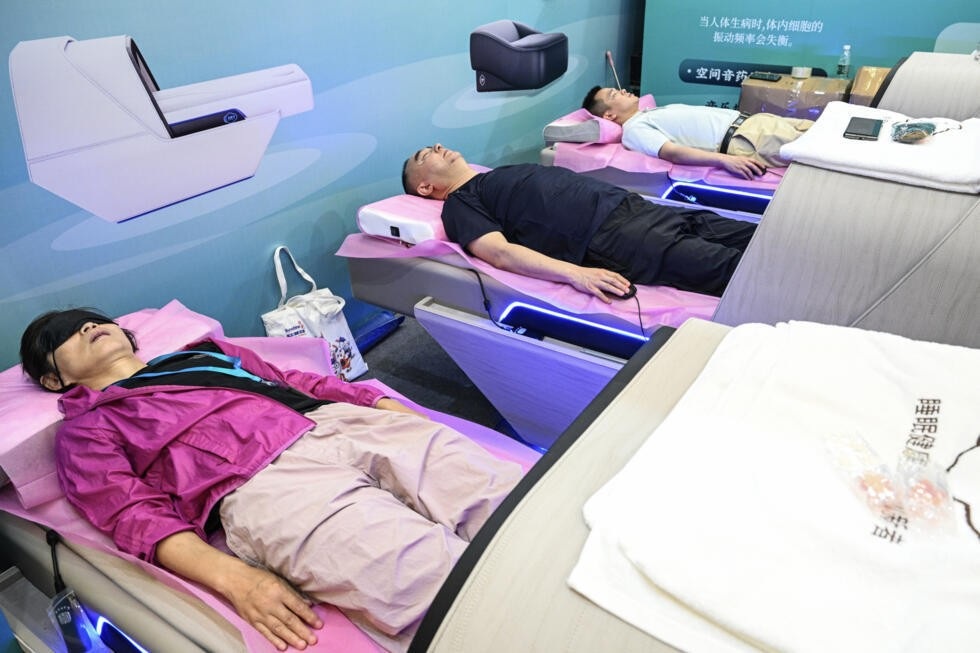
Elder’s treatment machines
By 2050, the proportion is projected to decrease significantly to 1.82 employed individuals for each retired individual. In addition, at present, 180 million elderly individuals in China have chronic illnesses, and more than 15 million grapple with dementia, including Alzheimer’s disease. The existing healthcare system cannot support these significant demographic and economic changes.
To tackle this problem, the government aims to boost private funding and investments in the sector, intending to offer seniors improved quality and more accessible services and choices.
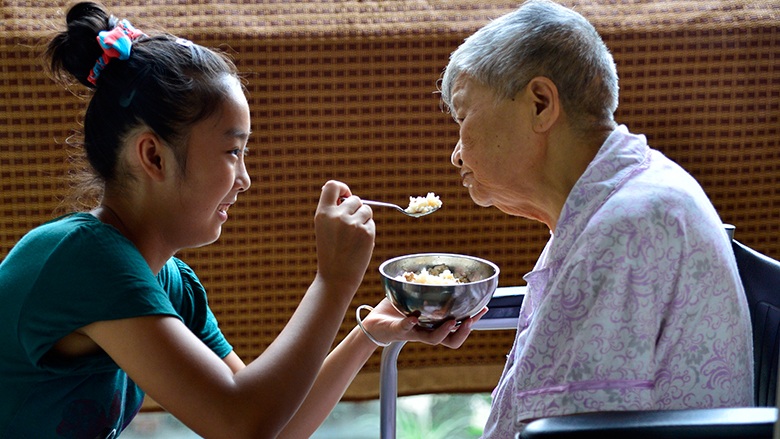
Chinas Elder Care syster
At present, China has the world's largest population. It is anticipated to reach its highest point in 2030 before a decline is expected. Nonetheless, the population is also aging quickly. By 2050, it is expected that seniors will constitute 35% of the total population. This is partly because of the one-child policy, which resulted in a significant drop in younger generations. Implemented from 2020 to 2021, this policy led to a decrease in China’s birth rate to 7.52 births per 1,000 individuals, in contrast to the birth rate of 14.03 births per 1,000 individuals. By the year 2065, the total population is projected to revert to levels observed in the middle of the 20th century.
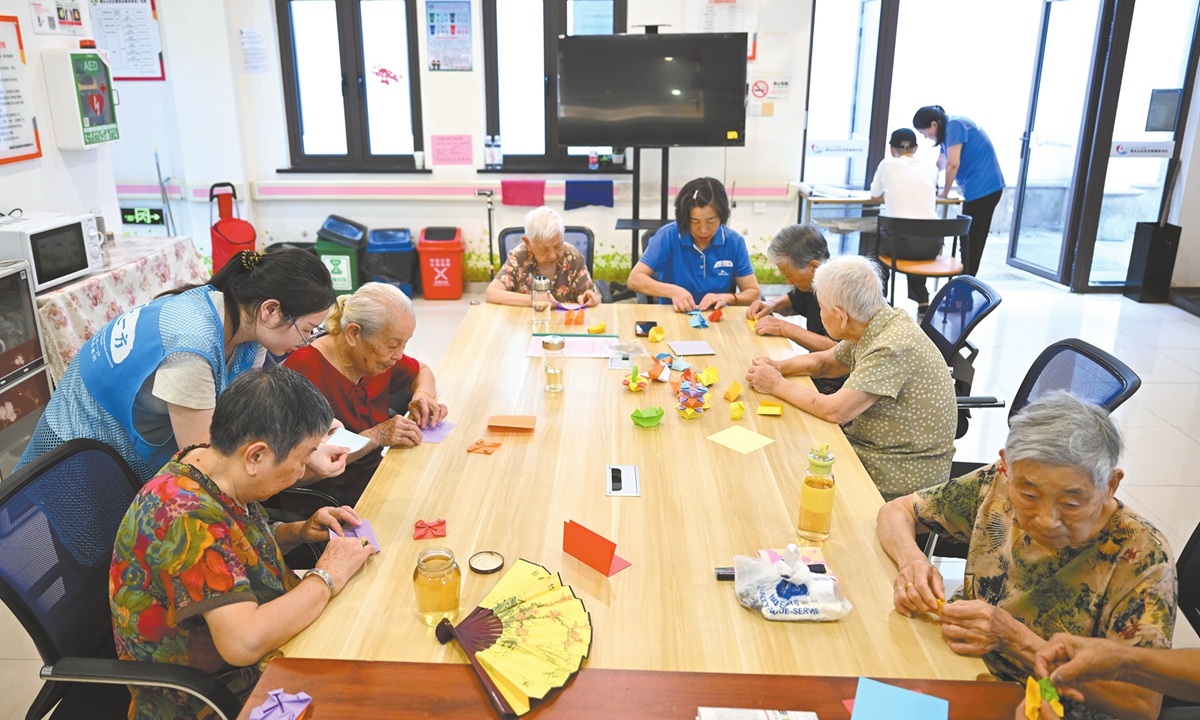
China's nursing homes and aged care facilities
China's aging population presents two urgent economic challenges. The significant reduction in population leads to a substantial decline in domestic consumption, a key factor in China's economic growth and strength. The second issue is the significant disparity between China's elderly retirees and its working-age population.
This demographic gap is expected to place a considerable and vital pressure on the pension system and infrastructure, which will only be worsened by China’s economic downturn. This scenario is referred to as the 4-2-1 problem, in which a single child is anticipated to provide for two parents and four grandparents amid progressively difficult economic circumstances.
China’s elderly and younger generations are also increasingly differentiated by where they live. This makes caring for elderly family members more difficult. China’s population is rapidly relocating from the rural countryside to its major cities, with most of those moving to be the younger working class in search of economic opportunities. In 1980, shortly following China's significant economic reforms, merely 19% of the population resided in urban areas.
In 2000, the figure almost doubled to 36%, and two decades later, the rate has almost doubled again, with over 61% of the population residing in urban areas.
The phrase liushou laoren, or left-behind elderly, describes the millions of seniors who remain in rural areas as their children move to urban centres in China (this term parallels liushou ertong, or left-behind children, referring to kids whose parents have gone to the city). With the conventional role of children looking after their elders becoming increasingly difficult to maintain, the government is aiming to enhance the services provided to seniors by both the state and private sectors.
The Chinese government regards health and medical care as critical considerations in improving the elderly’s health, happiness and quality of life. This is reflected by how China’s senior care market is increasingly being combined with medical services.
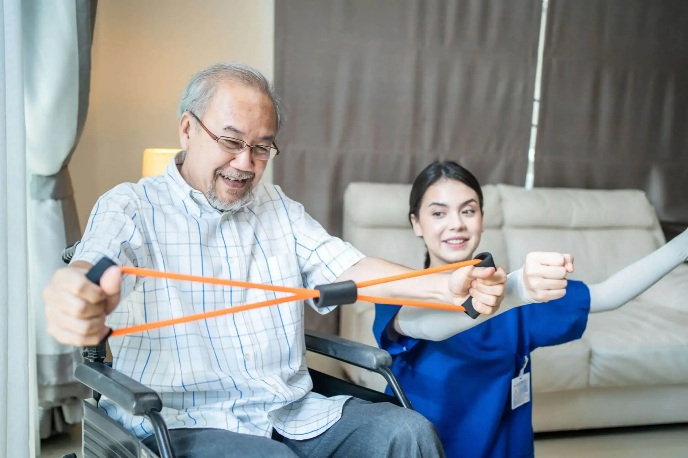
Different Activities for Elders
If senior living facilities do not have a hospital on their grounds, they are likely to either have their clinic or be built near a hospital. To improve the eldercare system, the government must first improve the healthcare system.
Most of China's healthcare system is run by the state and is not-for-profit. Individuals frequently crowd renowned hospitals in major urban areas, significantly surpassing their capacities, while other facilities remain underutilized. Modest physician salaries and intricate, decentralized bureaucratic systems have resulted in minimal transparency and corruption scandals.
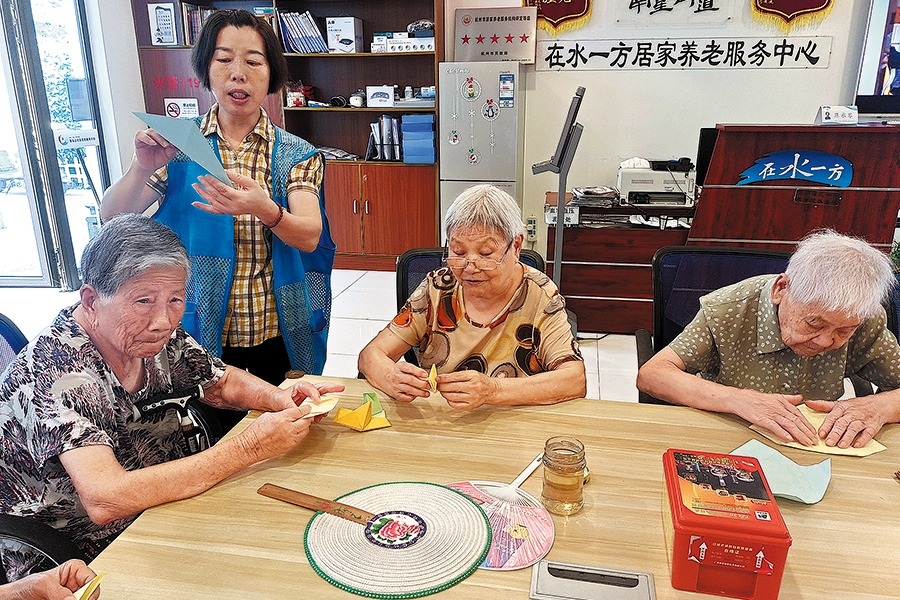
Elderly care facility blends comforts of home with professional medical services
In addition to extensive public healthcare reform, the significant demand for quality, accessible healthcare has resulted in the privatization of urban hospitals.
From 2006 to 2011, the count of private hospitals in the nation increased twofold. At the conclusion of 2021, private institutions represented two-thirds of the overall number of hospitals in China. Nevertheless, they represented merely under 20% of the total healthcare revenue in China.
You may also like: