Written by: Muhammad Suhayb
Posted on: September 12, 2025 |  | 中文
| 中文
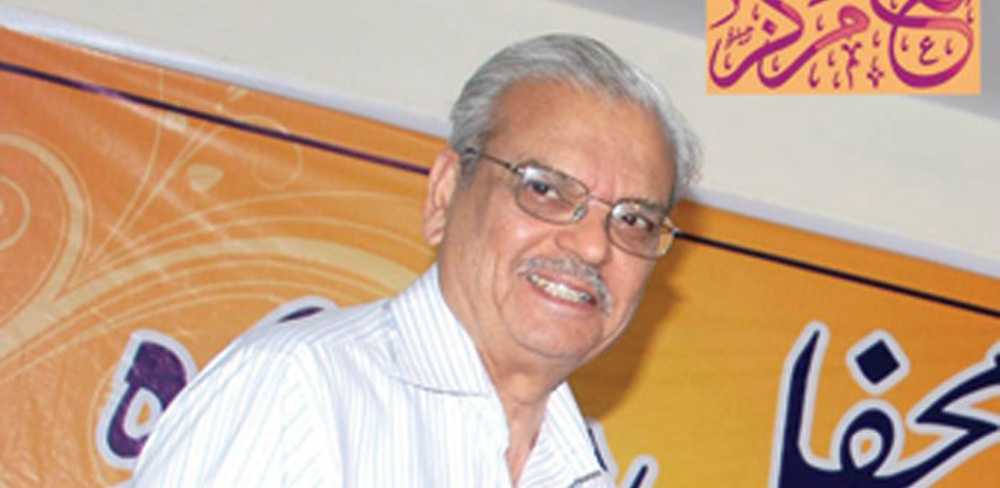
Khurshid Rizvi, the author
To reconnect with the legends of a bygone era, one might sit with elders and listen to their treasured stories or, if fortunate, come across a book that carries the same spirit of reminiscence. Taleef by Dr. Khurshid Rizvi is precisely such a work: an evocative literary collection that captures the intellectual, cultural and emotional essence of the past with grace and insight. Originally published in 1995 and long considered out of circulation, Taleef has now been reissued in a second edition by Qalam Foundation. This reprint reintroduces a work that seamlessly blends memoir, literary critique, biographical sketches and cultural commentary, all delivered with the polish of an accomplished scholar and poet.
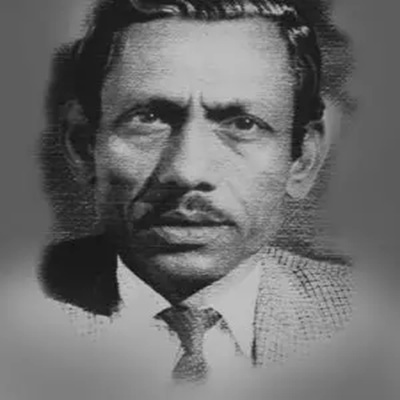
Nasir Kazmi
Dr. Khurshid Rizvi is no ordinary writer. Born in Amroha in 1942, he migrated to Pakistan in his childhood after Partition, eventually settling in Sahiwal (then Montgomery). He received his early education there before continuing to Lahore for college, where he eventually earned his Ph.D. from Punjab University. Although he later held teaching and administrative posts in various cities, he spent a significant portion of his career at Government College Sargodha. Dr. Rizvi’s scholarly reach spans Arabic, Persian, Urdu and English literature, a breadth that informs much of his writing. In 2008, the Government of Pakistan recognized his contributions to literature and education with the Sitara-e-Imtiaz, one of the country's highest civilian honors.
For those who studied in Punjab or have familiarity with the cultural fabric of its academic institutions, Taleef will feel like a journey through familiar corridors. The references to university life, literary gatherings, student debates and friendships in Lahore during the mid-to-late 20th century are evocative and grounded in lived experience. Yet, even for readers with no direct connection to that world, such as myself (a Karachiite), Taleef opens a portal into a cultural universe that feels simultaneously foreign and intimate. It awakens a quiet yearning for an era when books, conversations and classrooms held deep, transformative power.
At its core, Taleef is a rich collection of essays and character portraits that chronicle the lives and legacies of prominent South Asian intellectuals. These include celebrated names such as renowned poet Majeed Amjad, Nasir Kazmi, Anwar Masood, humourist Zamir Jafri and Prof. Ghulam Jilani Asghar. Rizvi doesn’t merely recount their biographies for he brings them to life with nuance and sensitivity.
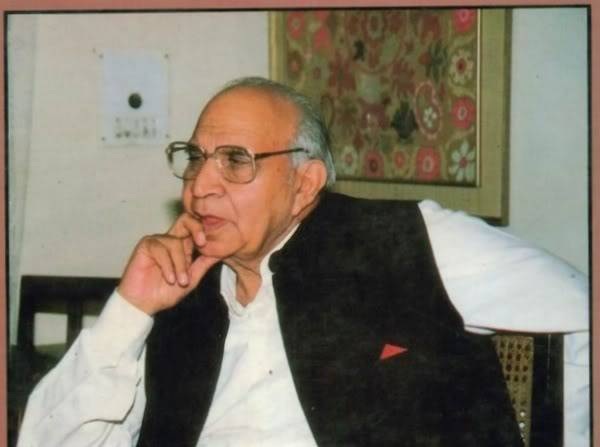
Humorist Zameer Jafri
The opening essay pays tribute to the legendary Punjabi poet Anwar Masood, one of Rizvi’s dearest friends during their time at Oriental College in the 1960s. With affection and admiration, Rizvi writes of their shared memories from hostel life to college corridors. He reflects on Anwar Masood not only as a literary talent but as a symbol of continuity, an “island untouched by change” in the shifting tides of time. Quoting Coleridge’s famous line, "Friendship is a sheltering tree," Rizvi acknowledges how such friendships can shelter the soul during life’s storms.
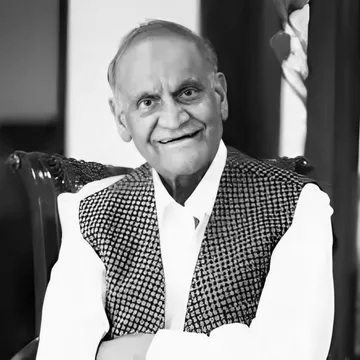
Poet Anwar Masood
The second chapter focuses on Dr. Ghulam Jilani Asghar, who was principal at Government College Sargodha when Rizvi taught there. As both an administrator and a writer, Jilani stood out for his razor-sharp wit and layered sense of humor. Rizvi recounts a moment when a former student, visiting from Saudi Arabia, asked if Jilani still went on his legendary morning walks. Jilani’s reply was both humorous and haunting: “Yes, my boy, and I'm afraid one fine morning I am going to walk into my grave.” As Rizvi notes, this single line is simultaneously light and grave, a perfect reflection of Jilani’s complex persona.
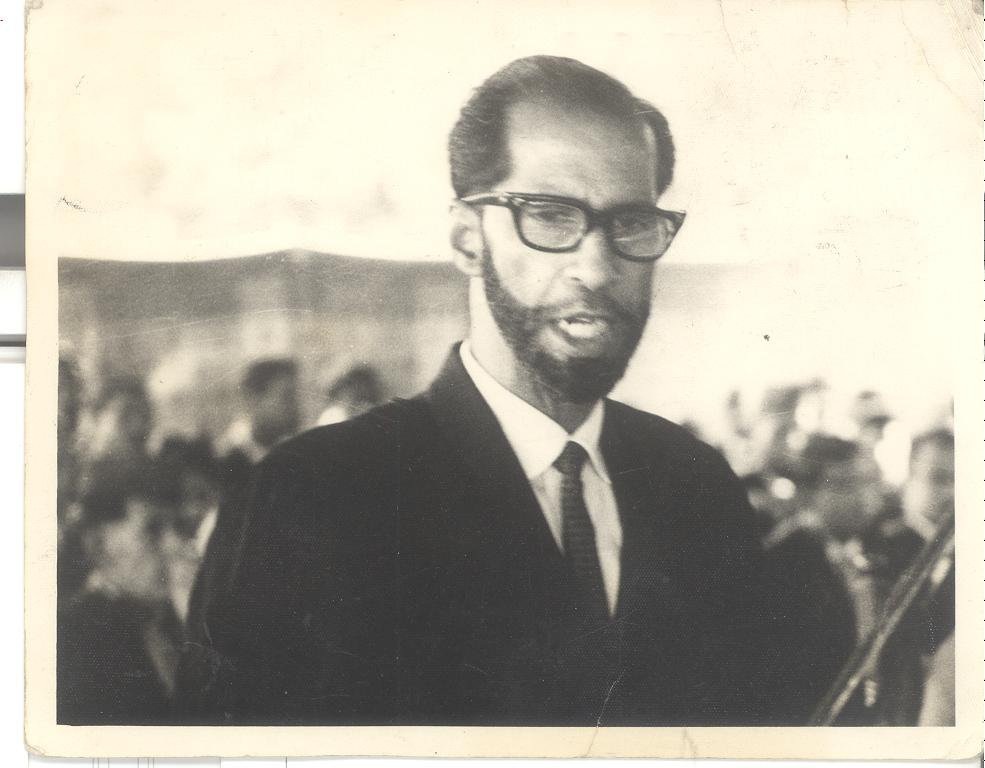
Prof. Ghulam Jillani Asghar
But Rizvi’s literary gaze is not limited to South Asia. His essays also explore the wider Arabic literary world. Two standout chapters are devoted to Arab scholars Dr. Taha Hussein and Naguib Mahfouz. Mahfouz, a pioneering novelist, became the first Arabic writer to win the Nobel Prize for Literature in 1988. His works brought modern Arabic literature to a global audience. Dr. Taha Hussein, a central figure of the Arab Renaissance and a champion of educational reform, lost his sight at the age of two but went on to become one of the Arab world's most influential thinkers. Though he never received the Nobel, he was nominated multiple times. Rizvi treats both figures with intellectual rigor, situating them within their cultural contexts while highlighting their lasting impact.
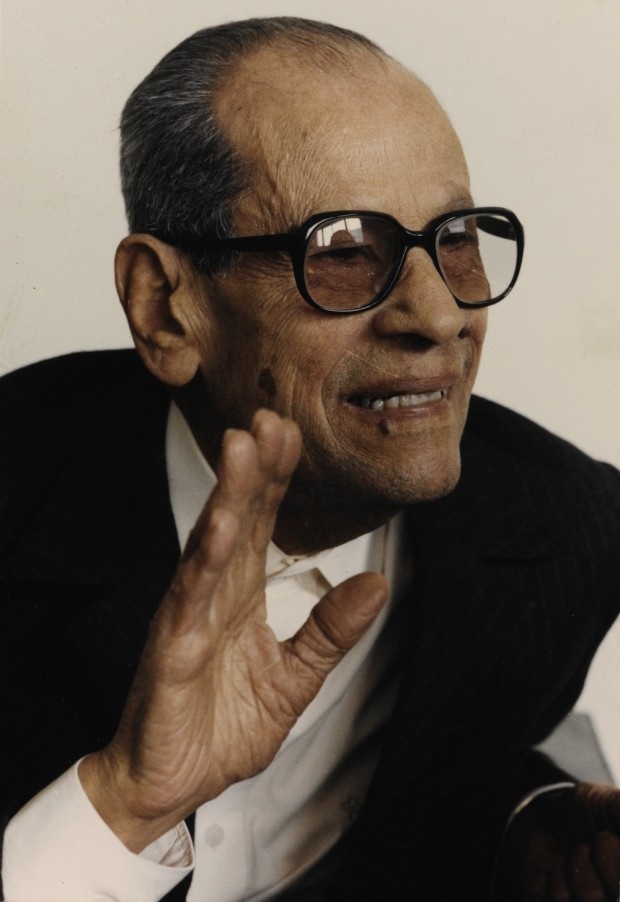
Naguib Mahfouz
Adding further depth to Taleef are two translated essays: one originally written in Arabic by Dr. Taha Hussein on Allama Iqbal, and another, “The Status of Human Life,” penned by a Swiss theoretical physicist. Rizvi himself translated both pieces, a testament to his extraordinary linguistic fluency and scholarly discipline.
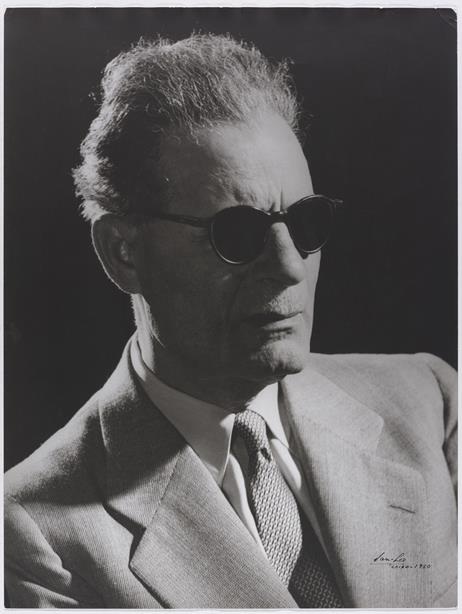
Taha Hussein
For students, scholars, and lovers of literature, especially those interested in Urdu and Arabic traditions, Taleef offers a wellspring of insight. It bridges the gap between academic scholarship and personal reflection, between historical record and lived memory. And for anyone longing to reconnect with the intellectual soul of the subcontinent, Taleef is not just a book, it’s an invitation to remember, to reflect and to reengage.
You may also like:

From the Horn of Africa to Bahria Town: Habesha Café Brings Centuries of Coffee Culture to Rawalpindi
(October 15, 2026)