Written by: Muhammad Maroof Atif
Posted on: June 18, 2025 |  | 中文
| 中文

A rare Indus River dolphin breaks the water’s surface near Sukkur.
At dawn, the Indus River should shimmer with the echolocation clicks of the river dolphin, but WWF-Pakistan warns that this freshwater icon now occupies just 690 km of its once-vast 3,400 km range, with fewer than 1,800 individuals left. High above Thatta’s wetlands, BirdLife International notes the white-rumped vulture has plummeted from millions in the 1980s to under 6,000 mature birds today. In the windswept sands of Cholistan, IUCN estimates the Houbara bustard has lost nearly half its wintering population in just two decades. When dolphins vanish, rivers lose their health indicators; when vultures disappear, carcasses linger and spark disease; when bustards decline, desert food webs unravel. Pakistan’s wildlife is not merely fading but on the brink of silence. This is the crisis we face and the call to action we cannot ignore.
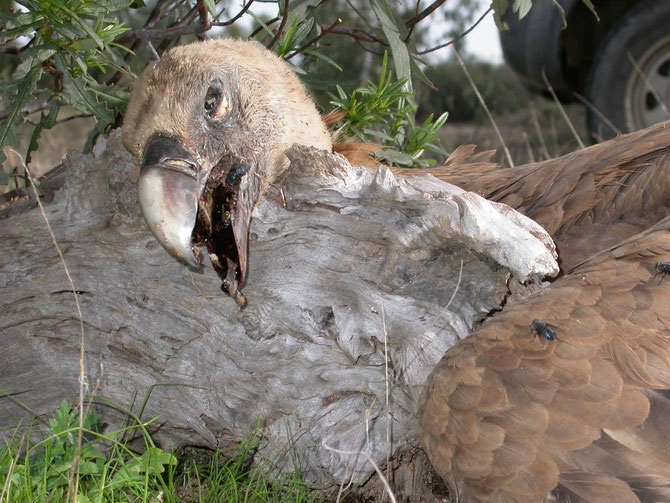
A vulture feeds on a livestock carcass.
Pakistan’s endangered fauna are not victims of fate but of four human-driven forces. First, habitat loss. According to IUCN, over 30 percent of Indus River wetlands have been converted for agriculture in the past half-century, squeezing dolphins into ever-smaller stretches of water. Second, poisoning. The collapse of vulture populations in the 1990s was triggered by diclofenac-treated livestock, leaving toxic carcasses. Third, illegal hunting and trade. The Houbara bustard continues to face relentless pressure from unregulated trophy hunting, shrinking its wintering range by half. Finally, pollution and climate stress. Industrial runoff, river damming and rising temperatures continue to degrade critical habitats. Together, these threats form a perfect storm driving Pakistan’s wildlife toward the brink.
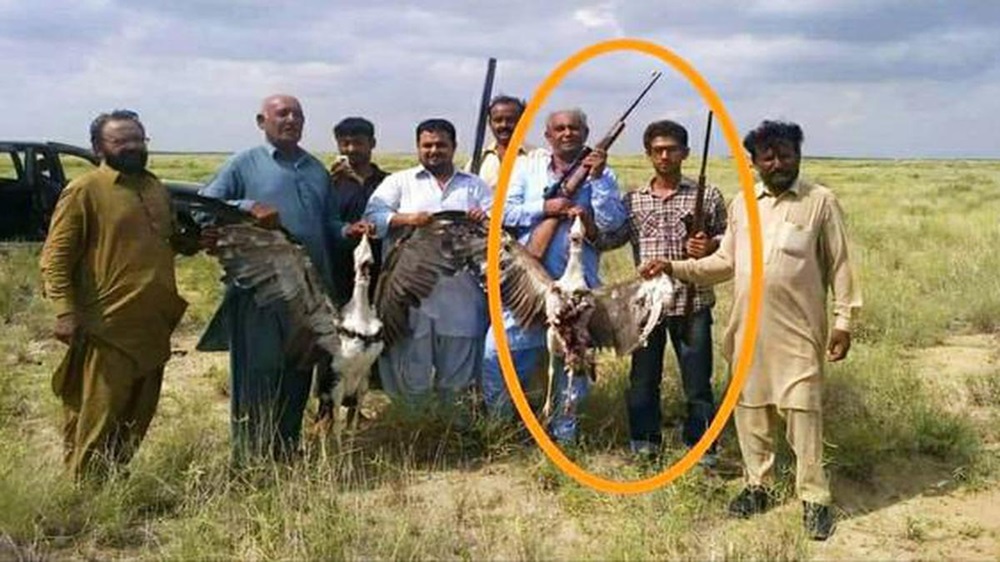
Trophy hunters display freshly shot Houbara bustards in Cholistan.
By the early 2000s, Pakistan’s skies were largely silent. The disappearance of vultures removed a frontline defense against livestock-borne pathogens, and carcasses piled up in fields and villages. Further east, only 1,800 Indus River dolphins remain, restricted to 690 km of river, where gillnets and dams choke the flow and deprive communities of clean water. In Cholistan, the Houbara bustard’s winter flocks have shrunk dramatically due to hunting and habitat loss. When vultures vanish, disease booms; when dolphins disappear, rivers sicken; when bustards fade, ecosystems unravel. These declines are not just numbers. They sound the alarm for Pakistan’s entire ecological web.
Pakistan stands at a tipping point. IUCN experts warn that if current trends continue, one in three of the country’s vertebrate species could vanish by 2050, jeopardizing water security, food production and disease regulation. Pakistan’s National Climate Change Policy links biodiversity to resilience and food security, warning that degraded habitats worsen floods and droughts. Each vanishing species fractures the foundation of Pakistan’s ecological and human systems, and the window for action is closing fast.
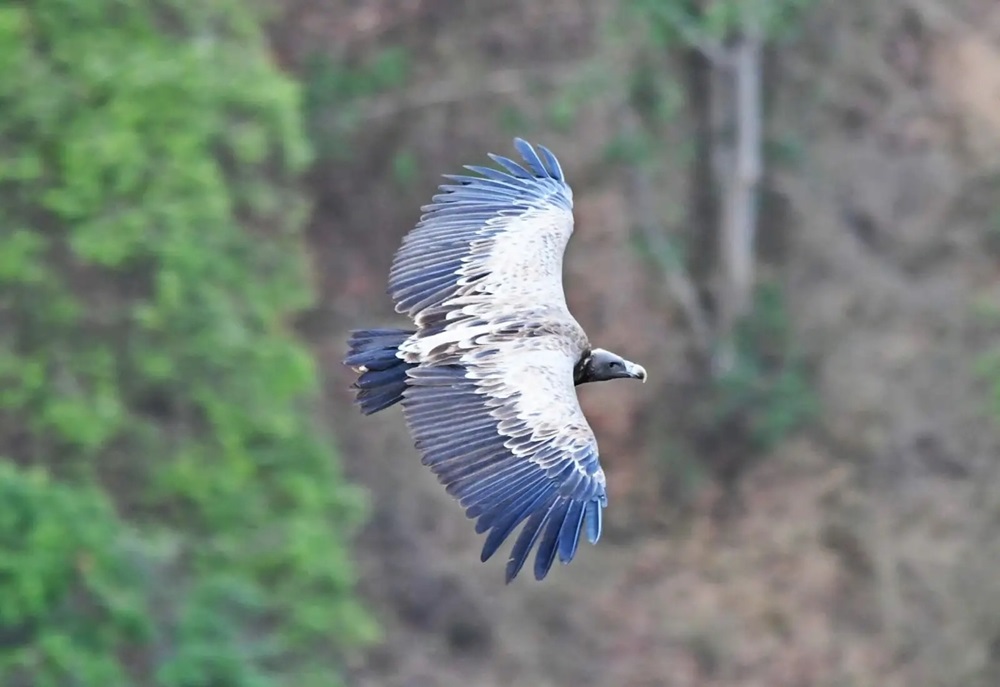
A white-rumped vulture soars above Thatta’s mangrove wetlands.
Consider our three case studies. When vultures collapsed by 99.7 percent in under a decade, carcasses accumulated and pathogen risks surged. As the Indus dolphin retreated to a fragment of its range, farmers and fishers saw water quality decline and livelihoods threatened. In Cholistan, bustard losses stripped deserts of seed dispersal and insect control that sustained nomadic life. Add the floods of 2022 that destroyed nesting grounds and the heatwaves stressing every population, and it becomes clear. Each species lost today accelerates our descent into ecological and societal collapse.
In terms of policy and enforcement, reinforcing the diclofenac ban and penalizing wildlife crimes is vital. Punjab’s Vulture Safe Zones, launched in 2019, already show promise with a 25 percent rise in sightings, driven by community-run feeding sites. Expanding such efforts to protect dolphin habitats and regulate Houbara releases can deter illegal hunting and safeguard biodiversity.
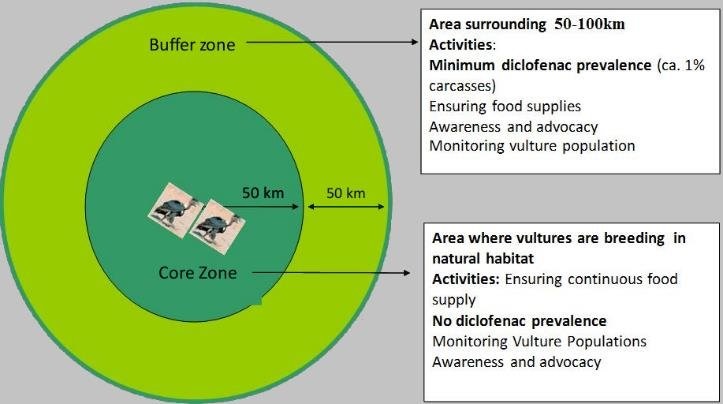
Schematic of core and buffer zones in the Vulture Safe-Zone project.
Community engagement is equally critical. Citizen scientists monitoring nests, carcasses and rivers can generate vital data while building local ownership. WWF-Pakistan’s outreach in Thatta and Cholistan shows impact, with over 200 volunteers now reporting violations in real time. Wildlife education in schools can further instill long-term awareness and responsibility.
Advancements in technology and research also offer crucial support. Drone surveys can track Houbara movements, AI models can predict dolphin hotspots, and GPS tags can map vulture routes. Remote-sensing projects at universities in Karachi and Islamabad demonstrate the potential for precision conservation. Scaling these tools can make interventions more targeted, efficient and sustainable.
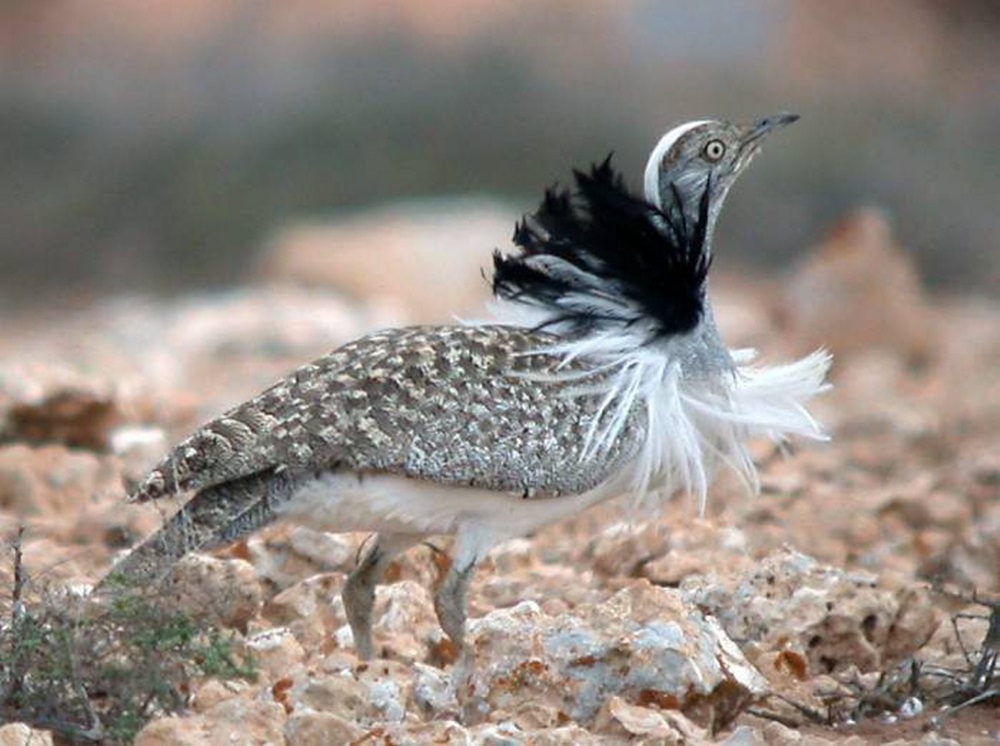
A Houbara bustard performs its characteristic courtship display on the Cholistan Desert floor.
The scars on our rivers, skies and deserts demand more than sympathy. They demand solidarity in policy, community and science. From ministers to schoolchildren, each of us holds a stake in Pakistan’s natural legacy. The hour is late, but hope endures. By rallying behind proven strategies today, we can ensure that echoes of dolphins click, circling vultures and desert bustards remain hallmarks of Pakistan’s wild heart rather than relics of a lost world.
You may also like: