Written by: Amna A. Shaikh
Posted on: August 07, 2025 |  | 中文
| 中文
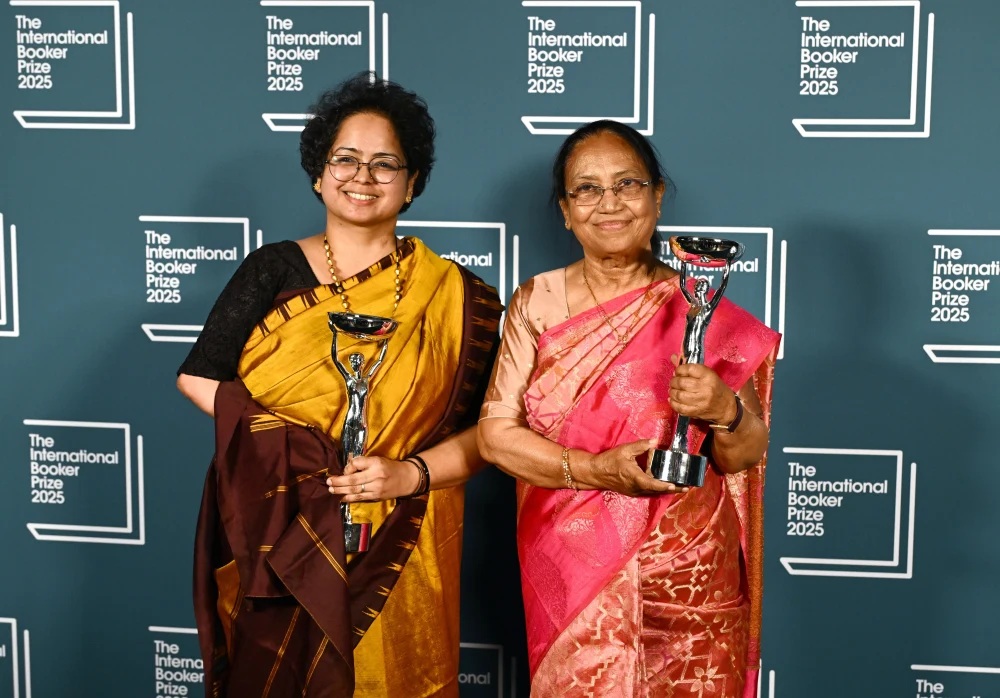
Heart Lamp's author Banu Mushtaq and translator Deepa Bhasthi, the winners of this year’s International Booker Prize, in London.
Fiction has always helped us understand our place in the world. It invites us to feel empathy, for those around us and for those who came before us. Today, in an increasingly polarized and fragile world, this kind of emotional connection feels more necessary than ever.
Reading fiction has taught me that our internal struggles aren’t all that different from one another. Whether rich or poor, male or female, from the East or the West, our insecurities and inner anxieties often echo similar rhythms. That’s not to say anyone’s personal pain should be dismissed or reduced; rather, it’s a reminder that others are quietly carrying difficult emotions too. And this understanding helps me move through the world with more care, softness and empathy in my day-to-day interactions.

Kanza Javed, author of What Remains After the Fire, is an emerging Pakistani fiction writer.
Fiction also expands my understanding of the world. Through stories, I’ve wandered cities I’ve never visited and connected with cultures I might never have otherwise engaged with. A good novel can act as a bridge: across borders, languages and ideologies.
That’s why I believe it’s important to highlight South Asian fiction, especially works that bring our narratives to the world in nuanced and complex ways. These stories don’t always have to be uplifting or hopeful. Like life, fiction can be messy, unresolved or uncomfortable, and seeing that reflected across cultures can help us better recognize each other’s humanity.
In a time when the world feels increasingly fractured - politically, ideologically, emotionally - stories remind us of what we share. So here are a few works of fiction by female South Asian writers that deserve your attention for the way they beautifully explore identity, culture and the messy realities of being human
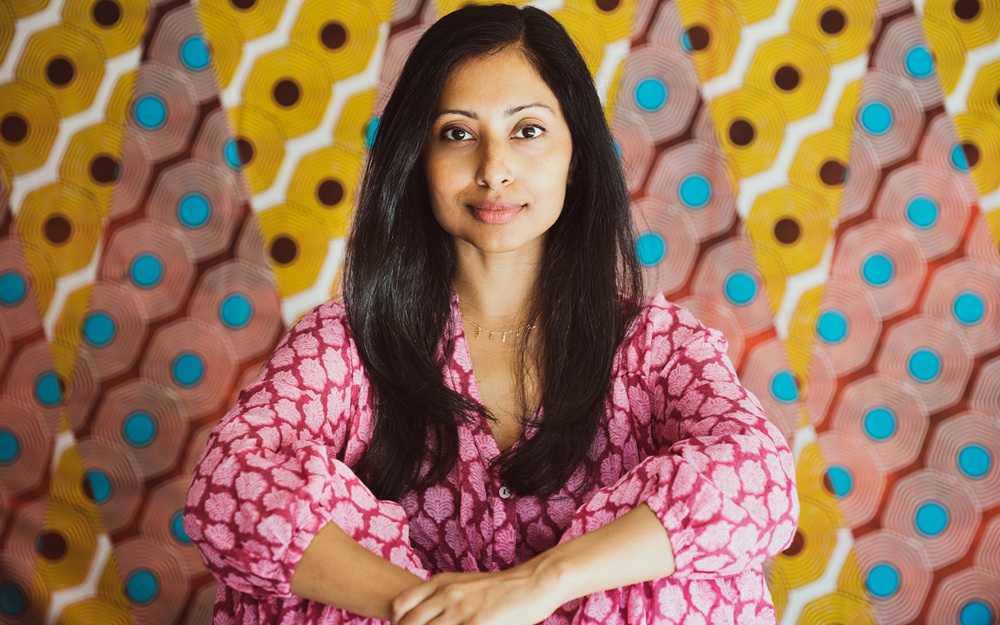
Avni Doshi
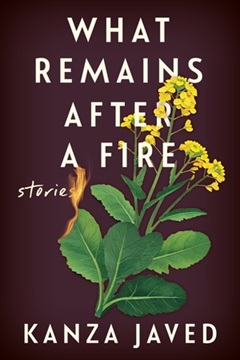
Kanza Javed – What Remains After the Fire
This upcoming short story collection by Pakistani author Kanza Javed is a must-read for anyone interested in the Pakistani diaspora and themes of identity, belonging and cultural dissonance. From the streets of Lahore to the states of America, the eight stories in this book explore the question of one’s place in society.
Javed’s work has previously won the 2020 Reynolds Price Prize for Fiction and has appeared in American Literary Review, Punch Magazine, Salamander, and The Greensboro Review. What Remains After the Fire will be published in the US in September of this year and is expected to be available at The Last Word Books in Lahore and online.
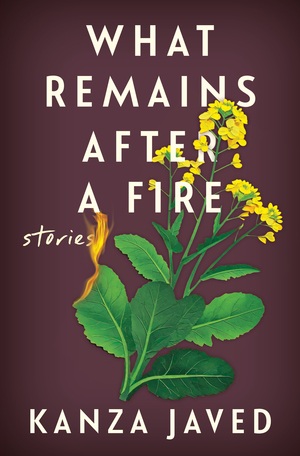
What Remains After The Fire by Kanza Javed
Banu Mushtaq’s collection of short stories, originally written in Kannada and translated into English by Deepa Bashthi, is the first short story collection to ever win the International Booker Prize.
The twelve stories in the collection capture the everyday lives of women living in the Muslim communities of South India and cover a range of topics including reproductive rights, caste, faith and oppression. Praise for Banu’s writing has talked about her observant, witty style of writing that captures the patriarchal society women live in the familial and community tensions superbly.
Heart Lamp is available for pre-order online on Liberty Books’s website.
Avni Doshi’s debut novel is a great piece of work if you’re interested in reading about complicated characters and messy familial relationships. It follows a daughter dealing with the grief of her mother’s dementia. We follow Antara’s life through her traumatic childhood in an ashram, to religious school, her career as an artist, her marriage to an American, and to beginning a family while trying to care for her mother, whose dementia continually gets worse.
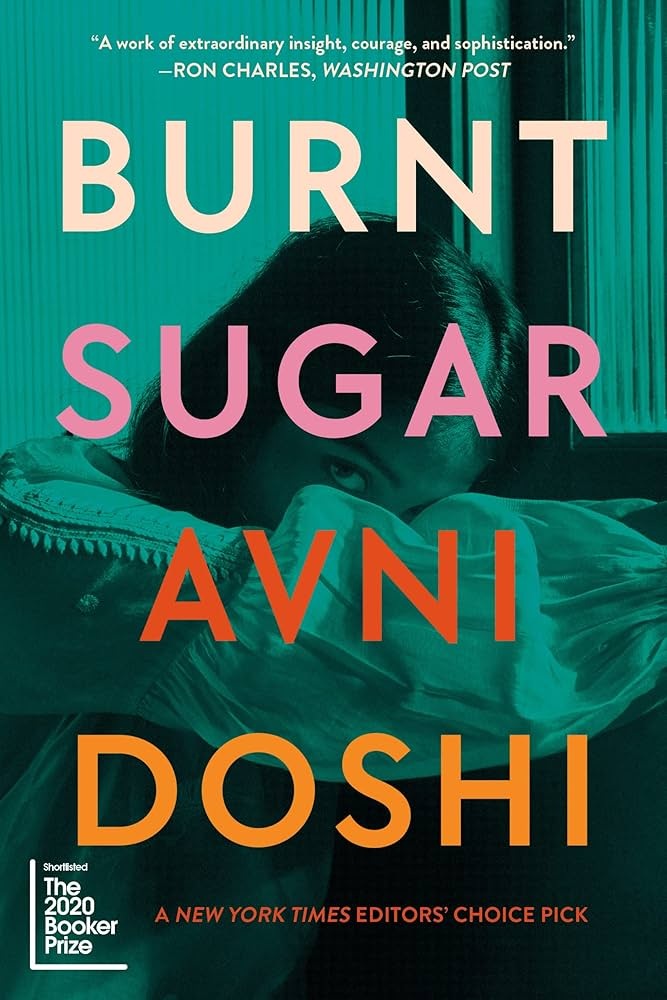
Burnt Sugar by Avni Doshi
The novel doesn’t offer easy answers. Doshi’s characters are complicated and messy and her novel deals with question of the subjective nature of truth.
Ayesha Muzaffar – Jinnistan- Scary Stories To Tell Over Chai Ayesha Muzaffar is a pioneer of English-language horror fiction in Pakistan. She recently made her screenplay writing debut with Deemak, the wildly successful horror film starring Faisal Qureshi and Samina Peerzada. But her roots lie in fiction, especially crafting eerie, unsettling narratives that explore psychological horror in distinctly Pakistani contexts.
Her short story collection, Jinnistan, is a set of eerie, paranormal tales set against the backdrop of South Asian folklore and cultural belief systems. It is an exploration of cultural memory, women’s fears, and the paranormal as metaphor. Muzaffar captures the uncanny familiarity of South Asian ghost tales with emotional nuance and contemporary relevance.
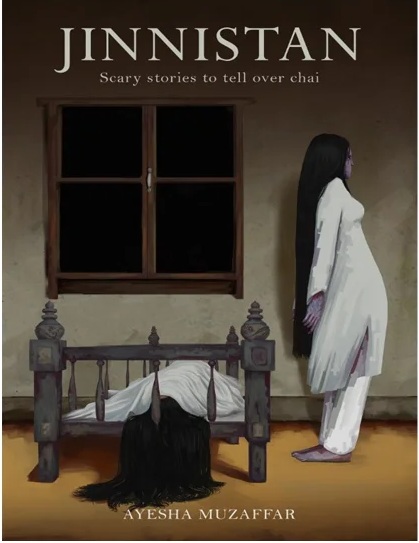
Jinnistan, Scary Stories to Tell Over Chai by Ayesha Muzaffar
Muzaffar’s work is worth following not just for what she’s accomplished, but for how she’s carving a space for genre fiction, especially horror, in Pakistan’s literary landscape.
Her books are available at Liberty Books and Readings.
You may also like: