Written by: Muhammad Suhayb
Posted on: August 31, 2026 |  | 中文
| 中文
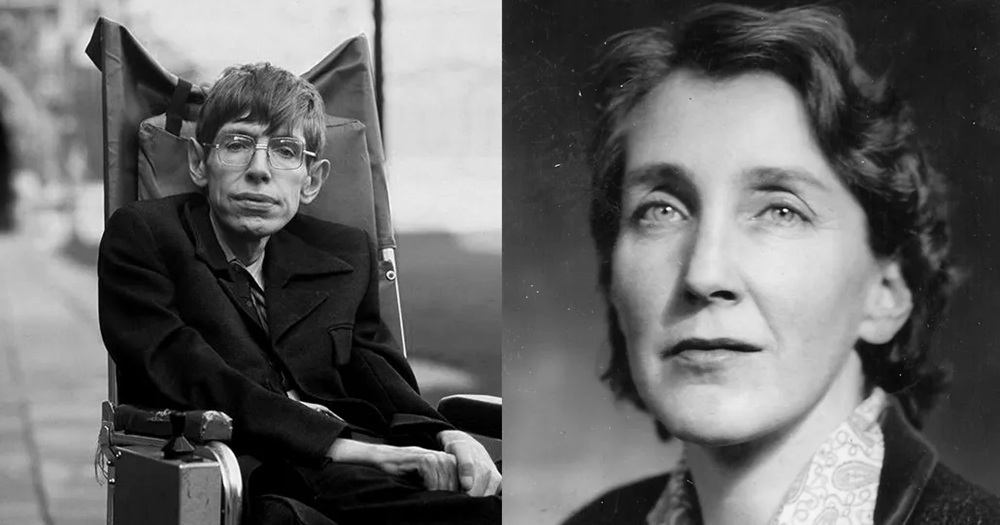
Stephen and Isobel Hawking
There are some thoughts so simple, yet so profound, that they settle gently into the heart of anyone who hears them. One such line reads: "Every story of greatness begins with a mother’s silent sacrifices.” In these few words, the entire essence of motherhood seems to unfold - as if an ocean has been contained in a small vessel. It is this very sentence, placed on the cover of the book, that draws the reader in.
Written by renowned scholar, writer, and publisher Allama Abdul Sattar Asim, the book not only highlights the mothers of great personalities but also traces the profound influence of their upbringing, sacrifices, and guidance on their children's lives and achievements. Published by his own platform, Qalam Foundation International, the book reflects a lifelong engagement with ideas that blend faith, history, and human emotion.
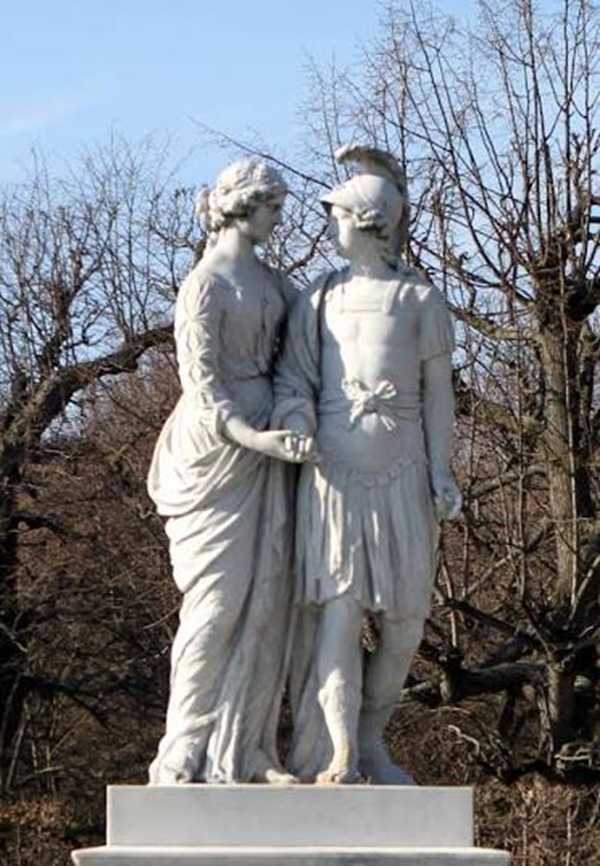
Alexander and Olympias
The author has tried to explore the subject through religion, history, culture, society and even science. The book brings together references from the Quran and Hadith, accounts of great mothers in history, the mothers of famous personalities, and the way different societies and traditions have understood the role of a mother. It also looks at the biological and psychological importance of motherhood. Early parts are strongly rooted in religious narratives. The lives of revered figures such as Hazrat Maryam, Hazrat Amina and Hazrat Sarah (may Allah be pleased with them) are explored through the lens of motherhood. Similarly, the deep reverence shown by saints like Sheikh Abdul Qadir Jilani and Khawaja Nazimuddin towards their mothers highlights how maternal love shapes spiritual journeys.
However, in some places, the narrative remains general where it could have been more specific. For instance, while the mother of Khalid bin Waleed (RA) is mentioned as a source of strength behind a great general, the absence of concrete incidents weakens the impact. Similarly, references to figures like Muhammad bin Qasim or even contemporary personalities such as General Raheel Sharif are presented without detailed context, leaving the reader wanting more depth. Not to forget Napoleon Bonaparte’s famous statement about mothers, "Give me good mothers and I will give you a great nation.”
The strength of the book lies in its range. It moves from the spiritual importance of a mother to her role in shaping a child’s personality and then to examples from history and literature. At times, it feels less like a conventional book and more like a collection of everything that humanity has said, written, and believed about mothers.
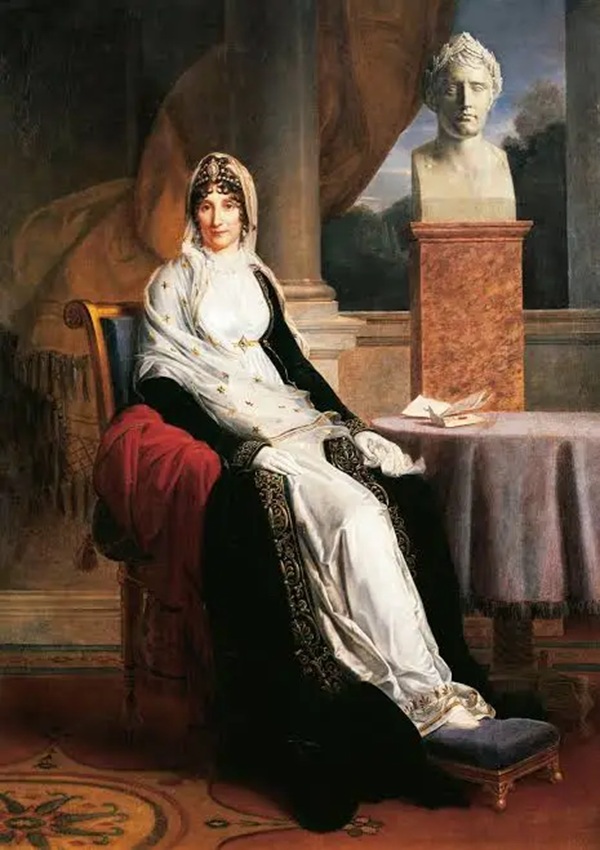
Maria-Letizia Bonaparte
Perhaps the most touching part is that, despite all the research and references, the subject never becomes distant or academic. Almost every chapter brings back a personal memory of one’s own mother. You may read about a mother from history, a religious reference, or a scientific fact, but somewhere along the way you find yourself thinking about your own home.
That said, the strength of the book lies in its wide scope. It does not confine itself to religious or historical examples alone. The lives of great scientists such as Thomas Edison, Isaac Newton and Stephen Hawking are also discussed, particularly the role their mothers played in their success. Edison’s story stands out - when the world dismissed him as incapable, it was his mother’s belief that gave him confidence to succeed. His famous words, acknowledging her faith in him, remain a powerful reminder of a mother’s influence.
The book also touches upon artists and creative minds, including Leonardo da Vinci, showing how the idea of motherhood has been expressed in art and culture. Beyond this, it explores modern themes — especially the changing role of mothers in today’s digital age. The author raises a thoughtful question: as expressions of love shift from private prayers to public social media posts, is the depth of the relationship being transformed or simply re-expressed?
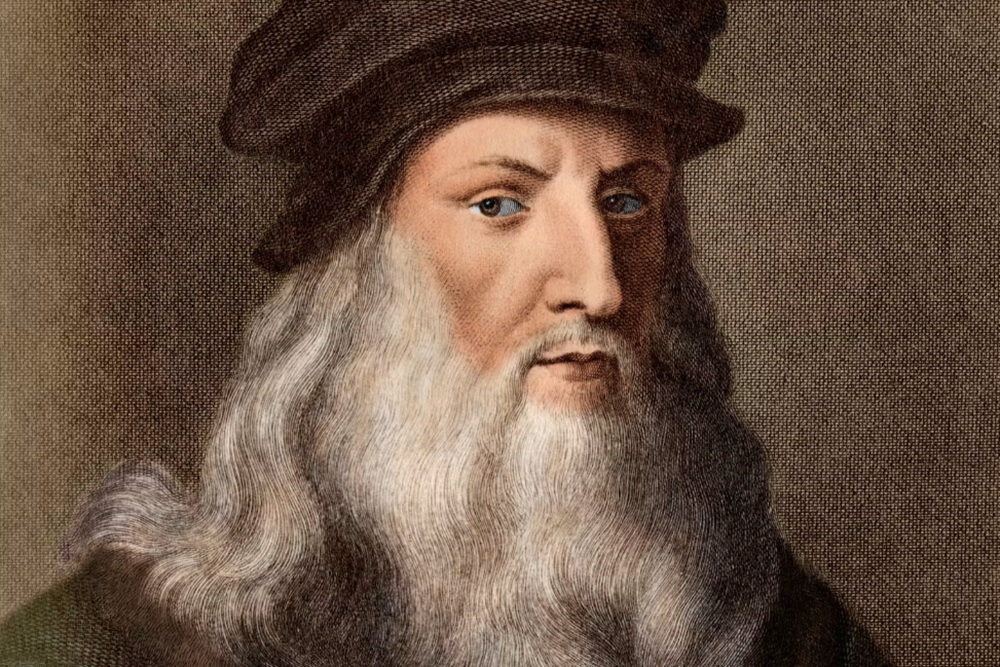
Leonardo da Vinci
In its 288 pages, Mother — A Tale of Greatness goes beyond being just a book; it feels closer to an encyclopaedia on motherhood. It gathers history, faith, personal stories, poetry and reflection into one place. Quotations from great personalities and poems - including those of Allama Iqbal - further enrich the reading experience.
In the end, Maa leaves you with a simple but profound thought: perhaps we spend our lives knowing our mothers, yet never fully understanding them. We see their love, but often overlook the sacrifices behind it; we remember their care, but not always the strength it took to give it. The book reminds us that behind many great lives is a mother whose contribution may never have been written in history, but without whom that history might never have been possible.
You may also like:

From the Horn of Africa to Bahria Town: Habesha Café Brings Centuries of Coffee Culture to Rawalpindi
(October 15, 2026)