Written by: Sirat Gohar Daudpoto
Posted on: October 16, 2026 | 
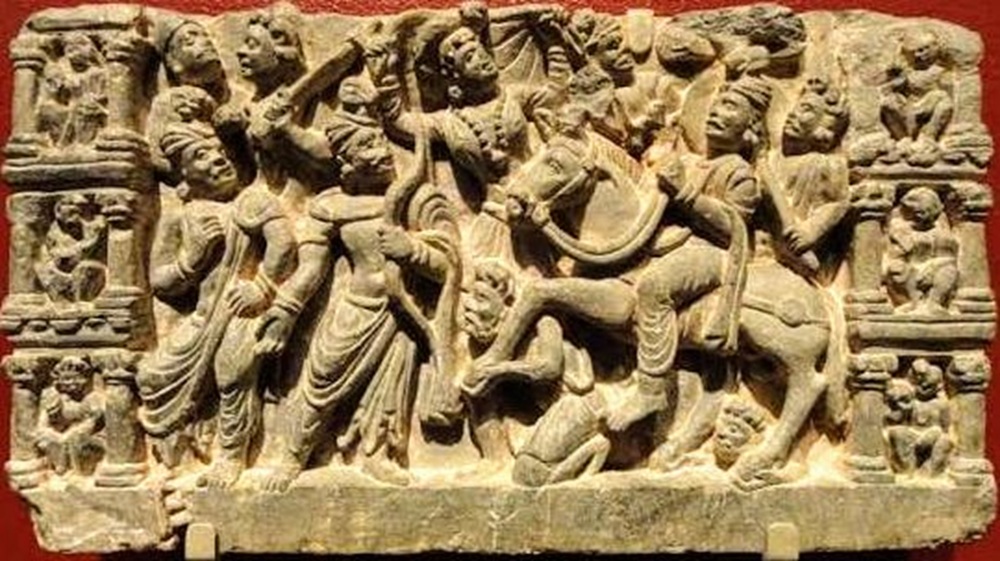
Gandharan relief representing Great Departure of Siddhartha Gautama Buddha (San Diego Museum of Art)
Encounters with the realities of life deeply shocked Siddhartha, while at the same time, awakened his intrinsic powers. He resolved to renounce palatial life and follow the path of asceticism in order to seek out the truth to end suffering. Siddhartha was twenty-nine years old at that time.
One day in the middle of the night, when his wife and infant son were asleep, Siddhartha silently left the palace without saying farewell to his family. He thought if he awoke and saw his wife, son, and father before departure, he would feel affection for them and might not leave the palace out of love. He sneaked out of his room, took his horse, Kanthaka, and renounced the royal world.
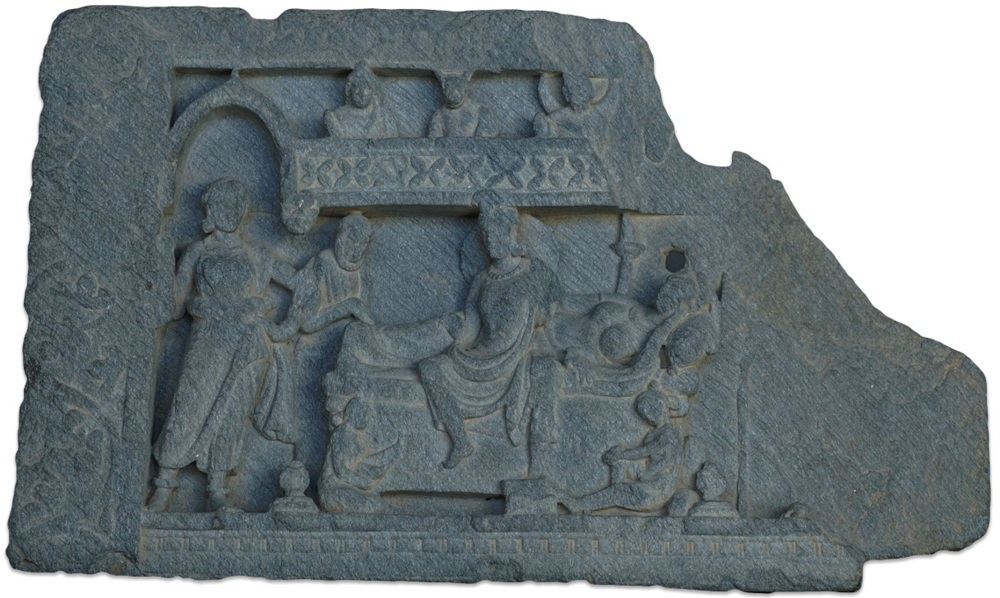
Departure of Siddhartha Gautama Buddha from the Kapilavastu Palace (Taxila Museum)
But his attendant, Channa, pleaded with Siddhartha to refrain from abandoning his family and his kingdom. He could see sheer grit and determination on the face of Siddhartha, and realizing that Siddhartha would not stay, Channa took the pledge to accompany his master wherever he went.
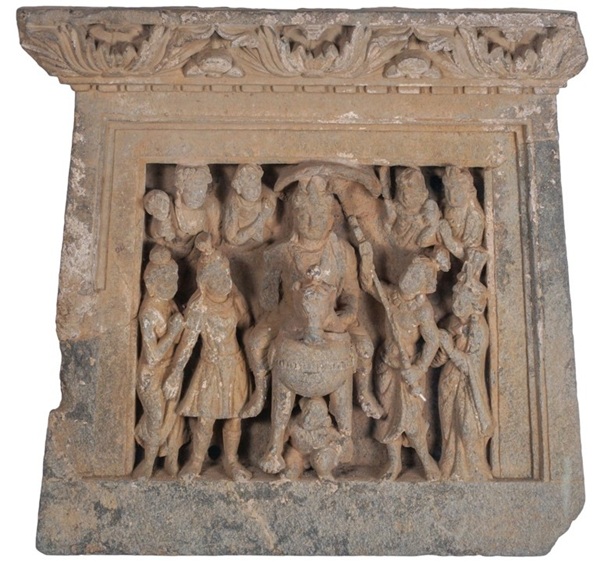
Great Renunciation of Siddhartha Gautama Buddha from Kapilavastu (Taxila Museum)
Channa saddled Siddhartha’s favourite white horse, Kanthaka, and escorted him in departure from Kapilavastu. When they reached the Anoma River, they crossed over the river and stopped. On its bank, Siddhartha cut his hair with his sword, removed jewelry, and exchanged his royal attire with the ascetic’s simple robe. He handed over all of his royal belongings and the horse to Channa and told him to return to the Kapilavastu palace. Siddhartha moved onward and entered the world of ascetics, and became a shramana ascetic.
Channa brought Siddhartha’s things back to Kapilavastu and presented himself before King Suddhodana. He informed the King about the renunciation of Siddhartha. This news shocked King Suddhodana and completely broke Princess Yashodhara, as their whole world had gone. But his fate was predetermined. He was to become a spiritual master, as proclaimed earlier by the revered sage of Kapilavastu, Asita, when Siddhartha was an infant child. His family and the whole city of Kapilavastu and the Shakya kingdom were mourning the departure of Siddhartha, as they lost their prince who was to become the Raja of the Shakyas after his father, King Suddhodana.
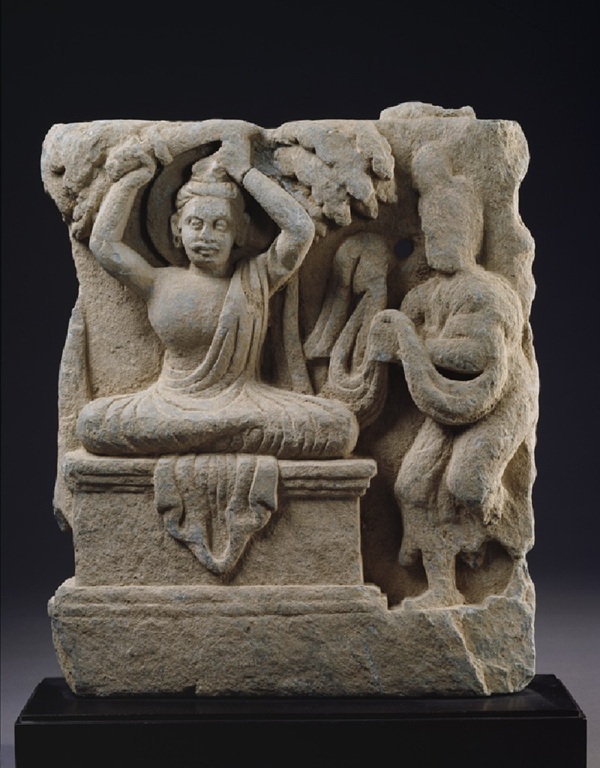
Siddhartha Gautama Buddha cutting his hair in renunciation (Ashmolean Museum, University of Oxford)
In the forests of ascetics, on the other hand, Siddhartha was wandering in search of absolute knowledge, universal truth, and the right path and destination. There he met with five mendicants called Pancavaggiya, namely Kondinya, Bhadrika, Vashpa, Asvajit and Mahanama. Together with these renunciates, Siddhartha practiced austerities for six years of his life. He went to different ascetic leaders or high shramana, who had been following strict asceticism for a very long time, and learned their yogic traditions and practices. Siddhartha mastered ascetic ways and did yoga to perfection. He became very popular among ascetics and attained a high rank in the sharamanic world.
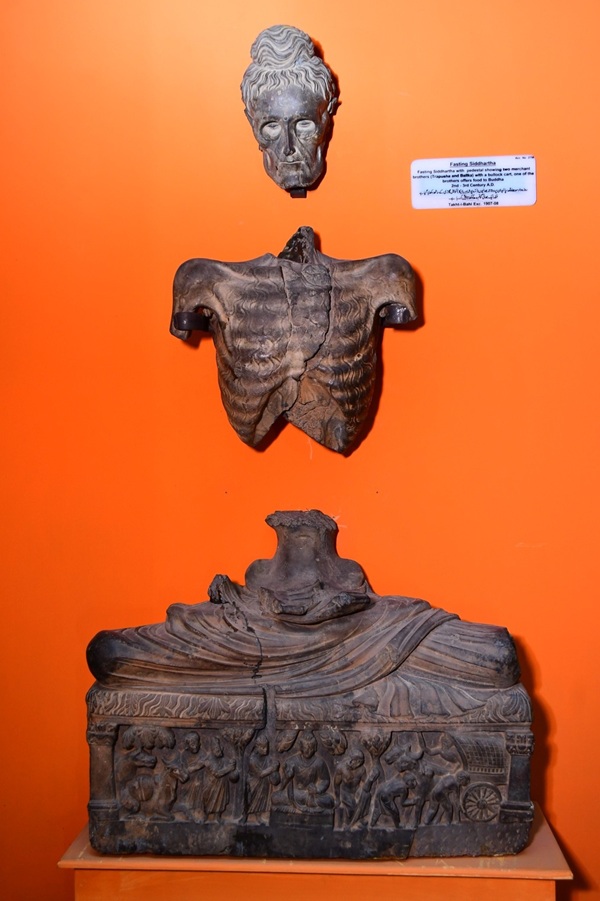
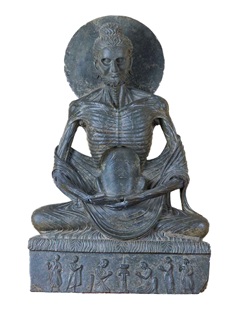
Siddhartha Gautama Buddha in an emaciated state (Picture Courtesy: Doctor Saqib Raza, Incharge Peshawar Museum)
But despite six years of self-mortification and yogic hard work, Siddhartha could not achieve what he was looking for: the end of suffering. He meditated and performed austerities so hard that at one point in his life he was barely able to move and walk. At this stage, while performing extreme yoga, Siddhartha realized that self-annihilation is suffering per se, and that it eradicates suffering. He eventually understood that asceticism was not the right way to end the cycle of suffering.
You may also like: