Written by: Sirat Gohar Daudpoto
Posted on: November 24, 2026 | 
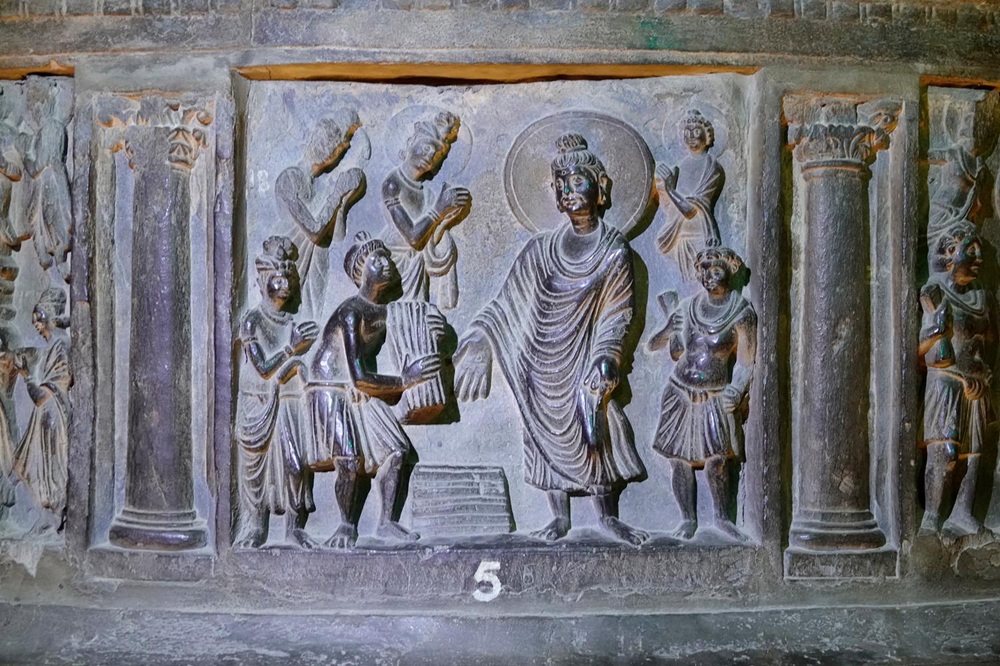
A grass-cutter named Svastika offering a handful of grass to Siddhartha for the seat, Lahore Museum
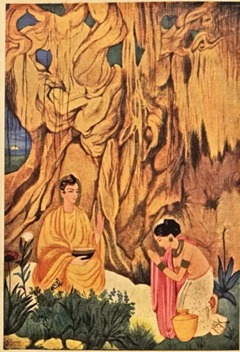
Once he realized that wandering and austerities only cause and add to suffering, Siddhartha stopped doing extreme yoga and broke the vows of asceticism. Yogic practices in the preceding years of austerities had weakened Siddhartha to the utmost. He somehow made it to the Niranjana River and refreshed and cleansed his body. He also changed his worn-out robe with the shroud of a dead body lying close by. Then, he accepted the offering of sweet milk rice in the gold bowl from a village woman, Sujata.
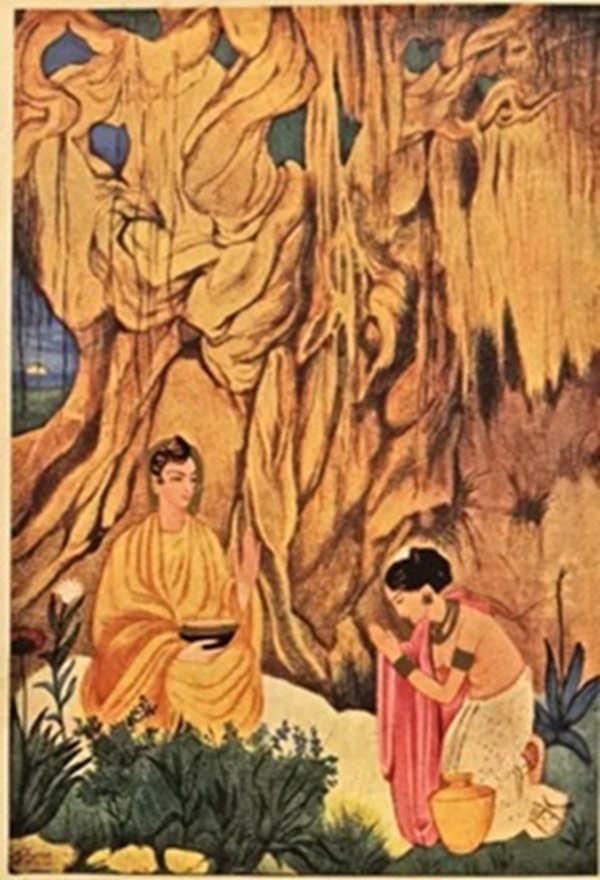
Buddha and Sujata. Painting made before 1903 by Abanindranath Tagore (Indian Museum Kolkata)
Watching him abandon the ascetic traditions and take the meal, Siddhartha’s five ascetic companions, the Pancavaggiya, became disappointed in him and left him. They believed Siddhartha had lost it all on his spiritual journey, and he was no longer the ideal figure. So, they parted company with him in the jungle in Sarnath and continued on their way. And Siddhartha moved in the other direction, but now, he had to carve out a path himself to find enlightenment.
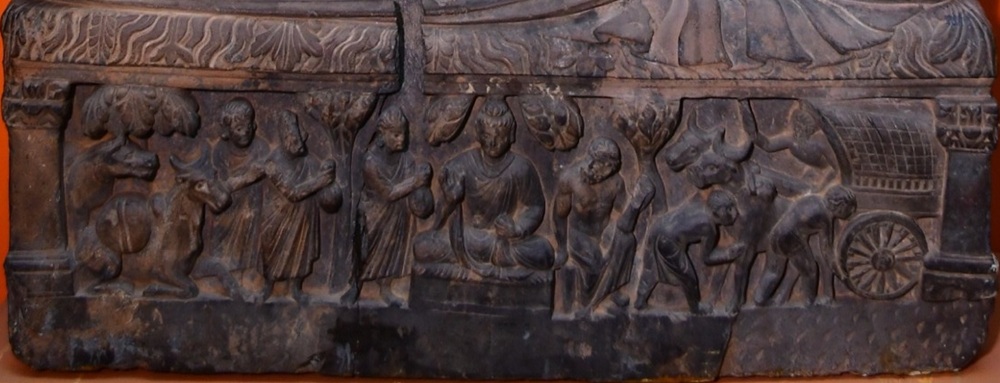
Base of the Gandharan statue of the Buddha depicting two merchants, Trapusa and Bhalika, offering food to the Buddha (Credit: Doctor Saqib Raza of the Peshawar Museum)
On the banks of the Niranjana River, Siddhartha did not keep the gold bowl after eating the food. He threw it into the river and made a solemn pledge: “If I am to succeed in becoming a Buddha today, let this bowl go upstream. But if not, let it go downstream.” Miraculously, the bowl did not sweep away with the current of the river; instead, it floated upstream and suddenly sank into a whirlpool at one point. It gave him confidence and direction to attain enlightenment.
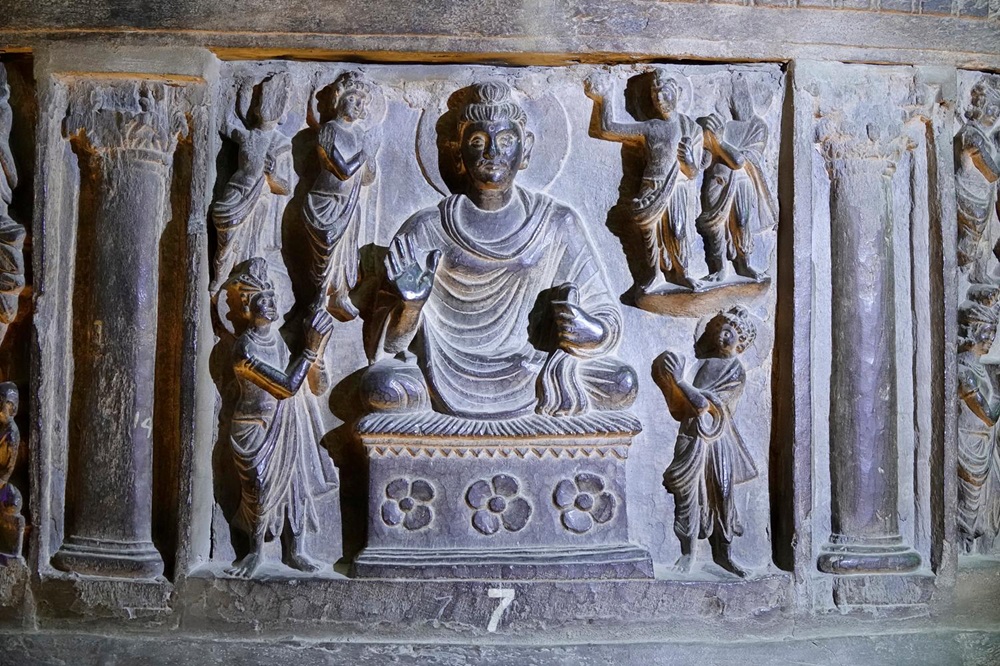
The devas, Brahma and Indra, approach Siddhartha to preach after the Buddhahood (Lahore Museum)
Then Siddhartha stepped towards the Bodhi tree (pipal tree), and on his way, he was offered a bundle of soft grass, Kusha, for the seat by a grass-cutter, Svastika. He accepted the grass and set up a seat by placing it under the Bodhi tree, on which he sat and started meditation. Under this tree Siddhartha meditated and fasted until the attainment of Buddhahood. He took food one week after the enlightenment. He kept meditating and fasting there for some time and received offerings from the people. In particular, he accepted food alms from two merchants named Trapusa and Bhalika in a stone bowl, which was presented to him by the four heavenly kings, the Lokapalas.
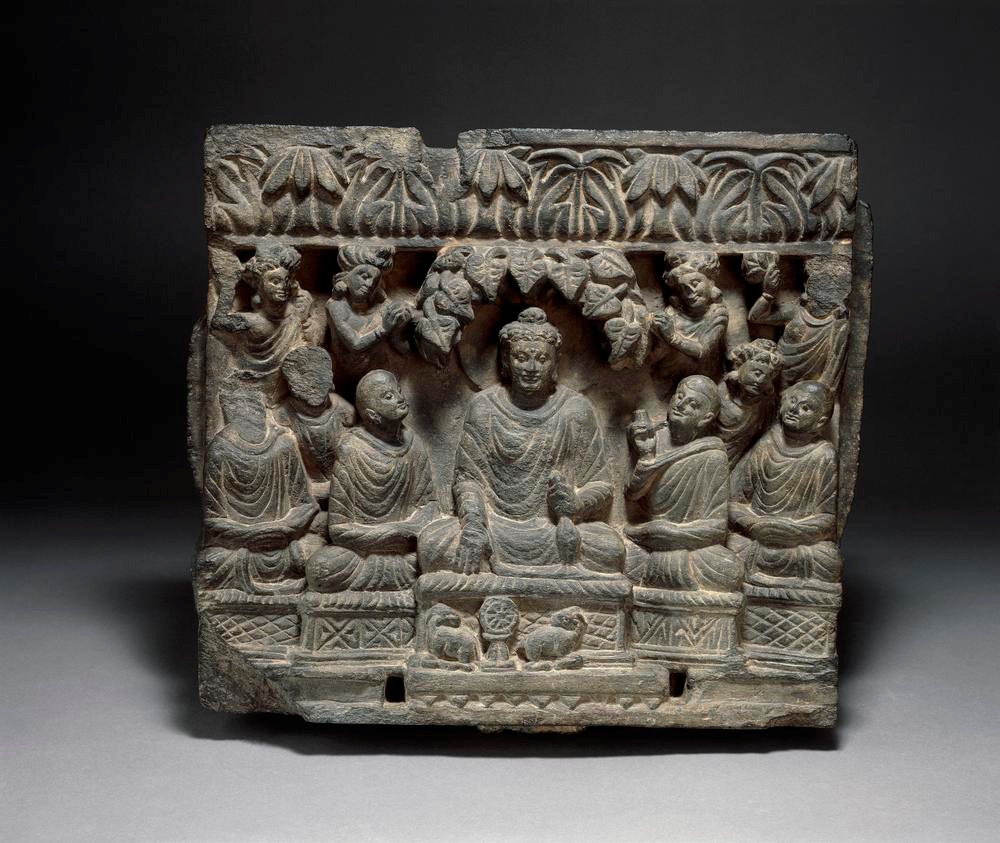
Gandharan image showing the First Sermon of the Buddha (British Museum)
After Siddhartha became the Buddha, the gods, Brahma and Indra, approached him and convinced him to preach the doctrine. He agreed to preach and delivered his first sermon to his former five yogic companions, the Pancavaggiya, at Sarnath. The Pancavaggiya became his first disciples, and the Buddha finally met his destiny of becoming the great spiritual teacher, after years of constant struggle and enduring extreme austerities, as predicted by the sages.
You may also like: