Written by: Rana Kanwal
Posted on: September 02, 2026 | 
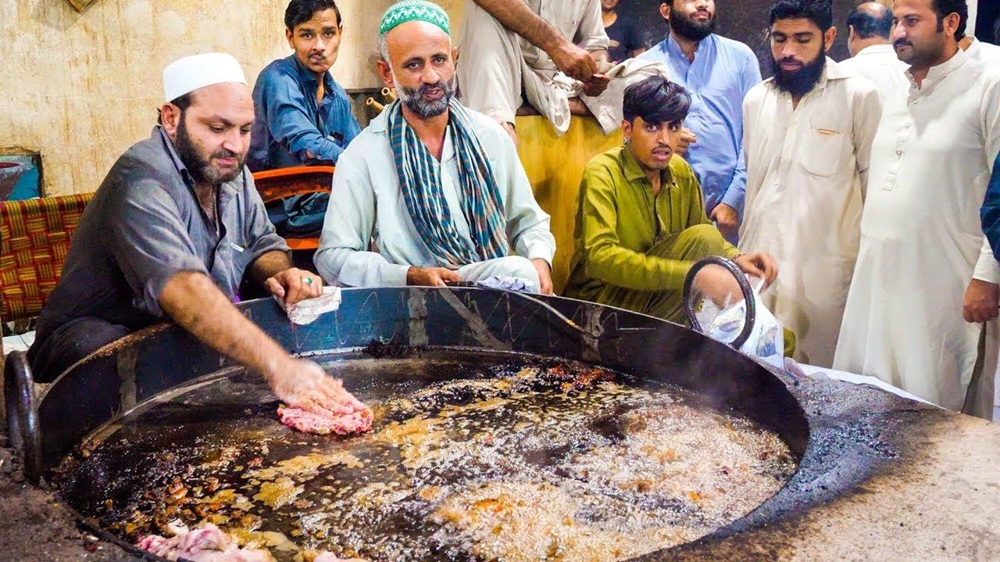
Kabab street food beauty
Ask a Pakistani what makes a meal memorable, and the answer will rarely be about the price of the restaurant.
It might be a steaming plate of nihari eaten before sunrise in Lahore. It might be a bun kebab grabbed from a Karachi street corner, a smoky chapli kebab in Peshawar, or sajji slowly roasting over charcoal in Quetta. It could just as easily be an elegantly presented Pakistani dish enjoyed beneath the lights of a fine-dining restaurant.
This is the interesting thing about Pakistani food: we have never really agreed on where good food should be eaten.
For some, the best meal comes wrapped in newspaper. For others, it arrives on a carefully arranged plate in a beautiful dining room. Yet both experiences can produce the same reaction the satisfied silence after the first bite.
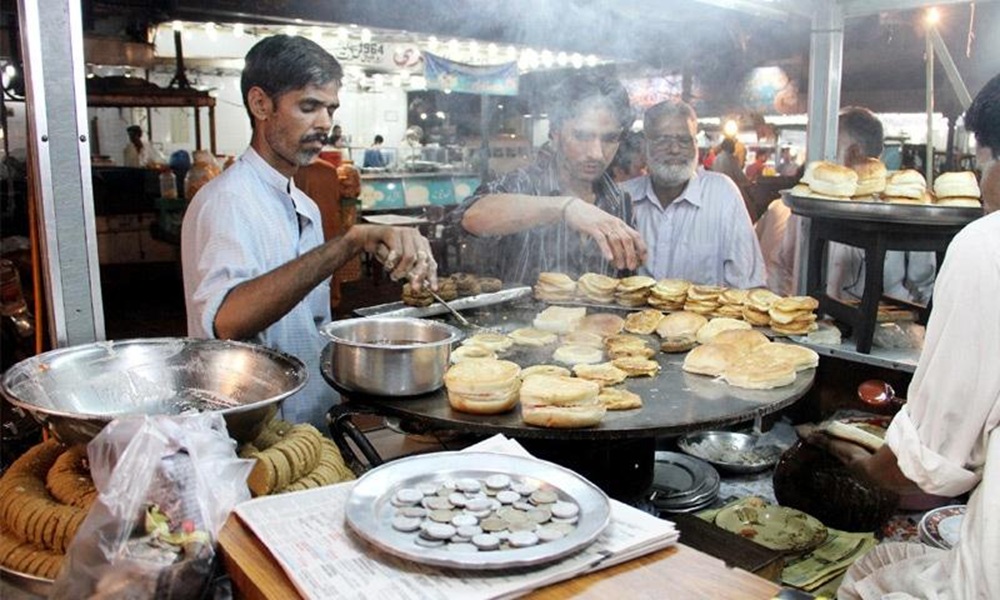
Bun Kabab
So, what truly defines Pakistani taste: street food or fine dining?
Perhaps the answer is neither. Perhaps it is the story behind the food.
Pakistan's street-food culture is not simply about cheap food. It is about accessibility, atmosphere and tradition.
In Punjab, food is almost a form of conversation. Lahore's streets have long been famous for nihari, paye, halwa puri, chana, kebabs, tikkas, chargha and karahi. At a traditional food street, the experience is deliberately noisy: sizzling meat, freshly baked naan, impatient customers and cooks working at astonishing speed. You do not simply eat you become part of the scene.
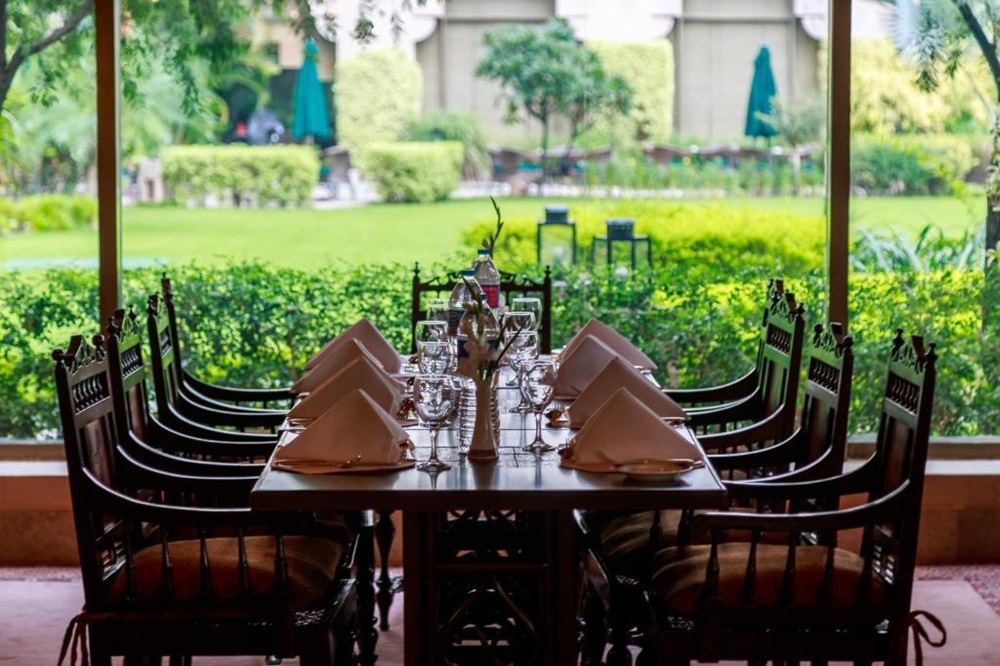
fine dine outside
Punjab's food also reflects its fertile agricultural landscape. Wheat, dairy, vegetables, meat and rice have traditionally played important roles in the regional diet. That is why dishes such as sarson ka saag with makki di roti, lassi, haleem and rich meat curries feel less like restaurant creations and more like extensions of everyday life.
Travel south and the flavour changes.
Sindh brings a different personality to the Pakistani table. Karachi, with its enormous coastline and history of migration, has developed one of the country's most diverse food cultures. Seafood, biryani, bun kebabs, rolls, chaat, nihari and haleem all coexist in its culinary landscape.
Then there is Burns Road, where food is almost inseparable from the identity of the city. Karachi's street food tells the story of a metropolis shaped by different communities, migrations and influences. Even the city's beloved biryani has become more than a dish - it is an argument, a family tradition and sometimes a neighbourhood rivalry.
The sea also leaves its mark. Fresh fish, prawns and other seafood are naturally important in coastal Sindh, while the food traditions of interior Sindh offer another world of flavours, including sai bhaji, Sindhi kadhi and pallo.
In Khyber Pakhtunkhwa, food often takes a simpler but no less powerful route.
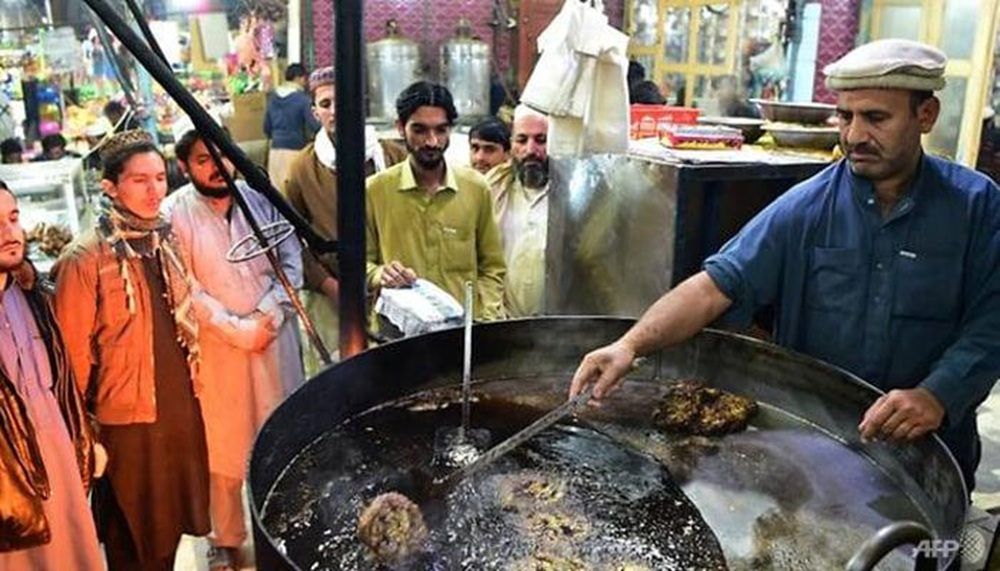
Chapli Kabab
Peshawar's famous Namak Mandi is a celebration of meat, charcoal and patience. Chapli kebab, tikka, karahi and pulao are built around the quality of the main ingredient rather than an overwhelming list of spices. Pashtun culinary traditions have historically favoured hearty meat dishes, and the colder mountainous climate has also encouraged richer, warming foods.
And then comes Balochistan, where the landscape itself seems to influence the plate.
Balochi sajji is perhaps the most dramatic example. Traditionally, whole meat is roasted over fire, allowing the flavour of the meat, salt and smoke to take centre stage. Balochi cooking is often less dependent on heavy spices than the food of central Punjab or Sindh. In coastal areas, seafood naturally becomes part of the culinary story, while dates and other local produce also have their place.
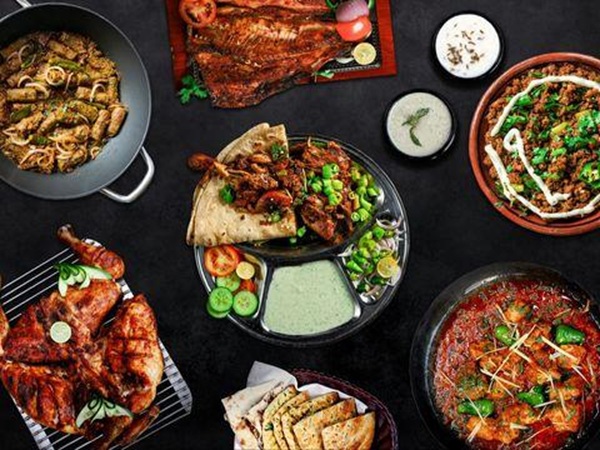
Cuisine
From Punjab's tandoors to Karachi's frying pans, Peshawar's charcoal grills and Balochistan's open fires, Pakistani street food has one thing in common:
It does not need an introduction. The smell does the advertising. But Pakistan Has Also Learned to Dress Its Food Up.
Walk into a modern restaurant in Lahore, Karachi or Islamabad and the scene can look completely different.
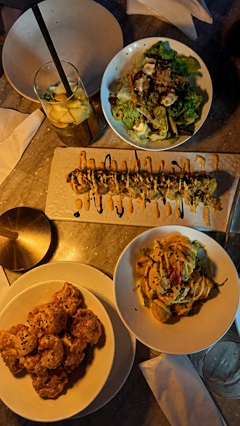
There may be polished tables, carefully designed interiors, trained servers and beautifully presented dishes. A familiar Pakistani recipe may arrive in a form that would have been unimaginable at a roadside stall twenty years ago.
This is the rise of Pakistan's modern fine-dining culture.
But interestingly, fine dining does not necessarily mean abandoning Pakistani food.
Restaurants are increasingly turning to local flavours, traditional recipes and regional ingredients while presenting them in more contemporary ways. Lahore, for example, now has restaurants where Pakistani cuisine is served alongside sophisticated international dining concepts. Rooftop restaurants in the historic Walled City have even turned the setting itself into part of the dining experience, combining traditional food with views of Lahore's historic architecture.
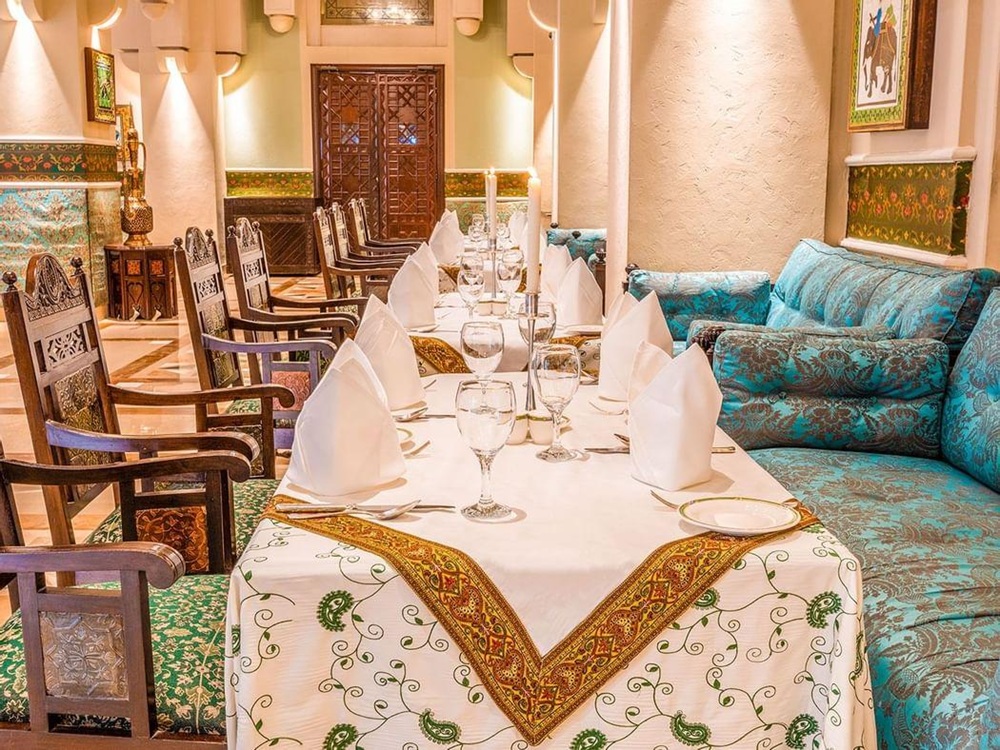
Dawat
Karachi has taken this evolution even further. Its cosmopolitan population has created space for everything from traditional Pakistani restaurants to seafood destinations, tasting menus and international cuisines. The city's modern dining scene exists alongside its legendary street-food culture rather than replacing it.
Islamabad, too, has developed a growing restaurant culture where traditional Pakistani food is being presented in more polished surroundings. Recent dining concepts have focused on regional flavours, hospitality and atmosphere, showing that Pakistani cuisine can move comfortably from a roadside setting to an elegant table without losing its identity.Even Peshawar's restaurant scene is evolving, with modern dining spaces existing alongside the city's famous traditional meat restaurants and food streets.
Not necessarily.
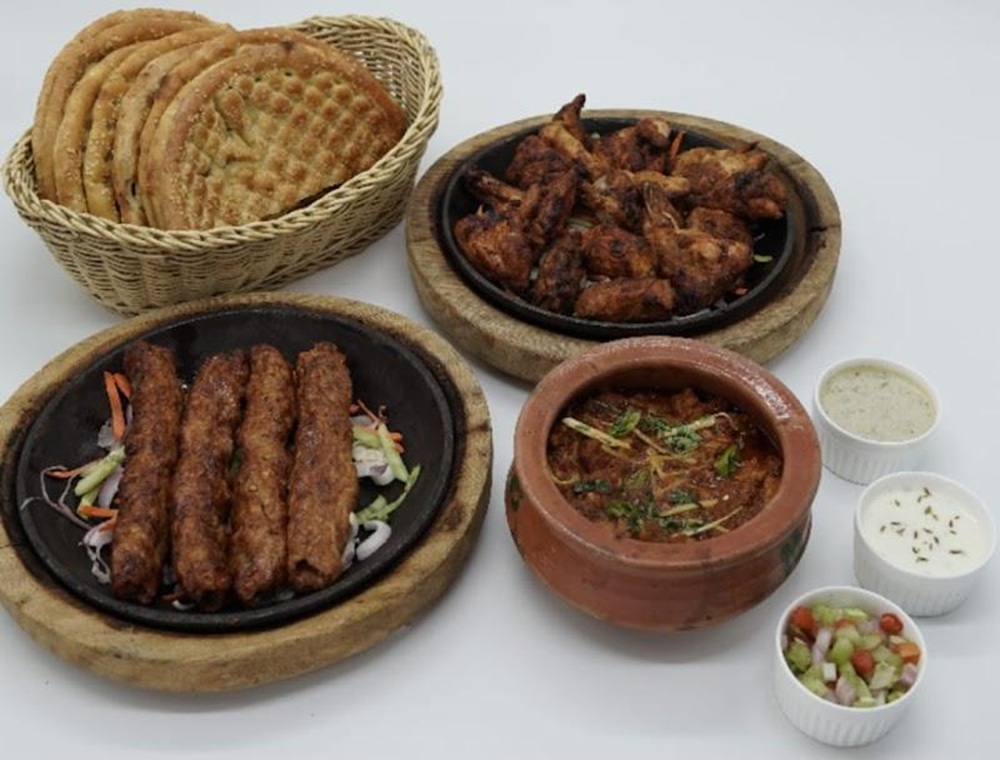
desi food in fine andaz
Fine dining can give food theatre. Street food gives it character.
A beautifully plated dish may demonstrate technique, but the smoky aroma of a kebab being cooked in front of you can create a memory that lasts for decades.
At a fine-dining restaurant, you might admire the presentation before taking the first bite. At a street stall, you might already be eating before you have even found a place to sit.
And that is the beauty of Pakistani food.
We are equally comfortable eating with our hands around a crowded table and sitting politely through several courses.
We can spend a considerable amount on a special dinner and then stop for chai on the way home.
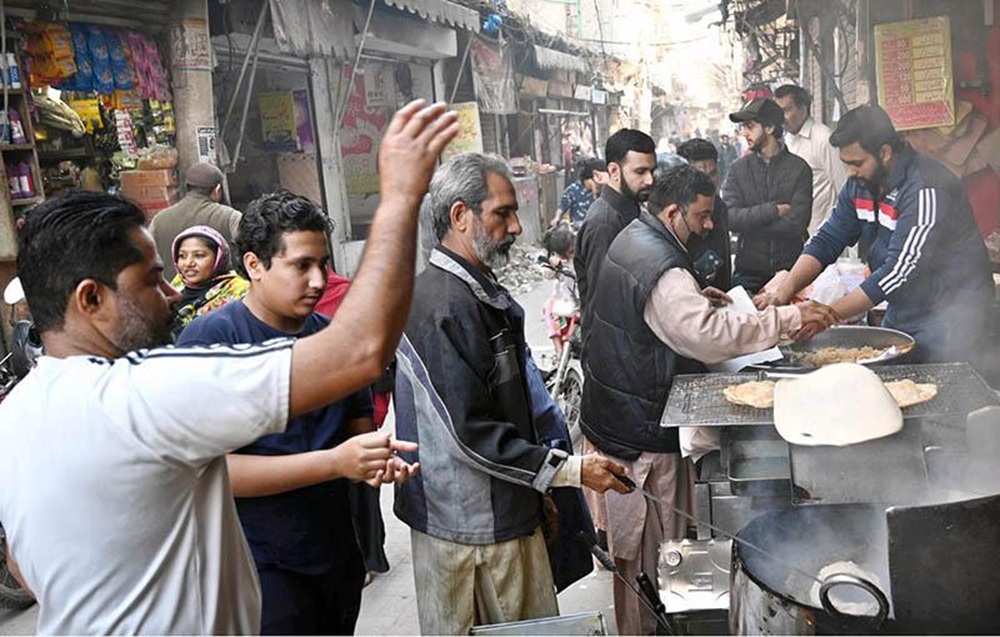
Halwa Puri
We can celebrate an anniversary at an elegant restaurant and still argue passionately about which roadside biryani is better.
Perhaps this contradiction is not a contradiction at all.
It is Pakistani hospitality.
The real answer lies deeper than street food versus fine dining.
Pakistani taste is defined by generosity.
Our portions are rarely shy. A guest is not expected to leave hungry. If one dish is placed on the table, someone will probably ask whether another should be ordered.
It is defined by regional identity.
A person from Lahore may defend their nihari with the same passion with which someone from Peshawar defends chapli kebab. A Karachiite may have very strong opinions about biryani, while someone from Balochistan may argue that properly cooked meat needs far less spice than outsiders imagine.
It is defined by time.
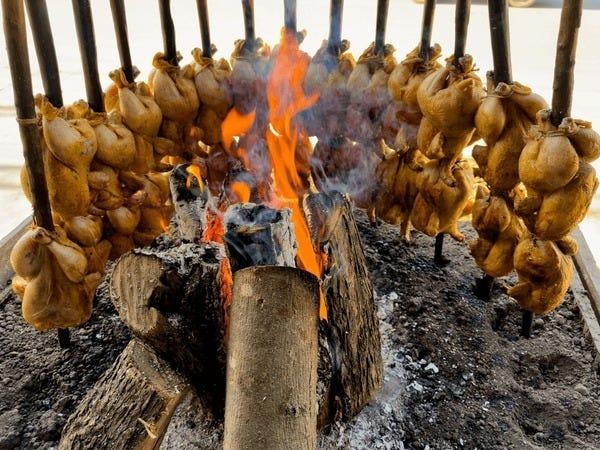
Sajji
Some of our most beloved foods cannot be rushed. Nihari, haleem, paye, certain curries and slow-cooked meats depend on patience. Even our street food often carries techniques passed from one generation to another.
And perhaps most importantly, Pakistani taste is defined by memory.
Food reminds us of home.
It reminds us of childhood breakfasts, late-night outings with friends, family weddings, Eid mornings, village kitchens, roadside journeys and those spontaneous moments when someone says, “Chalo, kuch kha kar aate hain.”
That is something no price tag can measure.
The future of Pakistani cuisine may not be a battle between street food and fine dining. It may be a conversation between the two.
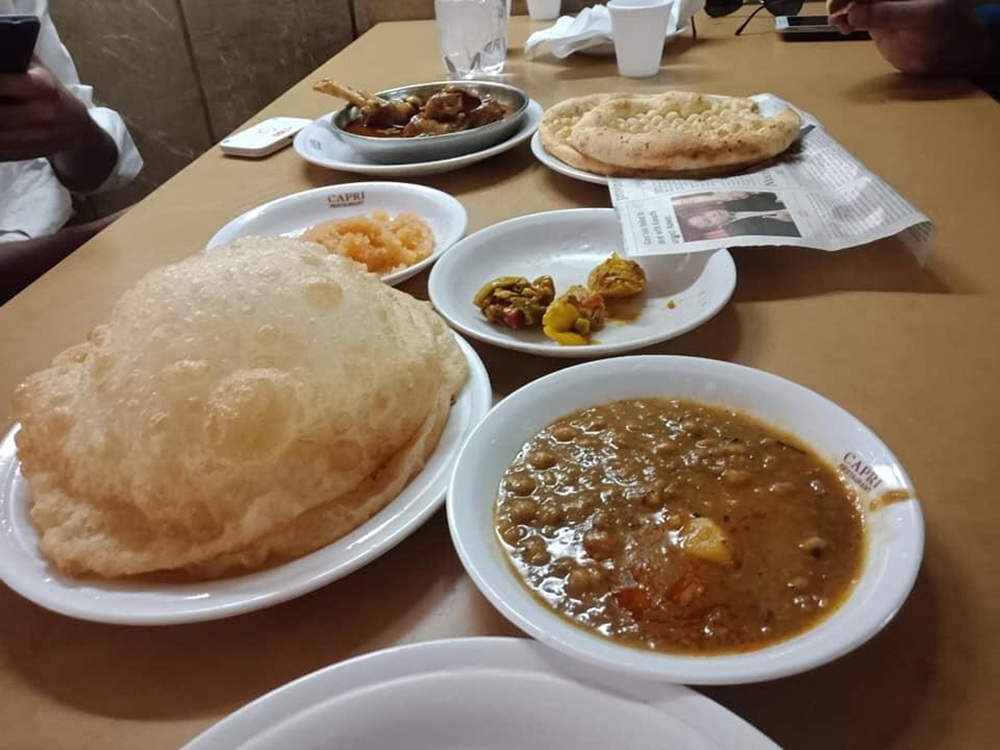
Desi nashta
Fine dining can preserve traditional flavours while introducing them to new audiences. Street food can continue doing what it has always done keeping those flavours alive in their most spontaneous form.
The two worlds are already meeting. Some restaurants are recreating the atmosphere of traditional food streets in cleaner, more organised settings, while modern chefs are increasingly interested in regional Pakistani recipes and forgotten ingredients. Islamabad's Basti, for example, has built an entire dining concept around bringing the spirit and diversity of Pakistani food streets under one roof.
This evolution is important because Pakistani cuisine is far too diverse to be reduced to biryani, kebab and karahi.
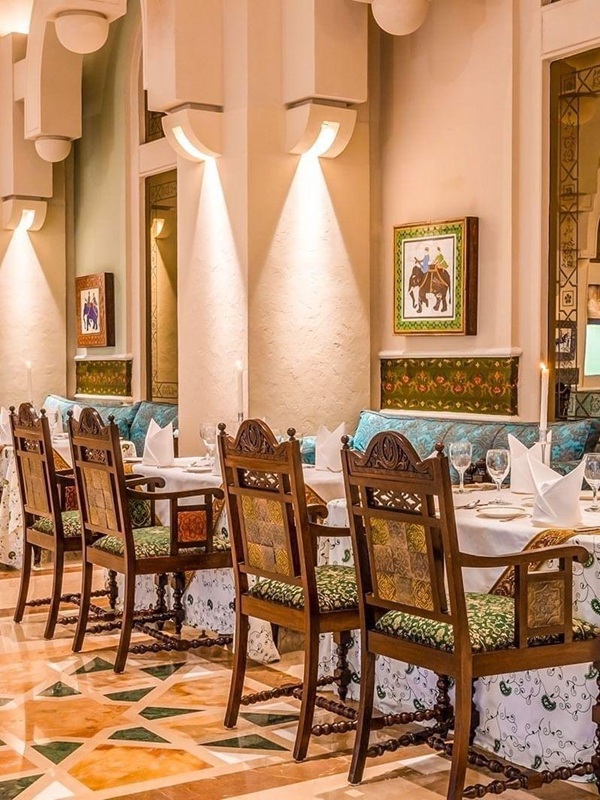
fine dining in hotel
From the wheat fields of Punjab and seafood of Sindh to the charcoal grills of KP and the rugged culinary traditions of Balochistan, every region has something to say.
And perhaps that is what makes Pakistani food so irresistible.
You can eat it standing beside a roadside cart.
You can eat it under chandeliers.
You can eat it from a clay pot, a metal plate, a wooden table or fine porcelain.
But if the food makes you pause after the first bite and say, “Wah, kya zaiqa hai,” then the argument is already over.
Pakistan does not need to choose between street food and fine dining. It has something better a food culture big enough to embrace both.
You may also like:
From the Horn of Africa to Bahria Town: Habesha Café Brings Centuries of Coffee Culture to Rawalpindi
(October 15, 2026)