Written by: Shiraz Aslam
Posted on: March 24, 2026 |  | 中文
| 中文
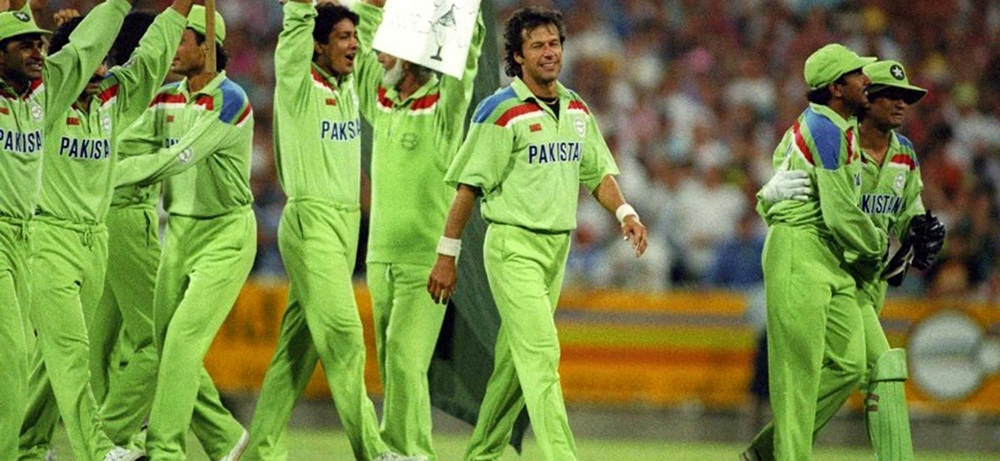
The 1992 World Cup immortalized cricket in Pakistan.
Cricket may have been a colonial import, but it runs deep in the veins of every Pakistani. In our beloved country, and across the wider subcontinent, it is far more than a game of bat and ball; it is an emotion, a unifying force, and a microcosm of the broader fabric of our society. For Pakistan, cricket has long served as a source of healing, comfort, and identity. Unfortunately, it has equally been a cause of heartbreak, ridicule and international scrutiny.
In March 2020, a global pandemic brought the world to an unprecedented halt. Schools closed, streets fell silent, and even the historic Badshahi Mosque, usually bustling with visitors, shut its doors to the public. Yet even in those trying times, cricket endured. In narrow streets and empty neighborhoods, young children continued to spend their days and nights playing the gentleman’s game.

The impact of street cricket cannot be overstated.
The blessed month of Ramadan brings countless blessings for the Muslim Ummah. In Pakistan, however, it also sets the stage for a different tradition: late-night cricket sessions with friends and family. Long after the fast is broken, the streets come alive as makeshift pitches are drawn, stumps are improvised, and the sound of bat meeting ball echoes deep into the night.
If the game is considered so sacred and special, it naturally follows that those who excel at it are immortalized. The greatest cricketers in Pakistan’s history have been treated with immeasurable love, respect, gratitude, and admiration. They grow larger than the game itself, their achievements taking on a life and mythology of their own that endures through time.
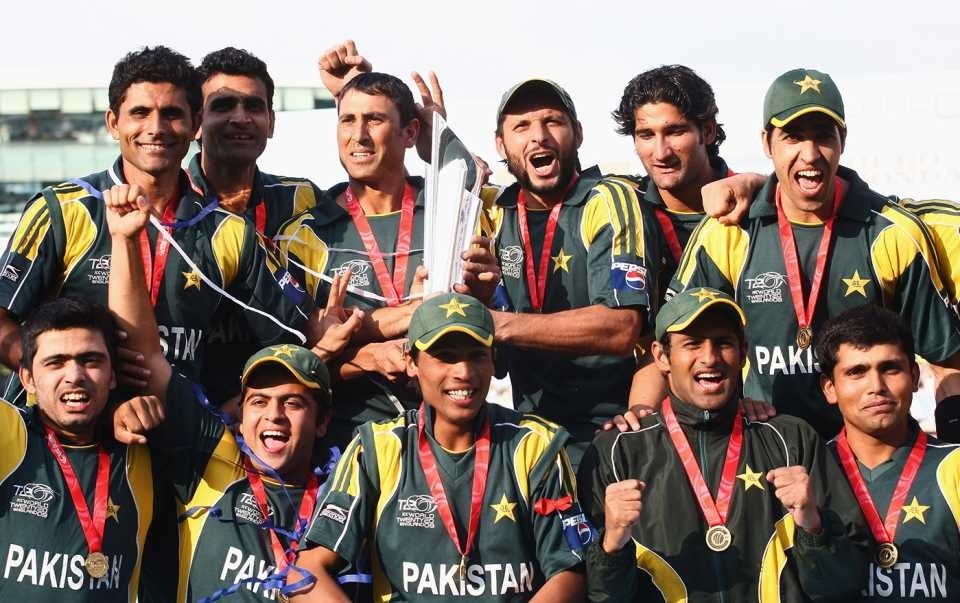
Winning the 2009 T20 World Cup was a huge moment.
Even after retirement, many cricketers remain towering public figures. They become celebrities with a larger-than-life presence, often commanding influence and reverence that transcend most other positions of leadership.
The list is long, but the average Pakistani holds immense respect for figures such as Imran Khan, Wasim Akram, Waqar Younis, and Shahid Afridi. Among them, Khan makes perhaps the strongest case for being Pakistan cricket’s greatest export. After leading the country to victory in the 1992 Cricket World Cup, he became a national icon and philanthropist, building the country’s first ever cancer hospital. Decades later, he would go on to serve as the Prime Minister of Pakistan, further cementing his place in the country’s history. Khan has excelled in many fields, but cricket was undeniably the launching pad that propelled him to national and global prominence.
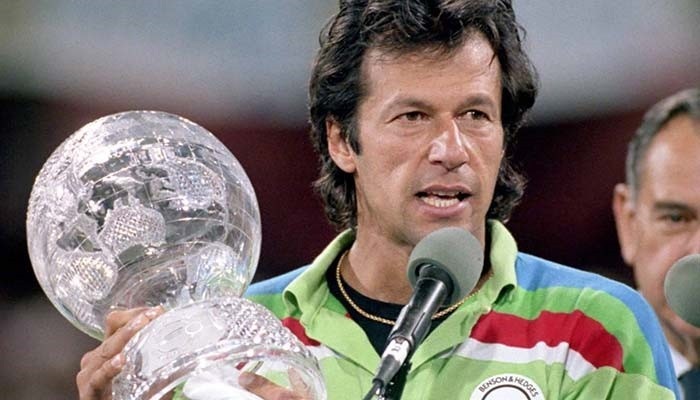
Imran Khan ended up having a significant impact on Pakistan.
Along similar lines, Shahid Afridi was renowned for his glamour, flamboyance and explosive batting. Nicknamed “Boom Boom” Afridi, he played a pivotal role in Pakistan’s triumph at the 2009 ICC World Twenty20, the country’s only T20 World Cup victory to date. Afridi soon became a household name; every child learning to hold a bat dreamed of hitting towering sixes like “Boom Boom.”
The charismatic all-rounder seemed to be everywhere: his face appeared on countless advertisements, and wherever he went, the spotlight followed. Even after retirement, Afridi remains a respected and beloved figure, his legacy continuing to inspire generations of Pakistani cricket fans.

Shahid Afridi’s sixes made him a national hero.
This trend of worshipping and idolizing cricketers is not going to slow down anytime soon. In fact, social media has provided the platform of further fueling such crazes, and in extreme scenarios, it might end up creating cults centered around cricketing icons. Babar Azam might be the most popular cricketer in Pakistan. Azam does have his fair share of detractors, but his fan following is second to none. The classy top order batsman became a celebrity young in his career, accumulating quite the loyal fanbase. His popularity is only expected to grow, and social media will help him become one of Pakistan’s most recognizable faces. The spirit of cricket runs deep through Pakistan, serving as one of the few unifying forces in a nation marked by diversity. It transcends class, language, and geography, bringing together millions under a shared passion. When Babar Azam times a flawless cover drive, the entire nation pauses to admire his elegance. When Shaheen Afridi sends the stumps cartwheeling in the very first over of a high-profile encounter, waves of excitement ripple across the country. In many ways, cricket is a vital source of joy, escapism and collective thrill for a nation that often finds itself grappling with challenges beyond the boundary.

Babar Azam might be the most popular cricketer in Pakistan.
Ultimately, the worship of Pakistani crickets extends far beyond numbers and statistics. It reflects deeper sentiments in an emotionally fueled country. Pakistan desperately searches for glimpses of unity, pride and escape. With the power to provide them with these feelings, cricketers become symbols of hope and unity. Embodying the dreams of millions of children, they show that greatness could emerge from the smallest of streets.
Individual milestones feel like national accomplishments, and failures feel like collective despair. In celebrating them, Pakistan celebrates itself. Cricket reflects our country’s resilience, passion, and unwavering belief in better days. It is this emotional connection, far beyond the boundaries of the cricket field, that transforms players into icons and elevates them to a status that borders on reverence.
You may also like: