Written by: Maysam Khan
Posted on: June 15, 2026 |  | 中文
| 中文
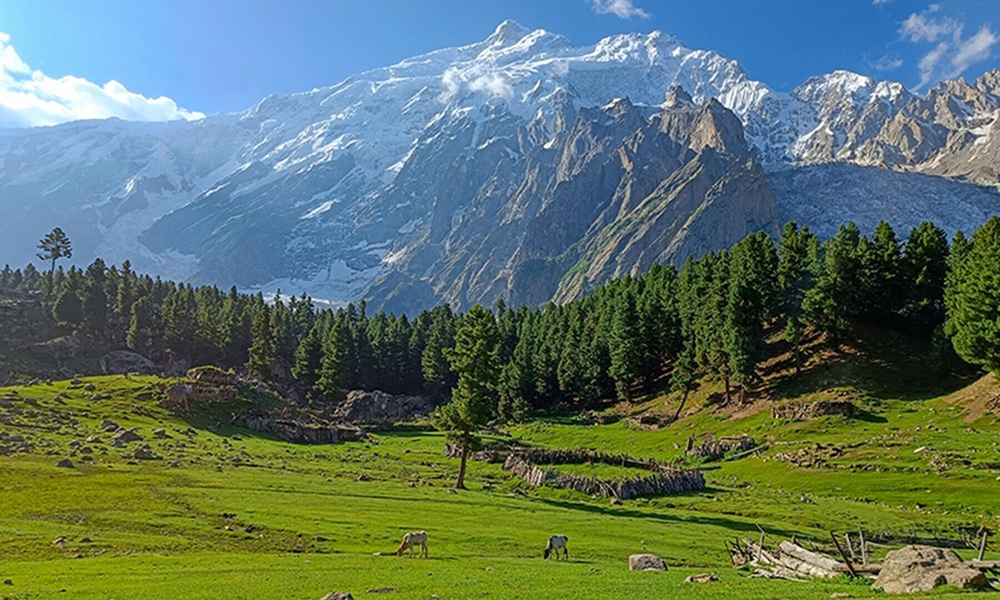
Haramosh Valley
For most visitors, Gilgit-Baltistan is a landscape of images: Attabad’s blue waters, Fairy Meadows beneath Nanga Parbat, Upper Kachura’s still lake, or the winding Karakoram Highway. But Gilgit-Baltistan is not an empty scenic stage. It is home to nearly two million people whose daily lives are shaped by fragile infrastructure, limited services, and increasing climate stress. Tourism must begin from this basic recognition: these are lived-in spaces, not just photographic backdrops.
Respect for local culture is central to this understanding. In recent years, concerns have grown over irresponsible tourist behavior, including littering, damaging natural sites, and ignoring community norms. Even small acts of negligence, such as writing names or contact numbers on walls and public surfaces, reflect a deeper problem: treating shared cultural and natural spaces as disposable. Sustainable tourism begins with discipline and respect, not just movement and consumption.
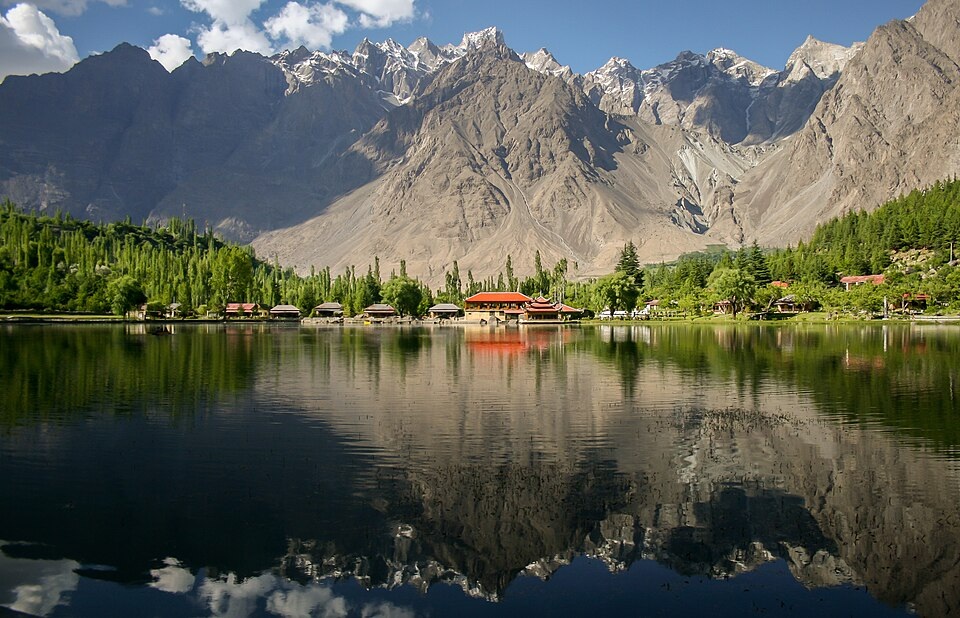
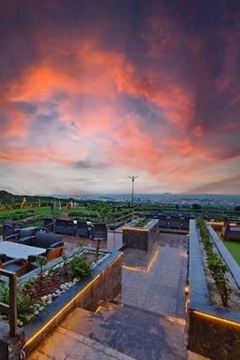
Shangrila_Resorts, Kachura Lake
Tourism in Gilgit-Baltistan has expanded sharply in recent years. Official figures show a clear upward trend: domestic tourist arrivals rose from about 634,000 in 2020 to over 912,000 in 2022. Foreign arrivals increased from just over 1,000 during the pandemic year to more than 12,000 by 2022. In 2024, international arrivals were estimated at around 25,000, reflecting continued recovery and growing global interest.
This growth has real economic consequences. Tourism has become one of the most important informal employment generators in the region. In Hunza and Skardu, thousands of households now earn income through guesthouses, transport services, guiding, handicrafts, and food businesses. Studies and field reports consistently show that tourism contributes to livelihood diversification, especially in areas where agriculture alone is no longer sufficient.
The key point is not just that tourism is growing, but that it is directly reshaping rural economies. However, this growth remains uneven and concentrated in a few districts.
Tourism in Gilgit-Baltistan is often limited to a small set of destinations: Hunza, Skardu, Fairy Meadows, Attabad, and Naltar. While these places are important, they represent only a fraction of the region’s geography and cultural diversity.
Entire valleys remain outside mainstream tourism circuits despite offering equally striking landscapes and richer cultural depth. Haramosh and Bagrote in Gilgit, Yasin and Ishkoman in Ghizer, Minimarg and Rattu in Astore, Hoper and Hispar in Nagar, and Chunda and Basho Valley near Skardu are examples of places where tourism remains limited not due to lack of beauty, but due to lack of visibility and infrastructure.
Over-reliance on a few destinations creates pressure on fragile ecosystems while leaving other communities economically excluded. A more balanced tourism model would distribute visitors more widely and reduce environmental stress on already saturated areas.
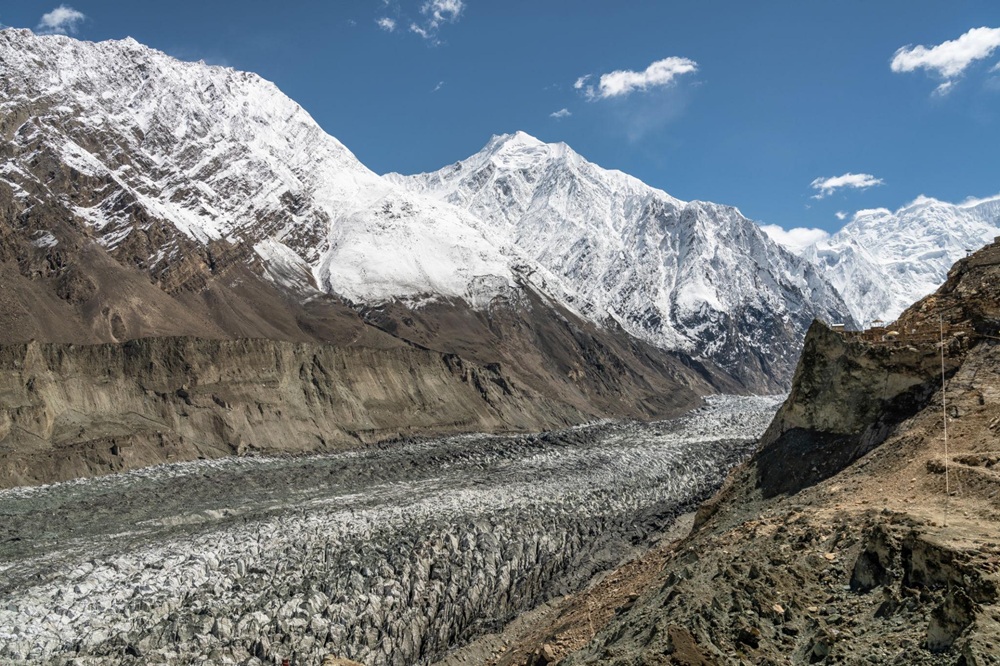
Hoper Glacier
Despite rapid growth, tourism in Gilgit-Baltistan faces persistent structural problems.
Infrastructure remains the most serious constraint. Many roads connecting tourist destinations are vulnerable to landslides and seasonal blockages. Health services, waste management systems, and reliable electricity supply are often inadequate during peak tourist seasons. Internet connectivity is uneven, limiting both safety and business opportunities.
Environmental pressure is also increasing. Unregulated construction, waste disposal problems, and plastic pollution are visible in many popular destinations. The construction of the Lexus Hotel, whose waste was reportedly discharged into Attabad Lake, came to light in 2025 and resulted in the sealing of the hotel. Moreover, Gilgit-Baltistan is highly vulnerable to climate change. With thousands of glaciers, the region is exposed to glacial lake outburst floods, landslides, and extreme weather events that can damage roads, bridges, and settlements, directly affecting tourism continuity. In 2025, dozens of tourists, including women and children, lost their lives on Babusar Road due to sudden floods.
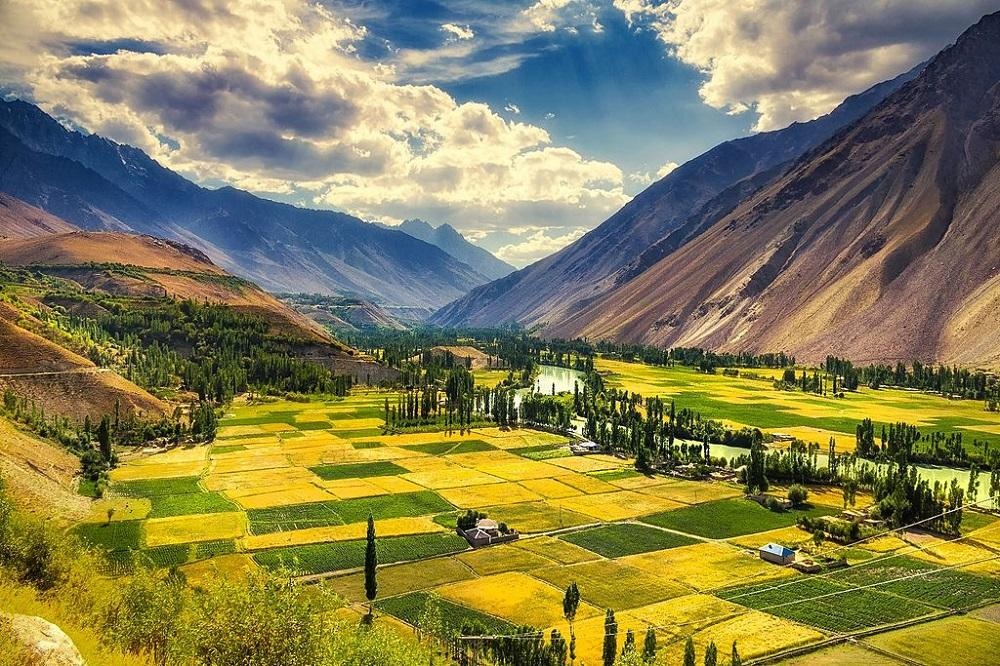
Phandar Valley, Ghizer
Institutional fragmentation further weakens planning. Responsibilities for tourism development, environmental protection, and infrastructure management are spread across multiple bodies with limited coordination. As a result, development is often more reactive than strategic.
First, tourism must shift from expansion to management. The focus should not only be on increasing visitor numbers but on managing carrying capacity in sensitive areas. Some destinations require limits on daily visitors, regulated camping zones, and environmental fees that directly fund conservation.
Second, tourism benefits must be broadened geographically and socially. Investment should prioritize secondary valleys such as Haramosh, Bagrot, Yasin, Ishkoman, Astore, Hoper, and Basho. This would reduce pressure on over-visited sites while distributing economic gains more fairly.
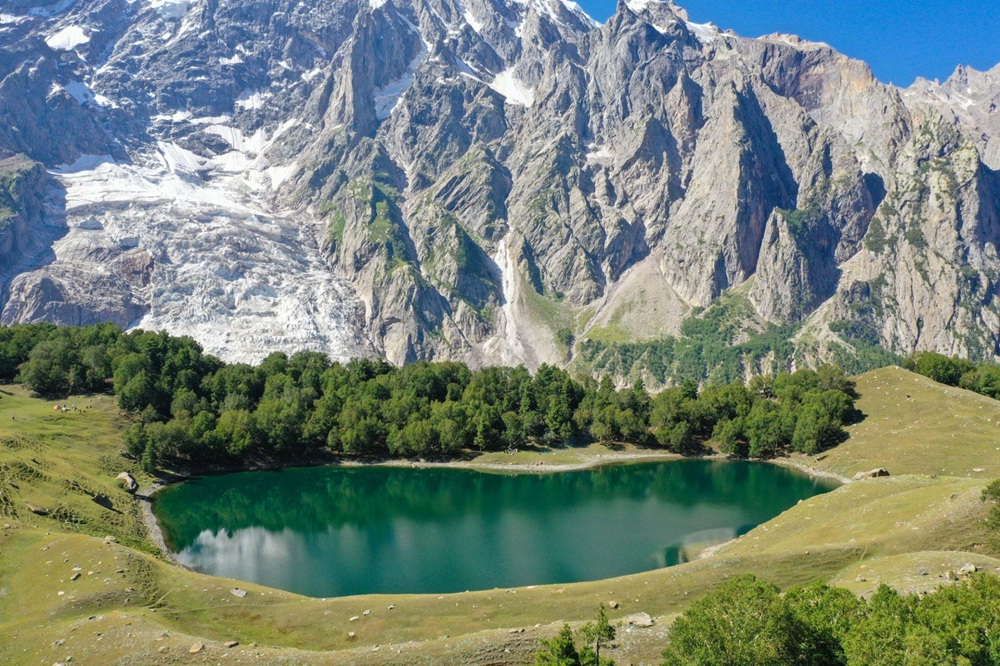
Kutwal Lake haramosh
Third, local communities must be placed at the center of tourism governance. Community-run guesthouses, cooperative tourism models, and local guiding systems ensure that income remains within villages and strengthens stewardship of natural resources.
Fourth, environmental regulation must be enforced more strictly. Waste management systems, construction controls, and visitor awareness campaigns are essential to protect fragile ecosystems. Without this, tourism risks damaging the very environment it depends on.
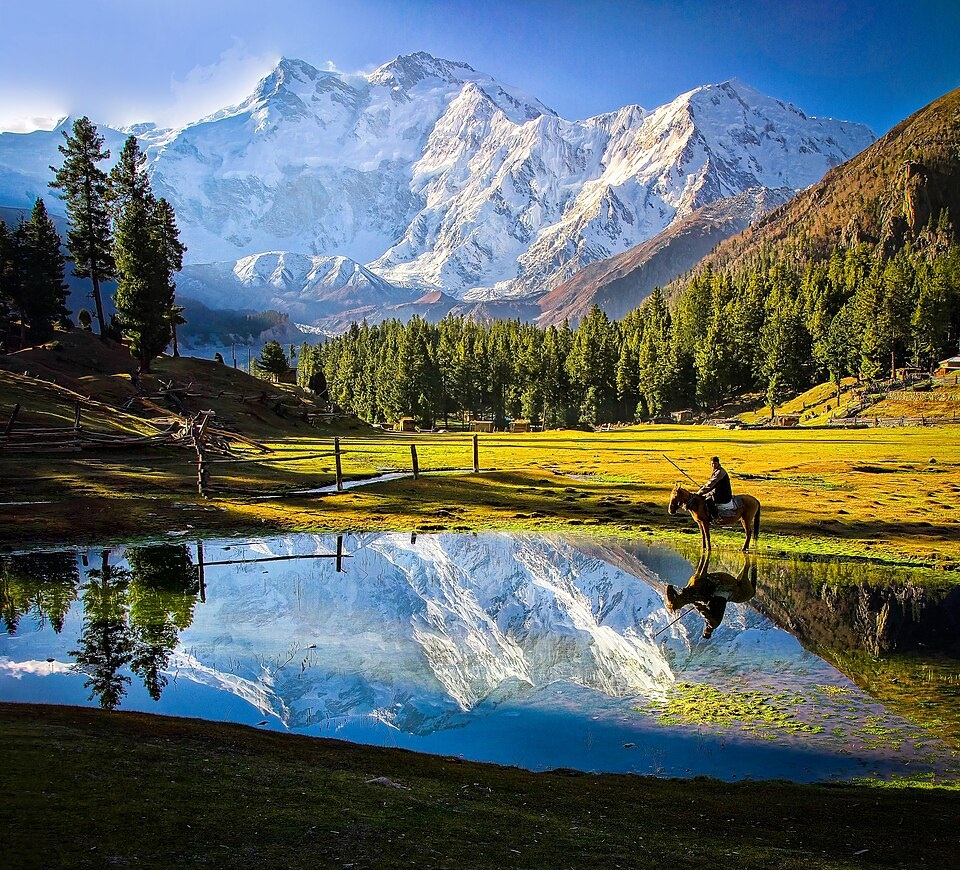
Nanga Parbat, The Killer Mountain
Gilgit-Baltistan is not just a scenic destination; it is a complex living region where tourism intersects with livelihoods, culture, and environmental fragility. Its tourism economy is growing rapidly, but unevenly and without sufficient planning.
The future of tourism in the region depends on whether it can move beyond a narrow set of destinations and a narrow understanding of travel itself. If managed carefully, tourism can become a tool for inclusive development. If not, it risks turning natural beauty into a strained and degraded resource.
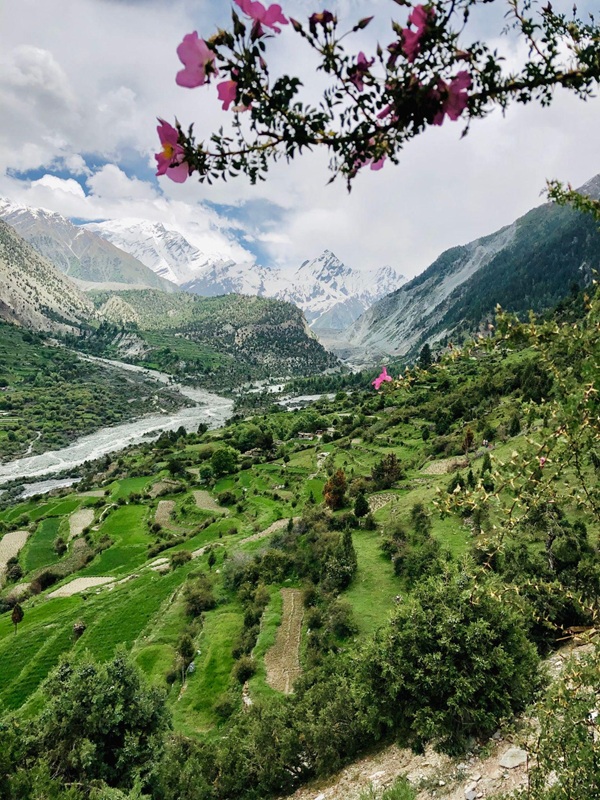
Bagrot Valley
The choice is no longer about whether Gilgit-Baltistan will attract tourists. It already does. The real question is whether tourism will serve the people who live there.
You may also like: