Written by: Muhammad Suhayb
Posted on: September 16, 2025 |  | 中文
| 中文
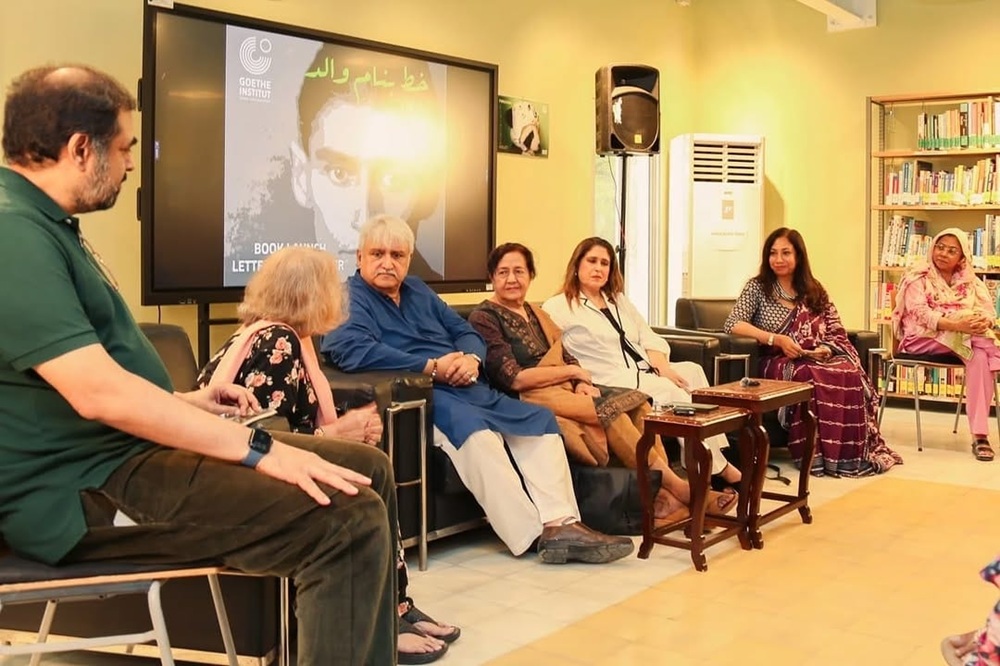
(L to R) Ameed Riaz, Faiza Qazi, Khaled Anam, Amina Syed, Tehmina Khalid (Khalid Anam's wife) and Uzma Sabeen
Last month saw the launch of the Urdu translation of Renowned German writer Franz Kafka’s Letter to My Father, Khat Banam-e-Walid, translated by Pride of Performance recipient Khaled Anam, an accomplished actor, singer, musician and teacher. Whether readers are familiar with Kafka’s works or not, this letter has the power to draw them closer to the writer. For those who already know him, it may inspire reflection on the challenges and responsibilities of fatherhood.
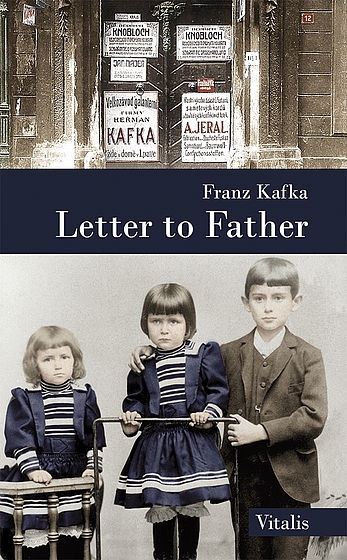
Letter to Father by Franz Kafka
Franz Kafka (1883–1924) was a German-language writer born in Prague, then part of Austria-Hungary. Today, he is regarded as one of the most influential literary figures of the 20th century, known for works such as The Trial (1925) and The Metamorphosis (1915). His fiction captures the anxieties, isolation and alienation that defined much of modern life in Europe and beyond. In Urdu literature, many see the greatest short story writer, Saadat Hasan Manto, as his equal.
Kafka’s troubled relationship with his father, Hermann Kafka, left a lasting imprint on his life and writing. Hermann was domineering, loud and self-assured, while Franz was sensitive, introspective and insecure. Feeling constantly belittled and misunderstood, Kafka carried deep emotional scars. This strained bond found its clearest expression in Letter to His Father (1919), a long confessional text he wrote but never delivered. In it, Kafka accuses his father of instilling fear and undermining his confidence, while also expressing a conflicted mix of admiration and resentment. The letter is an accusatory yet self-reflective monologue that portrays the father as bossy and the son as deeply sensitive and conflicted.
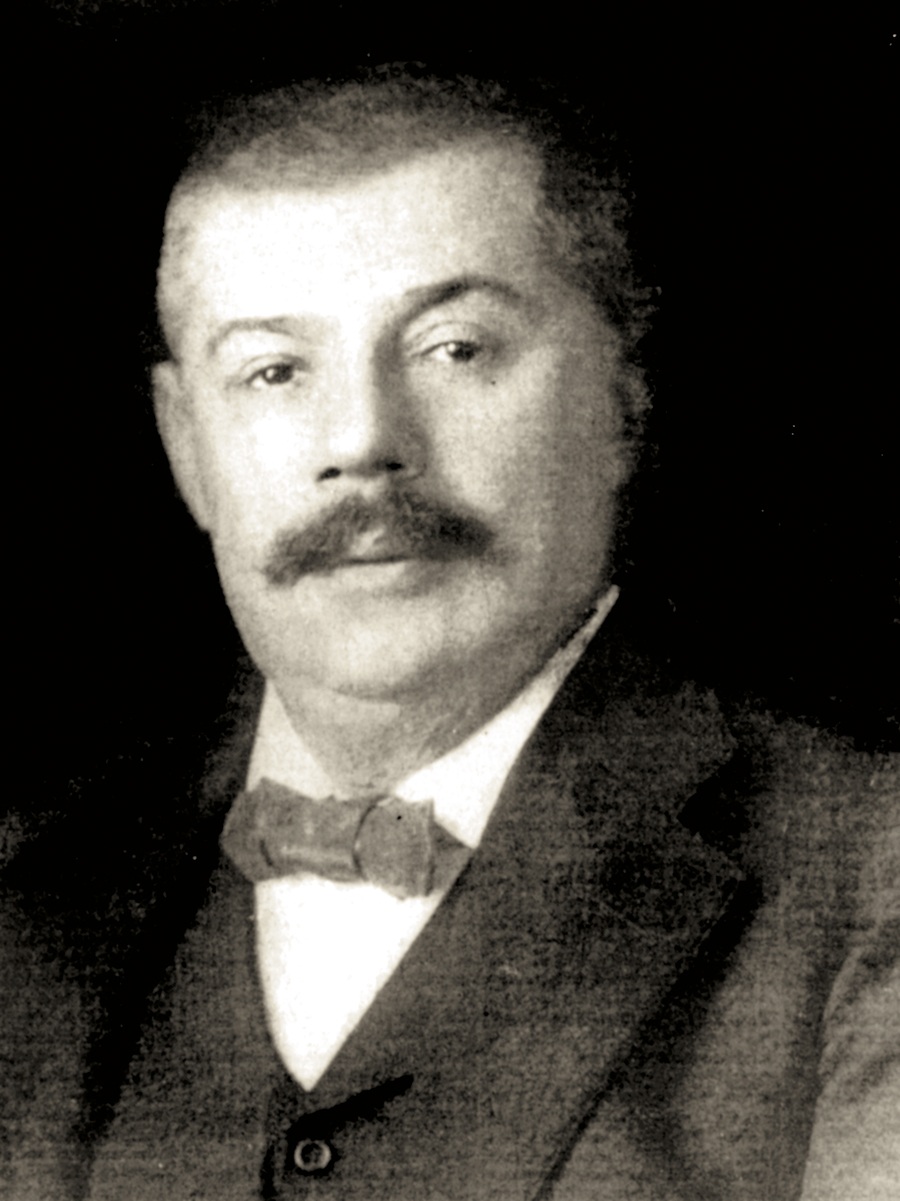
Hermann Kafka
In the South Asian context, these themes feel especially familiar. Across the region, patriarchal authority and strict parenting styles remain deeply embedded in family life. Fathers are often seen as commanding figures whose word must not be questioned, while expressions of emotional support or affection can be rare. Children, in turn, grow up torn between respect and resentment, longing for warmth yet bound by cultural expectations of obedience. Kafka’s anguish, voiced in early 20th-century Europe, mirrors experiences that many in Pakistan, India and neighboring societies still recognize in their own homes.
Though written with devastating honesty, it was likely never delivered, as Kafka’s mother probably intervened to prevent it. Kafka died young, just a month shy of his 41st birthday, while his father outlived him by seven years. For fathers who encounter this book today, the letter offers moments of uncomfortable self-reflection as Kafka connects personal events to larger emotional scars.
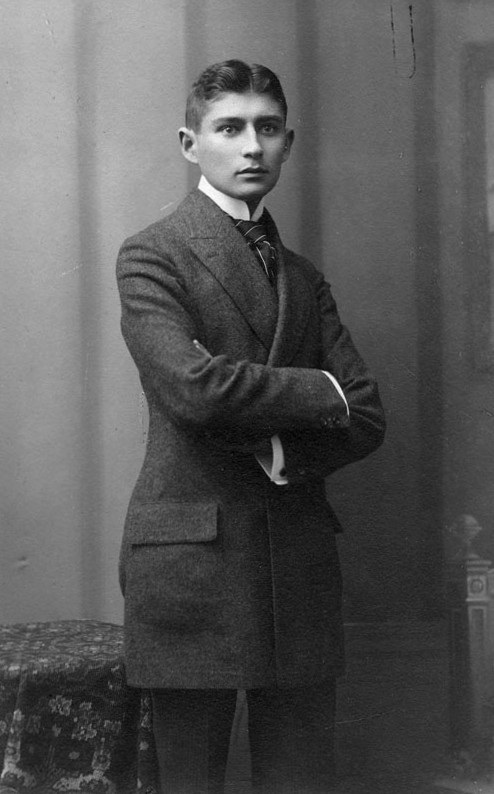
Franz Kafka in 1906
Recognizing the timelessness of this father–son conflict, Khaled Anam chose to make the work available in Urdu for readers in Pakistan. The launch took place at the Goethe-Institut, where Anam was joined by actor Ameed Riaz, Faiza Qazi of Grips Theatre, Amina Syed of Lightstone Publications, Tehmina Khaled (wife of Khaled Anam) and Uzma Sabeen of Rung Munj Theatre. The panel discussed the book, Kafka’s life, and the damaging influence of Hermann Kafka. The panelists cited examples of taunting remarks and a lack of attentiveness toward children as key experiences that shaped young Franz. Speakers praised Anam for taking on such a bold project, with one even remarking that, as a loving father himself, Anam was the ideal person to handle this translation.
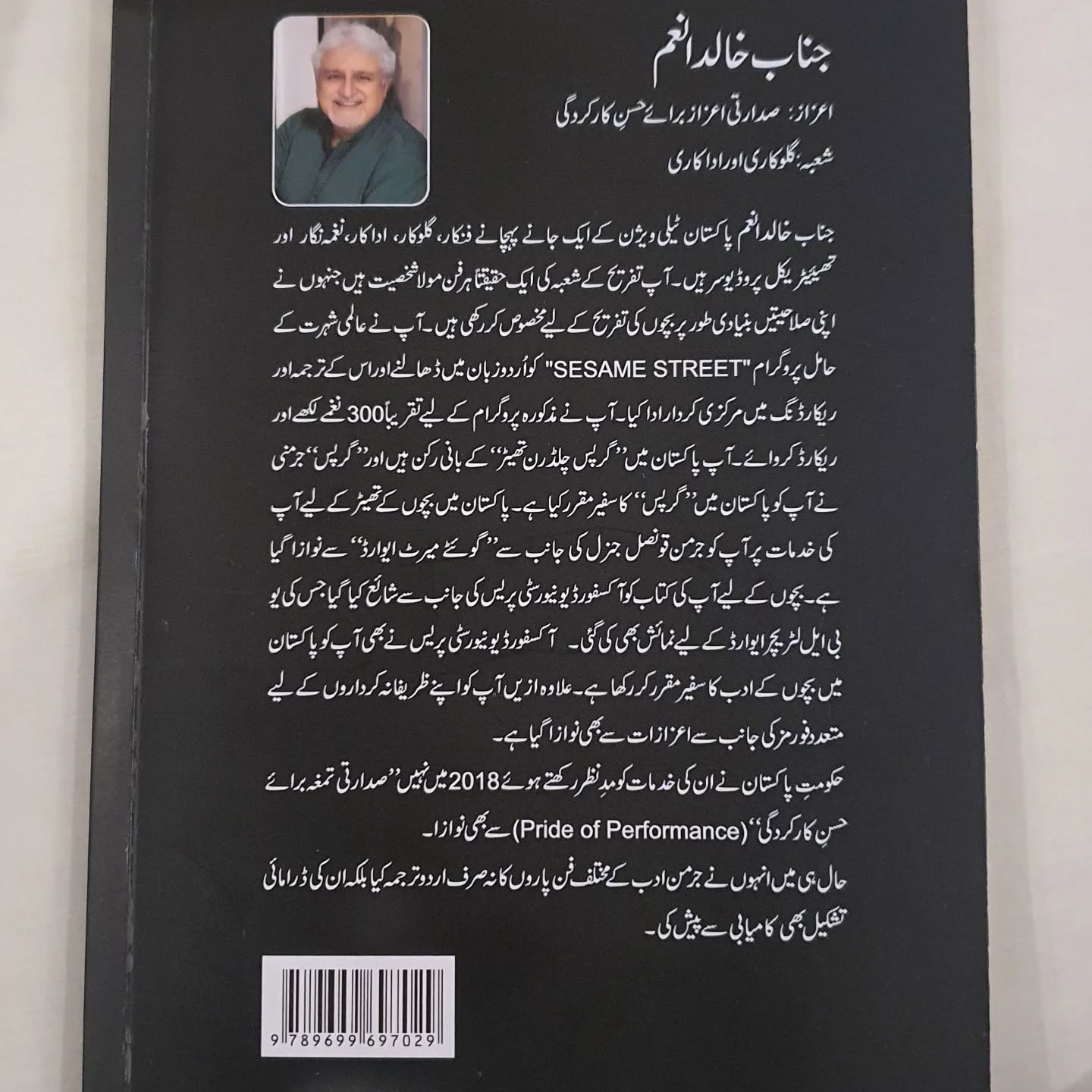
Translator Khalid Anam's introduction in the translated book.
The Urdu version succeeds in multiple ways. It retains Kafka’s anguish while making his voice more approachable through clear, simple language. The themes of authoritarian parenting, strained family bonds, and the yearning for recognition resonate strongly in South Asian society, lending the text a powerful local relevance.
This translation was preceded by a stage adaptation, presented a few months earlier by Grips Theatre. In that performance, Ameed Riaz played Kafka with a mix of admiration and fear, while Anam portrayed Hermann with the same detached criticism described in the letter. The performance alternated between the son and father reading sections of the letter, highlighting the tense dynamic between them: Kafka’s fear of his father, Hermann’s constant criticism and hypocrisy, and the sense of unfair principles applied only to the son. The play underscored how these pressures left Kafka feeling trapped, finding his only refuge in writing. After the success of the play, a book was the need of the hour, and hence came Khat Banam-e-Walid.
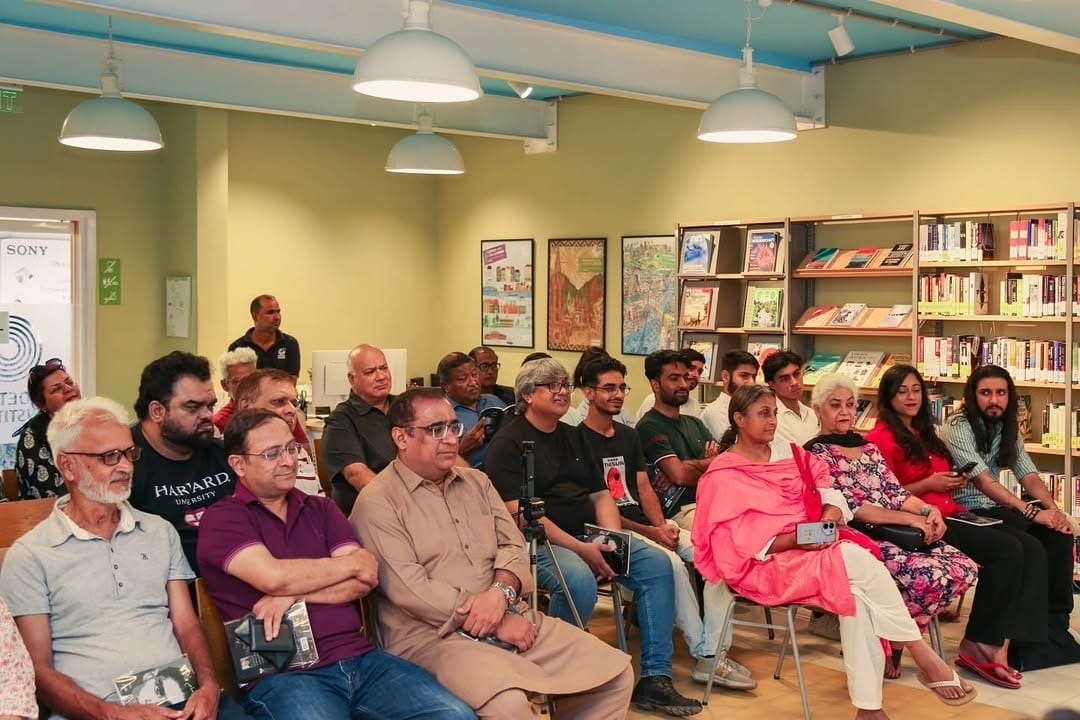
The audience
Khaled Anam’s Urdu translation of Letter to My Father is both bold and empathetic. It makes Kafka’s personal struggle accessible to a new readership, and is a reminder of the universal struggles between authority and vulnerability, love and resentment, parent and child. By making Kafka’s voice available in Urdu, Khaled Anam has opened a window for readers in South Asia to reflect not only on Kafka’s pain, but also on their own familial experiences.
You may also like:

From the Horn of Africa to Bahria Town: Habesha Café Brings Centuries of Coffee Culture to Rawalpindi
(October 15, 2026)