Written by: Emma Alam
Posted on: February 02, 2026 |  | 中文
| 中文
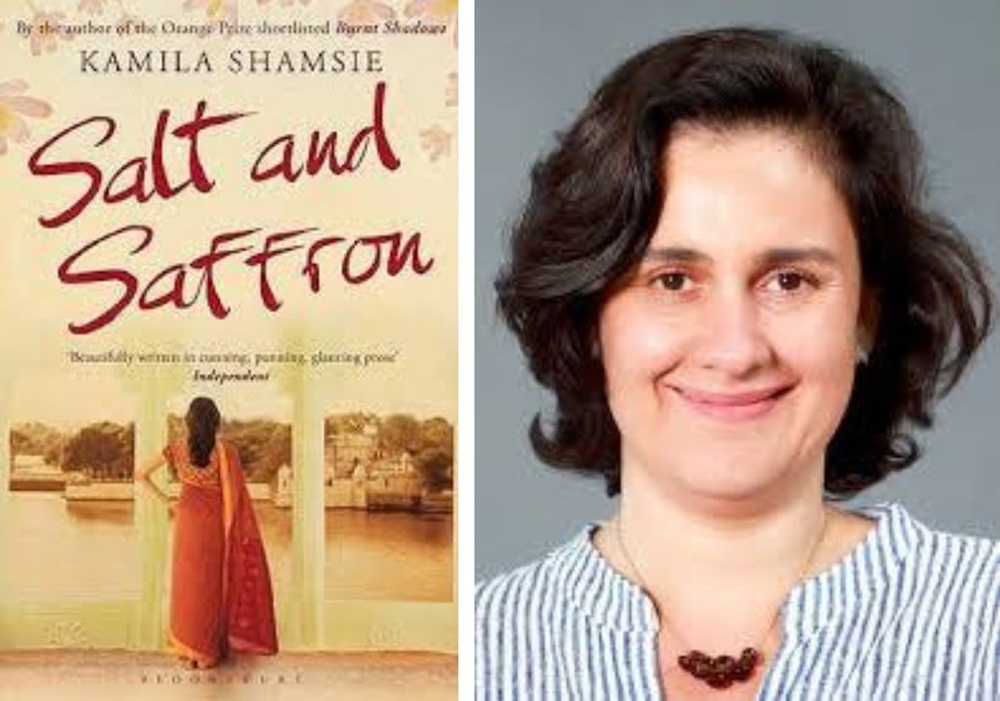
Salt and Saffron by Kamila Shamsie
A novel that is illustrious, whimsical, and brimming with emotions, this meaningful story summons readers into the multi-layered landscape of ancestral accounts, identity conflict, and self-realization. Shamsie, with her rooted signature style, compassion and sagacity makes this narrative a lived experience rather than just a story to read.
Aliya, being the protagonist of the novel, is depicted as a young Pakistani woman who has returned home after completing her education in the United States. Aliya's journey from the US to Karachi is beyond an ordinary holiday; rather, it initiates interpretation of class, identity and tradition, as she has been portrayed as inclined towards the detailed history of her aristocratic family.
The phenomenon that makes this novel so convincing is the art of Shamsie to weave emotions and humour into solemn themes. Family stories that have been passed through generations add laughter, emotions and feelings, thus creating an elaborate tapestry that resonates not only personally but globally as well.

Kamila Shamsie
The salt and saffron imagery echoes Kamila’s conceptual concerns. Saffron endorses affluence, fragility, and tradition-based rituals while on the other hand salt advocates resilience, endurance, and the core essence of life. Collectively, they demonstrate the interaction between commonplace and exceptional, the firm and the momentary, homegrown and expatriate.
The manner in which the cuisine, art of storytelling, and history are interwoven gives the discursive narration a tempting essence. Ordinary life is represented through saltiness; while on the other hand, the aroma of saffron carries legacy, status, hierarchy and fascination.
This novel covers the themes of personal identity and belonging. Moreover, it focuses on family legacy, class system, lineage, and cross-cultural conflict. It also sheds light on the power of narrative discourse. Shamsie delicately uncovers how social hierarchy functions through demeanors, matrimony and memory.
Salt and Saffron by Kamila Shamsie
The novel critically observes the aristocratic society of Pakistan and highlights the frailty of upper-class identity, the honor of social ranking and the social affectations. The writer also explores the deep-seated history, cartographic division of the subcontinent and Imperial aftermath.
Even though not openly historical, the narrative addresses the lasting impact of partition, dislocation and loss; the colonial and postcolonial formation of individuality, and the juncture where individual histories clash with national suffering.
This novel is a vivid analysis of identity, family and reminiscences, filled with humour, empathy, and deep observation. Kamila Shamsie adeptly explores the complexities of belonging in a realm driven by displacement and history.
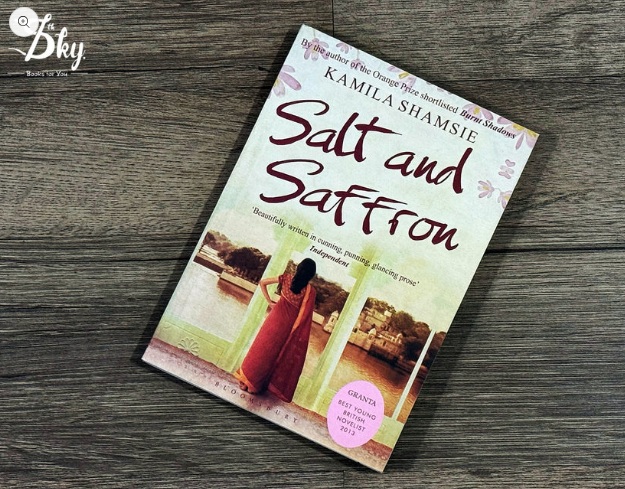
Salt and Saffron
Aliya’s voice encourages readers to reflect on the connection between personal stories and shared histories, illustrating how saffron symbolizing prosperity and elegance, and salt as the fundamental element of existence, shape our identities together.
Not only a story of one family, Salt and Saffron mirrors the experiences of many overseas Pakistanis facing identity crises, managing the burden of the past with the opportunities of the future. The readers who have a profound interest in South Asian literature, narratives of overseas community, or multigenerational family chronicles, Salt and Saffron proves an appealing and thought-provoking narrative.

Burnt Shadows by Kamila Shamsie
Key Facts:
Write: Kamila Shamsie
Novel Title: Salt and Saffron
Printed: 2000
Category (Genre): Fiction
The number of Pages: 244-256
Main Publisher: Bloomsbury Publishing
Setting: Mainly Karachi, Pakistan, with reminiscences and family accounts spanning topographies and generations
Narrator: Aliya (first person narrator)
You may also like: