Written by: Shamaila Awais
Posted on: September 23, 2026 | 
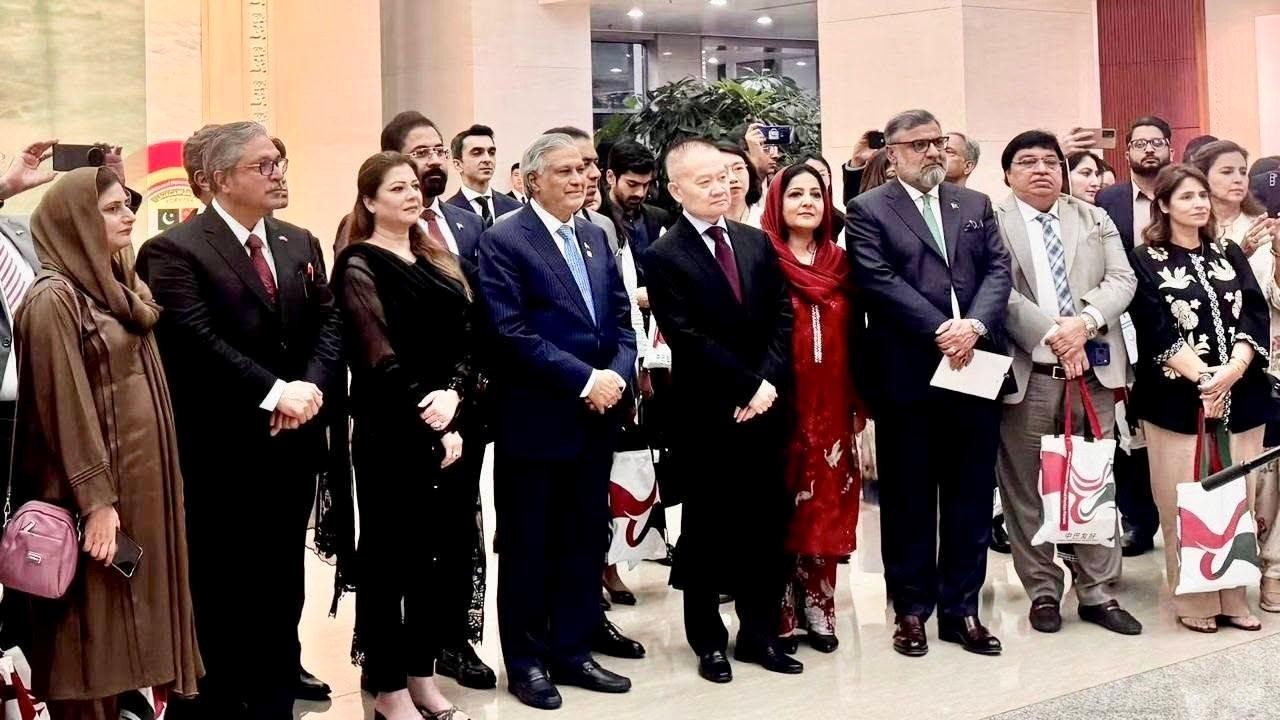
The author with Minister Liu Haixing, IDCPC Vice Minister Sun Haiyan, Deputy Prime Minister and Foreign Minister Ishaq Dar, Planning Minister Ahsan Iqbal, and distinguished parliamentarians and political representatives from Pakistan and China.
Some journeys inform. Others transform. My eight days in the People's Republic of China — moving through the lively province of Hubei, the historic cities of Wuhan and Xiangyang, and finally the imperial grandeur of Beijing — belonged unmistakably to the second kind.
I travelled as part of a high-level delegation, and what began as a diplomatic itinerary on paper unfolded, day by day, into something far more personal: a window into a civilization sprinting toward the future while holding its past close, and a quiet reminder of how deep the friendship between our two countries really runs.
The trip opened not with sightseeing but with substance. I found myself seated in rooms where the course of two nations was being discussed in real time — first at the China-Pakistan Political Parties Forum, then at the Meeting of the CPEC Political Parties Joint Consultation Mechanism. These were not ceremonial formalities; they were working sessions where the strategic partnership between China and Pakistan was visibly, tangibly alive.
Around the table sat IDCPC Minister Liu Haixing, IDCPC Vice Minister Sun Haiyan, Pakistan's Deputy Prime Minister and Foreign Minister Ishaq Dar, and Planning Minister Ahsan Iqbal, alongside parliamentarians from both countries. Listening to the exchange, I kept returning to one thought: this relationship has never been merely transactional. It is visionary, built on mutual respect and a shared sense of where the region is headed.
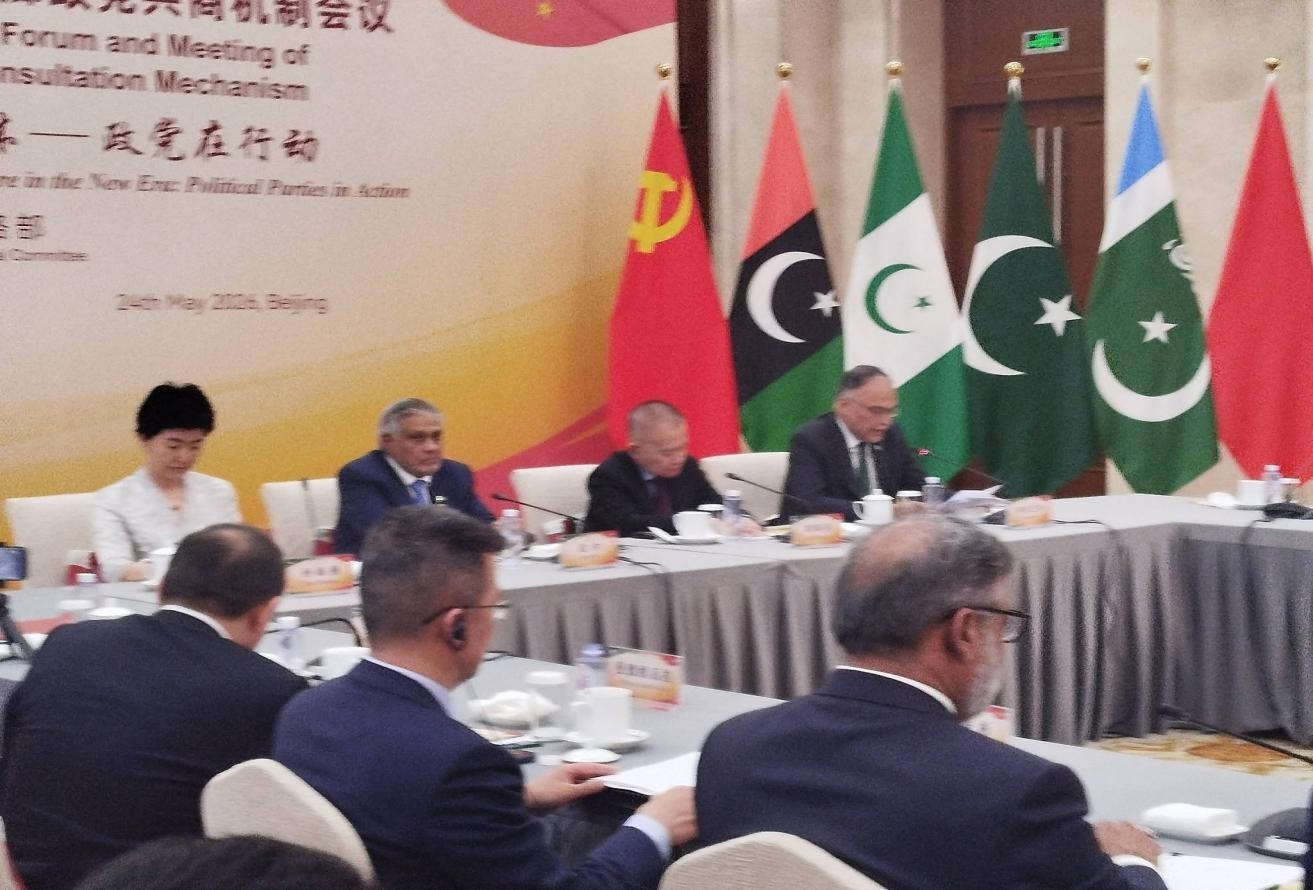
The delegation seated together during the Political Parties Forum.
That evening carried even more weight. We marked the 75th anniversary of diplomatic relations between Pakistan and China with a reception and a symbolic cake-cutting ceremony. Watching it, I understood that seventy-five years of friendship isn't just a milestone to celebrate — it's a foundation to build on. The speeches that followed, from leaders on both sides, felt less like protocol and more like genuine commitment.
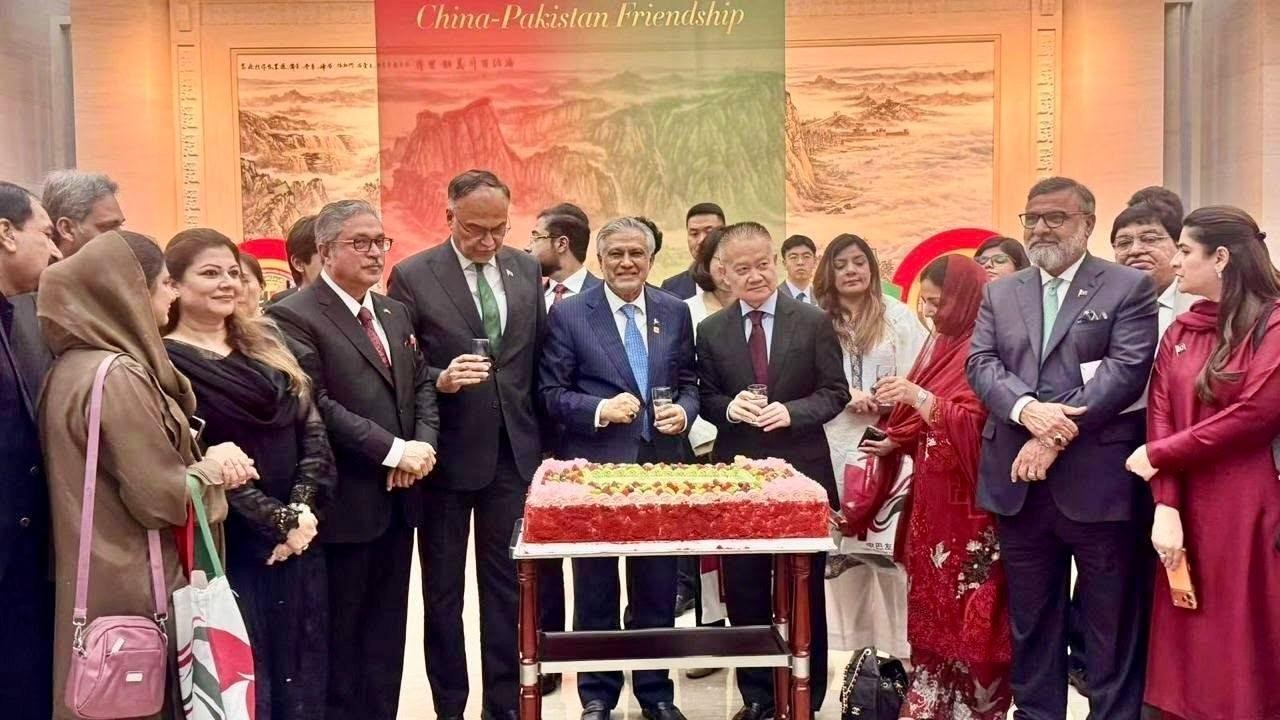
The cake-cutting ceremony marking 75 years of Pakistan-China diplomatic relations.
Away from the formal halls, some of the most memorable moments of the trip happened on two university campuses: Hubei University of Arts and Science and Xiangyang Polytechnic University.
Walking between lecture halls and labs, what struck me wasn't just the quality of the facilities — it was the energy in the students' faces. Curious, confident, clearly being prepared for a real-world economy rather than just an exam. The industry-oriented way the curricula were designed felt like something worth bringing home and studying properly.
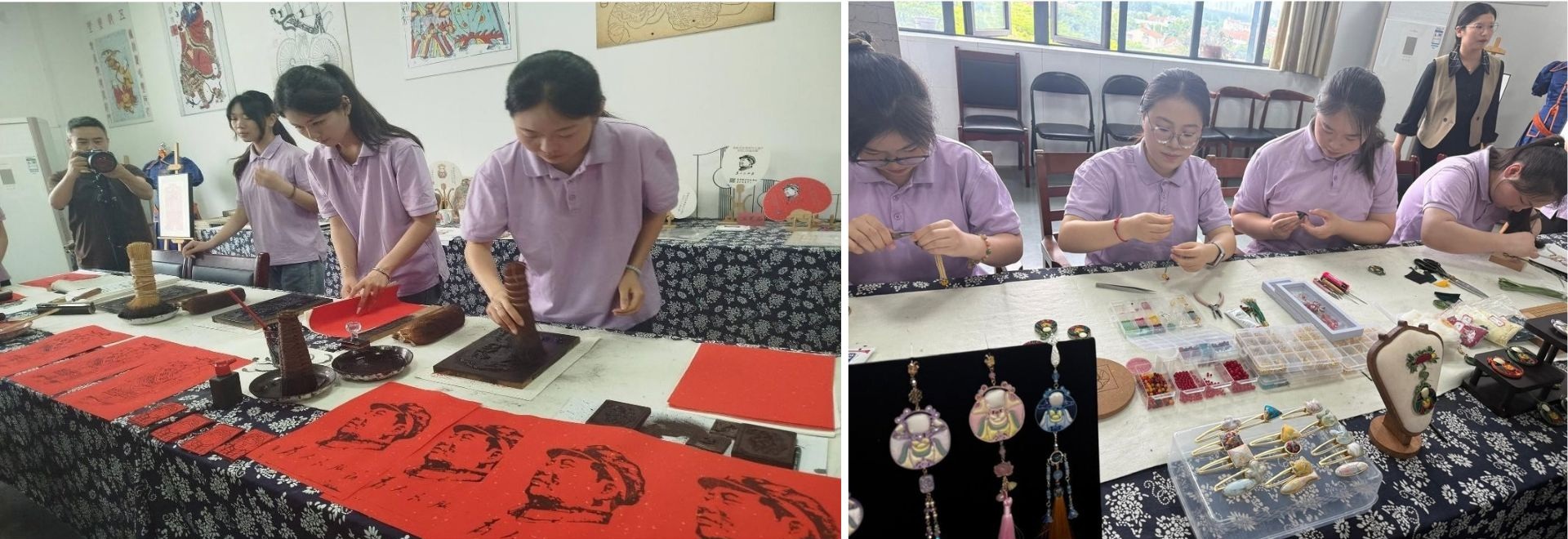
Campus visit — students, classrooms at Hubei University of Arts and Science or Xiangyang Polytechnic University.
Conversations with faculty and administrators kept circling back to the same idea: academic cooperation between our two countries could do as much for the relationship as any high-level forum. Young people building friendships through shared classrooms — that's a kind of diplomacy too.
No trip through modern China is complete without seeing its technology up close, and this one delivered in full. At Xiaomi Appliances, I watched intelligent systems woven into everyday objects with a kind of effortlessness that only comes from years of refinement.
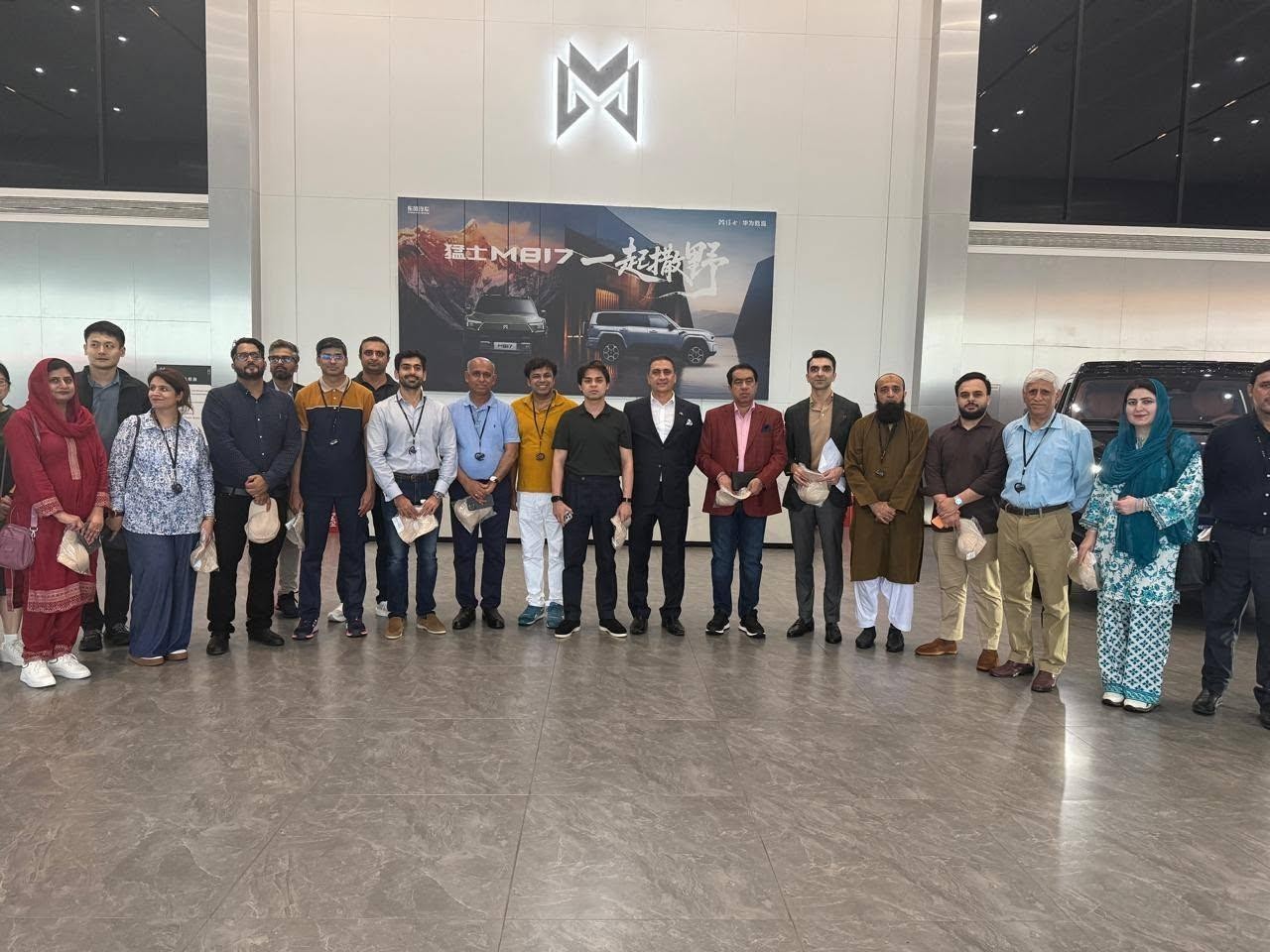
Xiaomi Appliances Showroom
But nothing quite prepared me for getting behind the wheel of one of China's electric vehicles. The acceleration, the intelligent interface, the sheer engineering precision — it wasn't a showroom fantasy. It was a working demonstration of a country that decided technological self-reliance would be a national priority, and then simply delivered on it.
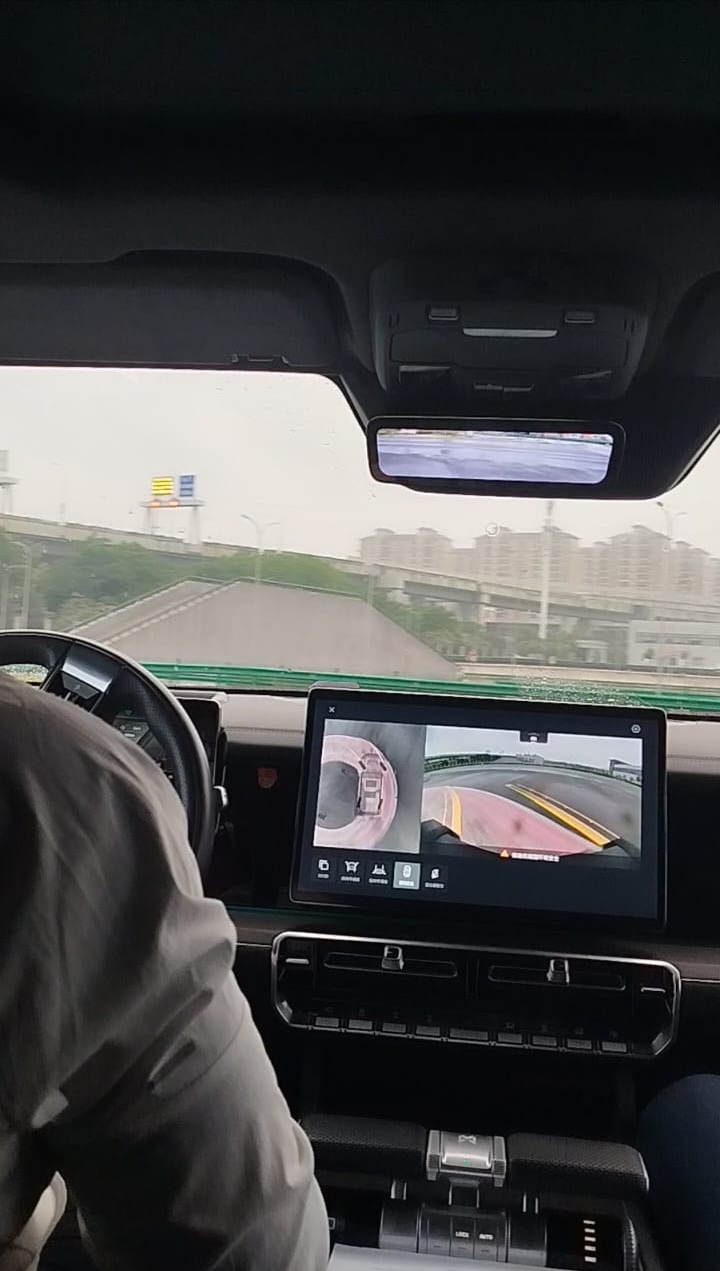
A close-up of electric vehicle dashboard/interior.
One of the most thought-provoking stops took me far from the city skyline, to the Xingyang Jinmei Kelin Agricultural Industrial Park. Here, the fields are not simply fields — they're laboratories of efficiency and scale.
Standing among the crops, it was easy to see how modern agriculture, properly backed by technology and infrastructure, can do three things at once: grow the economy, create jobs, and protect food security. For a country like Pakistan, where agriculture is the backbone of so many livelihoods, the lessons on offer here felt genuinely valuable, not just impressive to look at.
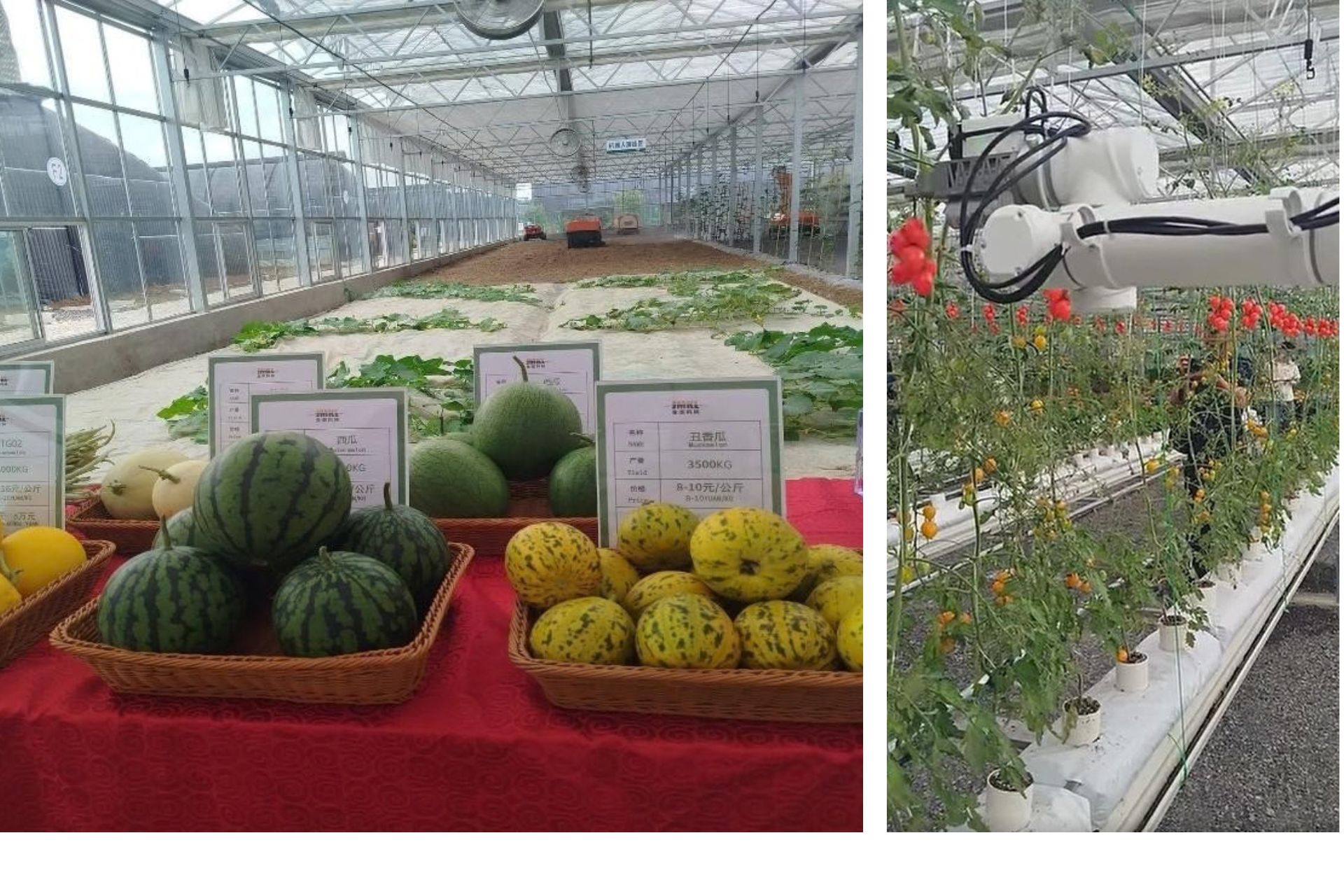
The agricultural park
Every journey through China eventually leads to Beijing, and the capital did not disappoint. Stepping through the gates of the Forbidden City felt like stepping through time itself.
Wandering its courtyards and long red corridors — the same paths where emperors once walked — was humbling in a way that's hard to put into words. What stayed with me most was China's evident commitment to preserving this heritage, not as a museum piece frozen in the past, but as a living part of how the country understands itself.
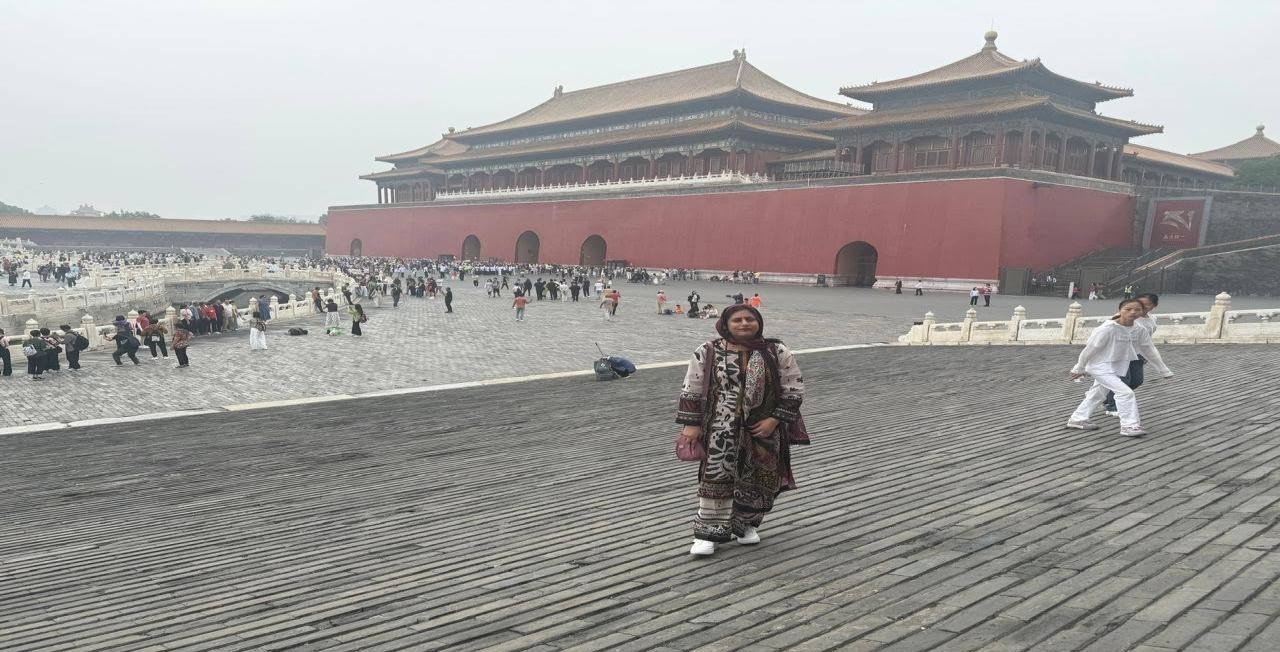
— A courtyard or gate within the Forbidden City
If Beijing is China's grand statement, Wuhan is its warm embrace. Of every place on this journey, Wuhan left the deepest mark on me, and I say that without hesitation.
It's a city that has mastered balance. Wide, clean boulevards and modern infrastructure sit comfortably beside lush green parks and the quietly breathtaking sweep of East Lake. The weather was kind during our visit, the streets were full of energy, and the people were genuinely, unguardedly welcoming.
East Lake
An evening spent exploring the shopping district near the Wanda Hotel gave me a real glimpse into everyday urban life here — busy, optimistic, and deeply community-minded. And at China-Pakistan Friendship Square, I found myself genuinely moved. It isn't a monument to the past. It's an invitation to the future, standing right there in the middle of the city.
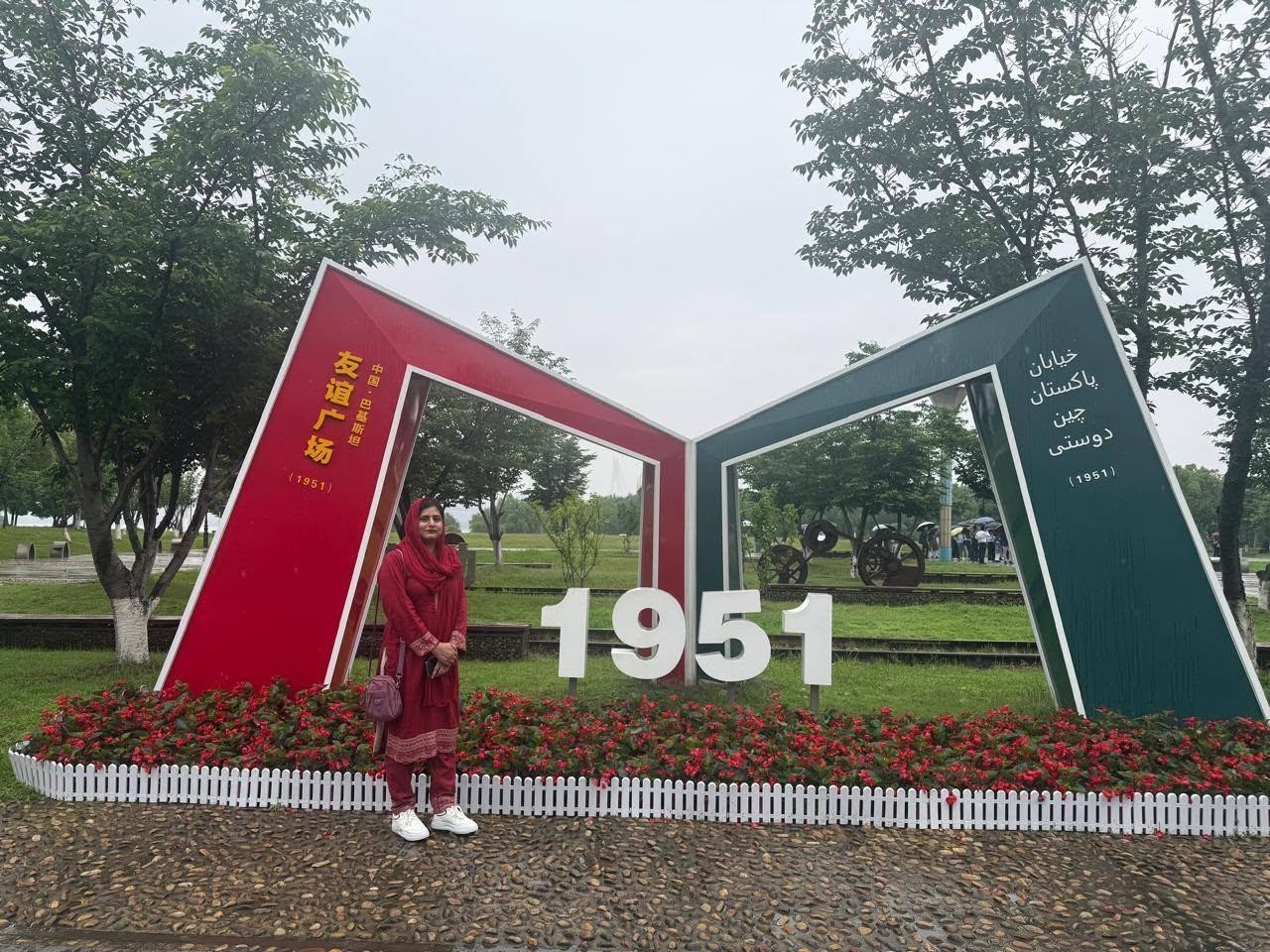
China-Pakistan Friendship Square
Wuhan has figured out something many great cities never quite manage: how to grow fast without losing the quality of everyday life. I left already planning to come back.
Nine days. Two provinces. Three cities. Dozens of conversations I'll carry with me for a long time. And one conclusion I keep returning to: the China-Pakistan relationship isn't just alive — it's evolving, deepening, and opening up new ground for both peoples.
From the halls of high-level diplomacy to university lecture rooms; from the precision of a Xiaomi assembly line to the timeless grandeur of the Forbidden City; from the working fields of Xingyang to the tranquil shores of East Lake — this trip was a masterclass in what a nation committed to progress can build.
China's development model isn't something to admire from a distance. It's something to study, engage with, and, wherever it fits, learn from. This journey gave me exactly that opportunity, and I'm deeply grateful for it.
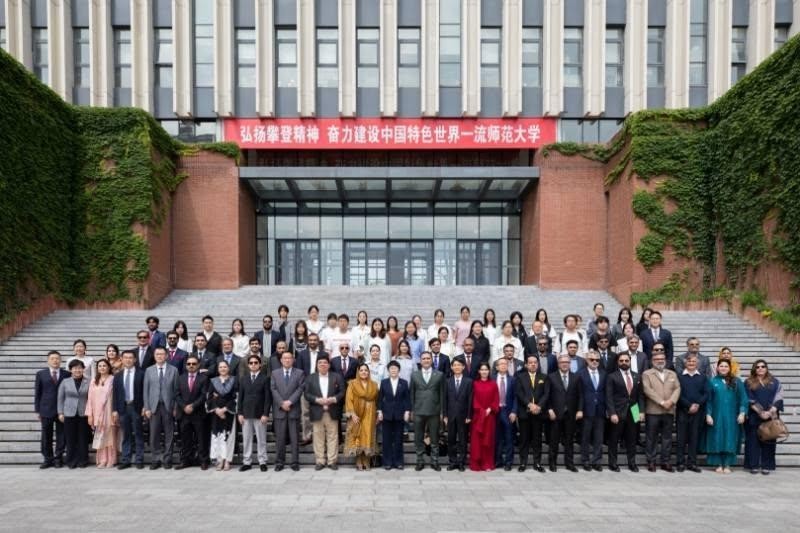
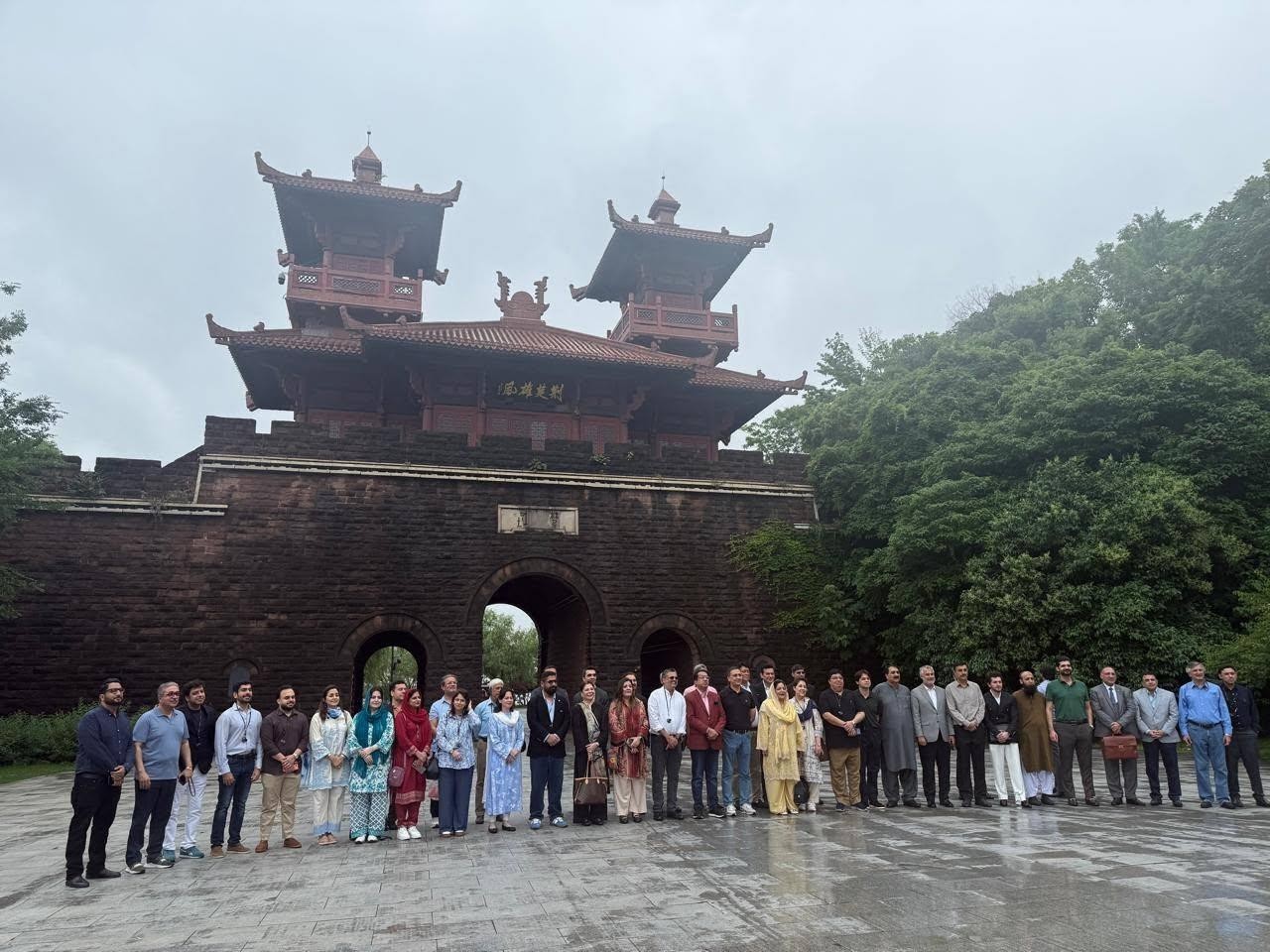
A Group Photo
You may also like: