Written by: Shiraz Aslam
Posted on: September 22, 2026 | 
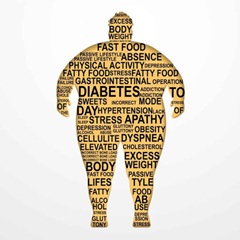
Obesity is a growing health crisis
Obesity was classically seen as a first-world health concern, prevalent in high-income, affluent countries with a robust economy. However, that picture has changed dramatically in the 21st century, and Pakistan, an underdeveloped country with a struggling economy, is now confronting an obesity epidemic of its own.

Processed foods have added to the obesity crisis
Rising obesity rates have contributed to Pakistan’s pre-existing dual burden of disease. The country continues to tackle lingering infectious and communicable diseases while simultaneously fighting a growing prevalence of chronic, non-communicable diseases (NCDs), many of which are closely linked to obesity. The combination of old and emerging health challenges threatens to strain Pakistan’s fragile healthcare system.
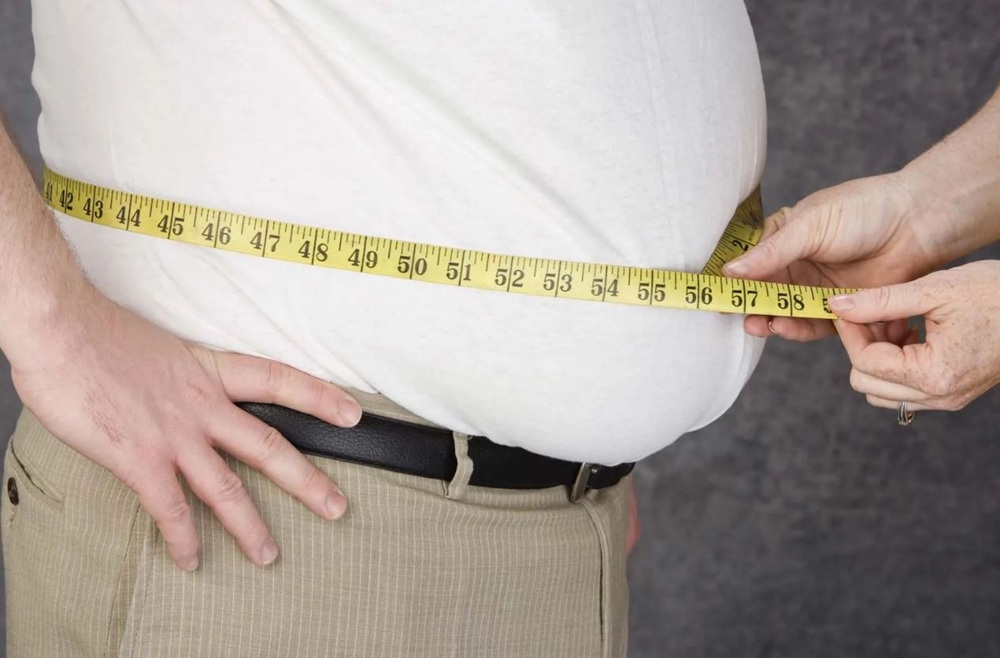
According to the World Health Organization (WHO), an adult is overweight if their Body Mass Index (BMI) is 25 or more. Obese individuals have a BMI of 30 or more. Latest research, published in the Pakistan Heart Journal in December 2023, paints a grim picture: half of the Pakistani population is classified as overweight or obese. If Asian metrics are utilized, 72.3% of Pakistanis are overweight, with obesity affecting 58.1% of the population.

A sedentary lifestyle raises the risk of obesity
For a country riddled with malnutrition and poverty, the simultaneous surge in obesity rates may appear contradictory. Nonetheless, Pakistan’s obesity crisis largely results from a collision between changing dietary habits and declining physical activity. Similar lifestyle and nutritional trends have fueled obesity worldwide, and Pakistan has not remained immune to these shifts.

We eat less fruits and vegetables
As an agriculture-based economy, much of our diet historically revolved around fruits, vegetables, and grains. Unfortunately, these dietary patterns have altered drastically. The Pakistan STEPS survey, conducted in 2012-2013, revealed that 96. 5% of participant households consumed fewer than the recommended 5 servings of fruits and vegetables per day. In addition, higher consumption of sugary foods, sweetened beverages, and calorie-dense processed products has further transformed the Pakistani diet.
Rapid urbanization is another factor that has likely contributed to rising body weights in Pakistan. The expansion of cities has encouraged sedentary lifestyles, as better modes of transportation, desk-based office occupations, and longer sitting times have reduced the amount of physical activity built into everyday life.
Urban residents generally have greater access to fast-food restaurants, bakeries, supermarkets, and food delivery services. Busy routines and long commute times mean that residents prefer convenience over health. Hence, lifestyles have moved away from traditional diets and become accustomed to less manual activity.
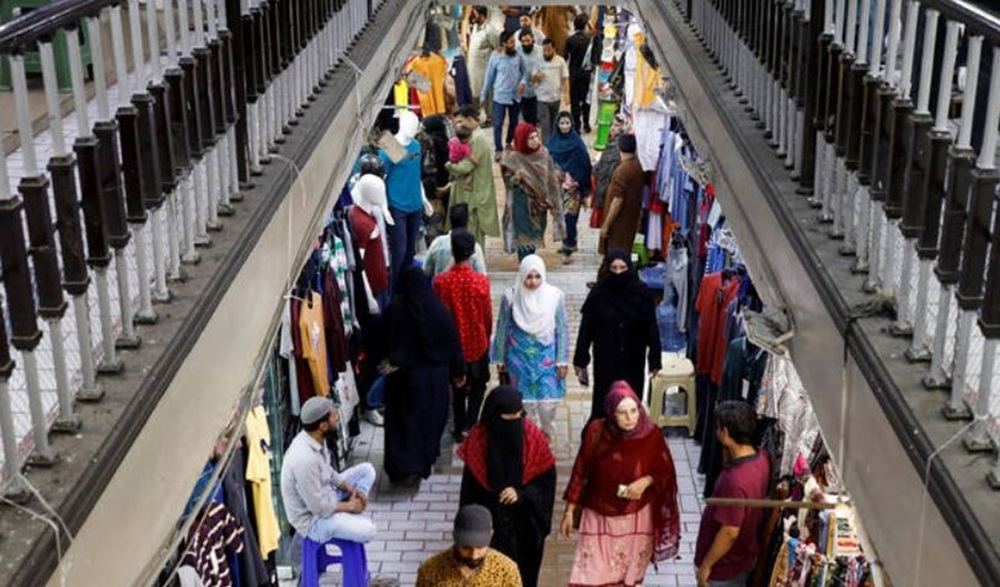
Half of the Pakistani population is obese
There is also an intriguing gender dimension to the obesity epidemic. The STEPS survey found that low physical activity and obesity were more common in women. Cultural and socioeconomic factors may help explain this gender disparity. Women are more likely to be relegated to household roles with fewer recreational and occupational opportunities. Social restrictions on independent mobility, alongside limited access to safe and culturally appropriate spaces for exercise, can further reduce opportunities for physical activity. Together, these circumstances can encourage more sedentary lifestyles and potentially contribute to the disproportionately high burden of obesity among Pakistani women.
Pakistan’s obesity epidemic can no longer be dismissed as a consequence of affluence or a Western lifestyle. It is the product of a rapidly changing society, where urbanization, shifting dietary habits, sedentary lifestyles, and socioeconomic and cultural factors have fundamentally altered how people eat and live.
Calorie-dense items are very common in urban markets
Reversing this trend will require structured effort and immense dedication. Greater awareness about healthy diets must be accompanied by policies that encourage nutritious food choices, promote physical activity, and improve recreational and pedestrian infrastructure. Without meaningful intervention, the consequences will be dire, contributing to an even greater burden of diabetes, cardiovascular disease, hypertension, and other chronic illnesses.
You may also like: