Written by: Aroosh Ammad
Posted on: March 17, 2026 |  | 中文
| 中文
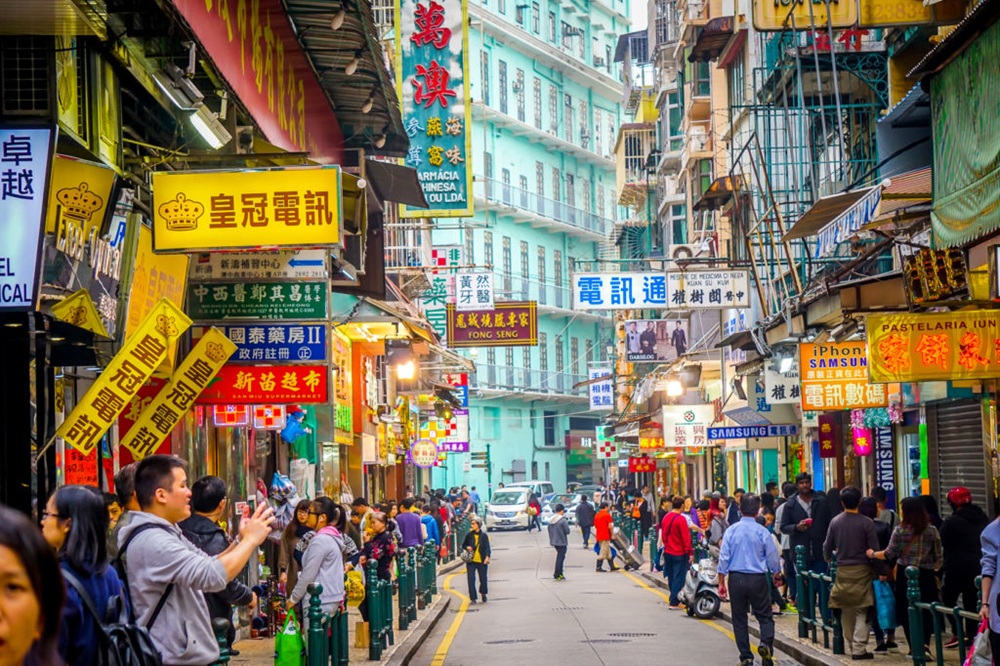
A busy market in Macao
MACAO or MACAU represents a noteworthy administrative region of China, similar to Hong Kong. It was ruled for over 400 years by Portugal, which led this region towards strong Western traditions. Although it is situated in Asia, people feel a Western influence in many aspects of life. In 1999, it again became part of China. MACAO is also designated as Las Vegas because of its luxurious lifestyle, fancy hotels and huge casinos.
Going through MACAO, we tend to visit the best places, such as The Cotai Strip. Just visit the road and see the luxuries this place is embellished with. The Cotai Strip is considered the heart of MACAU. The islands of Taipa and Coloane connect directly to this land and serve as the Las Vegas of Asia. It is a mass of concentrated themed hotels, high class shopping malls, luxury casinos, and many other venues that entertain and fascinate tourists. It is a world class trip that showcases bright nights and classy performances.
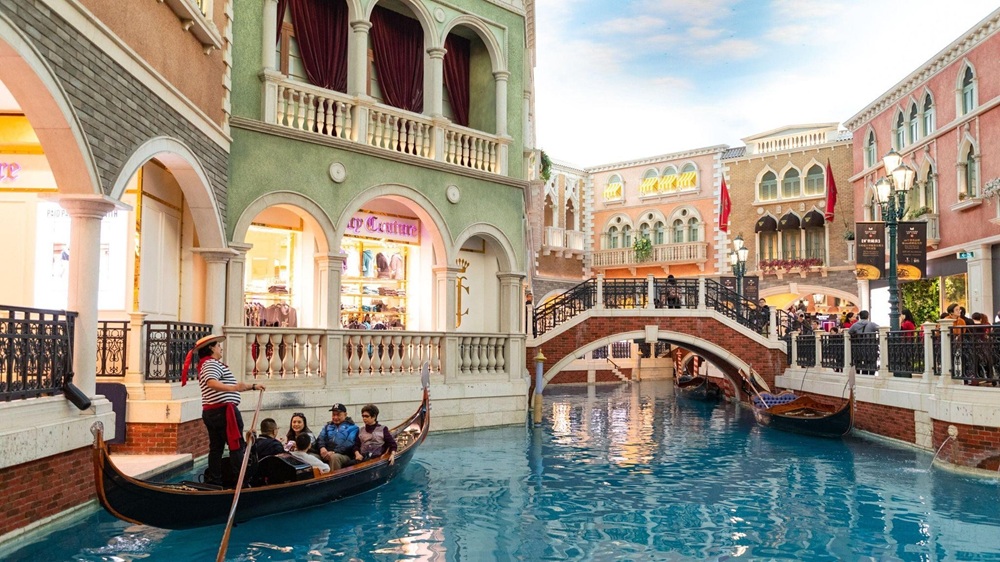
The Cotai Strip
The Venetian Macao is another fascinating place that involves luxurious hotels and casinos. It is owned by Las Vegas Sands and is named after its sister property in Las Vegas. It includes one of the most marvelous single structured hotels in Asia. This resort area is famous because of its Venice type theme structure, which includes indoor canals that appear outstanding. Moreover, the gondoliers perform their jobs by singing heartwarming songs. There are many other lavish areas within this city, such as The Parisian, The Londoner, Wynn Palace, and much more. This city is considered to be the City of Dreams.
If we talk about eating in MACAU, the mouthwatering meals that attract tourists can never be ignored. These include Portuguese egg tarts, also known as pastel de nata, Macanese food, Minch, and Hou Choi seafood.
The perfect meal in Macao is truly based on Portuguese and Cantonese cuisine. Some food may also contain specialties of Malay and Indian dishes, which depict a mixture of their culture and the art of cooking after the colonial rule that ended long ago. They usually follow Portuguese recipes, although the ingredients are local, such as fresh seafood, coconut milk, adzuki beans, and turmeric. These Macanese variations of well-known Portuguese dishes include minchee, caldo verde, and cozido à portuguesa.
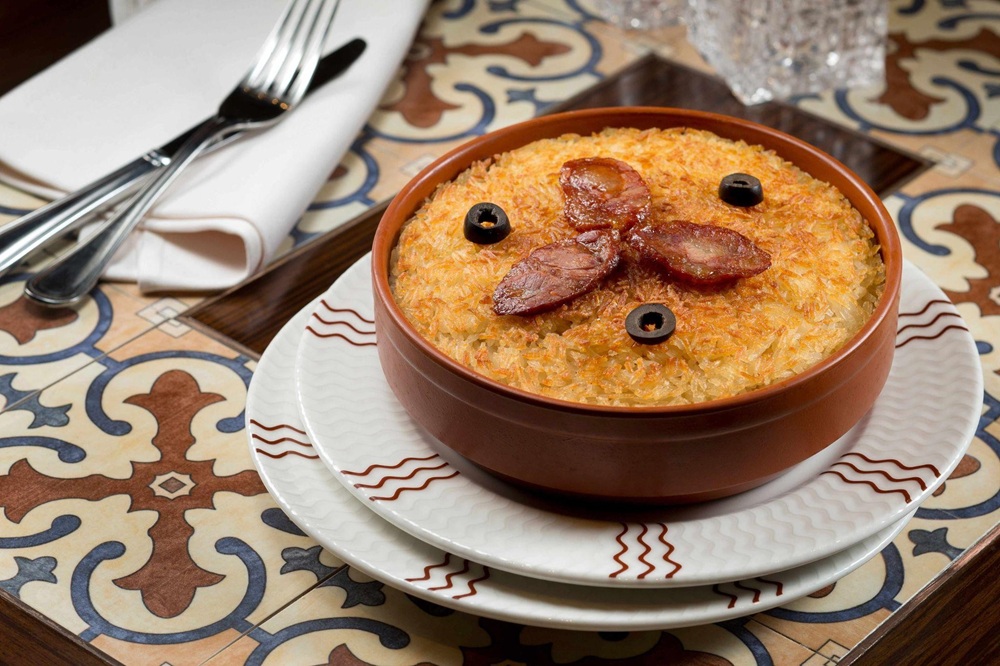
Macao has a variety of delicious foods
Many restaurants serve a mixture of both Portuguese and Macanese dishes, while some restaurants claim to serve these dishes separately by maintaining the culture of both countries. For example, Galinha à Portuguesa is completely a Chinese dish derived from Macanese cuisine, but it is not actually a traditional Macanese dish. If we talk about Western food, almond biscuits, pork chop buns, and pastel de nata are very famous street food items. The Cha Chaan Teng offers very fresh food that originated in Hong Kong and serves many types of street food items.
Although Macao is a small land, it is home to sports and enjoyable pursuits that help keep people fit and healthy. Macao has hosted several major events, including the East Asian Games held in 2005, and in 2006 it hosted the Lusophony Games and other Asian indoor games. A famous event hosted here is the Macau Grand Prix, which holds important annual motorsport competitions and uses the streets of the city as a racetrack. It is one of the few events where touring cars, Formula Three cars, and motorcycle racing are hosted within the same competition.
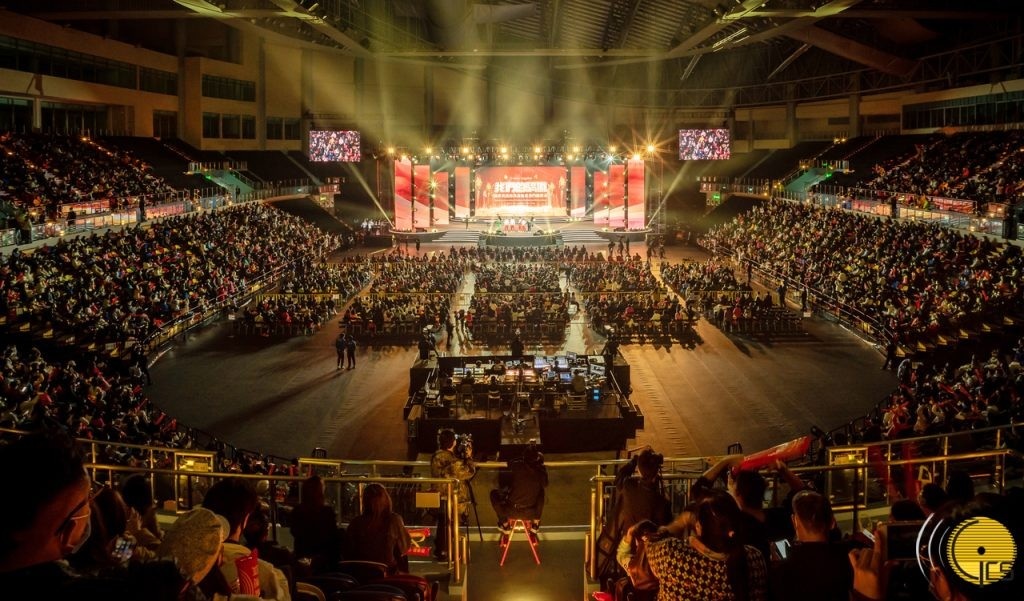
Elite national Olympic and sports area in Macao
There is also the famous Guia Circuit, which is considered a very narrow, winding, and challenging track. It is a major milestone for Formula racers. Macau shows itself somewhat detached from China because it has its own sports teams that compete in international competitions. It has its own National Olympic Committee, but according to the rules of the International Olympic Committee, it cannot compete in the Olympic Games. Participation is only allowed if it is recognized as a sovereign state. Hong Kong participated in the Olympics before the regulation change in 1996.
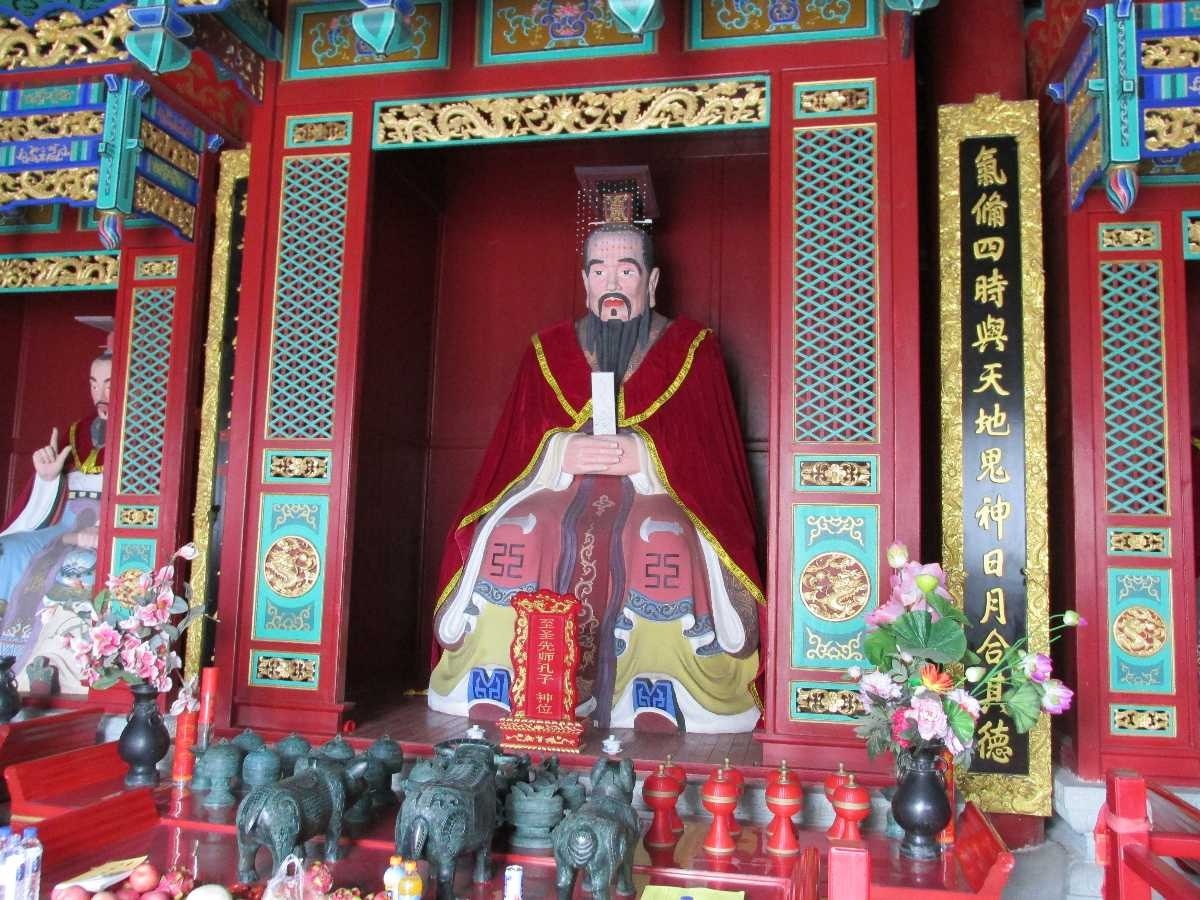
Buddhism is widespread in Macao
If we talk about cultural effects, about 80 percent of the population practices Buddhism, according to Government Information. About 6.7 percent follow Christianity, while 13.7 percent follow other religions such as Daoism and Confucianism. The Pew Research Centre states that 58.9 percent of people adhere to folk religion. Buddhism is followed by 17.3 percent of the population, while Christianity is followed by 7.2 percent. Many people have no religion or affiliation at all, which accounts for 15.4 percent of the population. Less than one percent of the population follows religions such as Hinduism, Judaism, and Islam.
You may also like: