Written by: Maysam Khan
Posted on: September 03, 2026 |  | 中文
| 中文
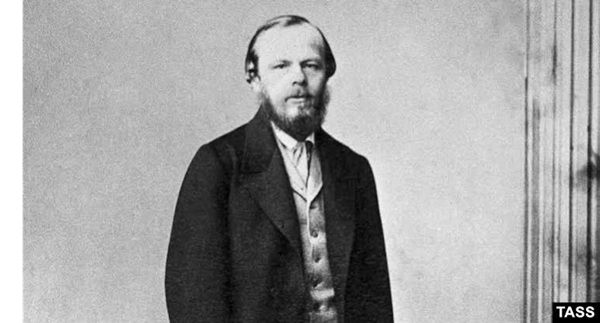
Fyodor Dostoevsky
If you met a person who never lied, never manipulated anyone, forgave everyone, and genuinely loved even his enemies, would you call him a saint or would you call him an idiot?
Dostoevsky’s The Idiot explores precisely this contradiction.
Fyodor Mikhailovich Dostoevsky is considered one of the greatest novelists in the history of literature. Throughout his life, he explored some of the most difficult questions a person can ask: What does it mean to be good? Can goodness survive in a cruel world? Is there a purpose to suffering? And what happens to faith when reason challenges it?
Dostoevsky’s life was marked by extraordinary hardships that profoundly shaped his writing. In 1849, he was arrested for participating in a political discussion group and sentenced to death. Shortly before his execution, his sentence was commuted to four years of hard labor in Siberia, followed by military service. This near-death experience, imprisonment, struggles with epilepsy, and financial difficulties gave him a profound understanding of fear, suffering, hope and human resilience.

The apartment where Dostoevsky lived in Saint Petersburg
These experiences shaped his distinctive literary style. Rather than focusing solely on plot, Dostoevsky explored the psychological and moral struggles of his characters, portraying them as complex individuals capable of both compassion and cruelty. His novels are characterized by intense dialogue, philosophical questions, and emotional conflict. This combination of realism and psychological insight reaches one of its finest expressions in The Idiot, where he examines whether genuine goodness can survive in a society driven by pride, wealth, and self-interest.
The Idiot follows Prince Lev Nikolayevich Myshkin, a young man who returns to Russia after spending several years in a Swiss clinic receiving treatment for epilepsy. Myshkin is exceptionally innocent, honest, compassionate, and trusting - qualities that make him seem strangely out of place in Russian high society.
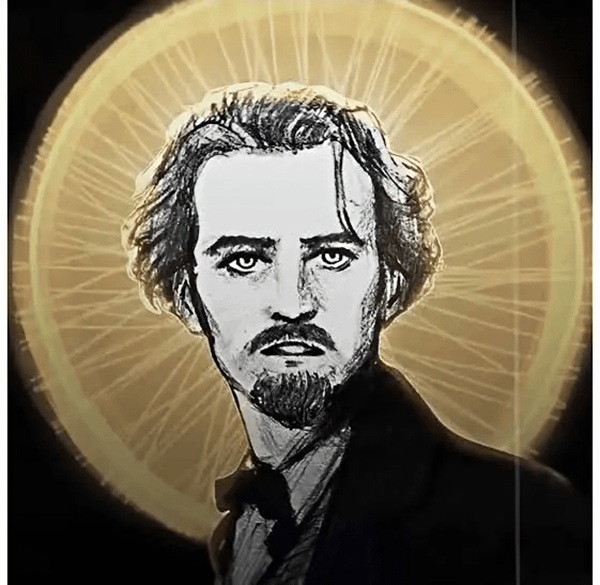
An illustration of Prince Mishkin
The title The Idiot is deeply ironic. Myshkin is not unintelligent; in fact, he is highly perceptive and often understands people better than they understand themselves. He is considered an “idiot” because he lacks the cynicism, manipulation and selfishness that characterize the society around him. Dostoevsky therefore challenges the conventional meaning of intelligence: perhaps the person who refuses to deceive or exploit others is not foolish, but morally superior.
Dostoevsky’s central experiment was to portray a genuinely good human being and examine what happens when such a person enters a morally compromised society. Myshkin represents compassion, humility, and Christian forgiveness, but the novel raises an important question: Can goodness alone save people, or can excessive compassion become powerless in the face of human weakness?
Soon after returning to Russia, Myshkin meets Parfyon Rogozhin, a passionate and possessive young man obsessed with Nastasya Filippovna, a beautiful woman whose traumatic past has deeply damaged her sense of self-worth. Exploited by the wealthy Totsky, Nastasya becomes trapped in a cycle of shame, self-destruction and emotional turmoil. Myshkin recognizes her suffering and responds with compassion rather than judgment.
At the same time, Myshkin becomes connected with Aglaya Epanchina, who represents a different form of love: more romantic, idealistic and socially acceptable. His relationships with Nastasya and Aglaya create the novel’s central emotional conflict. His dilemma is not simply a matter of choosing between two women; Dostoevsky uses these relationships to explore the difference between compassionate love and romantic love.
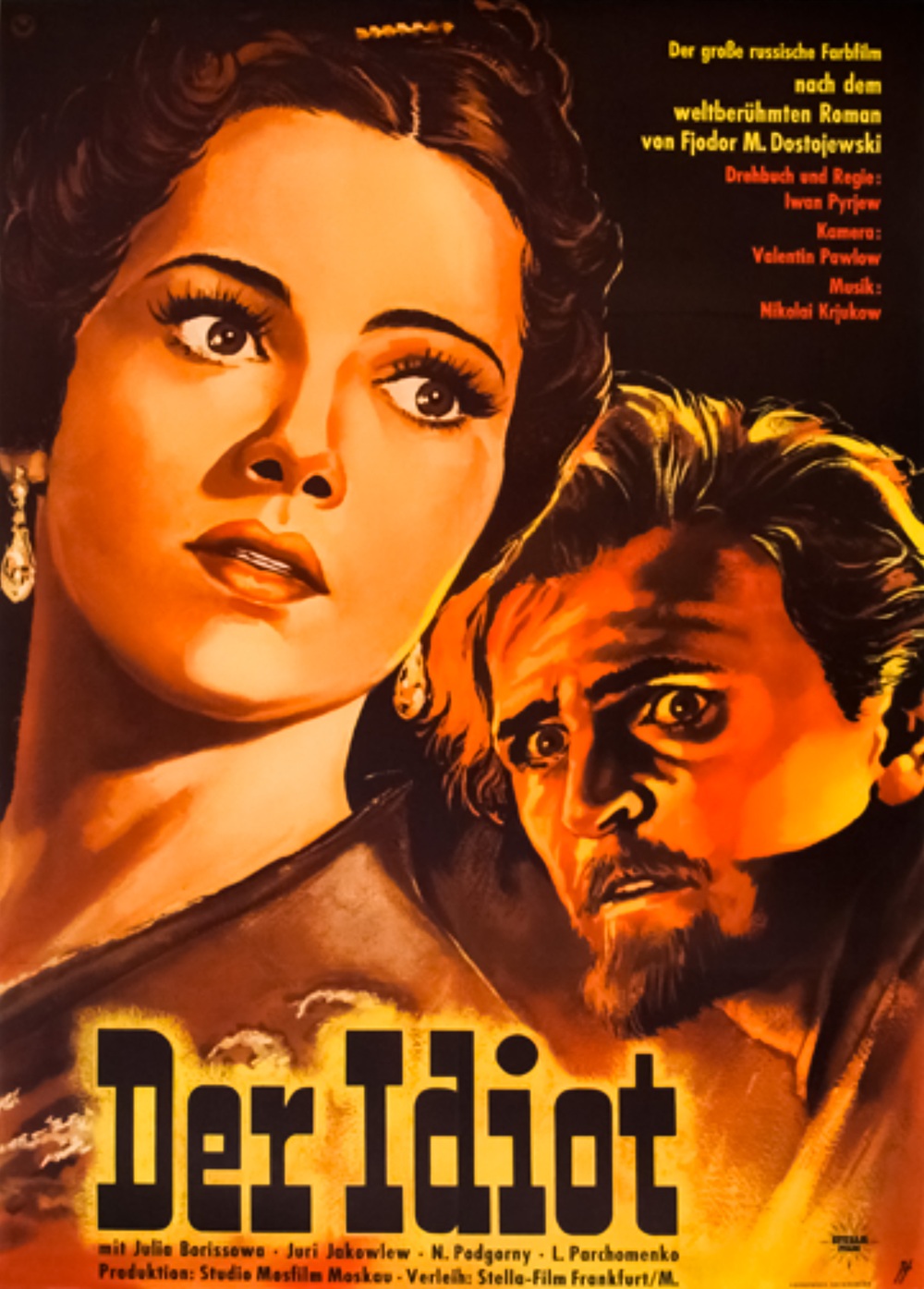
One of the novel’s greatest strengths is its psychological depth. Dostoevsky does not divide his characters into simple categories of good and evil. Nastasya, Rogozhin, Aglaya and Myshkin are all mixtures of virtue, weakness, pride, suffering, and desire. Their contradictions make them feel psychologically compelling rather than one-dimensional.
One of the most interesting criticisms of the novel concerns Myshkin’s goodness. Although he is deeply compassionate, his goodness can sometimes become passive and ineffective. He understands people's suffering but often struggles to make decisive choices that could prevent tragedy.
This raises an important question: Is goodness enough if it cannot lead to effective action? Dostoevsky seems to suggest that compassion without the ability to act decisively may unintentionally allow destructive forces to flourish. In this sense, Myshkin’s tragedy is not that he is too good, but that his goodness cannot always translate into practical solutions.
From a feminist perspective, the novel can be criticized for the way its major female characters are partly defined through their relationships with Myshkin. Nastasya Filippovna is portrayed as a wounded and self-destructive woman, while Aglaya represents youth, pride, and idealized romantic love. Although both are psychologically complex, their stories remain closely connected to Myshkin’s moral and emotional development.
This raises the question of whether Dostoevsky gives these women sufficient independence as characters, or whether their primary function is to reveal different aspects of Myshkin’s personality and ideals.
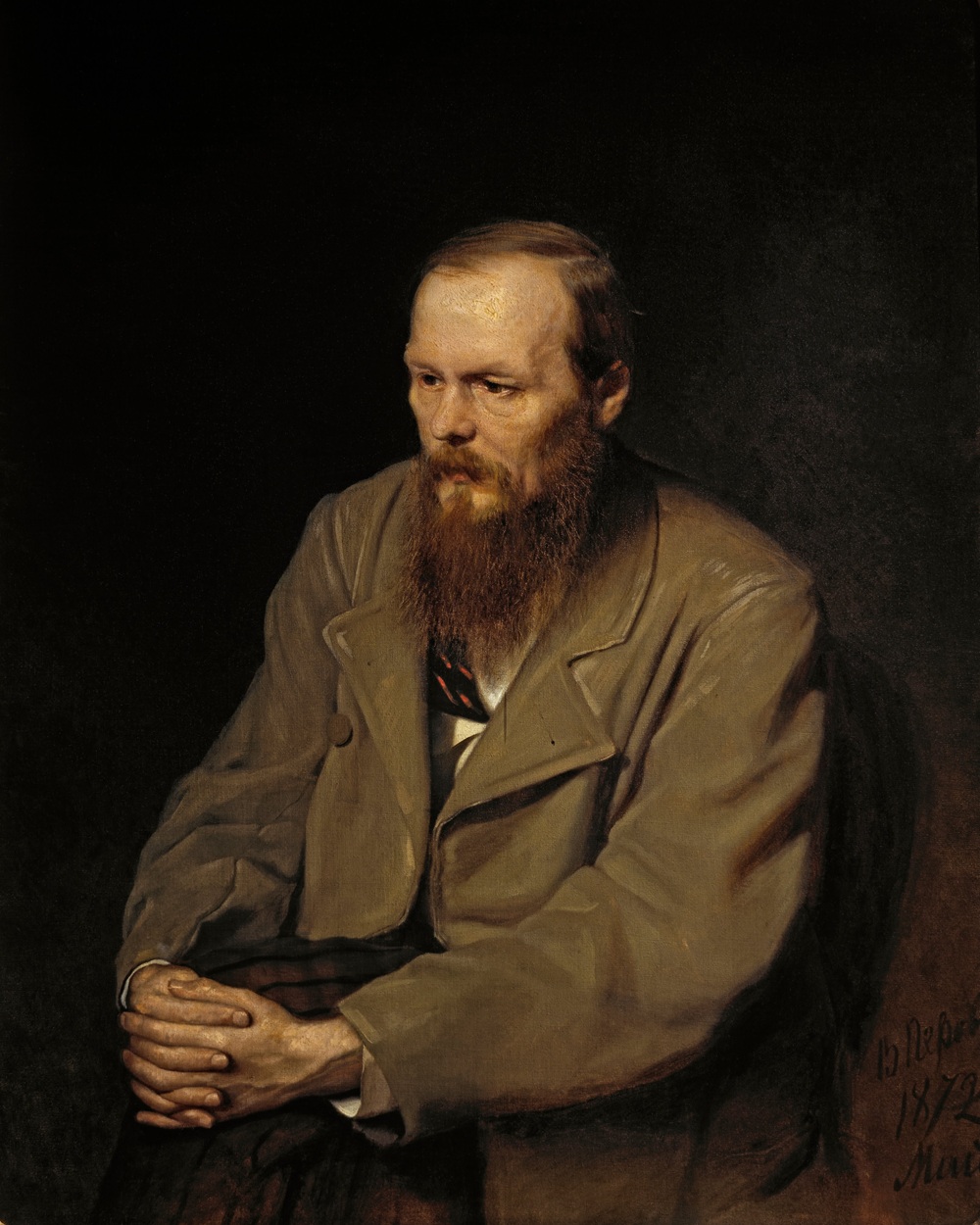
Fyodor Dostoevsky
Dostoevsky uses Myshkin to criticize a society obsessed with money, status, jealousy, sexuality and social appearances. However, Myshkin’s almost perfect innocence can also seem unrealistic.
It can be argued that Dostoevsky deliberately creates an almost impossible moral ideal and places him in an equally extreme society to test whether absolute goodness can survive. Myshkin’s failure therefore becomes part of the novel’s deeper argument: perhaps society is not prepared to accept a person who refuses to play by its rules.
Dostoevsky wrote The Idiot as an attempt to imagine a truly good person and examine what would happen if such a person were placed in the real world, with all its cruelty, vanity, desire, and confusion. The result is a novel that is by turns tender, chaotic, humorous, and devastating.
It does not offer easy answers. Instead, through characters such as Myshkin, Nastasya Filippovna, Rogozhin, and Aglaya, Dostoevsky forces us to confront uncomfortable questions about love, suffering, morality, and human weakness.
You may also like: