Written by: Halima Azhar
Posted on: March 30, 2026 |  | 中文
| 中文
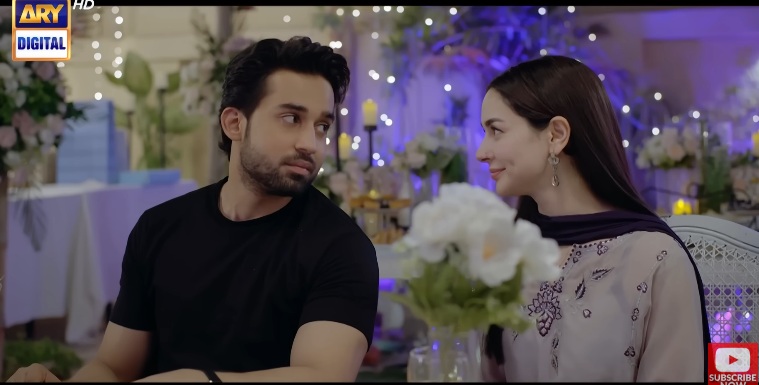
Hania Amir and Bilal Abbas Khan in Meri Zindagi Hai Tu
2025 ended and 2026 began on a rather pleasant note for the drama industry. We watched Case No. 9 achieve massive success on our screens, followed by Aik Aur Pakeezah, a socially impactful story being aired, and Muamma, the story of a single woman who defies social norms. Even watching her on screen made many uncomfortable, yet appreciative of the kind of change that we are now beginning to see on television.
But what makes one call it a success when the views for this kind of responsible and different storytelling remain significantly lower than a drama like Meri Zindagi Hai Tu? The latter is primarily the story of a rich, bratty stalker who falls in love with a woman and eventually convinces her of his love through perpetual stalking and harassment, until she falls back in love with him.
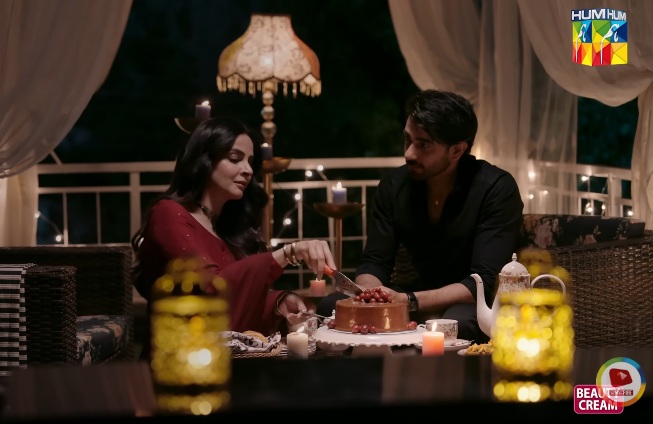
Saba Qamar and Ali Ansari in Maumma
It is not one thing but many factors that shape such outcomes: the popularity of the lead cast in each drama, the reviews and feedback that well known drama critics are putting out there, and lastly, and perhaps most importantly, the narrative that is circulating on social media.
We live in the day and age of social media, where everything from drama casts to a drama’s popularity seems to be shaped through online engagement. The moment a teaser drops or a scene begins trending, the perception of a drama starts to form. Viewers are no longer passive consumers. They react instantly, and those reactions become part of the drama’s journey. In many ways, social media has become an unofficial public forum where Pakistani audiences discuss, critique, and sometimes collectively judge what they are watching.
When we look at the actors involved in these dramas, the difference in popularity also becomes apparent. Hania Aamir, who plays the female lead in Meri Zindagi Hai Tu, remains one of the most widely followed and discussed celebrities in the country. Paired with Bilal Abbas Khan, who himself commands a strong fan base, the drama entered the screens already backed by a massive audience ready to watch and engage.
On the other hand, actors like Saba Qamar, who leads Case No. 9 and Muamma, and Sehar Khan, who appears in Aik Aur Pakeezah, are part of stories that rely far more on narrative strength than on celebrity hype. This does not make them any less compelling performers, but it does highlight how viewership numbers are often shaped by factors beyond storytelling alone.
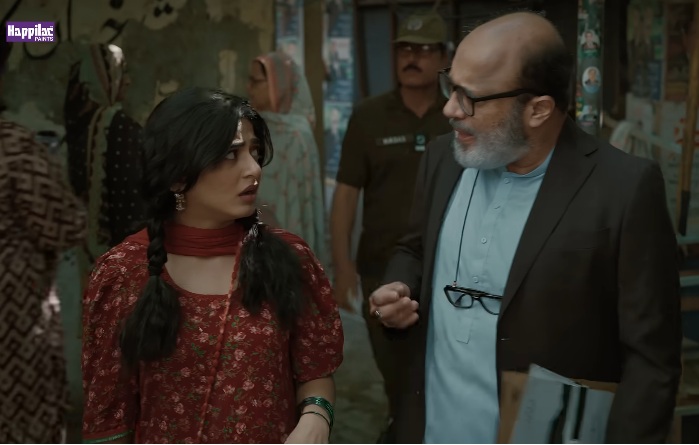
Sehar Khan and Noor ul Hasan in Aik Aur Pakeezah
Yet numbers alone do not tell the entire story.
What is perhaps more interesting is the kind of conversations these dramas are generating online. Social media platforms like X have increasingly become spaces where viewers openly share their opinions about characters, plots and the messages behind them. Dramas are now discussed episode by episode, with viewers dissecting everything from writing choices to character arcs.
The reaction to Muamma has also been largely appreciative, though not without discomfort. The character of Jahan Ara is not written to be easily likable or morally flawless. Instead, she exists in shades of grey, challenging the familiar image of the endlessly sacrificing female protagonist that Pakistani dramas have often relied upon. For some viewers this complexity has been refreshing, while for others it has been unsettling. But perhaps that very discomfort signals that the drama is pushing boundaries in a way that mainstream television rarely attempts.
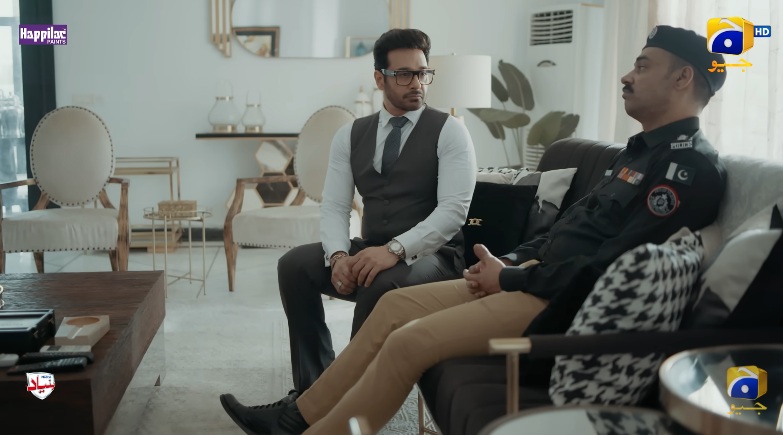
Faysal Qureshi and Gohar Rasheed in Case No 9
Aik Aur Pakeezah has also generated conversations because of the social issues it touches upon. At a time when we repeatedly see women being shamed, targeted or even murdered in the name of honor for their presence on social media, a story that confronts these realities feels both timely and necessary. Many viewers have pointed out that dramas like this demonstrate how television can still be used as a platform for social reflection rather than mere entertainment.
At the same time, Meri Zindagi Hai Tu continues to dominate in terms of viewership. The drama’s central premise, a wealthy and obsessive man pursuing a woman through relentless attention and control, follows a familiar trope in South Asian storytelling where persistence is often framed as proof of love. However, many viewers have also pointed out how troubling this portrayal can be when stalking and harassment are romanticized as devotion.
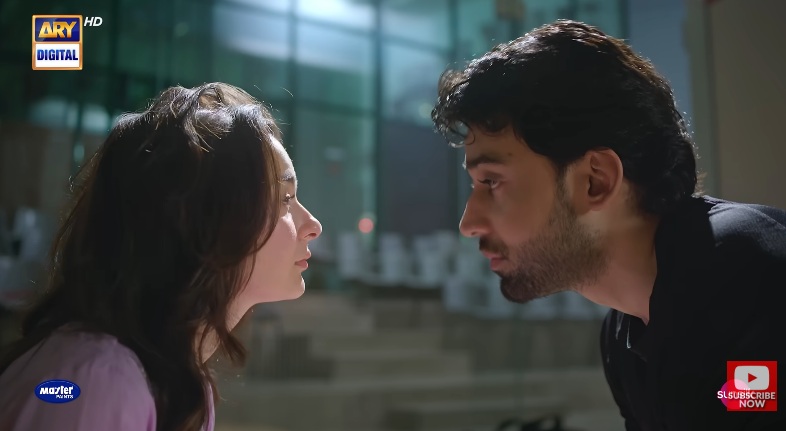
Bilal Abbas and Hania Amir in Meri Zindagi Hai Tu
Drama critics have also weighed in on these narratives. Reviewing Meri Zindagi Hai Tu on Something Haute, critic Amna Hassan Isani said that “every character in the drama is trying to whitewash the toxicity of the lead character, Kamyar, played by Bilal Abbas Khan. As a story, it comes across as a very irresponsible story to tell.”
Similarly, while discussing Aik Aur Pakeezah on Something Haute, entertainment journalist Hassan Chaudhary remarked that “the storytelling is absolutely brilliant. Bee Gul’s sensitivity and sensibility as a writer elevates the story in a way that you don’t usually see.” He further added that if he had to describe it in one word, it would be “impactful.”
These contrasting responses perhaps capture the moment Pakistani television currently finds itself in. On one hand, dramas that rely on conventional romantic tropes continue to draw massive viewership. On the other hand, audiences are increasingly vocal about questioning narratives that normalize problematic behavior.
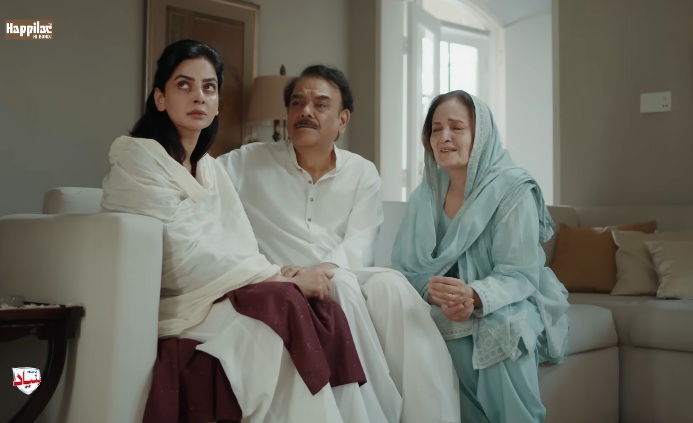
Saba Qamar, Shahnawaz Zaidi, and Hima Khwaja Bayat in Case No 9
What is different now is that viewers are no longer simply accepting what is being presented to them. They are actively engaging with it, critiquing it, and discussing it in ways that were not as visible before the rise of social media.
The simultaneous appreciation for shows like Case No. 9, Muamma, and Aik Aur Pakeezah, alongside the criticism directed at Meri Zindagi Hai Tu, hints at a subtle but important shift. It suggests that while audiences may still watch everything that is popular, they are also becoming more aware of the stories they are consuming and the messages those stories carry.
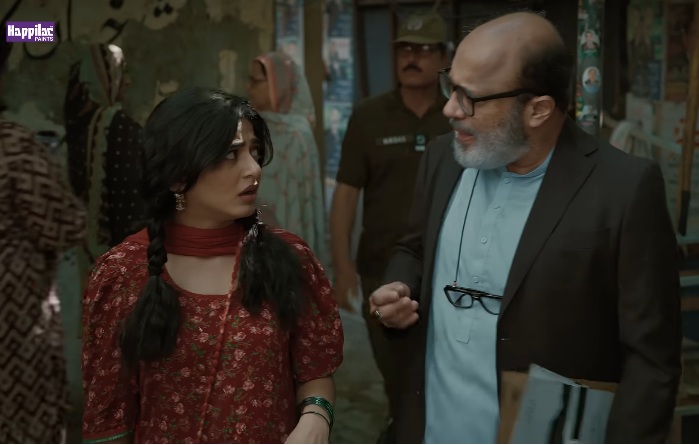
Sehar Khan and Nameer Khan in Aik Aur Pakeeza
Perhaps the industry has not fully caught up with this change yet. Ratings and virality still dominate decision making when it comes to what gets produced and promoted. But the conversations happening around these dramas show that audiences are slowly demanding something more.
And maybe that is where the real shift lies, not just in what people are watching, but in how they are watching it.
You may also like: