Written by: Misbah Shah
Posted on: September 21, 2026 |  | 中文
| 中文
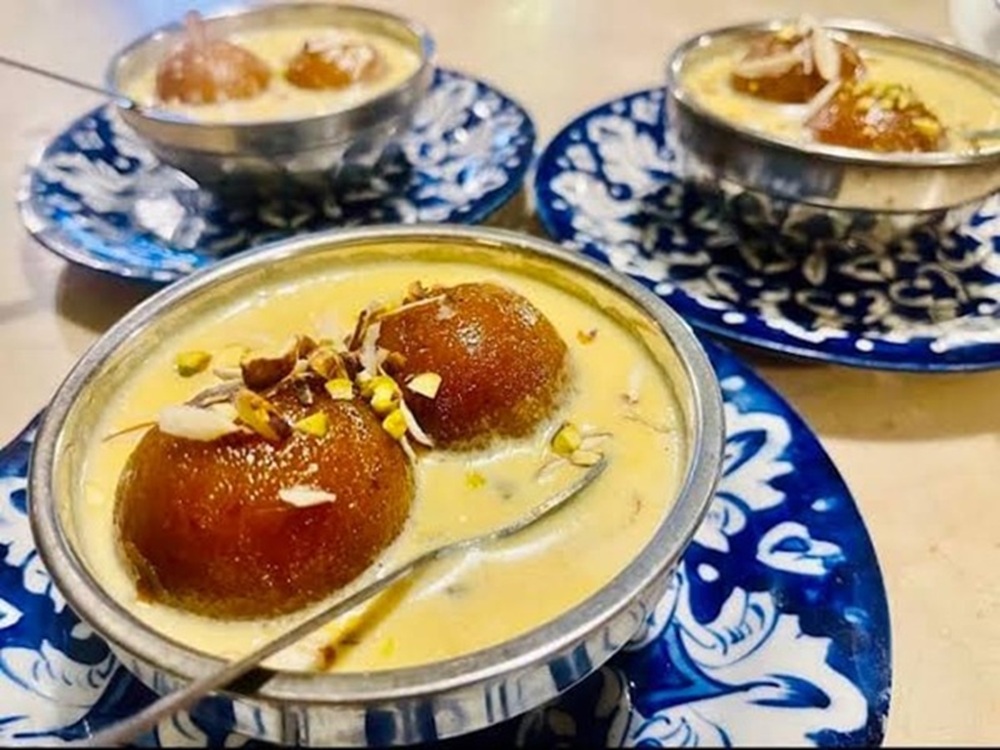
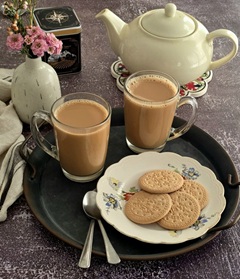
Rounding off the meal with dessert at The Lost Tribe
The story of The Lost Tribe begins not in Islamabad but in Lahore, where the restaurant first made a name for itself among the city's dense and competitive food scene. Built around the bold, smoky flavours of Pakhtun and Shinwari cooking, the brand set out to bring the charcoal-grilled, slow-cooked traditions of Peshawar's Namak Mandi to a wider, more urban audience — without losing the rustic soul that makes that cuisine so distinctive in the first place. It worked. Word of mouth around the Lahore outlet grew quickly, and diners who hadn't had reason to cross the city for Shinwari food suddenly did.
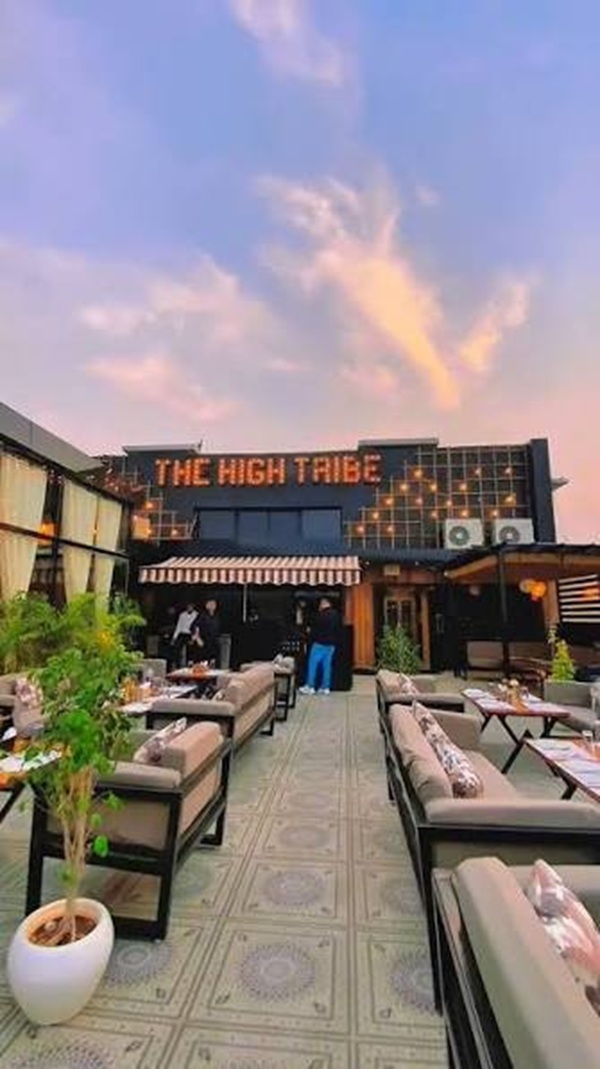
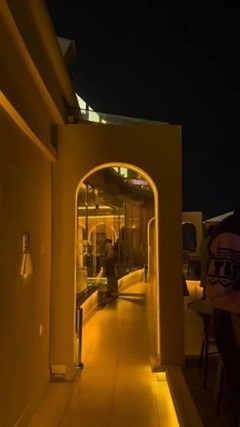
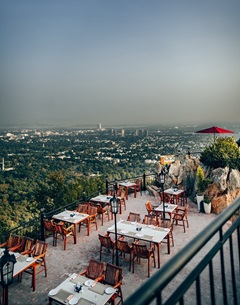
Rooftop seating at The Lost Tribe, with Islamabad's skyline as backdrop
That reputation is what preceded The Lost Tribe when it opened its doors in Islamabad, taking up a rooftop spot at Olympus Mall in F-11 Markaz. For a cuisine that has traditionally lived in open-air, smoke-filled roadside setups, the rooftop location feels almost like a natural extension of the concept — open sky, open flame, and a skyline view instead of a street corner. The Islamabad branch keeps the Lahore menu's backbone intact while adding a handful of dishes suited to the capital's palate, most noticeably in the dessert and high-tea offerings.
Walking in, the ambience does a lot of the talking before the food even arrives. The rooftop setting is spacious, with a layout that leans into an earthy, rustic theme rather than the polished, minimalist look many newer Islamabad restaurants have adopted. Wooden furniture, warm lighting, and touches that nod to tribal and frontier motifs give the space a sense of place — it doesn't feel like it could be dropped into any city; it feels distinctly rooted in the cuisine it serves. Background music keeps the atmosphere relaxed without tipping into a formal fine-dining stiffness, which suits the communal, hands-on nature of the food. `
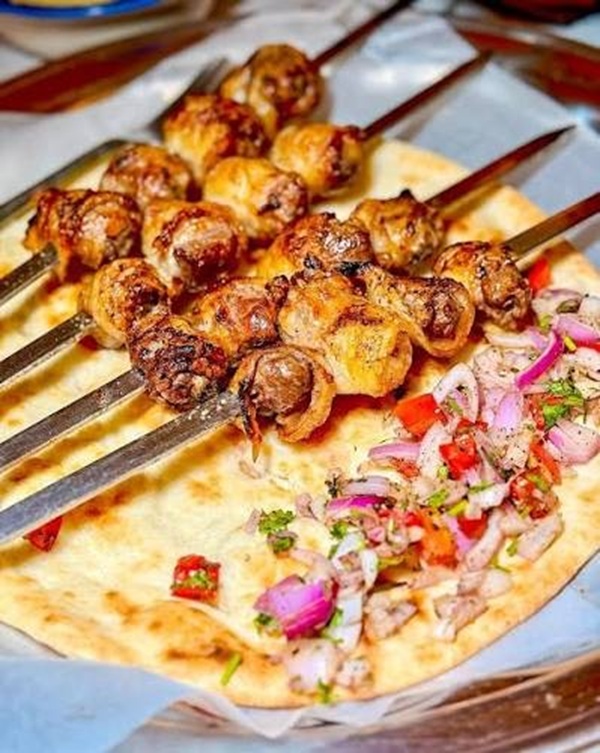
Afghani Beef Tikka, one of the restaurant's most talked-about dishes
Service at The Lost Tribe reflects the restaurant's roots — warm and unhurried rather than clinical. Staff seemed genuinely familiar with the menu's Pakhtun specialties and were quick to offer recommendations for those unfamiliar with dishes like Rosh or dum pukht. On a weekend evening, with the rooftop fairly full, service did slow down at points, though nothing that soured the overall experience.
The menu itself is compact rather than sprawling, and this works in its favour — every section, from the tikka grills to the karahis and rice dishes, feels considered rather than filler. The highlights are the Namkeen Karahi, Kabuli Pulao, and a range of Afghani tikkas, alongside heartier options like dum pukht and Rosh, a rich, slow-cooked curry that draws a loyal following of its own.
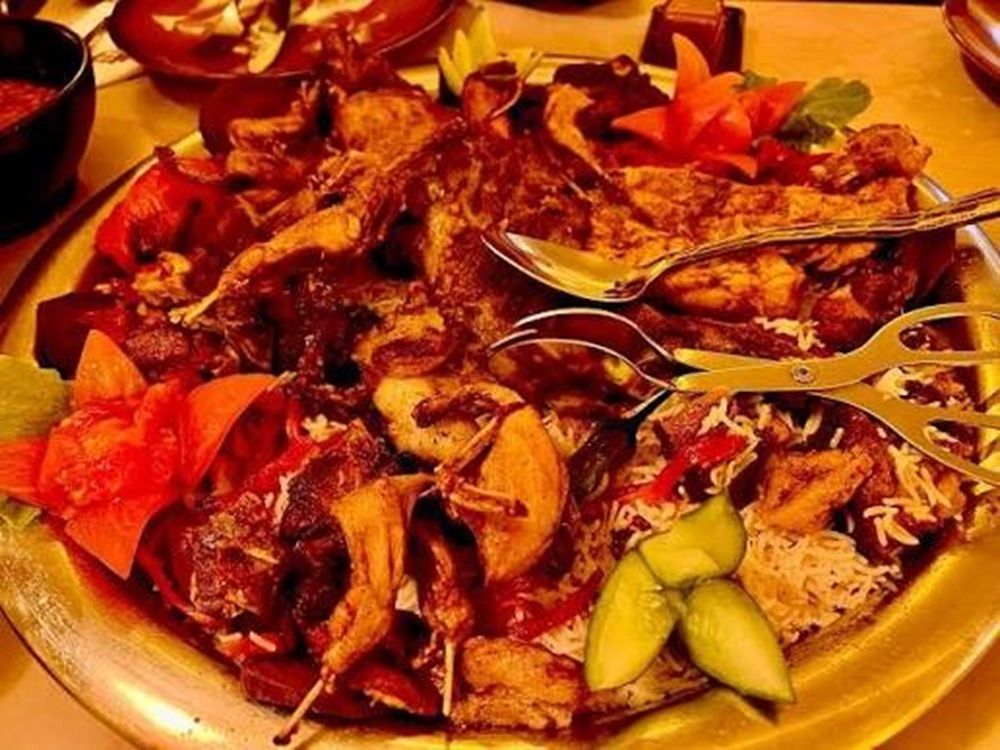
Kabuli Pulao, one of the signature rice dishes at The Lost Tribe
Service at The Lost Tribe reflects the restaurant's roots — warm and unhurried rather than clinical. Staff seemed genuinely familiar with the menu's Pakhtun specialties and were quick to offer recommendations for those unfamiliar with dishes like Rosh or dum pukht. On a weekend evening, with the rooftop fairly full, service did slow down at points, though nothing that soured the overall experience.
Mutton Tikka served alongside Rosh curry
The Mutton Tikka followed a similar profile, tender and smoky, though slightly less memorable next to its beef counterpart. The Rosh, on the other hand, stood out — a rich, tomato-based curry with meat cooked down until it nearly falls apart, the kind of dish that benefits from being scooped up with naan rather than eaten with rice. The Kabuli Pulao was fragrant and generously portioned, with the rice absorbing the meat stock well, though we did notice the sweetness from the caramelised carrots and raisins that traditionally define this dish was toned down compared to more classic versions — a choice that will suit some palates more than others. The Namkeen Karahi, by contrast, leaned fully into its name, salty and simple, a good counterpoint to the richer curries on the table.
Namkeen Karahi, one of the signature dishes at The Lost Tribe
The last thing to reach our table was a simple bowl of rice served alongside a tangy tomato chutney — a small addition, but one that cut nicely through the heavier flavours that came before it. It's a detail that speaks to the kind of restaurant The Lost Tribe is: unpretentious, generous with flavour, and confident enough in its core dishes that it doesn't need to overcomplicate the rest of the menu. For anyone who has made the trip to Peshawar chasing that same smoky, Shinwari flavour, F-11's rooftop newcomer makes a strong case for staying closer to home.
You may also like: