Written by: Dr. Sadia Saeed
Posted on: December 08, 2025 |  | 中文
| 中文
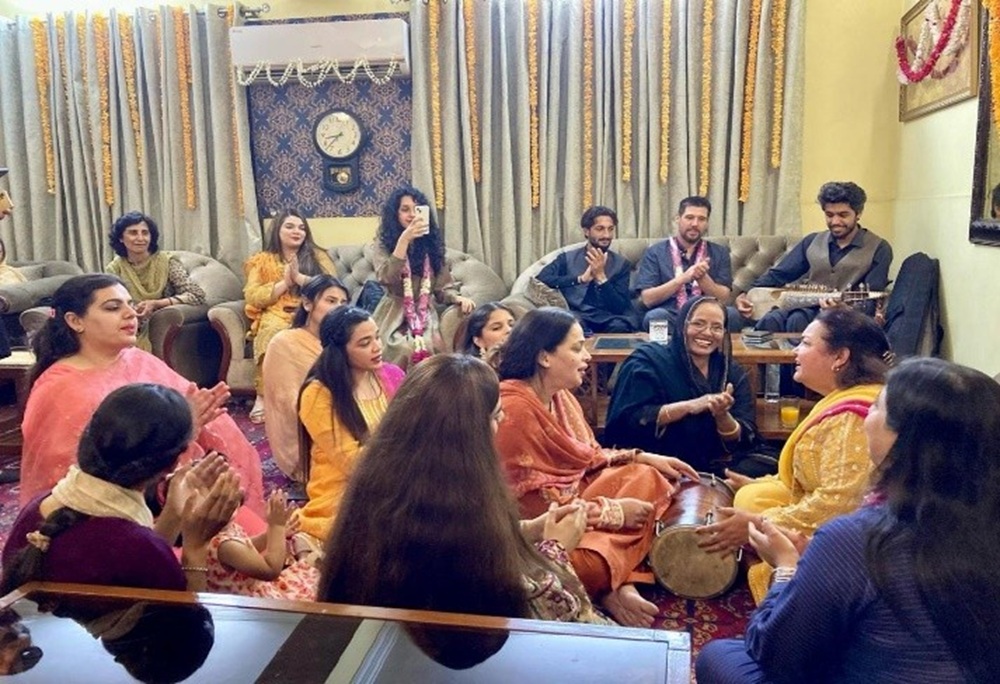
A traditional South Asian Mehfil
Across continents and cultures, some of the most enduring social traditions are those shaped not by institutions but by people gathering simply to share art, memory and conversation. In Pakistan and Scotland, two such gatherings, the mehfil and the ceilidh, continue to echo through public life, even as they face pressures that threaten to turn living practices into relics.
The mehfil holds deep significance in the cultural and intellectual history of the Indian subcontinent. Derived from the Arabic mahfīl, meaning “assembly” or “congregation,” the term evolved in Persian and Mughal traditions to denote refined gatherings centered on poetry, music, storytelling and debate. In South Asian culture, the mehfil has always served as a vital social and educational forum, and storytelling (or qissa-goi) a primary method for transmitting history, morality, spiritual lessons, and shared cultural values from one generation to the next, solidifying community bonds far more effectively than any formal lecture.
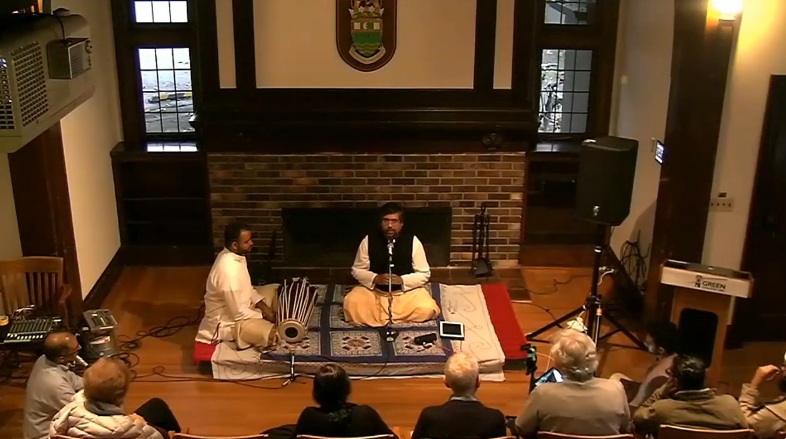
Music Mehfil
The ceilidh, meanwhile, has its roots in the Gaelic-speaking Highlands where long winters, rural isolation and a strong oral tradition fostered evenings of dance, song and storytelling around hearths and in communal halls. A Cèilidh (pronounced "kay-lee") in the Scottish Highlands is a vibrant, communal social gathering that serves as a cornerstone of Gaelic culture, preserving traditions that thrive particularly in the Islands and remote mainland areas. Originally meaning a simple social "visit", the event evolved from evenings of storytelling, poetry and song into the lively party it is today, heavily focused on traditional music and dancing. The Highland Ceilidh embodies a spirit of inclusivity and shared joy, acting as a crucial venue for reinforcing community bonds and celebrating Scottish heritage.
Despite their distinct origins, both traditions serve the same purpose: to bring people together, sustain cultural memory and strengthen a sense of belonging.
In Pakistan, the mehfil appears in multiple forms. The mushaira, a formal poetry session, continues to draw audiences to auditoriums and university halls. Intimate evenings of ghazal and poetry flourish in private homes, while the mehfil-e-sama at Sufi shrines creates powerful collective experiences through qawwali and devotional song. Cities such as Lahore, Karachi and Islamabad host institutionalized versions through literary societies and cultural festivals, while rural communities sustain more localized mehfils at village shrines and seasonal gatherings.
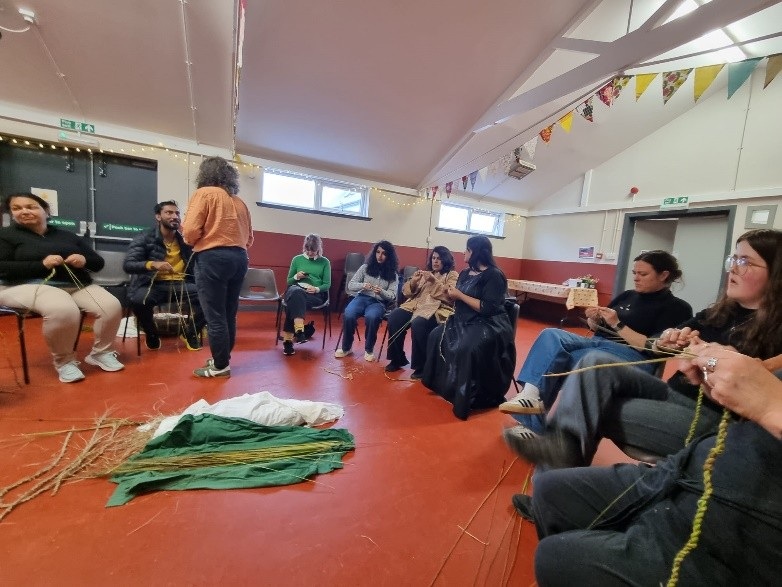
The Ceilidh
Scotland’s ceilidh has undergone its own evolution. What was once a simple night of dancing, fiddles, pipes and storytelling in farmhouses is now commonly found in village halls, university unions and festival tents. Modern ceilidhs often emphasize group dances led by a caller, yet many communities, especially in the Highlands and Cape Breton, preserve the storytelling, song and laughter that once defined the tradition.
Both gatherings have long served as social glue. Mehfils nurture Urdu poetic forms, provide space for moral and political expression, and offer an accessible form of spirituality that cuts across class barriers. The qawwali circuit and literary mehfils also support artists, instrument makers and local cultural economies.
Ceilidhs play a similar role in Scotland. They preserve Gaelic songs and dances, promote local musicians, and foster intergenerational participation. Traditionally linked to community milestones, harvests, weddings and births, ceilidhs remain inclusive social events that welcome all ages.
In villages, both gatherings retain a communal, participatory character. In cities, however, they face a shift: mehfils often become staged, ticketed affairs with a clear divide between performer and audience, while ceilidhs increasingly appear as tourist attractions rather than community practices. Though urban versions generate visibility and revenue, they rarely cultivate the intimacy or informality of their rural counterparts.
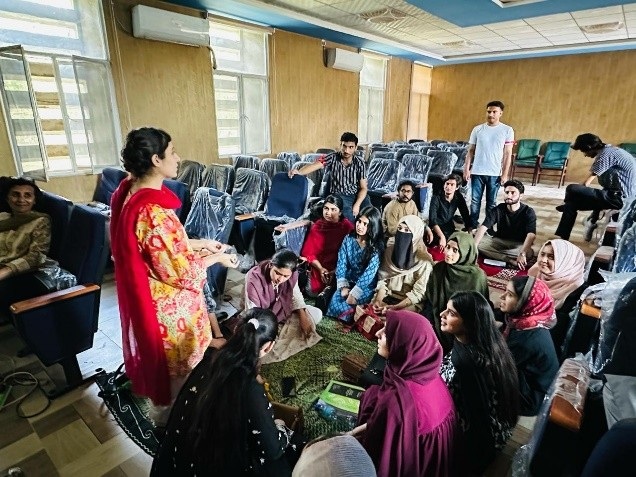
Storytelling (Qissa-goi)
A combination of social, economic and cultural shifts has contributed to the decline of both traditions. Technological change, radio, television and now digital media, has replaced active participation with passive consumption. Modern society increasingly favors individualism over collectivism, a profound cultural shift where personal autonomy and self-interest have superseded the traditional bonds and duties of the community. In this atomized landscape, the communal mehfil of shared values is replaced by the solitary pursuit of self-actualization, a process often accelerated and magnified by social media. People are drawn to these digital platforms not for genuine collective connection, but for a highly personalized form of comfort and validation, finding a temporary sense of "peace" in an illusion. This illusion is the curated self, the filtered, perfected, and perpetually successful online persona, and the instant, shallow dopamine hit of likes and affirmation. By comparing their imperfect reality to this flawless digital mirror, individuals retreat further from the complexities of real-world relationships and collective responsibility, mistaking the echo chamber of the internet for a meaningful community. Urban migration, rural depopulation, and precarious incomes leave communities with less time and fewer resources for collective gatherings.
Educational systems in both Pakistan and Scotland often overlook local heritage in favor of global competencies, disconnecting younger generations from Urdu and Punjabi poetry or Gaelic music and storytelling. Tourism, too, can distort tradition: mehfils risk becoming commercial spectacles, while ceilidhs sometimes cater more to visitors than locals.
Moral and political pressures add further strain. In Pakistan, conservative critiques have at times questioned the respectability of certain mehfils. In Scotland, historical suppression of Gaelic culture pushed ceilidhs to the margins for decades. As a result, both traditions have experienced weakened social legitimacy.
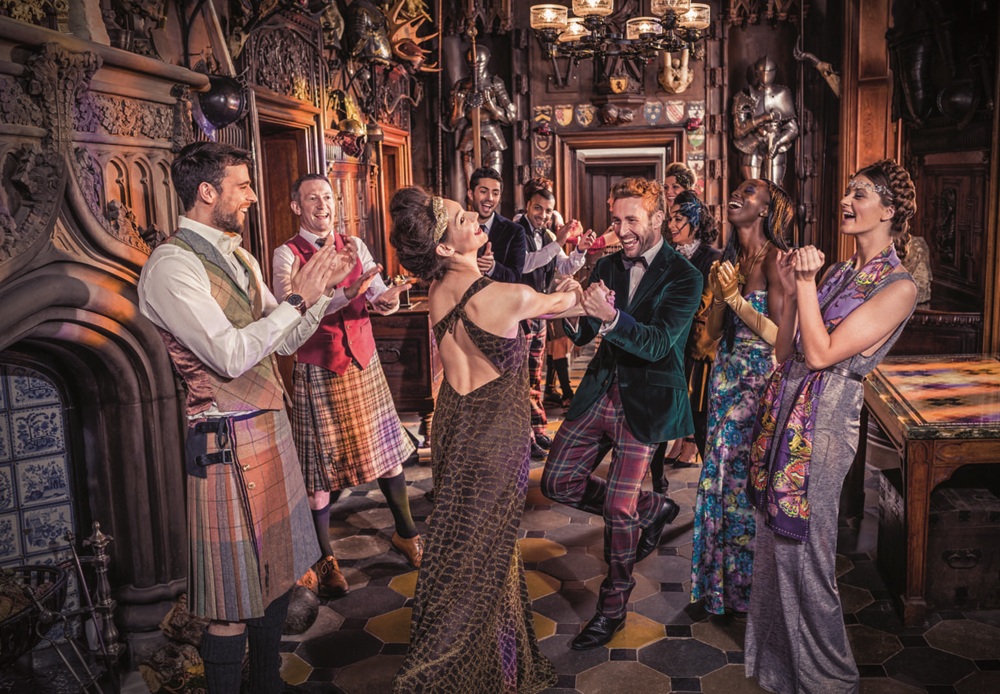
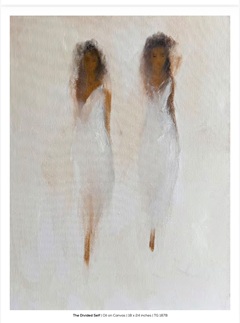
A painting depicting Ceilidh
Revival does not mean nostalgia. It requires making these practices meaningful in contemporary life. The first step is rigorous documentation: identifying who performs, where the gatherings happen, and what forms persist. This knowledge can guide education, policymaking and cultural programming.
Village-to-city cultural exchanges, high-quality archiving, and community-focused recordings can broaden reach without reducing traditions to passive entertainment. Tourism, if developed responsibly, can support local economies without compromising authenticity. Policy recognition, treating mehfils and ceilidhs as key elements of intangible cultural heritage, can secure consistent funding and protection.
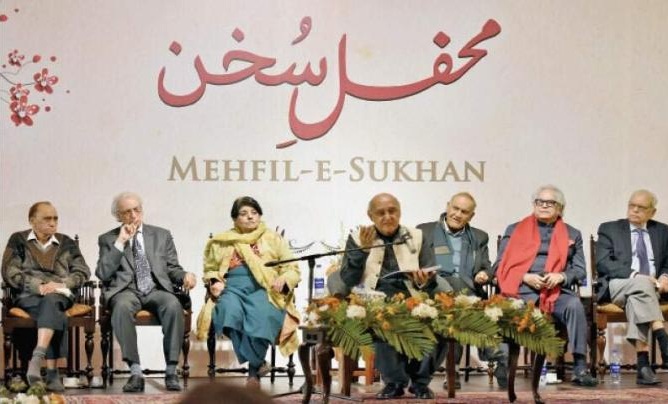
Mehfil-e-Mushaira
Despite modern pressures, mehfils in Pakistan and ceilidhs in Scotland endure. They create moments of genuine connection that stand in stark contrast to the fragmented, digitalized tempo of contemporary life. Their revival is not merely a cultural project; it is an investment in social trust, community resilience and creative livelihood.
The continuation of the mehfil and the Cèilidh in their respective cultures is not merely an act of nostalgia; it is a critical investment in social resilience. In an era where digital life often fosters isolation and collective action is fractured by individualism, these gatherings offer a necessary physical and emotional corrective. They serve as living blueprints for authentic human connection, demonstrating how shared space, ritual, and performance can transcend difference and build genuine community solidarity. By preserving the mehfil as a sanctuary for shared narrative and thought, and the Cèilidh as a joyful expression of collective movement and sound, these cultures safeguard the essential human need for belonging. Their endurance ensures that the deeply rooted traditions of inclusivity and shared joy remain a tangible, vibrant reality, providing a vital counter-narrative to the atomized modern world and strengthening the cultural fabric for generations to come.
You may also like: