Written by: Muhammad Asif Nawaz
Posted on: July 29, 2025 |  | 中文
| 中文
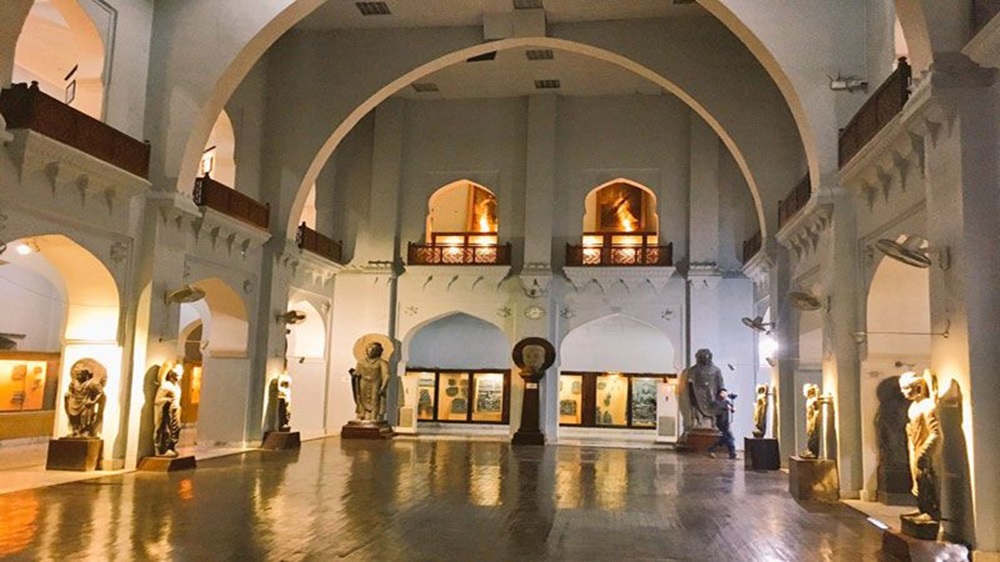
Inside Peshawar Museum
As we continue tracing the footsteps of Buddha in the province of Khyber Pakhtunkhwa, the realization of the ravages of time cannot be ignored. The province, most often known for being in the throes of extremism and terrorism in recent history, carry’s a legacy that is in stark contrast to these feral ideals. That once it was instrumental to a civilization largely tolerant and non-violent provides an interesting lens to analyze the province with. Even though remains of stupas and monasteries can be found throughout the breadth of this troubled province, we’ll be focusing on its center Peshawar for now.
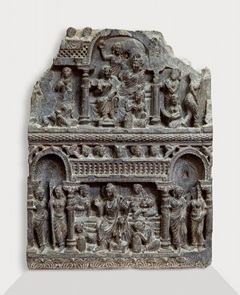
The city of Peshawar, now serving as the capital of the Khyber Pakhtunkhwa province, has to its credit of having served as the capital of the Kushan Empire as well. Then known as Purusapura, it played an immense role in shaping the trajectory of Buddhism across Asia. Before we proceed towards the sites of Kanishka Mahavihara and Gor Khatri, the importance of the stupendous Peshawar Museum cannot be ignored, which is one of the largest hubs of Buddhist Art of Ancient Gandhara Civilization in the world. Built in 1907 as the Victoria Memorial Hall for Queen Victoria, it was later converted into a museum, which currently boasts a collection of about 14000 items largely comprising Gandhara Art, including Buddhist stone sculptures, terracotta figurines and relic caskets. Nothing describes the experience of being in the Peshawar Museum better than a line from Kamila Shamsie’s novel, A God In Every Stone: “I want to go to Peshawar... Because there's more past than present there. Two and a half thousand years of history beneath its soil…”
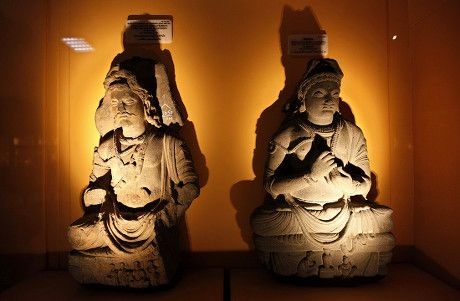
Buddhist statues inside Peshawar Museum
One testimony of this rich history in Peshawar is the Kanishka Mahavihara, located at modern day Shahji-ki-dheri, outside Peshawar’s old city. A monumental monastic complex commissioned by Emperor Kanishka I, it was described by Chinese Pilgrims as one of the tallest structures of the ancient world. Along the pattern of other Buddhist monasteries, the Mahavihara comprised monastic cells, assembly halls and libraries, catering to a sizeable population of monks. The center played a vital role in the development and dissemination of Mahayana Buddhism, also attracting renowned figures including Vasubandhu and Asanga. Excavations in the 20th century found the stupa itself largely destroyed, but the discovery of the celebrated Kanishka Casket provided evidence of the site’s importance. The Casket, now housed in the Peshawar Museum, sheds lights on the importance of the site, while also lamenting its loss - since the structure is largely a lost shadow of its original glory.

Shah Ji Ki Dheri, where Kanishka Casket was found
Another important site dotting our pilgrimage of Peshawar is the ancient site of Gor Khatri, one of the most routinely visited heritage sites of the city, and in close proximity to the fabled Sethi Muhalla, Mughal Caravanserai and Gorakhnath Temple. Even though no Buddhist monuments stand in Gor Khatri today, the site is relevant because it is claimed to be the location of the famous Tower of Buddha’s Bowl, said to have housed the alms bowl of the Buddha. Evidences of a Buddhist monastery have also been dug out at Gor Khatri, providing a link to the multifaceted past the soil of Peshawar contains.
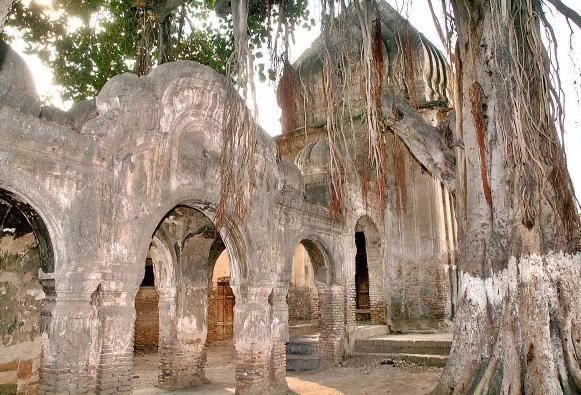
Goraknath Temple, Gor Khatri
Another important city in the province, close to Peshawar, and holding immense importance regarding Buddhist legacy in the region is Charsadda. Known historically as Pushkalavati (translated to “Lotus City”), this settlement predates the rise of Peshawar, and it served as the ancient capital of Gandhara. Its strategic location, right at the confluence of the Swat and Kabul rivers made it an important center for the development of Buddhism in the region. The ruins of the ancient Pushkalavati are spread across two sites: the Bala Hisar mound and the Shaikhan Dheri. The archeological treasures at these sites point out towards continuous inhabitation of these sites, including the Buddhist era. Accordingly, various Buddhist relics have been discovered at these sites.
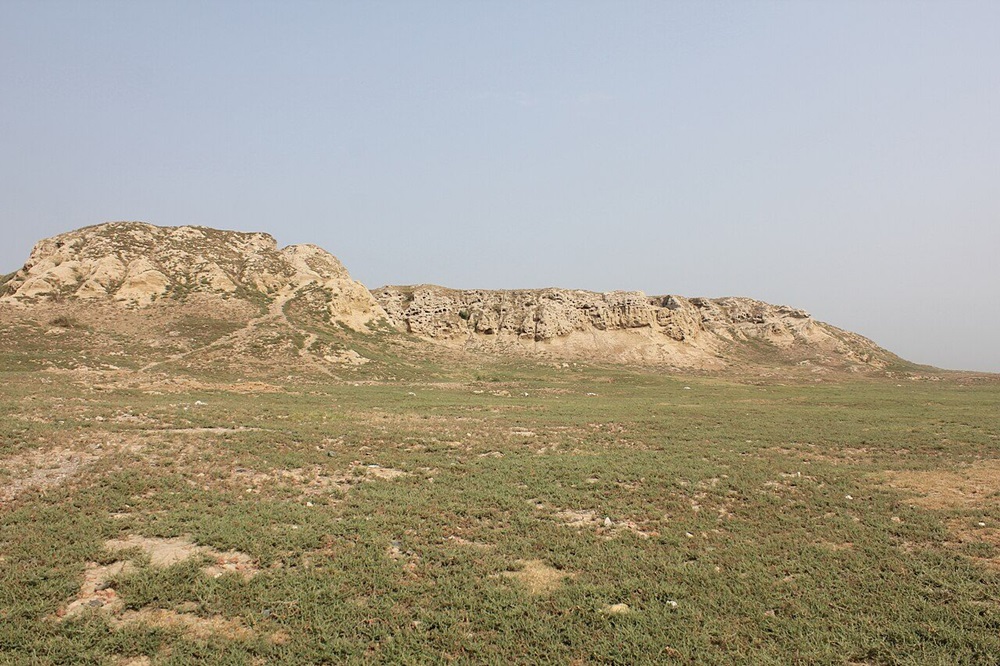
Bala Hisar Mound, Charsadda
The other important Buddhist sites in the Charsadda region include the Bibi Syeda Dheri, believed to be the site of a stupa commemorating the conversion of the goddess Hariti by the Buddha. Hariti was a demoness who devoured children but was reformed by Buddha and became a protectress of children, and other, lesser-known sites like the Palatu Dheri and Sharh-i-Napursan. While the present sometimes lacks in painting the exact picture of the importance of these sites, refuge is sought in historical accounts. Accounts from Xuanzang, a Chinese Buddhist Pilgrims in the 7th Century CE, mention numerous stupas and monasteries in Pushkalavati. He noted the presence of two stupas built by Emperor Ashoka near the town, along with a monastery where Buddha is said to have preached. He also mentions the "Stupa of the Eye Gift," where Lord Buddha supposedly gave his eyes as charity. All these fables make the question of Buddha’s actual visit to the land of Pakistan more complicated.
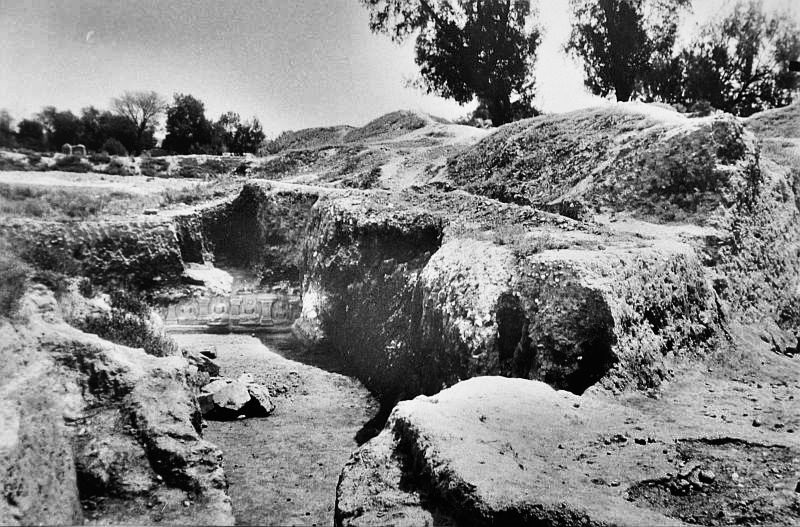
Excavations at Shahji Ki Dheri
Peshawar and Charsadda, albeit being modern cities currently, hold within their ancient soils the profound echoes of a booming Buddhist past. They also stand as powerful reminders of Pakistani’s pivotal history as a hot bed of cultural exchange and religious development, shaping the history of the world for all times to come.
You may also like: